Top 10 Horse Riding Clothing Manufacturers in China (2026)
Compare the top 10 horse riding clothing manufacturers in China by product specialization, MOQ, pricing, lead times, and quality standards. Discover how to evaluate suppliers, avoid sourcing risks, and choose the right manufacturing partner for your equestrian apparel brand.
Top 10 horse tights manufacturer Picks in China for Equestrian Brands (2026 Sourcing Guide)
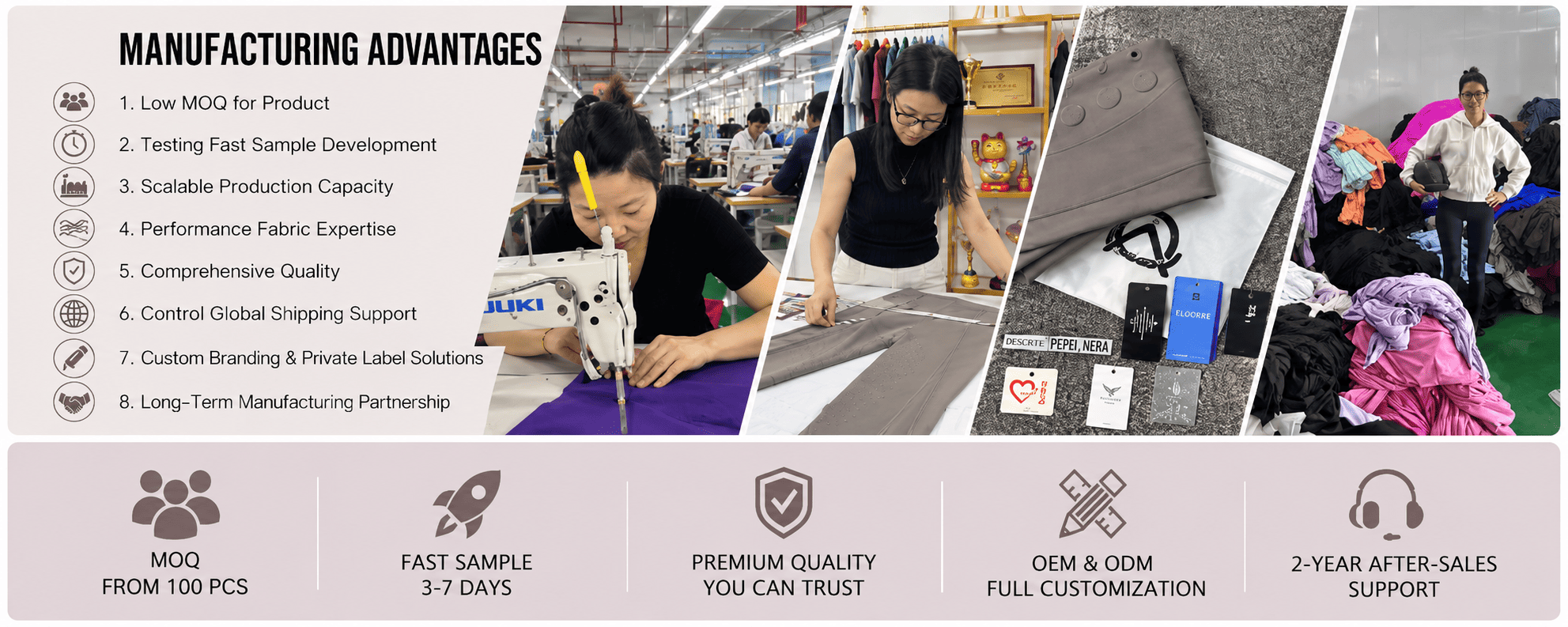
Finding a manufacturer that can produce riding tights is relatively easy. Finding one that understands the demands of equestrian apparel takes more work.
A supplier may offer attractive leggings, competitive prices and flexible order quantities. Yet those advantages mean little if the finished garments lose their shape after repeated riding, the silicone grip behaves differently from the approved sample, or the factory struggles to maintain consistent sizing across production batches.
For equestrian brands, choosing a manufacturing partner is ultimately a decision about product reliability, purchasing risk and long-term business compatibility.
China has a broad apparel manufacturing network, but not every supplier offers the same level of equestrian specialization. Some focus on technical riding garments, others manufacture multiple sportswear categories, and some coordinate production through external factories.
Understanding these differences is essential before comparing quotations.
Fineactive, SGL Sports, Shuyu Activewear, Ope Equestrian, RW Equestrian, Kala Apparel, EW Equestrian, Bella Fitness, Arcadia-Sport and Smile Saddlery are ten China-based suppliers worth considering for equestrian tights sourcing. They represent different manufacturing and sourcing models, product specialties and order requirements. The best choice depends on your brand’s positioning, expected purchasing volume, technical requirements and the supplier’s ability to demonstrate consistent production performance.
1. Top 10 Horse Tights Manufacturers in China: Which Suppliers Deserve a Place on Your Shortlist?
The best Chinese riding tights suppliers are not necessarily the companies with the largest factories or the lowest advertised prices. They are the businesses whose product experience, purchasing conditions and manufacturing arrangements match your brand’s needs.
A specialist may be suitable for a technically demanding equestrian collection, while a broader sportswear producer may work well for brands expanding across several performance apparel categories. The following ten suppliers offer different starting points for comparison.
1.1 Top 10 Chinese Horse Tights Manufacturers at a Glance: Location, Product Focus, MOQ and Buyer Suitability
| Manufacturer | Location | MOQ Reference | Main Product Focus | Potential Buyer Fit |
|---|---|---|---|---|
| Fineactive | China | 100 pcs/style/color | Specialized equestrian apparel | Custom equestrian brands |
| SGL Sports | Dongguan, Guangdong | Confirm by design | Technical sportswear and equestrian clothing | Multi-category performance brands |
| Shuyu Activewear | Dongguan, Guangdong | 100 pcs on selected listings | Equestrian and activewear | Growing apparel brands |
| Ope Equestrian | Dongguan, Guangdong | 100–200 pcs on selected listings | Riding breeches and equestrian products | Equestrian importers |
| RW Equestrian | Dongguan, Guangdong | 100 pcs on selected listings | Riding apparel collections | Equestrian clothing brands |
| Kala Apparel | Dongguan, Guangdong | From 20 pcs on selected ready-to-ship styles | Equestrian leggings and activewear | Small-batch buyers |
| EW Equestrian | Dongguan, Guangdong | 100–200 pcs on selected listings | Silicone-grip riding pants | Riding tights buyers |
| Bella Fitness | Xiamen, Fujian | 300 pcs on selected listings | Performance leggings | Activewear and crossover brands |
| Arcadia-Sport | Xiamen, Fujian | 500 pcs on selected listings | Performance sportswear | Higher-volume buyers |
| Smile Saddlery | Fujian, China | 200 pcs on selected listings | Equestrian apparel and related products | Equestrian distributors |
MOQ figures are reference values from company information or selected product listings. Custom designs, exclusive fabrics, color quantities and other requirements may affect actual order minimums.
1.2 Who Are the 10 Manufacturers? Company Profiles, Core Strengths, Limitations and Best-Fit Customers
1. Fineactive — Specialized Equestrian Apparel Manufacturer
Company overview
Fineactive is a China-based horse tights manufacturer established in 2016, specializing in OEM, ODM and private-label equestrian apparel for international brands.
Its core product range includes full-seat riding tights, knee-grip leggings, riding breeches, show shirts, competition jackets and technical riding tops.
Unlike suppliers primarily focused on general fitness apparel, Fineactive concentrates on garments worn by riders, making it relevant to brands seeking specialized equestrian clothing collections.
Key manufacturing information
Established: 2016.
Location: China.
MOQ: 100 pieces per style per color.
Sampling: Normally 7–15 working days after essential details are confirmed.
Bulk production: Normally 25–35 working days after required approvals and production conditions are met.
Production resources: Seven production lines, including three dedicated to equestrian apparel.
Overall factory capacity: Approximately 50,000 garments per month across all product categories.
Core products: Riding tights, breeches, show shirts, riding tops and equestrian outerwear.
Core strengths
Fineactive offers a focused equestrian apparel range and supports brands that need to maintain consistent specifications across different styles and repeat orders.
Its stated development and quality-control resources may be particularly relevant to brands introducing technically demanding riding garments.
Potential limitations
The standard MOQ applies separately to each style and color. Buyers seeking very small quantities across numerous colors may find this less suitable than purchasing ready-made stock.
The company’s total factory capacity should not be interpreted as dedicated riding tights capacity.
Best suited for: Emerging and established equestrian brands developing coordinated riding apparel collections.
Less suited for: Buyers seeking single-piece purchases or non-apparel horse equipment.
For detailed production and customization information, explore Fineactive’s OEM and private label riding tights manufacturing services.
2. SGL Sports — Technical Sportswear and Equestrian Apparel Supplier
Company overview
SGL Sports is a Dongguan-based horse tights manufacturer candidate offering equestrian clothing alongside yoga wear, fitness apparel and other technical sportswear.
Its product range includes riding leggings, breeches, riding tops and jackets.
The company publicly describes garment development, fabric sourcing, manufacturing and quality-control services.
Key supplier information
Location: Dongguan, Guangdong.
Established: Confirm the current legal entity’s establishment date.
MOQ: Depends on product and design requirements.
Sampling: Approximately 10 working days, according to published company information.
Bulk production: Approximately 35–40 days, subject to order conditions.
Core products: Equestrian apparel, technical sportswear and performance leggings.
Certifications: Request current certificates and applicable facility information.
Core strengths
SGL’s broader sportswear experience may benefit brands purchasing several performance apparel categories.
Its product development capabilities are also relevant to technical garments requiring stretch fabrics and specialized sewing.
Potential limitations
A large overall sportswear production operation does not necessarily mean that the same capacity is available for equestrian tights.
Best suited for: Brands combining riding tights with other technical sportswear.
Less suited for: Buyers requiring a supplier focused exclusively on equestrian apparel.
3. Shuyu Activewear — Equestrian and Performance Apparel Supplier
Company overview
Shuyu Activewear is a Dongguan-based horse tights manufacturer candidate serving equestrian and broader activewear markets.
Its publicly listed products include riding leggings, silicone-grip tights, fitness apparel and other stretch garments.
The company describes experience in product development and garment manufacturing.
Key supplier information
Location: Dongguan, Guangdong.
Established: Manufacturing history is reported from 2012; confirm the current legal entity’s registration.
MOQ: 100 pieces on selected riding tights listings.
Sampling: Confirm by project.
Bulk production: Confirm by order.
Core products: Equestrian leggings, riding breeches and activewear.
Certifications: Request current audit and product documentation.
Core strengths
Its multi-category technical apparel experience may provide useful fabric and construction options for equestrian brands.
Potential limitations
Buyers should confirm whether the supplier’s equestrian products are manufactured on dedicated lines and whether relevant performance testing is available.
Best suited for: Growing brands purchasing equestrian clothing and complementary sportswear.
Less suited for: Buyers unwilling to verify the supplier’s specific equestrian production experience.
4. Ope Equestrian — Equestrian Apparel and Riding Product Supplier
Company overview
Ope Equestrian is a Dongguan-based horse tights manufacturer candidate offering riding breeches, leggings, competition clothing and other equestrian products.
Its public company information identifies a manufacturing operation in Dongguan and describes OEM/ODM services.
Key supplier information
Location: Dongguan, Guangdong.
Established: 2015, according to company information.
MOQ: 100–200 pieces on selected product listings.
Sampling: Confirm according to design.
Bulk production: Confirm according to quantity and production schedule.
Core products: Riding tights, breeches, competition clothing and related equestrian products.
Certifications: Verify current documents and the manufacturing facility covered.
Core strengths
Ope offers a broad equestrian product assortment, making it relevant to importers seeking several riding-related categories.
Potential limitations
A broad catalog does not automatically establish that every product is manufactured in the same facility.
Best suited for: Equestrian brands and importers developing multiple product categories.
Less suited for: Buyers requiring a garment-only specialist without additional supply-chain verification.
5. RW Equestrian — Riding Apparel Collection Supplier
Company overview
RW Equestrian is a Dongguan-based horse tights manufacturer candidate with publicly listed riding leggings, breeches, show shirts and other equestrian apparel.
Its supplier profile describes design support and manufacturing activities.
Key supplier information
Location: Dongguan, Guangdong.
Established: 2019, according to supplier information.
MOQ: 100 pieces on selected listings.
Sampling: Confirm directly.
Bulk production: Confirm directly.
Core products: Riding tights, breeches, show shirts and riding jackets.
Certifications: Request current facility and product-specific documentation.
Core strengths
The product range may suit brands looking for coordinated equestrian collections rather than a single garment category.
Potential limitations
Buyers should request additional information about production capacity, technical testing and repeat-order management.
Best suited for: Brands developing riding apparel collections across several styles.
Less suited for: Buyers requiring extensive independently documented production data before initial discussions.
6. Kala Apparel — Small-Batch and Private-Label Apparel Supplier
Company overview
Kala Apparel is a Dongguan-based horse tights manufacturer candidate offering equestrian leggings, technical activewear and private-label garment services.
The company distinguishes between selected ready-to-ship products and custom manufacturing projects.
This difference is important for buyers comparing minimum order quantities.
Key supplier information
Location: Dongguan, Guangdong.
Established: The company reports more than ten years of manufacturing experience; verify the legal establishment date.
MOQ: From 20 pieces for selected ready-to-ship products; custom minimums vary.
Sampling: Approximately 7–14 days, company-stated.
Bulk production: Approximately 25–40 days, depending on order requirements.
Core products: Equestrian leggings, riding apparel and activewear.
Certifications: The company advertises BSCI-audited production; verify current audit scope and validity.
Core strengths
Selected ready-to-ship styles may provide a practical entry point for brands testing demand before investing in custom development.
Potential limitations
Low minimum quantities for stock products should not be assumed to apply to custom colors, patterns or fabrics.
Best suited for: Small-batch buyers and startups exploring available designs.
Less suited for: Buyers expecting fully customized production at ready-to-ship quantities.
7. EW Equestrian — Silicone-Grip Riding Pants Supplier
Company overview
EW Equestrian is a Dongguan-based horse tights manufacturer candidate with publicly listed silicone-grip riding tights, breeches and equestrian trousers.
Its product listings cover different grip configurations and riding apparel styles.
Key supplier information
Location: Dongguan, Guangdong.
Established: 2010, according to supplier listings.
MOQ: Approximately 100–200 pieces on selected listings.
Sampling: Confirm directly.
Bulk production: Confirm directly.
Core products: Full-seat grip tights, knee-grip breeches and riding trousers.
Certifications: Current product-specific documentation requires verification.
Core strengths
The available product range provides buyers with several riding tights constructions to compare.
Potential limitations
Public product listings alone do not establish current production capacity or factory ownership.
Best suited for: Buyers evaluating different silicone-grip riding tights styles.
Less suited for: Buyers requiring complete manufacturing and testing documentation before initial contact.
8. Bella Fitness — Performance Leggings and Riding Apparel Supplier
Company overview
Bella Fitness is a Xiamen-based horse tights manufacturer candidate with experience in performance sportswear and fitted stretch garments.
Its public product listings include compression leggings, high-waisted riding tights and silicone-grip equestrian styles.
Key supplier information
Location: Xiamen, Fujian.
Established: Exact legal establishment year requires confirmation.
MOQ: 300 pieces on selected equestrian leggings listings.
Sampling: Confirm directly.
Bulk production: Confirm directly.
Core products: Compression leggings, riding tights and performance sportswear.
Certifications: Request current factory and product-specific records.
Core strengths
Experience with fitted performance apparel may be useful for brands entering the equestrian market from fitness or sportswear.
Potential limitations
Technical leggings experience does not automatically establish expertise in riding-position fit and saddle-contact performance.
Best suited for: Activewear brands expanding into equestrian apparel.
Less suited for: Small custom orders or projects requiring proven equestrian specialization without further testing.
9. Arcadia-Sport — Performance Apparel Sourcing Supplier
Company overview
Arcadia-Sport is a Xiamen-based sportswear sourcing business and horse tights manufacturer candidate offering riding leggings alongside compression and performance garments.
Its public company history describes long-standing sportswear manufacturing connections and international ODM/OEM activities.
Key supplier information
Location: Xiamen, Fujian.
Established: Manufacturing history is reported from 1998, with international ODM/OEM operations reported from 2017.
MOQ: 500 pieces on selected riding tights listings.
Sampling: Confirm according to specifications.
Bulk production: Confirm according to the production facility.
Core products: Riding leggings, compression apparel and technical sportswear.
Certifications: Verify the actual production facility and applicable documentation.
Core strengths
Its broader sportswear sourcing experience may suit buyers managing larger orders and multiple apparel categories.
Potential limitations
Buyers should confirm the relationship between the trading entity and the manufacturing facility responsible for the order.
Best suited for: Established importers and larger-volume sportswear buyers.
Less suited for: Small startup orders or buyers requiring a direct factory relationship.
10. Smile Saddlery — Multi-Category Equestrian Supplier
Company overview
Smile Saddlery is a Fujian-based equestrian product supplier and horse tights manufacturer candidate offering riding breeches, leggings and other horse-related products.
Its public supplier information describes a long history in equestrian product sourcing.
Key supplier information
Location: Fujian, China.
Established: 1994, according to supplier information.
MOQ: 200 pieces on selected riding tights listings.
Sampling: Confirm directly.
Bulk production: Confirm directly.
Core products: Equestrian leggings, breeches and other equestrian products.
Certifications: Verify current documents and relevant manufacturing sites.
Core strengths
Its broad equestrian product range may appeal to distributors sourcing several categories from one supplier relationship.
Potential limitations
Buyers should establish which products are manufactured directly and which may be supplied through other production partners.
Best suited for: Equestrian importers and multi-category distributors.
Less suited for: Brands seeking a dedicated riding apparel manufacturer without additional verification.
1.3 Which Manufacturers Are Best for Startup Equestrian Brands, Premium Labels and Established Wholesale Buyers?
A supplier that works well for a large importer may not be the best choice for a brand launching its first riding tights collection.
For startup equestrian brands, Fineactive, Kala Apparel and Shuyu Activewear are worth evaluating for their published product ranges and purchasing arrangements. Buyers should compare the actual minimum quantity for their intended level of customization.
For premium equestrian brands, Fineactive, Ope Equestrian and RW Equestrian are relevant candidates for further assessment because their product ranges emphasize equestrian apparel. The final decision should depend on technical samples, documented quality controls and production capability.
For established wholesale buyers, SGL Sports, Arcadia-Sport and Smile Saddlery may offer useful sourcing options, depending on required order volume and product categories.
These are suggested shortlists based on supplier positioning, not verified awards for product quality or delivery performance.
A practical next step is to request comparable samples and quotations from three or four suppliers whose purchasing conditions match your requirements.
1.4 How Were These 10 Manufacturers Evaluated? Selection Criteria, Evidence Sources and Verification Status
A useful supplier comparison should explain why each company deserves consideration.
The ten businesses above were considered using five purchasing criteria:
Product relevance: Publicly offered riding tights, breeches or closely related equestrian apparel.
Technical capability: Evidence of relevant garment development, production or technical sportswear experience.
Commercial suitability: Available information about minimum quantities, lead times and purchasing conditions.
Buyer compatibility: Suitability for startups, premium brands, importers or multi-category buyers.
Information transparency: Whether buyers can identify company information and request supporting manufacturing evidence.
Published company information is useful for initial screening, but it should be followed by direct verification of production arrangements, current commercial terms and relevant product samples.
The strongest shortlist is not the one with the most suppliers. It is the one that helps you compare the right suppliers on equal terms and identify which companies deserve a closer look before you commit to production.
1. Who Are the Top 10 Horse Riding Clothing Manufacturers in China?
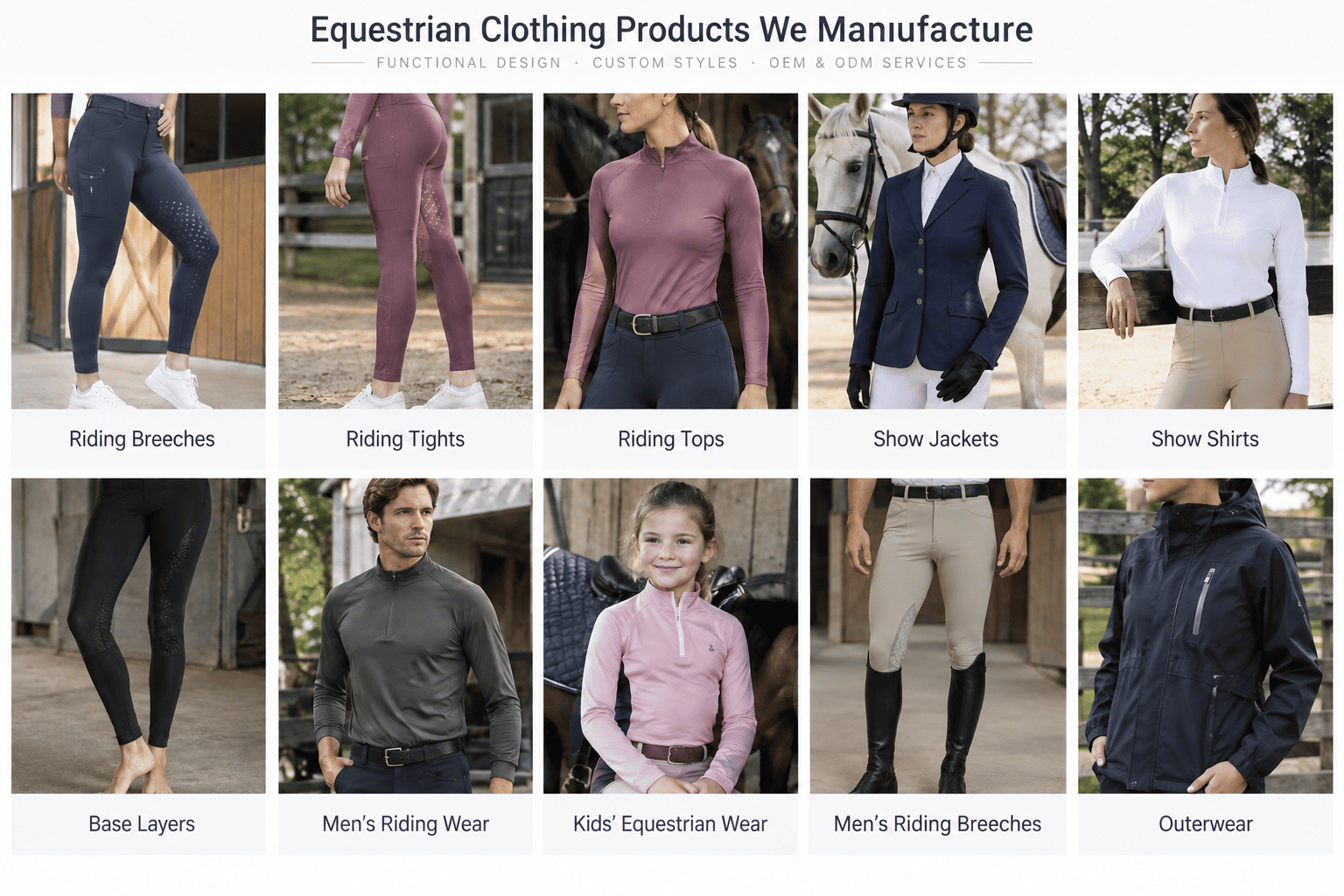
The top horse riding clothing manufacturers in China include equestrian apparel specialists, multi-category performance clothing factories, and suppliers serving both riders and horses. Fineactive, SGL Sports, Zest Equestrian, Equifactory, Kala Active, RunEquestrian, Shuyu Activewear, RW Equestrian, Hubei KDL, and OpeEquestrian are ten companies worth comparing for a 2026 supplier shortlist.
Their differences matter more than their position on a list. Some focus on riding apparel, others combine equestrian clothing with general sportswear, while several offer horse equipment alongside garments. The following comparison highlights their publicly available business information, product positioning, and potential suitability for different purchasing requirements.
Top 10 Chinese Horse Riding Clothing Manufacturers — Comparison Table
| Manufacturer | Location | Main Product Focus | Published MOQ | Best-Fit Buyer |
|---|---|---|---|---|
| 1. Fineactive | Dongguan, Guangdong | Specialized riding apparel | 100 pcs/style/color | Equestrian clothing brands |
| 2. SGL Sports | Dongguan, Guangdong | Riding clothing and sportswear | 200 pcs/design/color on selected products | Multi-category apparel brands |
| 3. Zest Equestrian | Guangdong, China | Rider clothing and horse products | From 200 pcs on its equestrian clothing offer | Equestrian retailers and distributors |
| 4. Equifactory | Wuhan, Hubei | Riding apparel and equestrian products | Flexible; product-dependent | Brands and riding clubs |
| 5. Kala Active | Dongguan, Guangdong | Equestrian wear and performance clothing | Product-dependent | Boutique and developing brands |
| 6. RunEquestrian | Guangzhou, Guangdong | Breeches and competition apparel | From 100 pcs on published offers | Riding apparel specialists |
| 7. Shuyu Activewear | Dongguan, Guangdong | Riding wear and technical activewear | Product-dependent | Sportswear and equestrian brands |
| 8. RW Equestrian | Dongguan, Guangdong | Breeches, riding tops and outerwear | From 100 pcs on selected listings | Multi-season apparel buyers |
| 9. Hubei KDL Equestrian Products | Hubei Province | Equestrian clothing and related products | Product-dependent | Broader equestrian sourcing teams |
| 10. OpeEquestrian | Dongguan, Guangdong | Riding apparel and horse products | Product-dependent | Apparel and equestrian product buyers |
MOQ figures reflect published offers where available, rather than guaranteed minimums for every garment. The order of companies is a comparison sequence, not an independently audited ranking of factory performance.
1.1 Fineactive — Equestrian Apparel-Focused Manufacturing
Location: Dongguan, Guangdong
Manufacturing history: Since 2016
MOQ: 100 pieces per style per color
Sampling: 7–15 working days
Bulk production: 25–35 working days
Fineactive specializes in equestrian clothing for international brands, with a product range covering riding breeches, riding tights, competition shirts, show jackets, base layers, and outerwear.
Its distinguishing feature in this comparison is its focus on clothing worn by riders rather than a broader catalog of horse equipment.
For buyers, that specialization may be relevant when developing a coordinated apparel collection or maintaining consistent products across repeat orders.
Competitive strengths
Dedicated equestrian apparel product focus.
Published MOQ and production timelines.
Product coverage across training, competition, and seasonal riding clothing.
Suitable for brands seeking a continuing apparel manufacturing relationship.
Potential limitations
Fineactive is not intended as a consolidated supplier for saddles, helmets, boots, or other horse equipment. Its standard MOQ may also be unsuitable for very small customized orders.
Best suited for: Startup and growing equestrian clothing brands, private label riding apparel businesses, and buyers prioritizing specialized garment manufacturing.
Buyers who want to evaluate Fineactive’s individual production terms can review its horse riding clothing manufacturing capabilities. Brands evaluating a specialized supplier can explore Fineactive’s equestrian apparel manufacturing capabilities for additional information.
1.2 SGL Sports — Equestrian Clothing and Performance Sportswear
Location: Dongguan, Guangdong
Published MOQ: 200 pieces per design per color on selected products
Sampling: Approximately 10 working days
Bulk production: Approximately 35–40 days
SGL Sports manufactures equestrian clothing alongside yoga wear, activewear, jackets, and other performance garments.
Its equestrian range includes riding breeches, leggings, base layers, riding shirts, and jackets.
Compared with apparel-only equestrian specialists, SGL Sports offers broader sportswear manufacturing experience, which may be useful for brands selling riding clothing alongside fitness or lifestyle products.
Competitive strengths
Broad technical sportswear product range.
Published development and production timelines.
Experience across several stretch-apparel categories.
Potential for coordinating equestrian and general activewear collections.
Potential limitations
The company’s broader sportswear focus means buyers should evaluate riding-specific garment experience separately. Published minimum quantities may also be less suitable for small multi-color launches.
Best suited for: Established sportswear brands, multi-category retailers, and buyers developing equestrian clothing alongside other athletic apparel.
1.3 Zest Equestrian — Rider Apparel and Broader Equestrian Sourcing
Location: Guangdong, China
Published experience: More than 16 years
Published MOQ: From 200 pieces on its equestrian clothing offer
Zest Equestrian serves the wider equestrian market, supplying rider apparel alongside products such as saddle pads, horse rugs, halters, and accessories.
Its broader product assortment distinguishes it from factories that concentrate exclusively on garments.
For retailers and distributors, this range may simplify sourcing across several equestrian categories.
Competitive strengths
Combination of rider clothing and horse-related products.
Broad equestrian product assortment.
Published experience serving international equestrian markets.
Relevant to retailers managing multiple product categories.
Potential limitations
Buyers focused entirely on clothing should establish which garment processes are handled directly and which involve production partners. Minimum quantities and timelines may differ significantly between apparel and horse products.
Best suited for: Equestrian retailers, distributors, tack shops, and brands purchasing clothing together with other equestrian goods.
1.4 Equifactory — Equestrian Collection Development and Supply
Published contact location: Wuhan, Hubei
Published experience: More than 20 years
MOQ: Flexible, depending on product
Equifactory supplies riding clothing and related equestrian products for brands, retailers, and riding clubs.
Its advertised range includes breeches, show shirts, riding jackets, base layers, and outerwear.
The company emphasizes collection development and technical garment production. Its public materials also describe a manufacturing operation with multiple production lines.
Competitive strengths
Broad riding apparel assortment.
Experience positioning focused on equestrian collections.
Relevant product categories for training and competition clothing.
Potential suitability for coordinated club and retail ranges.
Potential limitations
Published experience and production capacity should be evaluated against the specific facility assigned to an order. Flexible MOQ positioning does not establish a single minimum across every garment.
Best suited for: Equestrian brands, riding clubs, and retailers seeking several riding clothing categories from one supplier.
1.5 Kala Active — Equestrian Clothing and Boutique Apparel Development
Location: Dongguan, Guangdong
Published experience: More than 10 years
MOQ: Depends on garment specifications
Dongguan Kala Active manufactures equestrian clothing and other apparel categories, including sportswear, golf wear, western wear, and lifestyle clothing.
Its website presents design, sampling, fitting, sewing, and quality inspection as parts of its manufacturing offering.
Compared with narrowly specialized equestrian suppliers, Kala Active has a broader apparel development focus.
Competitive strengths
Experience across multiple apparel categories.
Product development and sampling support.
Equestrian clothing included in its core range.
Potential relevance for brands combining riding wear with lifestyle products.
Potential limitations
Buyers should confirm MOQ and production conditions for each garment rather than assuming that small-batch terms apply to every custom order.
Best suited for: Boutique equestrian labels, developing apparel brands, and businesses combining riding clothing with lifestyle collections.
1.6 RunEquestrian — Riding Breeches and Competition Clothing
Location: Guangzhou, Guangdong
Published experience: Since 2009
Published MOQ: From 100 pieces per style
RunEquestrian focuses on equestrian apparel, including riding breeches, jodhpurs, show jackets, competition clothing, and teamwear.
Its product positioning makes it relevant to brands seeking a supplier familiar with riding-specific garment categories rather than general sportswear alone.
Competitive strengths
Focus on equestrian apparel.
Product range covering everyday riding and competition clothing.
Published first-order minimums.
Relevant assortment for riding teams and specialist apparel brands.
Potential limitations
Lead-time claims vary across the company’s published information. Buyers should obtain a garment-specific production schedule rather than relying on a general advertised timeline.
Best suited for: Breeches-focused labels, competition apparel brands, and equestrian teams.
1.7 Shuyu Activewear — Riding Clothing and Multi-Category Activewear
Location: Dongguan, Guangdong
Manufacturing history: Predecessor garment factory established in 2012
MOQ: Depends on product and order specifications
Shuyu Activewear manufactures equestrian clothing alongside yoga wear, fitness apparel, streetwear, and other garments.
Its riding apparel range includes breeches, riding leggings, base layers, and equestrian tops.
The company’s wider activewear background may be relevant to brands whose product lines overlap with technical athletic clothing.
Competitive strengths
Equestrian clothing and activewear product coverage.
Published manufacturing history.
Relevant experience with stretch-based garment categories.
Potential fit for brands selling both riding and fitness clothing.
Potential limitations
Buyers should assess equestrian-specific production capability rather than relying only on the company’s overall activewear experience.
Best suited for: Riding leggings brands, performance apparel labels, and multi-category clothing businesses.
1.8 RW Equestrian — Riding Apparel and Seasonal Outerwear
Location: Chang’an, Dongguan, Guangdong
Established: 2019
Published MOQ: From 100 pieces on selected product listings
Published lead time: Approximately one month off-season; one to three months in peak season
RW Equestrian offers riding breeches, competition shirts, jackets, base layers, waterproof outerwear, and winter riding garments.
Its product assortment covers both everyday riding clothing and seasonal apparel.
For brands planning multiple seasonal collections, this range provides a useful basis for comparing suppliers.
Competitive strengths
Riding apparel and outerwear categories.
Published product-level minimums.
Seasonal clothing assortment.
Supplier information covering commercial terms and lead-time variation.
Potential limitations
Order minimums and production schedules differ by product and season. Buyers should pay particular attention to capacity planning for winter and competition-season launches.
Best suited for: Equestrian clothing retailers, seasonal collection buyers, and brands developing both riding garments and outerwear.
1.9 Hubei KDL Equestrian Products — Apparel and Wider Equestrian Product Categories
Location: Hubei Province, China
Registered founding year: 2014
MOQ: Product-dependent
Hubei KDL Equestrian Products Co., Ltd. is a Chinese company whose registered business scope includes equestrian clothing, riding leggings, and other equestrian products.
Its business scope extends beyond apparel to additional riding-related categories.
This makes it relevant to buyers investigating broader equestrian supply options, although publicly available information about current garment-specific commercial terms is limited.
Competitive strengths
Registered business scope includes equestrian clothing.
Broader equestrian product coverage.
Potential relevance for multi-category sourcing research.
Potential limitations
Public information does not provide the same level of garment-specific detail as the websites of several other companies in this comparison. Current production arrangements, MOQ, delivery schedules, and product capability require closer examination.
Best suited for: Experienced sourcing teams and distributors evaluating additional equestrian product suppliers.
1.10 OpeEquestrian — Riding Apparel and Horse Equipment
Location: Chashan, Dongguan, Guangdong
Established: 2015
MOQ: Product-dependent
OpeEquestrian supplies riding clothing and horse-related products.
Its apparel catalog includes breeches, leggings, polo shirts, base layers, show jackets, and rain jackets. The wider assortment includes saddle pads, horse rugs, and other equestrian items.
The company publishes its Dongguan business location and describes its manufacturing and export activities.
Competitive strengths
Riding apparel and horse product categories.
Broad equestrian product catalog.
Published company and contact information.
Potential suitability for buyers consolidating several equestrian product lines.
Potential limitations
Because the company serves both apparel and horse equipment categories, buyers should confirm the production arrangements and quality requirements for the garments they intend to purchase.
Best suited for: Equestrian retailers, distributors, and brands purchasing riding apparel alongside horse-related products.
Which Chinese Equestrian Clothing Manufacturers Stand Out for Different Sourcing Needs?
The most useful shortlist depends on whether the buyer prioritizes specialized riding clothing, cross-category apparel production, or broader equestrian sourcing.
| Sourcing Requirement | Manufacturers Worth Comparing | Main Reason |
|---|---|---|
| Equestrian apparel specialization | Fineactive, RunEquestrian, Equifactory | Riding clothing is central to their published positioning |
| Riding apparel plus sportswear | SGL Sports, Shuyu Activewear, Kala Active | Wider performance and lifestyle clothing ranges |
| Riding breeches and competition clothing | Fineactive, RunEquestrian, RW Equestrian | Relevant riding apparel categories |
| Apparel plus horse products | Zest Equestrian, OpeEquestrian, Hubei KDL | Broader equestrian sourcing coverage |
| Multi-season riding clothing | Fineactive, Equifactory, RW Equestrian | Training, competition, and outerwear categories |
| Brands comparing published initial MOQ terms | Fineactive, RunEquestrian, RW Equestrian | Published offers starting at 100 pieces for specified products |
Three distinctions matter when comparing these suppliers.
Product focus: A manufacturer concentrating on riding apparel may be a stronger candidate for a technically demanding clothing collection, while a broader equestrian supplier may offer convenience for retailers buying several product categories.
Commercial suitability: Published minimums provide an initial screening tool, but actual terms depend on the garment, fabric, customization, and order structure.
Verifiable capability: A company website or product listing establishes a starting point for research, not proof of consistent manufacturing performance. Samples, facility information, and relevant production records remain important when selecting a supplier.
For international buyers, the best horse riding clothing manufacturer in China is the one whose demonstrated capabilities match the products being sourced and the commercial requirements of the business.
2. Why Do Equestrian Brands Choose China for Horse Riding Tights Manufacturing?
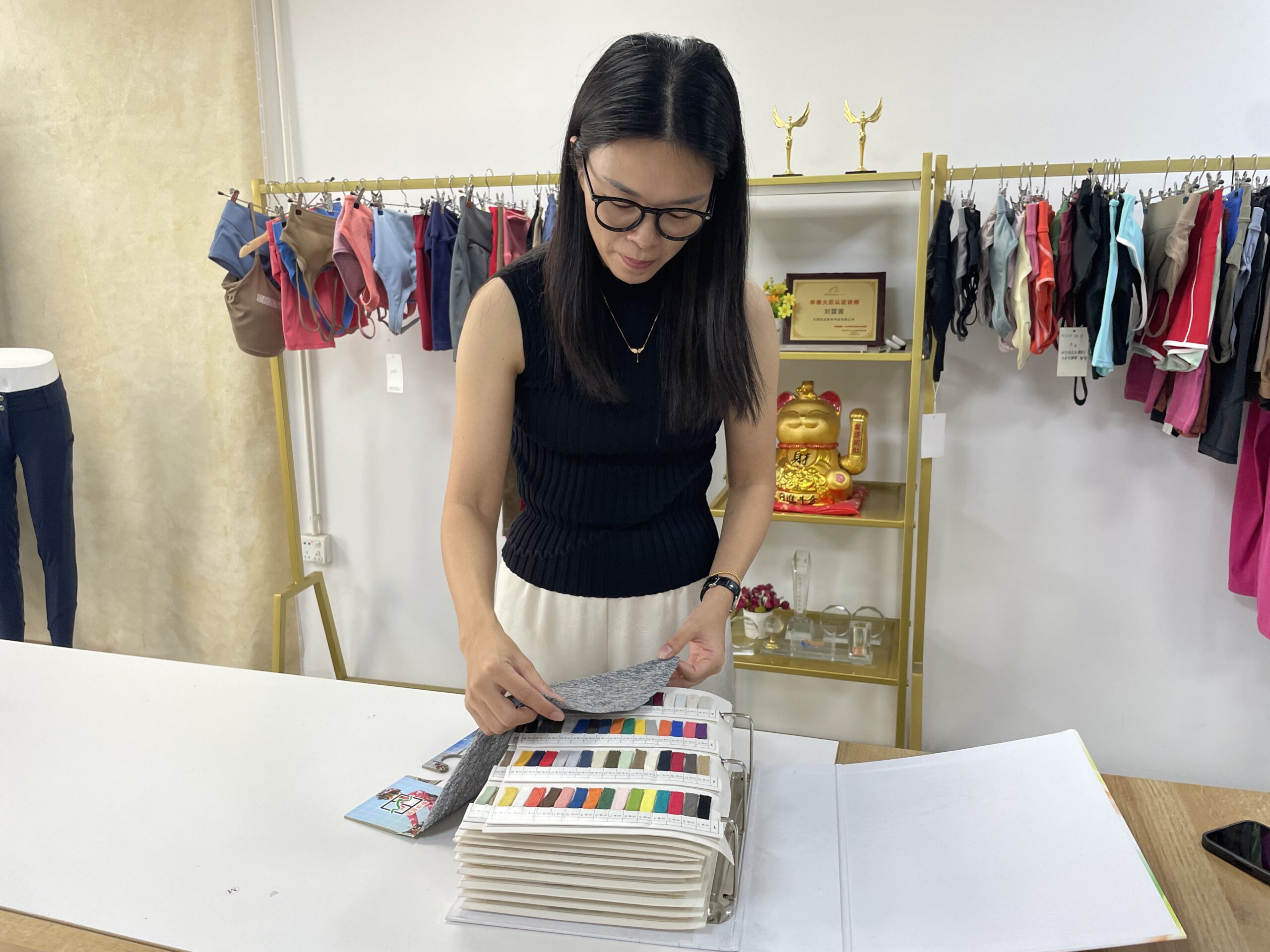
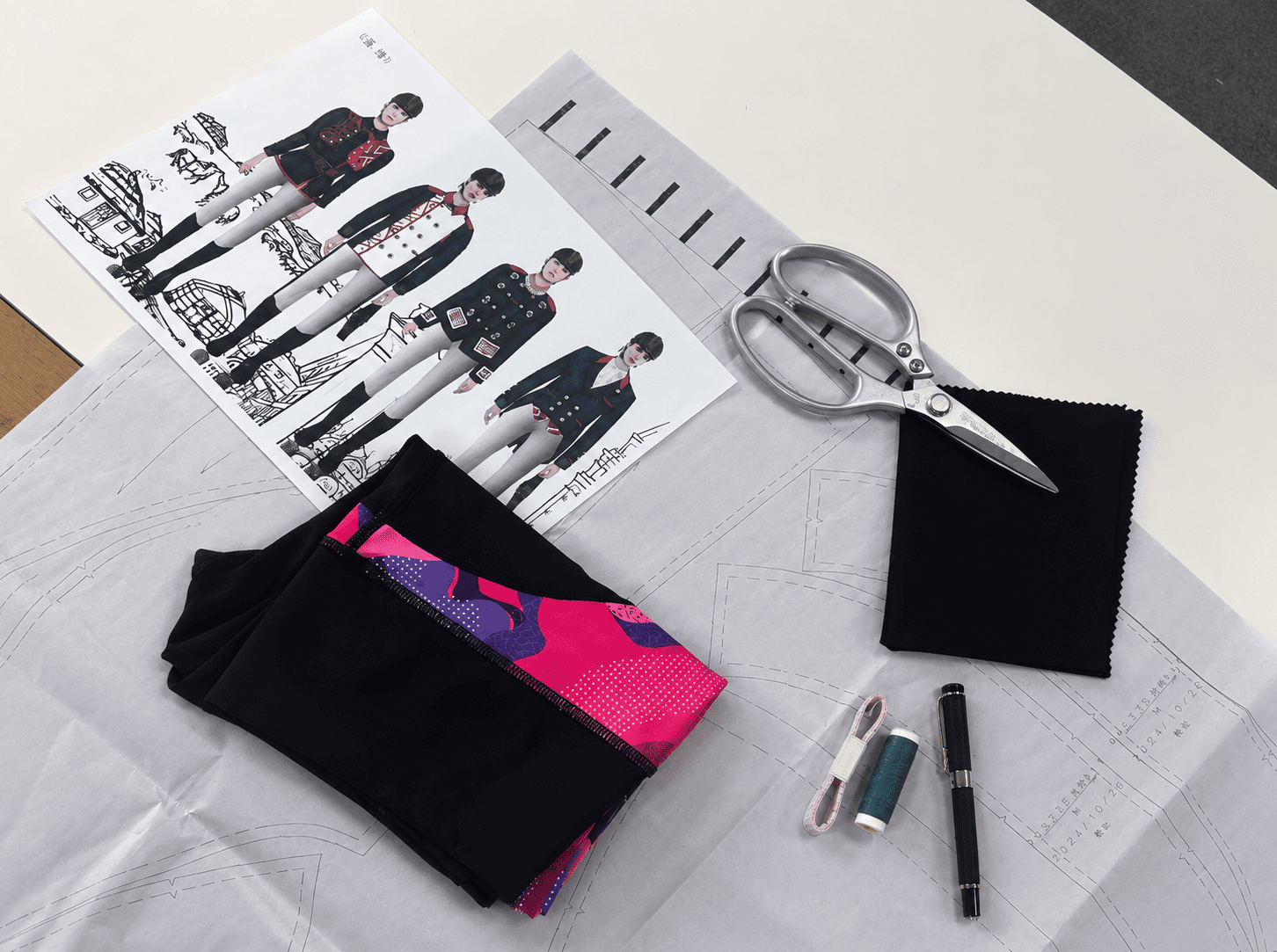
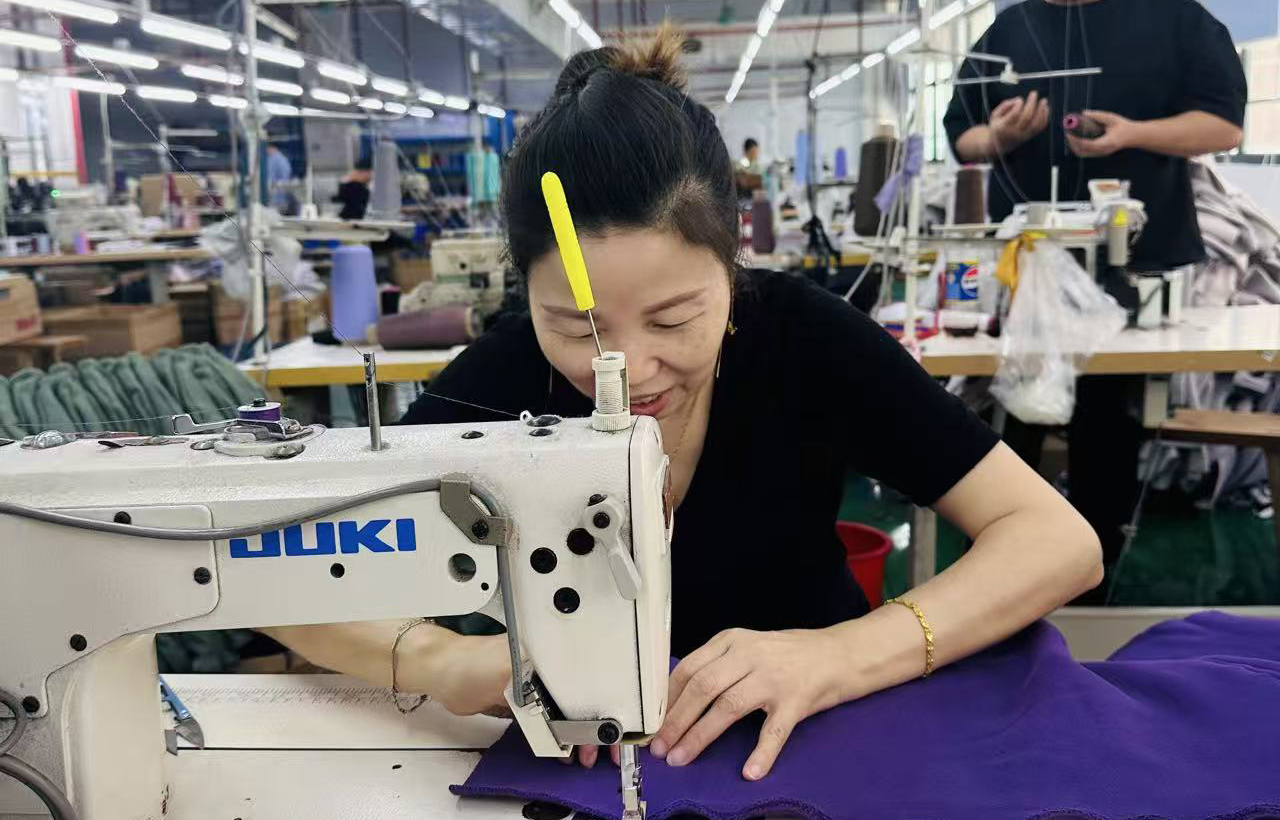
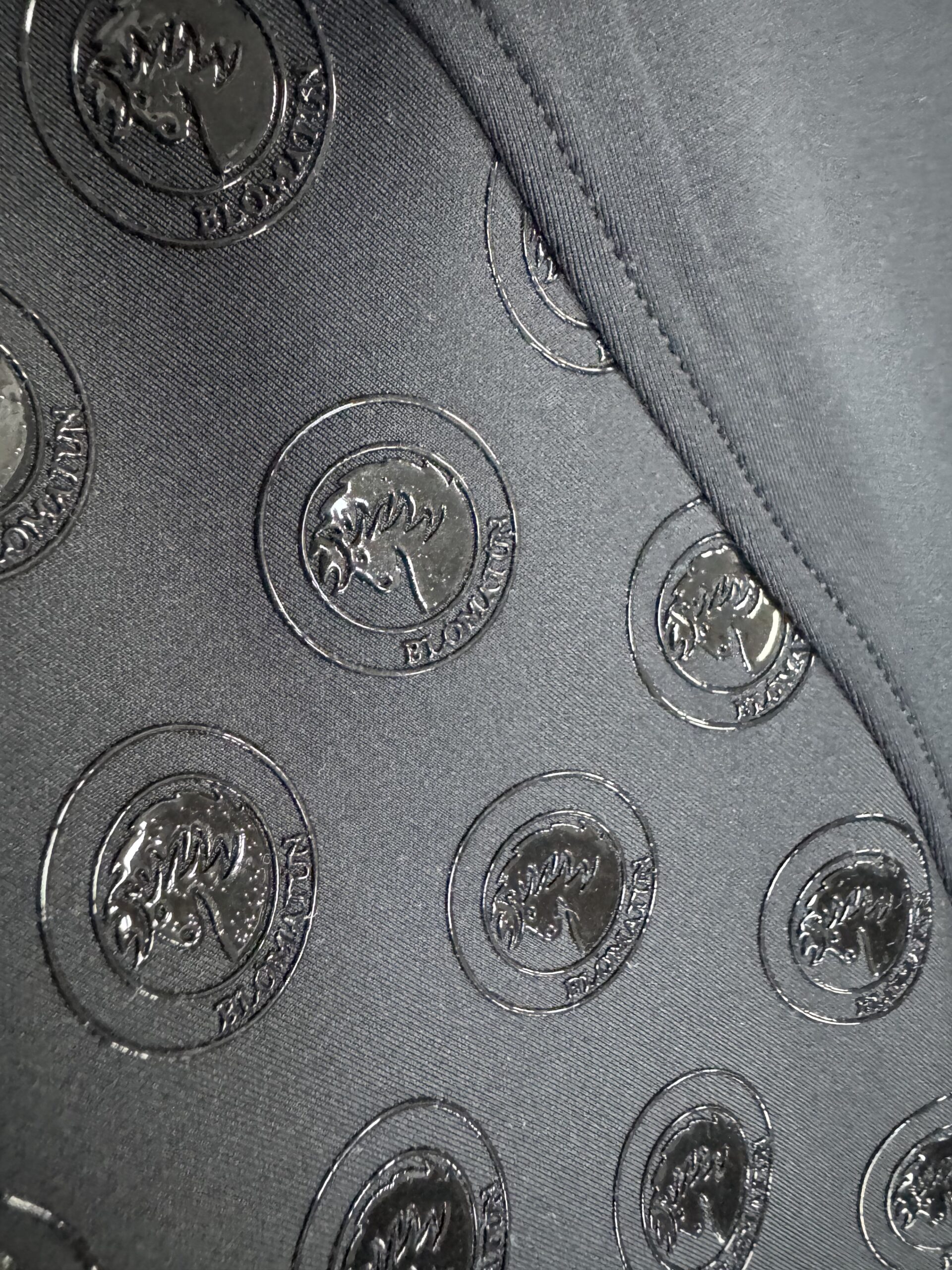
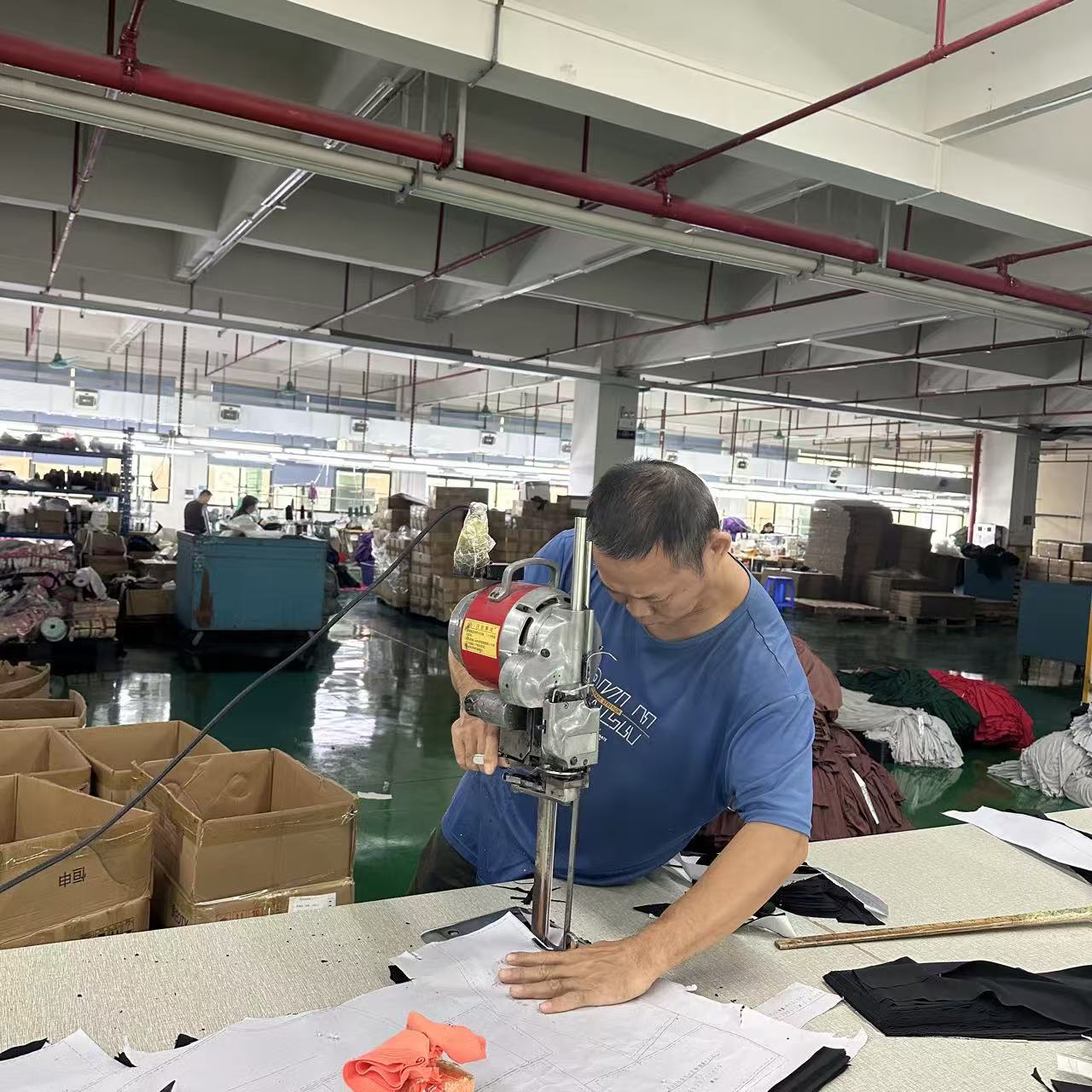
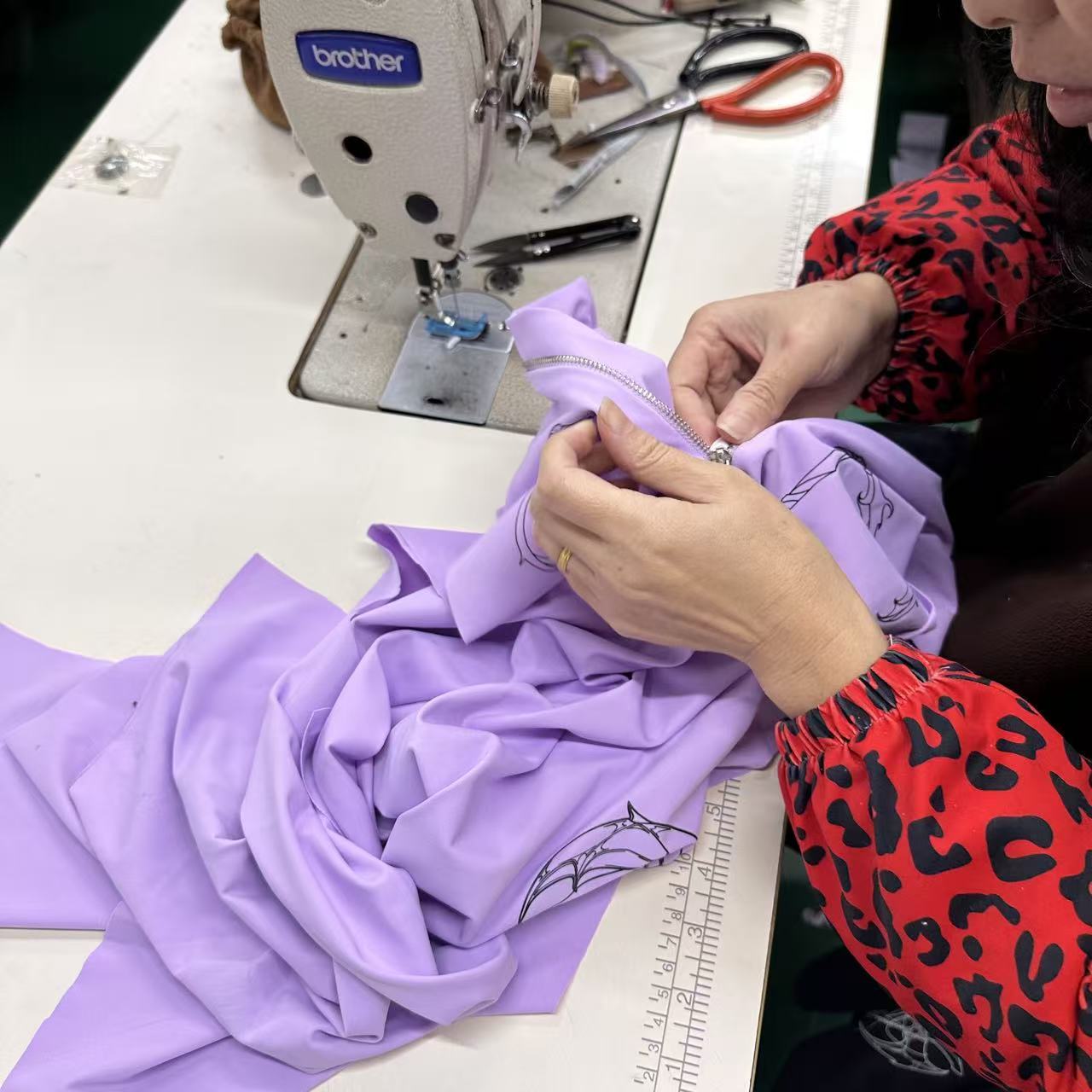
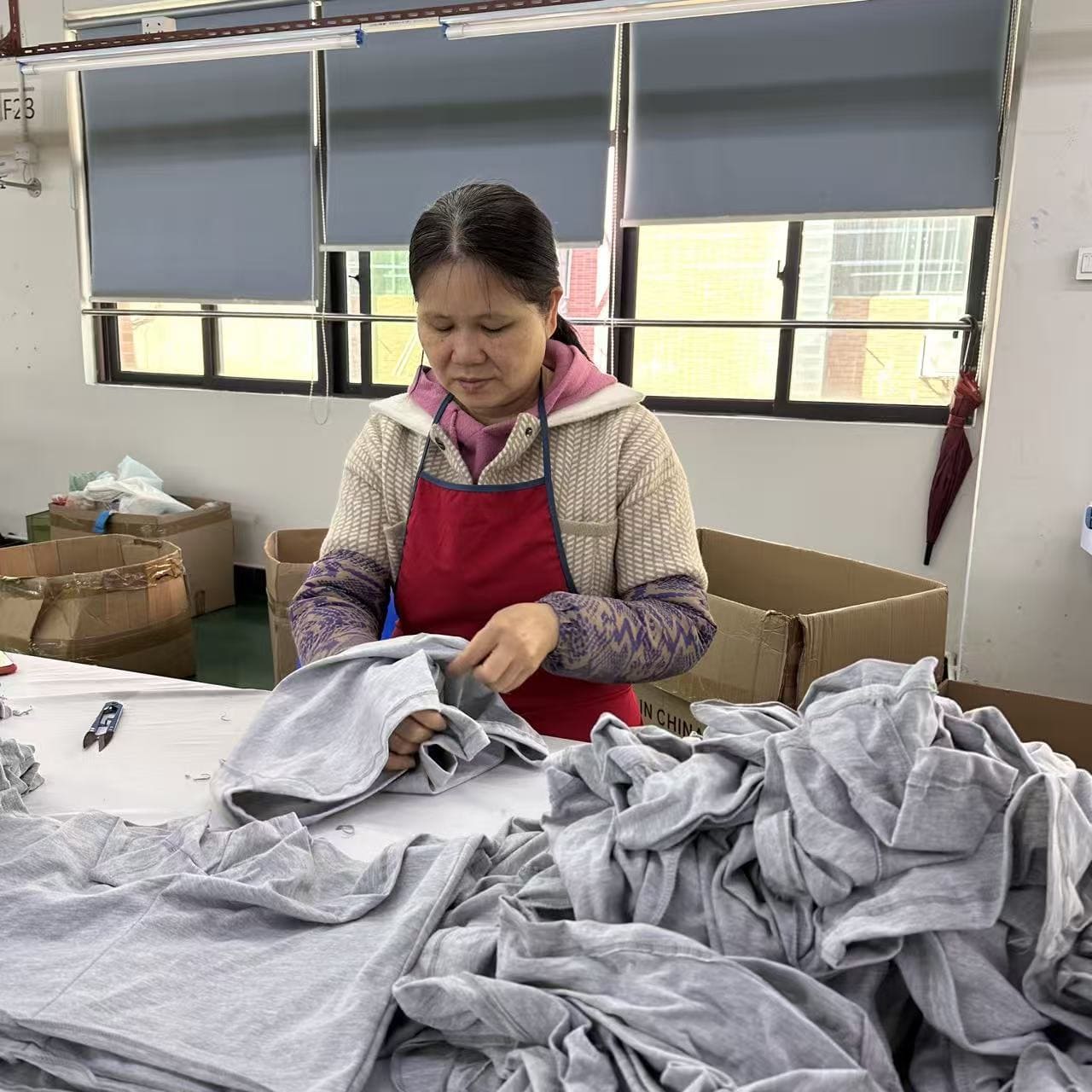
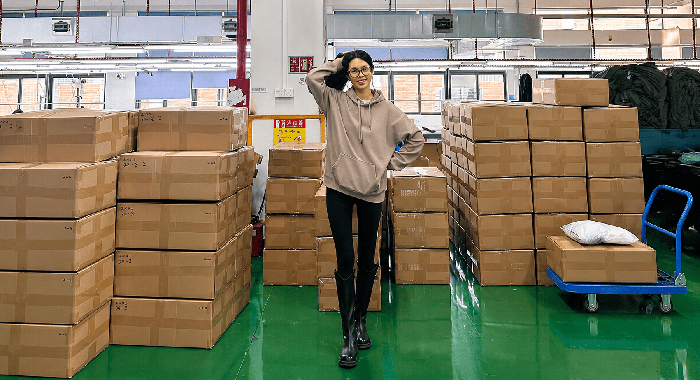
China is a strong sourcing option for equestrian brands because its textile and apparel supply chain brings together performance fabrics, garment manufacturing, silicone printing, trims, packaging, and export services. This network can make supplier coordination easier and provide more options when developing a new riding tights collection. However, choosing a horse tights manufacturer in China should never be based on country reputation or price alone. The real advantage comes from finding a supplier that can combine suitable materials, relevant equestrian experience, dependable quality, and realistic delivery terms.
2.1 What Makes China Competitive in Equestrian Apparel Manufacturing and Performance Fabric Sourcing?
A connected supply chain can reduce sourcing complexity.
One reason international equestrian brands consider China is the range of textile and garment services available within established manufacturing regions.
A riding tights collection may require four-way stretch fabric, suitable silicone grip applications, elastic waistbands, durable seams, custom labels, and retail packaging. When these materials and services can be coordinated efficiently, buyers may spend less time managing separate suppliers.
For example, a horse tights manufacturer located near experienced fabric mills and garment accessory suppliers may be able to compare several material options without relying on a single source.
This flexibility is especially useful when a brand needs different fabric weights for summer and winter collections or wants to maintain consistent colors across several riding apparel styles.
Still, proximity to suppliers does not guarantee better quality. Buyers should confirm how materials are selected, approved, and controlled throughout production.
Specialized experience matters more than a long product catalog.
China produces many types of sportswear, but equestrian tights have requirements that ordinary fitness leggings do not always share.
A rider repeatedly bends at the hip and knee while maintaining contact with the saddle. The garment must remain comfortable under these conditions without excessive waistband movement, uncomfortable seam pressure, or unreliable grip placement.
A horse tights manufacturer with relevant equestrian experience should understand these practical differences and be able to demonstrate them through completed products and representative samples.
When comparing suppliers, ask for examples of previous riding tights constructions rather than relying only on photographs of general activewear.
Manufacturing flexibility can support different brand strategies.
Some brands need small initial orders to test customer demand, while others require predictable replenishment for established collections. Brands exploring specialized apparel sourcing can also review Fineactive’s horse riding brands clothing manufacturing services for more information about its equestrian product focus.
China offers different supplier models, including specialized apparel producers, larger sportswear operations, and sourcing companies coordinating multiple factories.
The right horse tights manufacturer should match your purchasing strategy rather than simply offer the largest advertised production capacity.
A supplier suited to a 100-piece custom style may not be the most efficient choice for a 10,000-piece repeat order. Likewise, a high-volume factory may not prioritize a small development project.
The best sourcing arrangement balances order quantity, technical requirements, communication, and future growth.
2.2 China vs Other Sourcing Countries: Which Offers Better Supply Chain Integration, Cost and Production Flexibility?
There is no single best manufacturing country for every equestrian brand.
China, Vietnam, Bangladesh, Turkey, and Portugal can all be considered for apparel sourcing, but their advantages depend on the specific supplier and product.
China may offer a wider range of technical textile and garment sourcing options for some programs. Other countries may provide advantages in geographic proximity, established production relationships, or particular manufacturing categories.
A horse tights manufacturer should therefore be evaluated against suppliers in other countries using the same product specifications and commercial conditions.
| Sourcing Country | Potential Advantages | Questions Buyers Should Ask |
|---|---|---|
| China | Broad textile and garment supply network; access to different technical materials and manufacturing services | Does the supplier have proven equestrian experience? Which processes are subcontracted? |
| Vietnam | Established export-oriented apparel manufacturing | Can the factory source the required silicone grip and performance fabrics? |
| Bangladesh | Significant apparel production capacity, particularly for larger programs | Does the supplier have relevant technical riding tights experience and suitable order minimums? |
| Turkey | Geographic proximity to European markets and established textile production | Are the required materials available at a competitive total cost? |
| Portugal | European manufacturing location and technical apparel capabilities | Do production capacity, lead times, and costs fit the brand’s requirements? |
These are general sourcing considerations, not quality rankings. Individual manufacturers may perform very differently within the same country.
Compare total purchasing cost, not just factory quotations.
A lower unit price can look attractive until freight, duties, inspection, testing, and delivery risks are considered.
For example, a brand purchasing riding tights for the European market may find that a higher factory quotation from a geographically closer supplier becomes competitive once transportation and inventory timing are included.
A horse tights manufacturer in China may still offer better overall value through suitable material sourcing and production efficiency, but this should be demonstrated through comparable quotations.
For a fair comparison, request the same:
Fabric composition, weight, and performance requirements.
Full-seat or knee-grip construction.
Order quantity, colors, and size breakdown.
Labels, packaging, and testing requirements.
Delivery terms and destination.
Production schedule and inspection conditions.
Without these details, two quotations may represent different products rather than different manufacturing costs.
Lead time is more than the number of production days.
A supplier may quote 30 days for bulk manufacturing, but the actual purchasing schedule also depends on fabric availability, sample approval, inspection, and transportation.
A horse tights manufacturer offering a short production lead time may not deliver faster if critical materials are unavailable or the order requires repeated corrections.
Buyers should compare the complete timeline from final specification approval to goods arriving at the intended destination.
For seasonal equestrian collections, dependable delivery can be more valuable than a small reduction in unit price.
2.3 What Are the Main Benefits and Potential Risks of Sourcing Horse Riding Tights from China?
China’s advantages are strongest when production responsibilities are clear.
A well-organized supplier can coordinate technical fabrics, garment construction, grip applications, quality inspections, and export preparation.
For an overseas brand, this can simplify communication and reduce the number of separate businesses involved in an order.
However, a horse tights manufacturer may use external partners for certain operations, including fabric finishing, silicone printing, or specialized testing.
Subcontracting is not necessarily a problem. The risk arises when buyers do not know who performs these operations or how quality is controlled.
Before selecting a supplier, establish which processes are handled internally, which are outsourced, and who is responsible for correcting defects.
Three sourcing risks deserve particular attention.
Material inconsistency: A production fabric may differ from the approved sample in stretch recovery, color, opacity, or surface feel.
Unclear production responsibility: The company handling sales may not be the facility manufacturing the garments.
Unrealistic delivery commitments: A quoted production period may exclude material procurement, sample revisions, inspection, or shipping.
A reliable horse tights manufacturer should be willing to clarify these conditions before accepting a bulk order.
Buyers should also avoid treating a supplier’s general sportswear capacity as proof of dedicated equestrian production capacity.
Long-term reliability matters more than the first successful sample.
An attractive sample is a good beginning, but repeatability determines whether a supplier can support a growing brand.
A horse tights manufacturer should be able to explain how approved specifications are maintained across production batches, how material changes are handled, and how repeat orders are checked against previous approvals.
For brands selling through retailers or online stores, inconsistent sizing or grip performance can lead to returns, complaints, and lost customer confidence.
A supplier that communicates limitations early and documents agreed requirements may be a stronger long-term partner than one that promises everything immediately.
The final sourcing decision should be evidence-based.
China can offer a competitive combination of technical materials, manufacturing services, and sourcing flexibility. But the best results come from selecting the right company within that supply chain.
Before committing to a horse tights manufacturer, compare actual samples, confirm the production facility, review relevant quality evidence, and calculate the total purchasing cost.
A good supplier should make your buying decision clearer, not more complicated.
3. What Types of Chinese Horse Tights Suppliers Should B2B Buyers Compare?
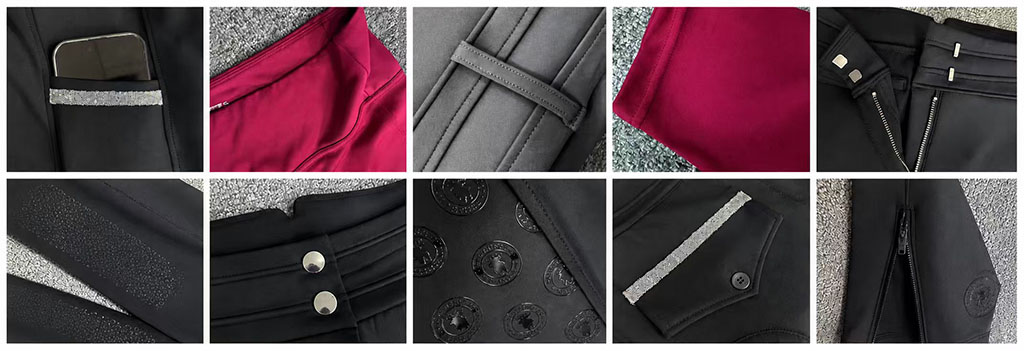
Chinese horse riding tights suppliers generally fall into three categories: specialized equestrian apparel manufacturers, general performance sportswear factories, and trading companies that coordinate production. Each can serve different purchasing needs, but they do not offer the same level of technical experience, factory control, or order flexibility. The right horse tights manufacturer should match your product complexity, purchasing volume, quality expectations, and long-term sourcing plans. Understanding these supplier differences can help you avoid choosing a company based on price or product photographs alone.
3.1 Specialized Equestrian Manufacturer vs General Sportswear Factory: Which Has More Relevant Production Experience?
A supplier’s experience should match how your product will actually be used.
A general sportswear factory may have excellent experience producing yoga leggings, compression tights, and running apparel. It may understand stretch fabrics, technical sewing, and fitted garment construction.
However, horse riding tights are worn under different conditions.
A rider spends long periods seated in the saddle, with repeated movement through the hips and knees. The garment also experiences friction around the seat, inner legs, and lower body.
A specialized horse tights manufacturer is more likely to recognize these requirements from previous equestrian production projects.
That experience can be valuable when evaluating garment fit, silicone grip positioning, seam placement, and consistency across different sizes.
Still, specialization should be demonstrated rather than assumed.
A company selling hundreds of equestrian products is not necessarily more technically capable than a smaller factory producing a limited range of well-developed riding tights.
What should buyers compare?
| Evaluation Area | Specialized Equestrian Manufacturer | General Sportswear Factory |
|---|---|---|
| Riding-specific product experience | May have direct experience with riding tights and breeches | May require additional equestrian product development |
| Stretch fabric knowledge | Focused on riding garment applications | Often experienced across several sportswear categories |
| Silicone grip applications | May have established equestrian constructions | Capability depends on previous projects and technical partners |
| Riding-position fit | May understand saddle-contact and riding movement requirements | Should demonstrate relevant samples and fit testing |
| Multi-category sportswear | May offer a narrower range | Often offers broader activewear options |
| Best buyer fit | Brands prioritizing equestrian product specialization | Brands combining riding apparel with general performance clothing |
For a premium equestrian collection, a horse tights manufacturer with documented riding apparel experience may be the stronger starting point.
For a brand expanding from activewear into equestrian clothing, a technically capable sportswear factory may also be suitable if it can demonstrate relevant product development and testing.
Ask for evidence, not just assurances.
Before shortlisting a supplier, request examples of completed riding tights with comparable construction.
Check whether the supplier can explain:
Differences between full-seat and knee-grip product requirements.
How riding-position fit is evaluated.
Which garment areas experience repeated friction.
How grip applications are checked for consistency.
Whether the factory has handled repeat orders for similar products.
An experienced horse tights manufacturer should be able to discuss these issues in practical terms without relying on generic claims such as “high quality” or “premium materials.”
3.2 Direct Factory vs Trading Company: How Can Buyers Identify the Actual Manufacturer?
Buying directly from a factory is not always better, but knowing who makes your garments is essential.
Some Chinese suppliers own and operate their manufacturing facilities. Others are trading companies that source products through partner factories.
Both business models can be legitimate.
A direct horse tights manufacturer may offer closer communication with production teams, easier access to technical information, and clearer responsibility for manufacturing decisions.
A trading company may provide advantages when buyers need several product categories, flexible supplier sourcing, or additional purchasing coordination.
The problem begins when a buyer assumes a supplier owns a factory without confirming the actual business relationship.
How can you check who manufactures your order?
Start with the supplier’s legal business information and the location where the garments will be produced.
Ask for the production facility’s registered name and address. If the contracting company and factory have different legal names, request an explanation of their relationship.
A reliable horse tights manufacturer or sourcing partner should be willing to provide enough information for a reasonable supplier assessment.
Useful verification questions include:
What is the legal name of the company receiving the purchase order?
Which facility will cut and sew the riding tights?
Is silicone printing performed internally or by an approved subcontractor?
Can the supplier arrange a live factory walkthrough or independent inspection?
Who approves material substitutions and production changes?
Which company is responsible if the finished goods fail inspection?
A factory video can support verification, but it should not be treated as conclusive proof of ownership or production responsibility.
Compare accountability, not just business labels.
Consider two suppliers offering the same riding tights specification.
Supplier A operates its own sewing facility but outsources silicone printing. Supplier B is a trading company that works with an experienced equestrian garment factory and maintains documented inspection procedures.
Supplier A is not automatically the safer choice simply because it owns sewing machines.
The more important questions are whether each supplier can control critical operations, provide reliable information, and resolve problems.
When evaluating a horse tights manufacturer, make sure the quotation, production agreement, quality requirements, and corrective-action responsibilities identify the parties involved.
Clear accountability matters more than an attractive factory presentation.
3.3 Small-Batch Specialists vs High-Volume Producers: Which Supplier Type Fits Your Purchasing Strategy?
The right production scale depends on where your brand is today and where you expect it to go.
A new equestrian label may want to launch two riding tights styles in a limited number of colors. An established retailer may need thousands of pieces across several collections, with regular replenishment.
These buyers should not necessarily choose the same supplier.
A small-batch horse tights manufacturer may offer more manageable purchasing quantities and closer attention to early-stage development.
A high-volume producer may provide advantages for established programs requiring consistent production scheduling and larger material purchases.
However, advertised factory capacity is only one part of the decision.
A factory producing large quantities of general activewear may have limited availability for specialized equestrian orders.
Match your supplier to your purchasing stage.
| Brand Stage | Typical Purchasing Priority | Supplier Characteristics to Evaluate |
|---|---|---|
| Startup launch | Manageable MOQ and controlled initial investment | Clear sample policies, realistic minimums, responsive communication |
| Growing equestrian brand | Product consistency and repeat-order support | Documented specifications, stable materials, reliable production planning |
| Premium technical brand | Specialized product performance | Relevant equestrian experience, technical testing, strong quality controls |
| Established wholesale buyer | Capacity and dependable replenishment | Production scheduling, material availability, delivery performance |
| Multi-category distributor | Broad product sourcing | Supply-chain coordination, transparent factory relationships, consolidated purchasing |
These categories are useful starting points rather than fixed rules.
A startup with a technically complex product may need a specialized supplier despite having a small order. A large retailer may prefer several qualified factories rather than depending on one production partner.
Think beyond the first purchase order.
Suppose your first collection sells well and you need a repeat order within a short selling season.
Can your supplier obtain the same fabric? Will the silicone grip match the approved version? Can the original measurements be maintained? Is there enough production capacity to support replenishment?
A dependable horse tights manufacturer should be able to explain how repeat orders are managed and which factors may affect future availability.
Before selecting a long-term partner, discuss expected annual purchasing volume, seasonal demand, and possible product expansion. Equestrian brands planning a wider clothing collection can explore Fineactive’s horse brands clothing manufacturing services as one specialized supplier option.
Choose a supplier that can grow with your business.
The best sourcing relationship should support both current purchasing requirements and realistic future plans.
A horse tights manufacturer that offers clear commercial terms, suitable technical capabilities, and reliable communication may provide better long-term value than a supplier selected only for its lowest initial quotation.
For equestrian brands, supplier selection is not simply about finding someone who can produce the first order. It is about building a purchasing relationship that remains dependable as product expectations, order quantities, and customer demand change.
4. How Can Buyers Compare the Manufacturing Capabilities of Different Horse Tights Suppliers?
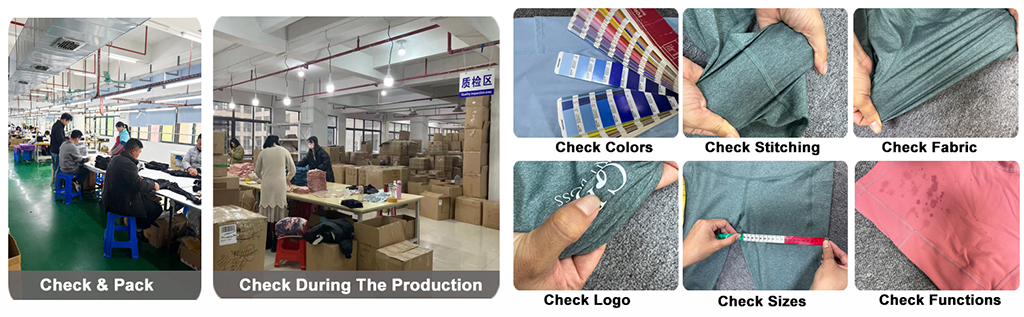
The best way to compare Chinese horse tights suppliers is to look beyond factory size, product photographs, and claims of premium quality. A capable horse tights manufacturer should demonstrate relevant riding apparel experience, consistent product performance, realistic production capacity, and clear responsibility for critical manufacturing operations. Buyers can make stronger sourcing decisions by comparing actual garment samples, test results, production records, and the supplier’s ability to explain how quality is maintained. These details reveal more about manufacturing reliability than an impressive product catalog alone.
4.1 Which Suppliers Demonstrate Proven Experience with Full-Seat Grip, Knee-Grip and Technical Riding Tights?
Product specialization should be supported by real manufacturing evidence.
Two suppliers may offer almost the same full-seat riding tights, but their technical experience may be very different.
One may regularly produce equestrian leggings with several silicone grip patterns, while another may manufacture general fitness leggings and outsource the grip application for occasional riding apparel orders.
Both arrangements can work, but they present different levels of production complexity and supplier coordination.
An experienced horse tights manufacturer should be able to show completed riding garments with construction details comparable to your intended products.
When reviewing samples, pay attention to how the grip interacts with the fabric rather than judging the appearance alone.
A full-seat grip pattern should remain appropriately flexible when the garment stretches. Knee-grip applications should follow the intended contact areas without creating uncomfortable stiffness around the knee.
The purpose is not to identify one universally superior grip design. Different riders, disciplines, and brand preferences may require different solutions.
Compare suppliers using the same product requirements.
| Manufacturing Capability | Evidence to Request | What It Helps You Evaluate |
|---|---|---|
| Full-seat silicone grip | Finished samples and grip durability records | Pattern consistency, flexibility, and suitability for the intended riding use |
| Knee-grip construction | Physical samples in relevant sizes | Placement accuracy and comfort during knee movement |
| Technical stretch fabrics | Fabric specifications and test reports | Stretch behavior, recovery, and material consistency |
| Riding-specific fit | Size-set samples and fitting feedback | Waist coverage, mobility, and sizing reliability |
| Repeat production | Previous order records or approved reference samples | Ability to maintain consistent construction between orders |
A horse tights manufacturer with relevant experience should be able to explain which product requirements it has already handled and which need further evaluation.
Do not confuse a successful sample with proven bulk production.
A carefully prepared sample can look excellent even when a supplier has limited experience producing the same construction at scale.
Ask whether the manufacturer has completed repeat orders for similar riding tights, how it checks grip placement during production, and what happens when a material or process changes.
A reliable horse tights manufacturer should provide a clear explanation of how the approved sample is used as a reference for production.
This is particularly important for premium equestrian brands, where small differences in fit, fabric feel, or grip performance may affect customer satisfaction.
4.2 What Evidence Shows a Manufacturer Can Meet Equestrian-Specific Fabric, Fit and Durability Requirements?
Technical performance should be measured, not simply described.
Terms such as “four-way stretch,” “high durability,” and “premium compression” are common in sportswear catalogs. However, these descriptions mean little without suitable material specifications or testing evidence.
For riding tights, buyers should consider whether the fabric maintains its shape, how it performs under repeated friction, and whether the finished garment remains comfortable in riding positions.
A professional horse tights manufacturer should be able to discuss these requirements using relevant test results, approved material specifications, and representative garments.
The most useful evidence depends on the intended product and sales market.
| Quality Requirement | Useful Evidence | Why It Matters |
|---|---|---|
| Abrasion resistance | Relevant abrasion test report, such as ISO 12947-2 | Helps evaluate fabric wear under repeated friction |
| Colorfastness to washing | Test results using an appropriate method, such as ISO 105-C06 | Helps assess color change and staining during washing |
| Colorfastness to rubbing | Relevant results, such as ISO 105-X12 | Helps evaluate potential color transfer |
| Stretch and recovery | Agreed fabric test method and measured results | Helps assess whether the garment maintains its intended fit |
| Dimensional stability | Washing and measurement records | Helps identify unwanted shrinkage or shape changes |
| Grip durability | Agreed adhesion and wash-durability assessment | Helps evaluate silicone grip consistency |
| Size consistency | Approved measurement chart and production inspection records | Helps reduce variation across sizes and production batches |
Test methods and acceptance limits should match the garment’s intended use. A test report for one fabric should not automatically be treated as proof of performance for another material.
The most important question is whether the evidence matches your order.
A supplier may provide a professional laboratory report, but buyers should check what was actually tested.
Was the report issued for the same fabric composition and construction? Does it identify the relevant material? Is the test date suitable for the current sourcing decision?
A horse tights manufacturer that provides clear, product-relevant documentation gives buyers a stronger basis for comparison than one relying only on general quality claims.
Fit consistency deserves as much attention as fabric performance.
A riding tight may pass several fabric tests and still disappoint customers because the waistband moves, the knee area feels restrictive, or the size grading is inconsistent.
This is why laboratory evidence should be considered alongside physical samples and practical fitting feedback.
When evaluating a horse tights manufacturer, request representative sizes rather than approving the entire range from one sample size alone.
For brands selling internationally, consistent sizing can be particularly important because customer expectations may differ between markets.
4.3 How Do Production Capacity, In-House Development Teams and Subcontracting Affect Supplier Reliability?
Large production figures do not always mean greater reliability.
A supplier may advertise monthly production of tens of thousands of garments, but that figure could include yoga wear, running shorts, jackets, and other products.
It does not necessarily show how many specialized riding tights the factory can produce within your required schedule.
A dependable horse tights manufacturer should be able to explain the capacity available for the proposed garment, not just its total company output.
For example, a factory with dedicated equestrian production resources may be better positioned to manage a technically demanding riding tights order than a larger general sportswear operation with limited experience in silicone-grip products.
However, dedicated production lines are not a guarantee of quality. Production records, staffing, inspection arrangements, and actual order performance still matter.
Understand which manufacturing operations are performed in-house.
Some suppliers handle cutting, sewing, and inspection internally while using external specialists for silicone printing, fabric finishing, or laboratory testing.
This is not automatically a weakness. Specialized subcontractors may have equipment or expertise that the garment factory does not maintain.
The key question is whether the horse tights manufacturer controls the relevant specifications, approval procedures, and quality responsibilities across these operations.
Before placing a significant order, ask:
Which facility will cut and sew the garments?
Who is responsible for silicone grip application?
Are critical materials sourced from approved suppliers?
How are subcontracted processes inspected?
Can the supplier identify production bottlenecks?
What happens if an external production partner causes a delay?
Who has authority to approve corrective action?
Production transparency is more valuable than an impressive capacity claim.
A supplier that gives realistic schedules, explains external production arrangements, and documents inspection responsibilities may be a safer purchasing choice than one promising unlimited capacity and unusually short delivery times.
The strongest horse tights manufacturer for your brand is the one that can demonstrate control over the processes affecting your product, communicate limitations early, and maintain consistent quality as order quantities change.
For overseas equestrian brands, manufacturing capability is not simply the ability to make a riding tight once. It is the ability to reproduce the approved garment reliably, at the required quantity, under agreed commercial and quality conditions.
5. How Do Prices, MOQ and Delivery Terms Compare Among Chinese Horse Tights Manufacturers?
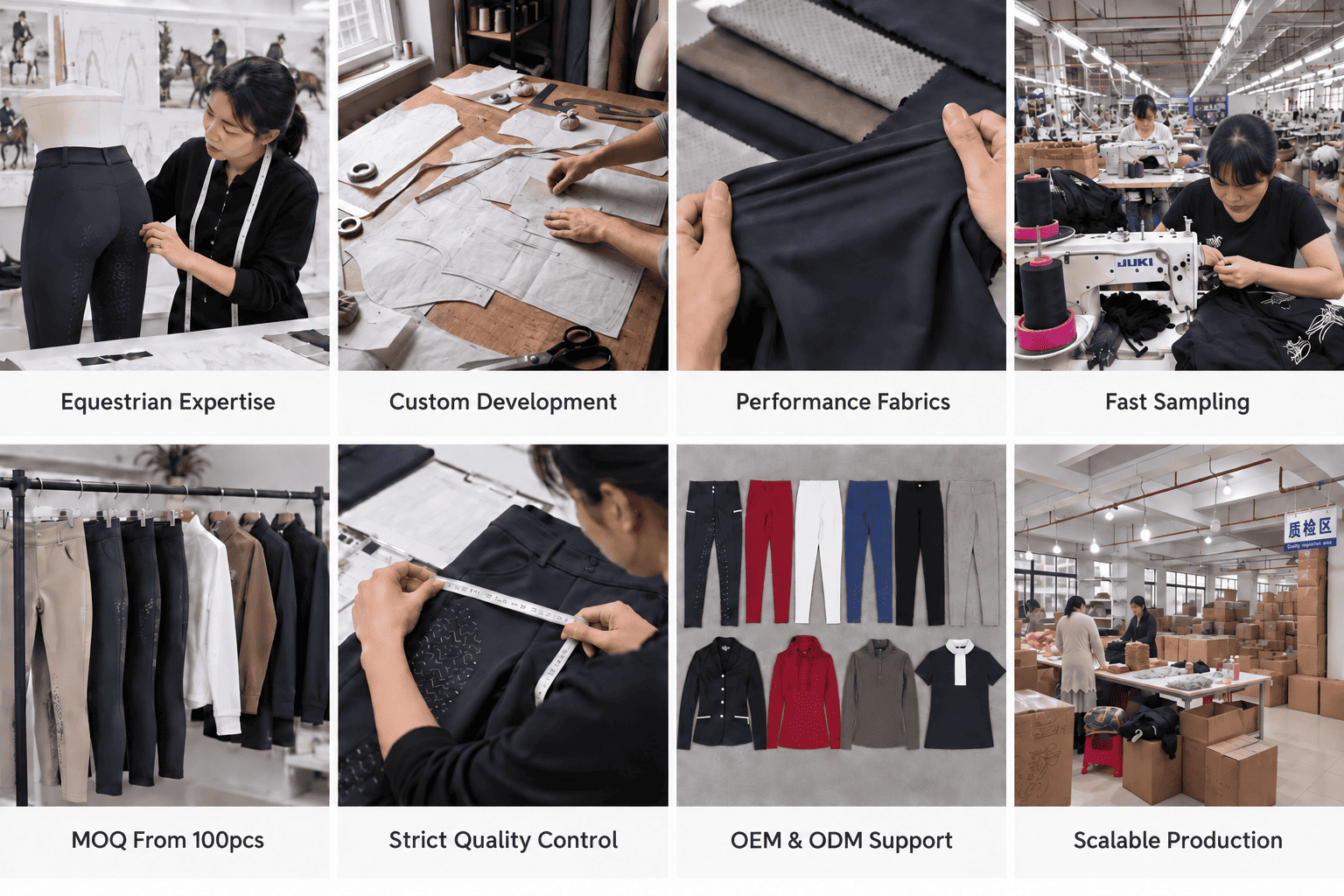
Prices, MOQ and delivery times may be different from one Chinese riding tights supplier to another, even when their products look similar. Some suppliers may quote a lower price, but the price may not include testing, special fabrics, packaging and other costs. A higher price may also come from different production arrangements. When choosing a horse tights manufacturer, buyers should not just look at the unit price. They should compare prices based on the same product specifications, check whether the MOQ is suitable for their orders, and calculate all costs needed to get the finished products delivered to their destination.
5.1 What Price Ranges Do Chinese Suppliers Quote for Comparable Horse Riding Tights Specifications?
Published prices are useful for initial screening, but they are not reliable indicators of final custom production costs.
Some Chinese suppliers display riding tights prices on B2B marketplaces or product catalogs. These figures can help buyers identify potential suppliers, but the listed products may differ in fabric, construction, grip coverage, order quantity, and commercial terms.
For example, a basic riding legging with a limited silicone knee-grip pattern is not directly comparable to a premium full-seat design using a different technical fabric and more extensive grip application.
A horse tights manufacturer quoting the lower price may simply be offering a less complex product.
The following figures illustrate price references previously advertised for selected riding tights products. They are not current verified quotations and should not be treated as prices for identical specifications.
| Supplier | Previously Advertised Unit Price | Listed MOQ Reference | Important Qualification |
|---|---|---|---|
| Shuyu Activewear | US$14.50–17.50 | 100 pcs | Product specifications and current terms require confirmation |
| Ope Equestrian | US$15.99–17.99 | 100 pcs | Confirm fabric, grip construction, and order conditions |
| RW Equestrian | US$14.00–16.00 | 100 pcs | Confirm product configuration and quotation validity |
| Bella Fitness | US$18.99–20.00 | 300 pcs | Confirm whether the listed product matches riding requirements |
| Arcadia-Sport | US$9.90–13.00 | 500 pcs | Confirm manufacturing arrangement and quoted specifications |
| Smile Saddlery | US$14.99–16.99 | 200 pcs | Confirm product details, production source, and current terms |
These historical listing references are not standardized or independently verified current offers. They should only be used to identify suppliers for further quotation requests.
What makes two riding tights quotations genuinely comparable?
Before comparing prices, buyers should make sure each supplier is quoting the same product requirements.
The comparison should include:
Fabric composition, weight, stretch characteristics, and required performance.
Full-seat grip, knee-grip, or other agreed construction.
Size range and quantity distribution.
Number of colors and minimum quantities per color.
Labels, hangtags, and retail packaging.
Product testing and inspection requirements.
Shipping terms, payment conditions, and quotation validity.
A professional horse tights manufacturer should identify any specification changes that affect its quotation rather than presenting a low price that cannot be maintained once the details are finalized.
The lowest price is not always the lowest purchasing cost.
Suppose Supplier A quotes US$13.50 per piece and Supplier B quotes US$15.00.
Supplier A may appear to offer a clear advantage. However, if its quotation excludes required testing, packaging, or additional handling charges, the difference may become much smaller.
Product inconsistency can also create expenses through inspection failures, rework, returns, and delayed retail launches.
For this reason, buyers should compare quotations using the same assumptions and record every meaningful exclusion.
5.2 Which Manufacturers Offer Suitable MOQ, Sample Policies and Production Lead Times for Different Order Sizes?
MOQ should be evaluated against your actual collection structure.
A supplier advertising a minimum order quantity of 100 pieces may mean 100 pieces per style, per color, or per fabric combination.
These differences matter when a brand plans several riding tights designs.
For example, a collection with three styles and four colors per style could require substantially more units than expected if the minimum applies separately to each style and color.
When discussing MOQ with a horse tights manufacturer, confirm exactly how the minimum is calculated.
Buyers should also distinguish between ready-to-ship products and custom manufacturing. A low minimum for an existing stock design does not necessarily apply to new patterns, exclusive fabrics, or customized colors.
How do different purchasing quantities affect supplier selection?
| Order Volume | Typical Buyer Situation | Main Commercial Considerations |
|---|---|---|
| Below 100 pcs per style | Market testing or stock purchasing | Ready-to-ship availability, limited customization, stock consistency |
| 100–300 pcs per style | Startup or small collection launch | MOQ per color, sampling charges, material availability |
| 300–1,000 pcs per style | Growing equestrian brand | Unit price, size distribution, repeat-order terms |
| 1,000–5,000 pcs per style | Established brand or wholesale program | Capacity allocation, production scheduling, material procurement |
| Above 5,000 pcs per style | Larger distribution or retail program | Production planning, delivery milestones, inspection and supply continuity |
These ranges describe purchasing scenarios rather than universal supplier minimums.
A horse tights manufacturer may accept a smaller order for an existing fabric and established construction while requiring a larger quantity for an exclusive material.
Sample policies should be compared alongside MOQ.
Sampling terms can differ even when two suppliers advertise the same minimum order quantity.
One company may charge a fixed development fee, while another may quote different charges depending on the number of revisions, sample types, or specialized materials.
Buyers should clarify which costs are included and whether any sampling charges are refundable against a bulk order.
The important comparison is not simply whether samples are free or paid. It is whether the sample policy is transparent and commercially reasonable for the project.
Compare complete lead times rather than isolated production figures.
A horse tights manufacturer may advertise a 25–35-day production period, but that estimate may begin only after sample approval, material confirmation, and deposit receipt.
Another supplier may quote a longer production period but have more predictable fabric availability or shipping arrangements.
To compare schedules fairly, request dates or estimated durations for:
Final product specification approval.
Material procurement.
Production commencement.
Bulk manufacturing completion.
Final inspection and shipment release.
Freight and arrival at the destination.
For seasonal equestrian collections, a dependable schedule is often more valuable than an optimistic production promise.
5.3 Factory Price vs Total Landed Cost: How Should Buyers Compare Freight, Duties, Testing and Quality Risks?
Total landed cost gives a more realistic picture of supplier value.
The factory quotation represents only part of what an importing brand may spend to receive goods.
Depending on the agreed Incoterms, shipment destination, and importing arrangements, additional expenses may include freight, insurance, import duties, customs clearance, inspections, and local delivery.
A horse tights manufacturer with a competitive factory price may become less attractive if the shipment requires expensive transportation or unexpected handling costs.
Conversely, a supplier with a slightly higher unit price may provide better overall value when its delivery arrangements and product consistency reduce other expenses.
Example: calculating the cost of a 1,000-piece riding tights order
The following is a hypothetical illustration, not a supplier quotation.
| Cost Component | Example Amount |
|---|---|
| Garments: 1,000 pcs × US$16.00 | US$16,000 |
| International freight and insurance | US$1,500 |
| Illustrative import duties and taxes | US$2,500 |
| Inspection and testing | US$600 |
| Customs clearance and local delivery | US$400 |
| Illustrative total | US$21,000 |
| Illustrative cost per piece | US$21.00 |
The example shows how a US$16.00 garment can become a US$21.00 landed unit under a particular set of assumptions.
Actual costs depend on the destination country, tariff classification, shipment method, Incoterms, and applicable taxes. Recoverable import taxes should be treated appropriately in the buyer’s own accounting rather than automatically counted as a permanent product cost.
Why do Incoterms matter?
A quotation marked EXW, FOB, or DDP may include different responsibilities and expenses.
For example, an FOB quotation normally places different delivery obligations on the seller than an EXW quotation, while DDP assigns additional import-related responsibilities to the seller under the applicable Incoterms rules.
Buyers should not compare these prices as though they cover identical services.
Before selecting a horse tights manufacturer, confirm the named place, the applicable version of the ICC Incoterms rules, included charges, and each party’s responsibilities for transport, insurance, customs procedures, and duties.
Quality risk also affects the real cost of purchasing.
A shipment that arrives on time but fails inspection may create significant additional expenses.
Potential consequences include:
Rework or replacement costs.
Additional inspection and testing.
Storage or handling charges.
Missed retail launch dates.
Customer returns and warranty claims.
Lost sales from unavailable stock.
These risks cannot always be converted into a precise cost before ordering, but they should influence supplier evaluation.
A reliable horse tights manufacturer should be assessed on its ability to deliver conforming products under agreed conditions, not simply on the lowest quoted price.
The strongest quotation is the one that remains competitive after every relevant cost is considered.
For a meaningful comparison, prepare a supplier cost sheet using identical product specifications, order quantities, delivery destinations, and commercial assumptions.
Then compare total expected purchasing costs, delivery reliability, quality evidence, and the financial impact of potential disruptions.
A good sourcing decision should protect both your product margin and your ability to serve customers consistently.
6. How Can Buyers Verify a Reliable Chinese Horse Tights Manufacturer Before Shortlisting?
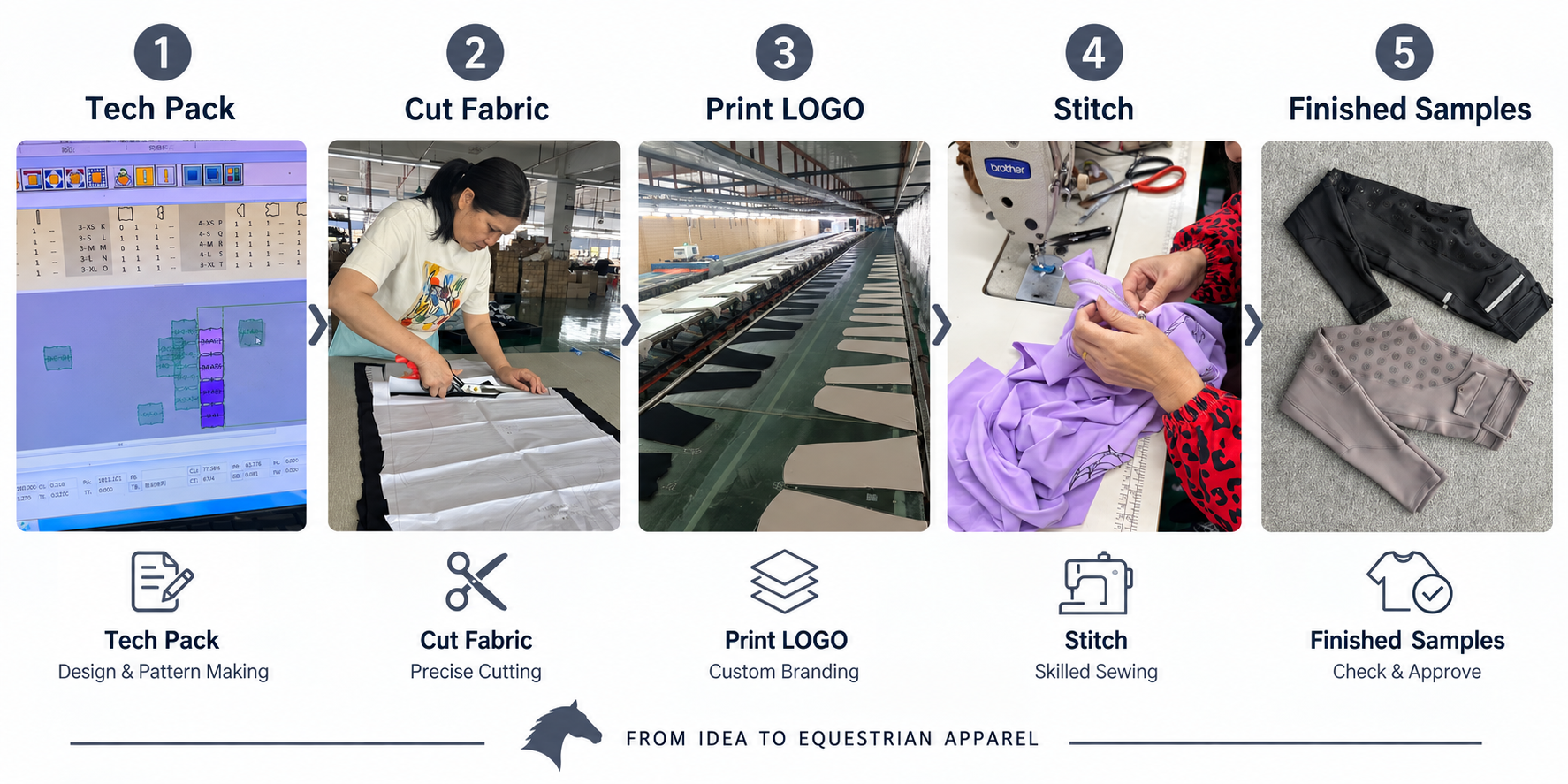
A reliable Chinese supplier should be able to demonstrate its legal business identity, explain where production takes place, provide relevant product quality evidence, and accept reasonable verification before a substantial purchase order. Choosing a horse tights manufacturer involves more than checking a website or reviewing attractive product photographs. Overseas buyers should confirm the company behind the quotation, the factory responsible for production, and the documents supporting its technical and commercial claims. A structured verification process helps reduce sourcing risks without making supplier selection unnecessarily complicated.
6.1 What Business Licenses, Factory Audit Records and Production Evidence Should Buyers Verify?
Start by confirming the legal identity of the supplier.
A professional website, a large product catalog, and a polished company presentation can create a positive first impression. However, none of these independently proves that a supplier owns a manufacturing facility or has the capacity it advertises.
Before shortlisting a horse tights manufacturer, request its Chinese business license and check that the legal company name matches the entity issuing the quotation or signing the purchase agreement.
For mainland Chinese companies, buyers can use the National Enterprise Credit Information Publicity System to check available business registration information.
The company’s registered name, Unified Social Credit Code, registration status, and address provide useful starting points for further verification.
An English trading name may differ from the registered Chinese company name. This is not necessarily suspicious, but the relationship should be explained clearly.
Verify the actual production location.
A registered office address is not always the same as a factory address.
Some suppliers operate their own facilities, while others work with manufacturing partners. Both arrangements can be legitimate, provided the production responsibilities are transparent.
When evaluating a horse tights manufacturer, ask where the garments will be cut, sewn, inspected, and packed.
Useful supporting evidence includes:
The legal name and address of the production facility.
Recent photographs or a live walkthrough showing relevant production areas.
Examples of riding tights currently or previously manufactured.
Information about sewing equipment and inspection arrangements.
An explanation of subcontracted processes.
Permission for an agreed independent factory assessment when appropriate.
A live factory walkthrough can help buyers assess the operation, but it should not replace documentary checks or an independent audit when the order risk justifies one.
Understand what factory audits actually prove.
Suppliers may refer to BSCI, SMETA, ISO 9001, or other audit and management-system programs.
These references should be checked carefully because they do not all evaluate the same things.
For example, amfori BSCI is a social compliance monitoring system, while SMETA is an ethical audit methodology. ISO 9001 relates to quality management systems.
None of these automatically certifies that a particular pair of riding tights meets its performance requirements.
A trustworthy horse tights manufacturer should be willing to identify the audited or certified facility, explain the scope of the document, and provide current evidence where disclosure is permitted.
| Verification Item | What Buyers Should Check | Why It Matters |
|---|---|---|
| Chinese business license | Legal name, registration status, company identifier | Confirms the identity of the contracting business |
| Factory address | Actual manufacturing location and operating entity | Helps establish who will produce the order |
| Factory audit | Facility covered, audit date, scope, and findings where available | Provides evidence about assessed operating conditions |
| ISO 9001 certificate | Validity, issuing certification body, and certified scope | Helps assess the documented quality management system |
| Production evidence | Relevant equipment, personnel, records, and sample garments | Supports claims about manufacturing capability |
| Subcontractor information | Critical outsourced operations and control arrangements | Clarifies production responsibilities |
The objective is not to collect as many certificates as possible, but to obtain evidence that addresses the actual risks of the proposed order. Buyers can also refer to the OECD Due Diligence Guidance for Responsible Supply Chains in the Garment and Footwear Sector for a broader framework on responsible supplier assessment.
6.2 Which Quality Reports, Product Test Results and Market Compliance Documents Matter Most?
Product testing and factory certification serve different purposes.
A factory may hold a valid management-system certificate while a particular fabric still fails a buyer’s required colorfastness or dimensional stability standard.
Likewise, a fabric test report does not establish that the entire manufacturing operation has been audited.
A qualified horse tights manufacturer should distinguish between factory-level documentation and product-specific evidence.
For riding tights, buyers may need reports addressing fabric performance, restricted substances, labeling, and other requirements relevant to the destination market.
The exact requirements depend on the garment, its materials, intended users, and where it will be sold.
Request test reports that match the actual product.
A laboratory report is most useful when the tested material or garment can be connected to the product being purchased.
For example, a report for a polyester-spandex fabric should not automatically be used to support a different fabric construction.
Similarly, testing an unprinted fabric does not necessarily establish the performance of a finished garment with silicone grip applications.
When reviewing evidence from a horse tights manufacturer, check the sample identification, test method, test date, results, and relevance to the current order.
Important areas may include:
| Requirement | Possible Supporting Evidence | Buyer Consideration |
|---|---|---|
| Fabric durability | Abrasion and pilling test reports | Does the evidence relate to the intended riding conditions? |
| Colorfastness | Washing and rubbing test results | Are the results suitable for the agreed product requirements? |
| Dimensional stability | Washing and measurement records | Will the garment maintain acceptable dimensions? |
| Grip performance | Agreed adhesion, stretch, and wash-durability testing | Does the silicone application remain suitable after use and care? |
| Chemical compliance | Relevant restricted-substance testing or material documentation | Does the product meet applicable destination-market requirements? |
| Fiber labeling | Accurate composition information and label review | Does the labeling satisfy the applicable market rules? |
Do not assume that every garment needs CE marking.
Ordinary equestrian riding tights are not automatically subject to CE marking merely because they are used for horse riding.
Whether CE marking is required depends on the applicable European Union product legislation and the product’s intended function.
A riding garment marketed with specific protective functions may require a different regulatory assessment from ordinary apparel.
For products sold in the European Union, buyers should also consider applicable requirements under REACH, textile fiber labeling rules, and the General Product Safety Regulation.
For the United States, relevant obligations may include textile labeling, care labeling, country-of-origin marking, and applicable flammability requirements.
A responsible horse tights manufacturer should cooperate with buyers in obtaining product information and relevant test evidence, but the importer or brand must also determine which legal requirements apply to its market.
Check the source and scope of certifications.
OEKO-TEX STANDARD 100, GRS, ISO 9001, and social audit programs address different aspects of materials, products, management, or supply-chain practices.
They should not be treated as interchangeable.
A supplier’s statement that its fabric is OEKO-TEX certified does not necessarily mean every finished garment it produces carries the same certification.
Similarly, a GRS claim should be checked against the relevant certification scope and transaction documentation when recycled-content claims are commercially important.
Before accepting a certification claim, verify the certificate holder, validity, product or facility scope, and relevant supporting records.
6.3 How Can Buyers Identify Red Flags in Supplier Claims, Sample Consistency and Delivery Commitments?
Supplier risk often becomes visible before the first purchase order.
Unclear answers, inconsistent company details, and unusually broad promises can indicate weaknesses in a supplier’s internal coordination or commercial transparency.
A dependable horse tights manufacturer should be able to answer reasonable questions about production arrangements, product specifications, delivery commitments, and quality responsibilities.
Buyers should be particularly cautious when a supplier refuses to identify the actual production facility or repeatedly changes important commercial conditions without explanation.
Common warning signs to investigate
| Warning Sign | Possible Concern | Recommended Buyer Action |
|---|---|---|
| Company names differ across documents without explanation | Unclear contracting or production entity | Confirm legal relationships before payment |
| Factory visit or independent inspection is repeatedly refused | Limited transparency | Request an explanation and consider alternatives |
| Certificates cannot be linked to the relevant facility | Unsupported certification claims | Verify certificate holder and scope |
| Extremely low prices with incomplete specifications | Hidden exclusions or unsuitable materials | Request a fully itemized quotation |
| Samples differ noticeably from approved requirements | Weak specification control | Resolve discrepancies before bulk approval |
| Production dates change without a clear reason | Capacity or material planning problems | Request a revised written schedule |
| Pressure for immediate payment without adequate documentation | Commercial or fraud risk | Verify payment details and contractual terms |
One warning sign does not always prove that a supplier is unreliable. However, repeated inconsistencies should influence the decision to proceed.
Compare the approved sample with the production commitment.
A sample should establish a reference for the product being purchased, but it is not a substitute for clear written specifications.
Before ordering, buyers should confirm which sample version has been approved and how its important characteristics are recorded.
When assessing a horse tights manufacturer, ask how the factory prevents unapproved changes to fabrics, grip applications, measurements, and trims.
If the supplier cannot explain how approved requirements are maintained, the risk of inconsistency may increase as order quantities grow.
Evaluate communication under realistic conditions.
Good supplier communication is not simply fast replies.
A manufacturer that asks relevant questions, identifies missing specifications, and explains realistic production limitations may be more dependable than one that immediately agrees to every request.
For example, if a requested delivery date is difficult because a specialized fabric is unavailable, a transparent supplier should explain the constraint and propose feasible options.
An experienced horse tights manufacturer should also provide clear responses when inspection findings, material changes, or production delays require decisions.
Make verification proportional to the order risk.
A small trial purchase may justify basic business checks, representative samples, and clear payment terms.
A large private-label order involving exclusive materials, tight seasonal deadlines, or significant upfront payments may justify a more extensive factory audit, product testing, and independent pre-shipment inspection.
The goal is to select a horse tights manufacturer whose claims can be supported by relevant evidence and whose commercial arrangements provide reasonable protection for your business.
Reliable sourcing begins with transparency. A supplier that can explain who makes the product, how critical requirements are checked, and who is accountable when problems occur is better positioned to earn long-term buyer confidence.
7. Which Chinese Horse Tights Manufacturer Is Right for Your Equestrian Brand? Final Supplier Selection Guide
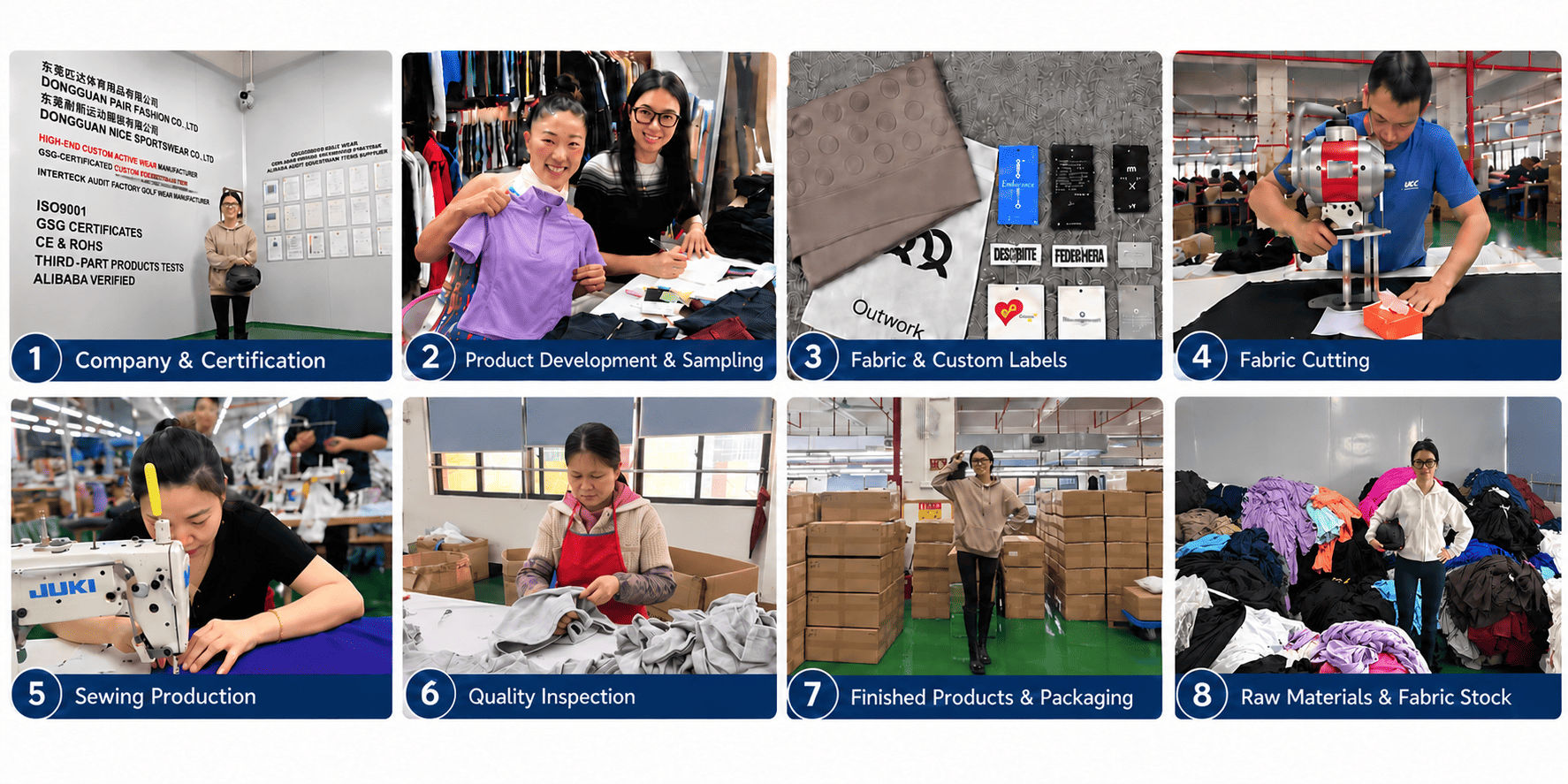
The right supplier depends on your brand’s product positioning, order volume, technical expectations, and long-term purchasing plans. A startup launching its first riding tights collection may prioritize manageable minimum quantities, while an established equestrian label may place greater value on consistent quality, dependable replenishment, and production capacity. Choosing a horse tights manufacturer should therefore be a structured purchasing decision rather than a choice based on the lowest quotation or the largest product catalog. A practical scorecard, comparable samples, and clear commercial terms can help identify the strongest supplier for your business.
7.1 How to Build a Weighted Supplier Scorecard for Quality, Cost, Capacity, Compliance and Communication?
A weighted scorecard makes supplier comparisons more objective.
After reviewing several manufacturers, buyers often face a familiar problem: one supplier offers a competitive price, another provides stronger technical samples, and a third promises better delivery flexibility.
Without a consistent evaluation method, the final decision can become overly influenced by the most recent quotation or the most persuasive sales representative.
A structured scorecard allows buyers to compare each horse tights manufacturer against the same purchasing priorities.
The weighting should reflect the brand’s actual business needs. A premium equestrian label may give greater importance to technical performance, while a large-volume distributor may place more emphasis on supply continuity and total purchasing cost.
The following scorecard provides a practical starting point.
| Evaluation Category | Suggested Weight | What Buyers Should Evaluate |
|---|---|---|
| Product quality and technical capability | 30% | Riding-specific experience, sample quality, fabric performance, grip consistency, and sizing |
| Production capacity and delivery reliability | 20% | Available capacity, realistic lead times, production planning, and repeat-order performance |
| Total purchasing cost | 20% | Comparable quotations, freight, duties, testing, inspection, and potential quality-related expenses |
| MOQ and sampling suitability | 15% | Minimum quantities, sample terms, development flexibility, and suitability for the brand’s order size |
| Compliance, communication, and accountability | 15% | Business verification, relevant documentation, responsiveness, and responsibility for production issues |
| Total | 100% |
How should the scoring work?
Give each supplier a score from 1 to 5 for every category:
1 — Poor: Major concerns or insufficient supporting evidence.
2 — Below expectations: Several important requirements remain unresolved.
3 — Acceptable: Meets basic purchasing requirements.
4 — Strong: Demonstrates good capability with relevant supporting evidence.
5 — Excellent: Provides convincing evidence and closely matches the buyer’s priorities.
Multiply each score by its category weight, then add the results.
For example, if a supplier receives scores of 4 for technical quality, 3 for delivery, 4 for cost, 5 for MOQ, and 4 for compliance and communication, its weighted result would be:
(4 × 30%) + (3 × 20%) + (4 × 20%) + (5 × 15%) + (4 × 15%) = 3.95 out of 5.
This example illustrates the calculation and does not represent an actual supplier assessment.
A horse tights manufacturer with the highest score is not automatically the correct choice if it fails a critical requirement, such as an essential compliance condition or a non-negotiable delivery deadline.
For this reason, buyers should establish mandatory requirements before calculating the final ranking.
7.2 Which Manufacturers Best Match Different Brand Budgets, Order Volumes and Sourcing Priorities?
Different equestrian businesses need different supplier relationships.
A small direct-to-consumer riding apparel brand may need flexibility while testing demand. A premium competition wear label may prioritize specialized product knowledge. An established distributor may require reliable replenishment across multiple product categories.
No single horse tights manufacturer is automatically the best option for all three.
Based on their publicly described product ranges and purchasing arrangements, the ten suppliers in this guide can be considered for different sourcing scenarios.
| Buyer Profile | Suppliers Worth Evaluating | Main Reason to Consider Them | Key Verification Priority |
|---|---|---|---|
| Startup equestrian brand | Fineactive, Kala Apparel, Shuyu Activewear | Published smaller-order options or relevant apparel ranges | Actual custom MOQ, sample terms, and product suitability |
| Specialized equestrian clothing brand | Fineactive, Ope Equestrian, RW Equestrian, EW Equestrian | Riding apparel and equestrian product focus | Technical samples, factory capabilities, and repeat-order consistency |
| Activewear brand entering equestrian clothing | SGL Sports, Shuyu Activewear, Bella Fitness | Broader technical sportswear experience | Riding-specific fit and grip performance |
| Established wholesale importer | SGL Sports, Arcadia-Sport, Smile Saddlery | Broader sourcing or apparel supply arrangements | Available capacity, production responsibility, and commercial terms |
| Multi-category equestrian distributor | Ope Equestrian, Smile Saddlery, RW Equestrian | Wider equestrian product assortments | Which products are manufactured directly and which are externally sourced |
These are preliminary supplier-matching suggestions, not verified rankings of manufacturing quality, pricing, or delivery performance.
For startup brands: prioritize manageable purchasing risk.
A startup should consider whether its first order quantity is commercially realistic, whether the supplier understands the intended product category, and whether the brand can afford the total cost of bringing the collection to market.
A horse tights manufacturer offering a suitable minimum quantity may be more valuable than a larger factory quoting a lower unit price but requiring substantially more inventory.
However, buyers should not assume that a low MOQ for ready-made products also applies to fully customized garments.
For premium equestrian brands: prioritize product evidence.
Brands competing on riding comfort, fit, and technical performance should evaluate manufacturers with relevant equestrian apparel experience.
The decision should be supported by physical samples, applicable test evidence, and a clear understanding of the actual production arrangements.
A horse tights manufacturer with a specialized product catalog may be a useful candidate, but buyers should still confirm that its manufacturing capabilities match the proposed garment.
For established wholesale buyers: prioritize continuity.
Large importers and retailers need more than a successful first shipment.
They should evaluate production scheduling, material availability, delivery consistency, and the supplier’s ability to support replenishment.
A horse tights manufacturer that communicates realistic capacity and maintains clear production records may be better suited to a long-term wholesale program than one offering aggressive delivery promises without supporting evidence.
For multi-category brands: consider supplier coordination.
A business purchasing riding tights, competition shirts, jackets, and other equestrian products may benefit from working with suppliers offering several related categories.
However, purchasing multiple categories through one company does not necessarily mean all products are made in the same facility.
Buyers should confirm manufacturing responsibility for each important product group.
7.3 What Are the Final Questions Buyers Should Ask Before Selecting a Long-Term Manufacturing Partner?
The final supplier discussion should resolve outstanding commercial and operational risks.
By the time a buyer reaches the final shortlist, the suppliers should already have provided enough information to establish their product relevance and basic business credibility.
The remaining questions should focus on the specific order, not general marketing claims.
Before selecting a horse tights manufacturer, ask the following questions and request written answers where appropriate.
1. Who will actually manufacture the garments?
Confirm the legal contracting entity, actual production facility, and responsibility for any subcontracted operations.
2. Can you provide comparable product samples?
Ask for riding tights that demonstrate the relevant fabric, grip construction, sizing, and overall garment quality.
3. What exactly is included in the quotation?
Confirm product specifications, labels, packaging, testing, inspection arrangements, delivery terms, and any separately chargeable items.
4. How is the minimum order quantity calculated?
Clarify whether MOQ applies per style, color, fabric, or another production combination.
5. What is the realistic order timeline?
Confirm the expected schedule for approvals, material availability, manufacturing, inspection, and shipment.
6. Which quality requirements will be documented?
Agree on the relevant product specifications, acceptance criteria, inspection arrangements, and responsibilities if nonconforming goods are found.
7. Can the supplier provide relevant business and compliance documents?
Check the legal company identity, actual factory, and product or facility documentation applicable to the proposed order.
8. How will changes be managed after approval?
Ask how material substitutions, specification changes, and revised delivery commitments are communicated and authorized.
9. What happens if an inspection identifies defects?
Confirm the process for reporting problems, investigating causes, implementing corrections, and deciding whether goods can be shipped.
10. Can the supplier support future replenishment?
Discuss material continuity, repeat-order records, available capacity, and realistic production planning for future seasons.
A dependable horse tights manufacturer should be able to provide clear answers without making unrealistic promises.
Make the final decision using evidence, not assumptions.
The most suitable manufacturing partner is the company that meets your essential requirements, provides acceptable product samples, offers commercially workable terms, and demonstrates reasonable control over production quality and delivery.
A lower quotation should not outweigh serious concerns about factory identity, product consistency, or contractual responsibility.
Likewise, an impressive company presentation should not replace actual manufacturing evidence.
For brands evaluating a specialized equestrian apparel supplier, Fineactive’s private label and OEM horse tights manufacturing services provide additional information about its product focus and manufacturing offering.
Buyers who have included Fineactive on their shortlist can visit the Fineactive official website to review its broader equestrian apparel range and company information before making further supplier enquiries.
Final takeaway
China offers a wide selection of potential equestrian apparel suppliers, but the strongest purchasing decision comes from comparing manufacturers against your own business requirements.
Start with a manageable shortlist, request comparable evidence, evaluate total purchasing costs, and confirm production responsibilities before committing to a substantial order.
The right horse tights manufacturer is not simply the one that promises the lowest price or fastest delivery. It is the supplier that can meet your product requirements consistently, communicate clearly, and support your brand as its purchasing needs develop.
Frequently Asked Questions About Horse Riding Clothing Manufacturers in China
1. How do I choose the best horse tights manufacturer in China for my equestrian brand?
The best horse tights manufacturer in China is one that matches your brand’s product requirements, purchasing volume, quality expectations, and long-term sourcing plans, rather than simply offering the lowest price or the largest product catalog. Start by comparing suppliers with relevant equestrian apparel experience, then review physical samples, production capabilities, and documented quality standards. Ask for quotations based on identical specifications to ensure a fair comparison. Before making a final decision, verify the actual manufacturing facility, commercial terms, and ability to maintain consistent product quality across repeat orders.
2. What is the difference between a specialized equestrian manufacturer and a general sportswear factory?
A specialized horse tights manufacturer typically has more direct experience with riding-specific requirements, including saddle-contact comfort, full-seat or knee-grip construction, and fit during riding movements, while a general sportswear factory may offer broader expertise in stretch fabrics and performance apparel. Both can be suitable depending on your brand’s needs. The important difference is whether the supplier can demonstrate relevant production experience through finished garments, representative samples, and quality records. Premium equestrian brands should prioritize verified technical capability over general sportswear manufacturing claims.
3. What is the typical MOQ when sourcing horse riding tights from Chinese manufacturers?
The minimum order quantity for a Chinese horse tights manufacturer varies by supplier, product construction, fabric availability, and customization requirements, with selected public listings showing starting quantities around 100–300 pieces and some ready-to-ship products available in smaller quantities. These figures are not universal factory minimums. Some suppliers calculate MOQ per style and color, which can significantly affect a multi-color collection. Before comparing quotations, confirm whether the minimum applies to custom production or existing stock, and ask about sample charges, size breakdowns, and repeat-order conditions.
4. How much do horse riding tights cost when purchasing directly from Chinese manufacturers?
Prices from a Chinese horse tights manufacturer depend on fabric specifications, silicone grip coverage, order quantity, construction complexity, and commercial terms, so advertised unit prices should not be treated as directly comparable quotations. Selected historical supplier listings have shown prices ranging from approximately US$10 to US$20 per piece, but these figures are not verified current offers or prices for identical products. For accurate budgeting, request quotations using the same technical requirements and calculate freight, duties, testing, inspection, and other relevant costs before comparing total purchasing value.
5. How can I verify whether a Chinese horse tights manufacturer is reliable?
To verify a Chinese horse tights manufacturer, confirm its registered business identity, actual production facility, relevant manufacturing experience, and ability to provide product-specific quality evidence before placing a substantial order. Request the Chinese business license, clarify whether production is performed in-house or subcontracted, and review applicable factory audits or test reports. Check that certificates relate to the correct company, facility, or product. For larger orders, consider an independent factory assessment and pre-shipment inspection. Transparent communication and consistent documentation are stronger indicators of reliability than promotional claims alone.
6. Which Chinese horse tights manufacturer is best for startups, premium brands, and wholesale buyers?
The most suitable horse tights manufacturer depends on your purchasing stage: startups generally need manageable minimum quantities, premium equestrian brands need proven riding-specific capabilities, and established wholesale buyers require dependable production capacity and replenishment support. Fineactive, Kala Apparel, and Shuyu Activewear are potential candidates for smaller or developing collections, subject to current order terms. Fineactive, Ope Equestrian, and RW Equestrian may be relevant to specialized equestrian apparel buyers. Larger importers can also evaluate SGL Sports and Arcadia-Sport. These are preliminary sourcing options, not independently verified quality rankings.
Get In Touch
Contact our OEM/ODM specialists for product development, sampling, pricing, and production support.