OEM/ODM Equestrian Apparel Manufacturer | Custom Riding Wear | Private Label | Low MOQ
Horse Riding Brands Clothing Manufacturer
Build your equestrian collection with Fineactive, your horse riding brands clothing manufacturer, offering custom fit, technical fabrics and branded details, from sample development through to approved bulk production.
✓ Low MOQ
✓ OEM & ODM
✓ Fast Sampling
✓ Bulk Production
Custom Equestrian Clothing Built Around Your Brand
Your equestrian collection needs products that fit your target riders, sales position and seasonal use. Fineactive translates those requirements into a defined apparel development brief, helping you establish which styles to move forward into sampling and production.
Our custom equestrian clothing manufacturing covers riding breeches, riding tights, show shirts, competition jackets, technical tops, outerwear and vests for equestrian brands. Projects can begin with one priority product or a coordinated collection built around shared colours, fit direction and brand details.
Start with your customers’ riding routines. A daily training range may need riding tights with phone pockets and tops that layer comfortably. A competition range may place greater emphasis on white breeches coverage, shirt collar construction and movement beneath a jacket. A winter collection requires a different balance of warmth and mobility.
| Your collection plan | What we define together |
|---|---|
| Launch your first range | Core styles, target riders and supporting pieces |
| Extend an established line | Compatibility with existing fits, colours and price positioning |
| Develop club apparel | Coordinated garments, team identity and wearer groups |
| Add seasonal products | Climate needs, layering and intended launch window |
Women’s, men’s, youth and plus-size products should be developed around their intended wearers. A shared collection name does not mean every garment should use the same proportions or construction.
Bring the features you want to retain and the problems you want to solve. Reference garments, customer feedback and product images help establish the brief. Identify which reference details should stay and which should change.
Send your planned product list and target market. We will review the development scope, identify open decisions and help you prepare the specifications needed for the next stage.
Our core product categories include:
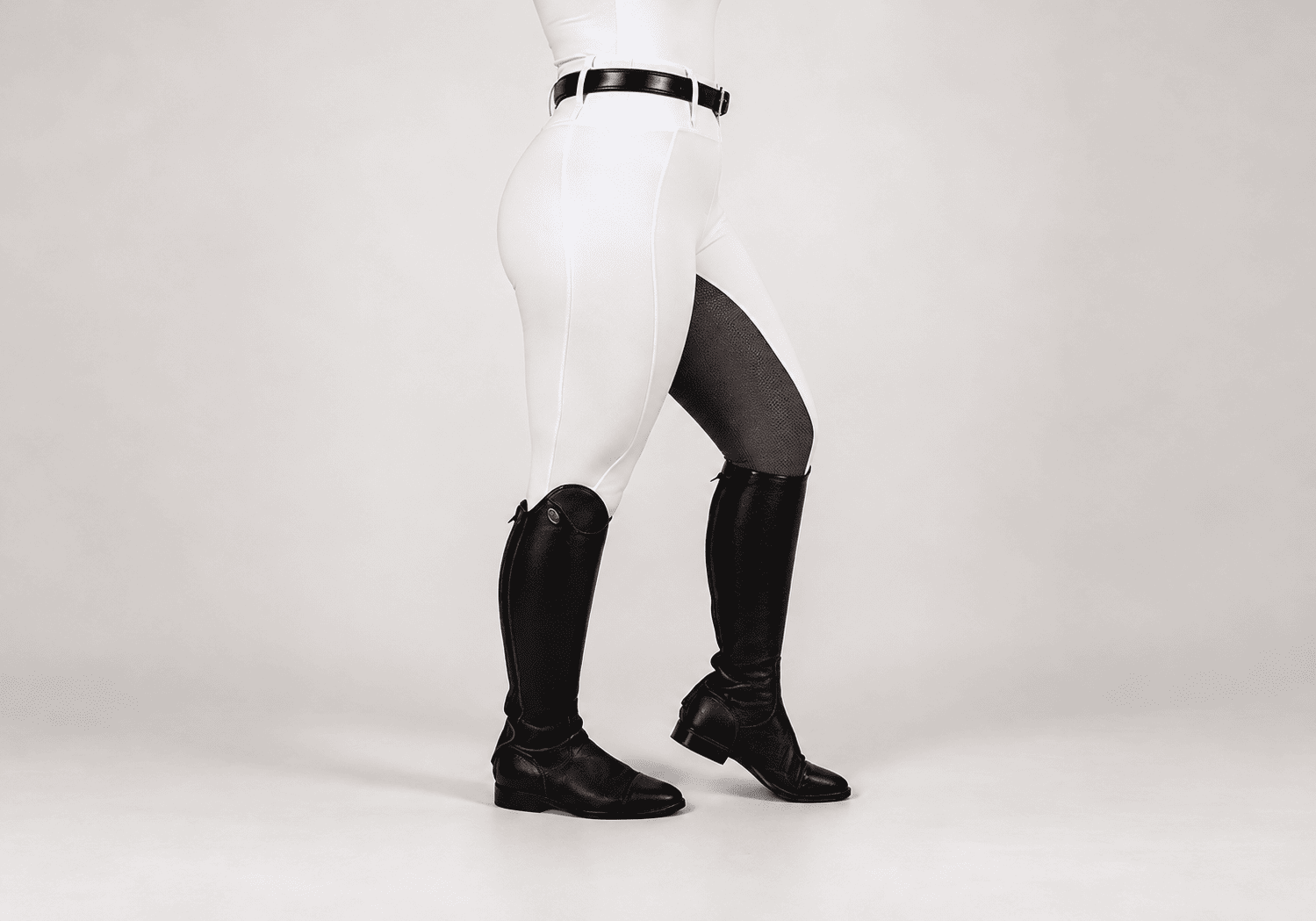
Riding Breeches
Full seat grip, knee grip, competition breeches
Dressage, show jumping, training
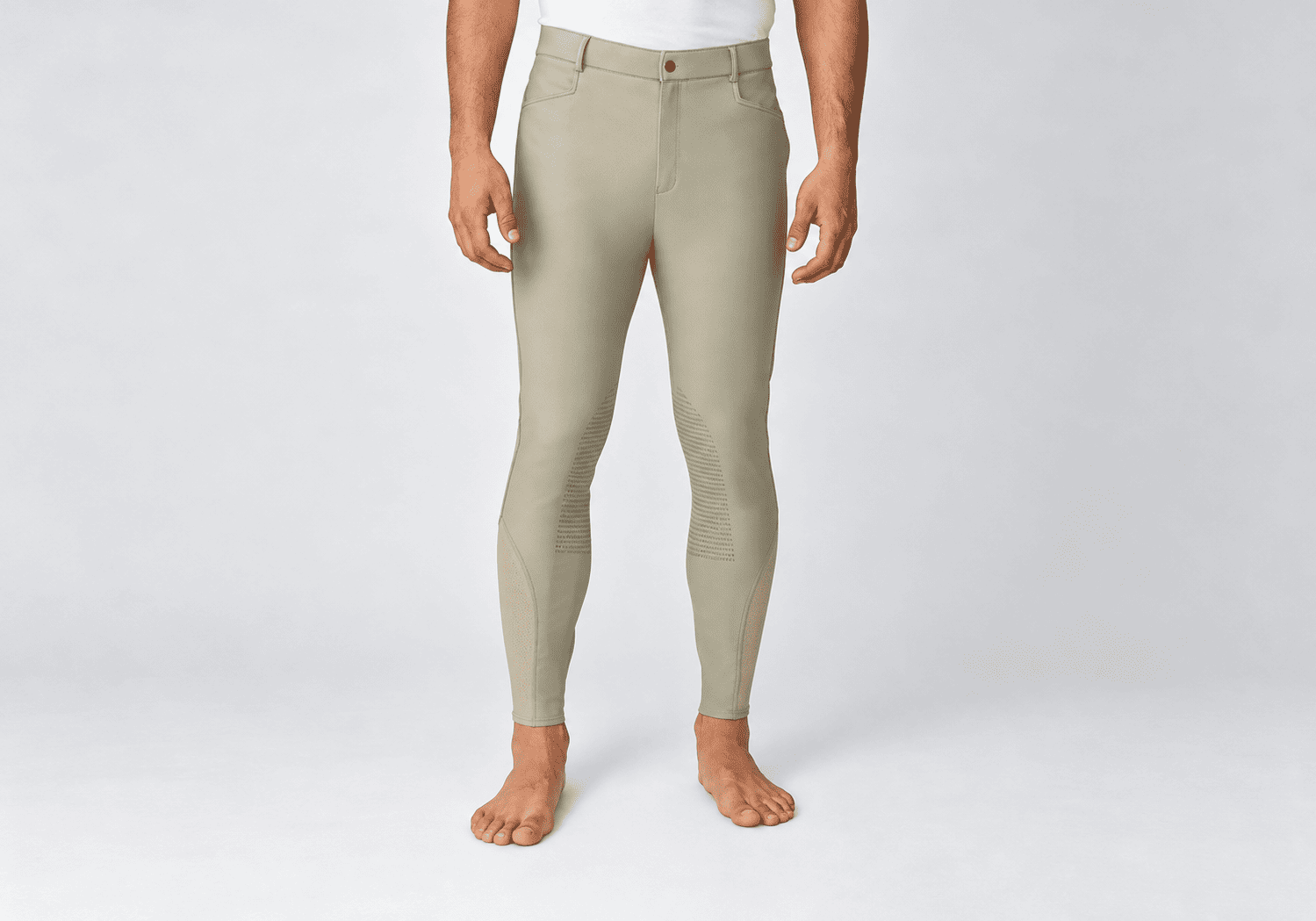
Riding Tights & Leggings
High-waisted, pocket, thermal styles
Daily training, recreational riding
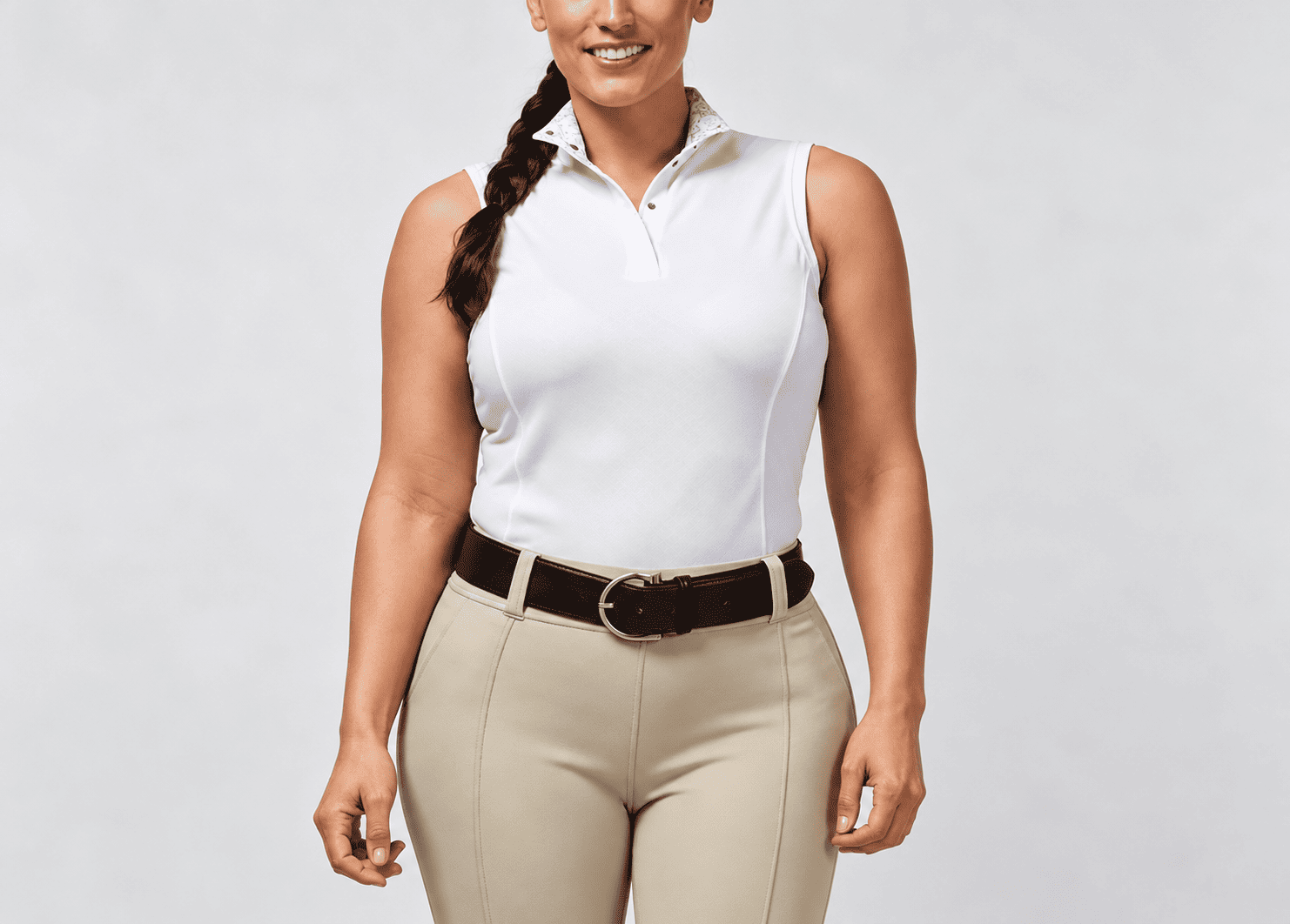
Show Shirts
Long-sleeve, short-sleeve, stand-collar styles
Competition, show collections
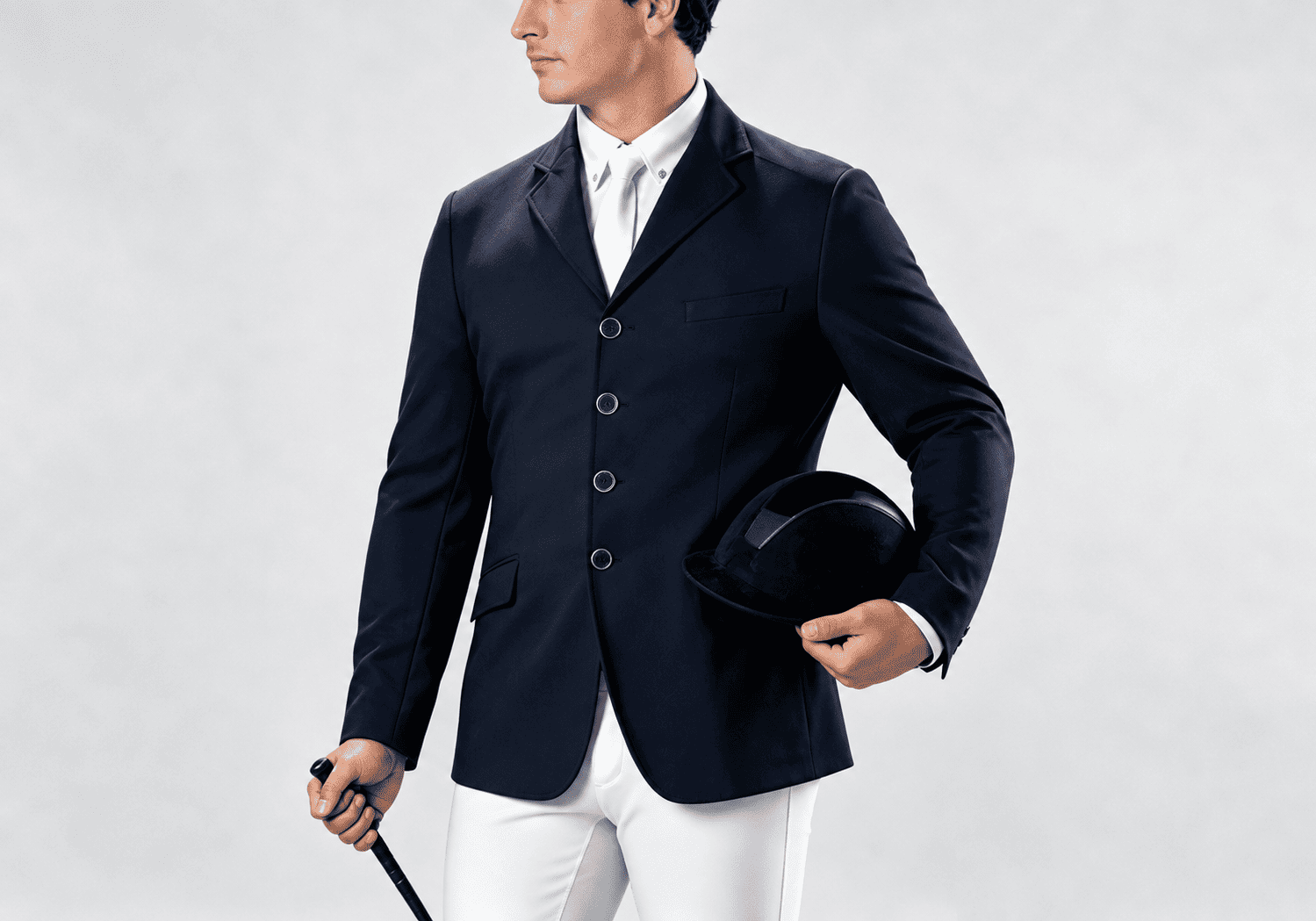
Competition Jackets
Stretch show jackets, dressage coats
Dressage, show jumping

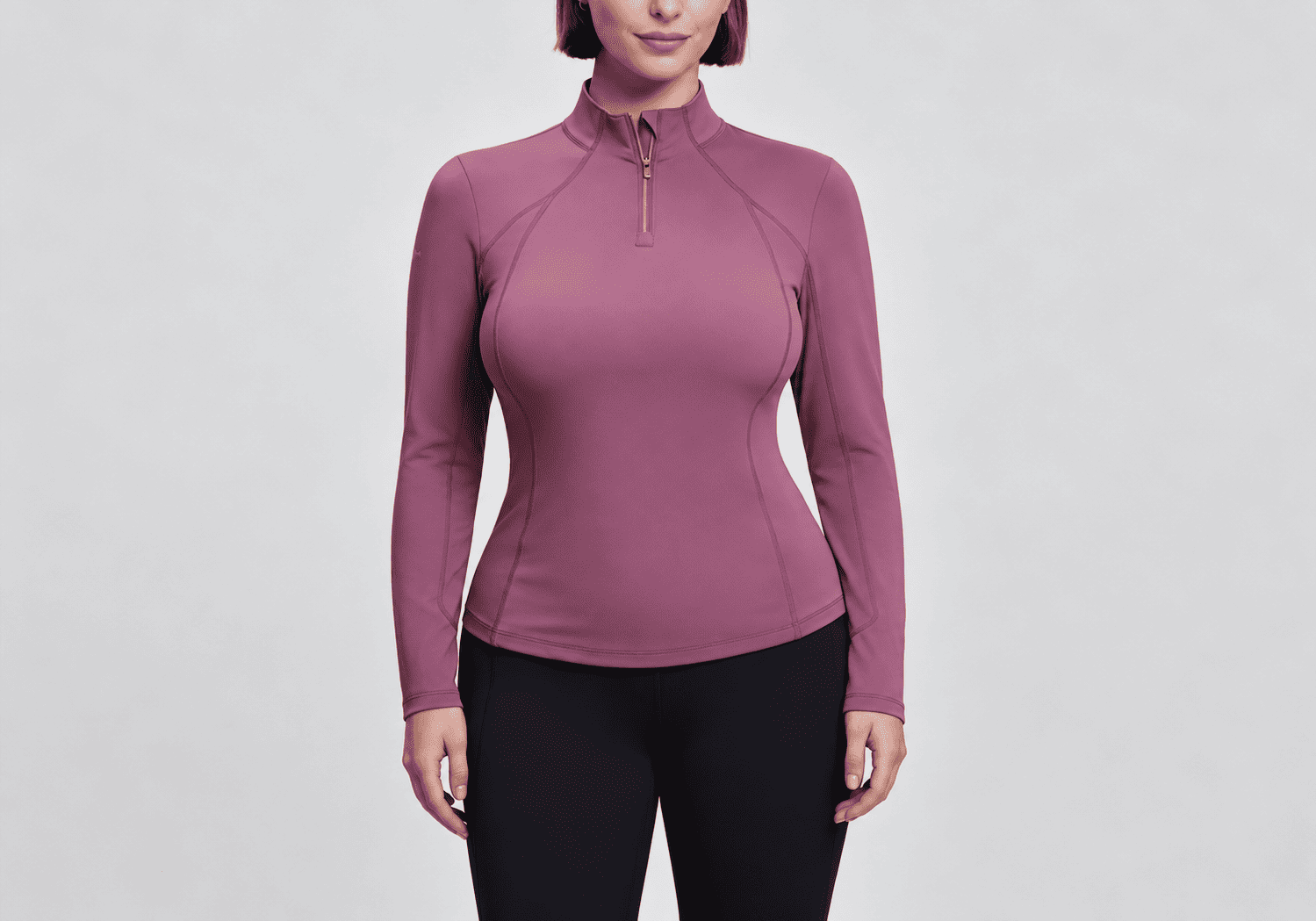
Technical Riding Tops
Base layers, half-zip, UV-protective tops
Training, warm-weather riding
Equestrian Outerwear & Vests
Softshell, wind-resistant, water-repellent styles
Outdoor riding, seasonal collections
Plan Your Order: MOQ, Sampling & Production Lead Times
Before committing to a collection, check that the order structure and timing suit your launch plan. Fineactive’s standard terms help you plan initial quantities, schedule approvals and identify the information still needed for quotation and production booking.
Our standard MOQ is 100 pieces per style per colour. Within one approved style and colour, sizes can be allocated according to the agreed breakdown. Different styles or colours are assessed separately and do not automatically combine to meet the minimum.
| Purchasing detail | Fineactive’s standard terms |
|---|---|
| Minimum order | 100 pieces per style per colour |
| Size breakdown | Agreed within each style and colour |
| Sample development | 7–15 working days after essential design, material and technical details are confirmed |
| Bulk production | 25–35 working days after PP approval, order confirmation, required deposit and material readiness |
| Cooperation models | OEM, ODM, private label and standalone sample development |
| Special development | Custom fabrics, special trims and complex processes assessed separately |
For example, one breeches style in two colours requires 100 pieces in each colour: 200 pieces overall. Sizes within each colour can be distributed around your customers’ requirements.
Lead times depend on approval conditions. Sample revisions, custom material development, special processes, holidays and delayed decisions can affect the schedule. International transport is arranged separately from the bulk-production period.
Learn more about Fineactive and the manufacturing team behind your project; our factory resource records list seven production lines, including three equestrian lines, supported by sampling and quality-control teams. Available capacity for your order is checked against the current production schedule.
Send quantities by style and colour, required sizes, development references and your target arrival date. We will review the order structure, material constraints and timing before confirming a workable proposal.
We offer three manufacturing services to support different product development needs:
OEM Manufacturing
Produce your designs using approved Tech Packs, size specifications, selected fabrics, and construction requirements.
ODM Development
Develop original apparel concepts through pattern making, fabric selection, functional detailing, and sample refinement.
Private Label Manufacturing
Customize approved designs with your brand colors, logos, labels, trims, and retail packaging.
Specify Your Fabrics, Colours & Riding Performance Requirements
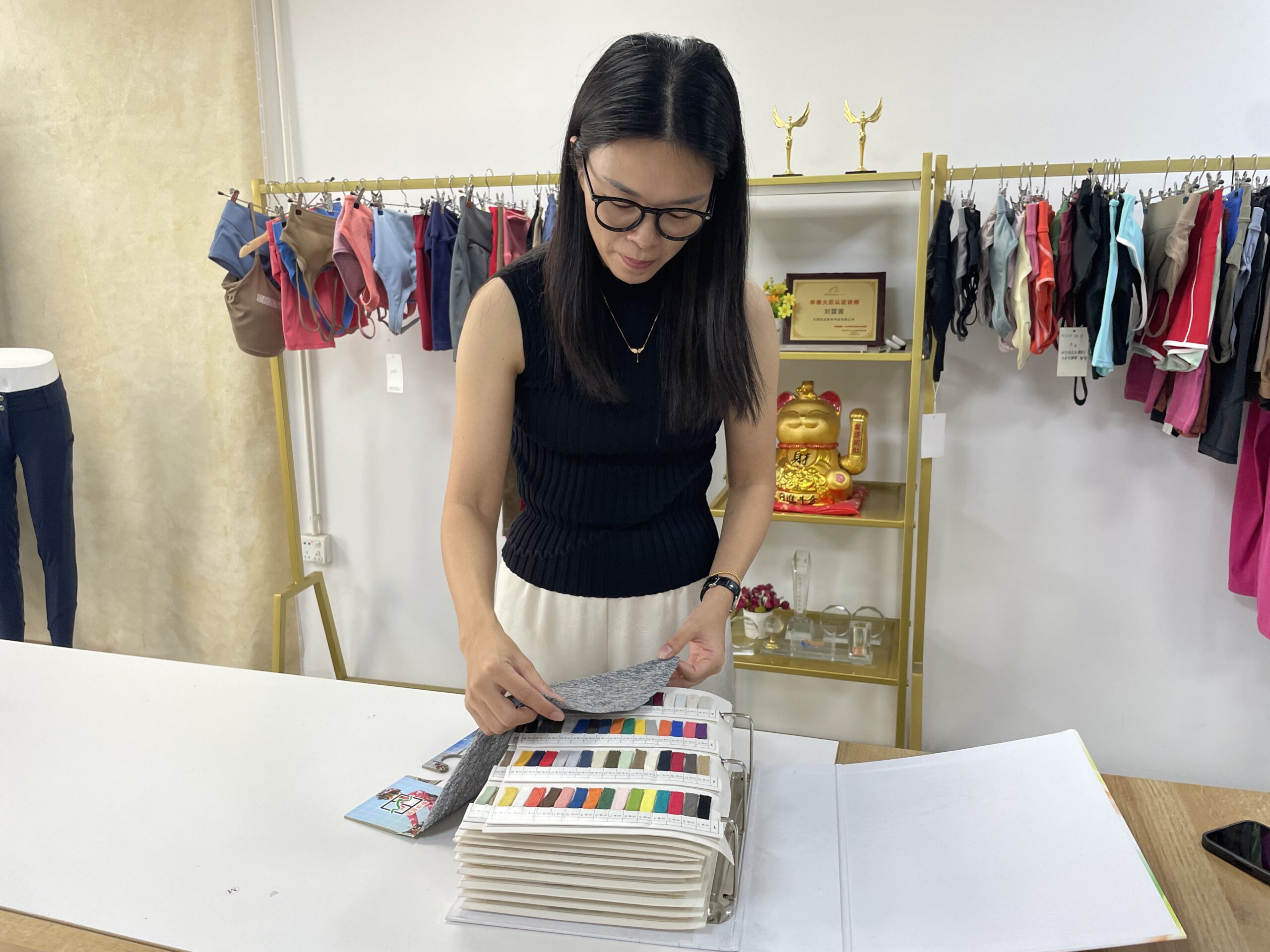
The right fabric should balance rider comfort, garment construction and your target retail price. Fineactive helps you compare suitable materials and define colour and performance requirements, giving your team concrete criteria for sample approval rather than relying on fabric descriptions alone.
Start with where and how the garment will be worn. Hot-weather training, everyday stable work and winter riding place different demands on materials. Even fabrics with identical fibre compositions can perform differently because of their construction, weight, finishing and stretch recovery.
Options include nylon–elastane, polyester–elastane, interlock knits, four-way stretch wovens, mesh, brushed knits, fleece and softshell. We assess suitability against your product brief before narrowing the selection.
| Product application | Fabric priorities to assess |
|---|---|
| Riding tights | Stretch recovery, opacity under tension and surface abrasion |
| Competition breeches | Coverage, shape retention and appearance after washing |
| Summer training tops | Airflow, moisture handling and next-to-skin comfort |
| Winter riding apparel | Warmth, layering bulk and freedom of movement |
| Weather-resistant outerwear | Wind resistance, water protection and seam construction |
Performance choices involve trade-offs. A denser fabric may improve coverage but feel warmer. A soft brushed surface may require closer pilling assessment. A water-repellent finish alone does not establish that a finished garment is waterproof.
For colour development, provide a Pantone reference or physical standard. Approve colours through the agreed process and check coordination between fabrics, silicone grip, zippers and branded trims.
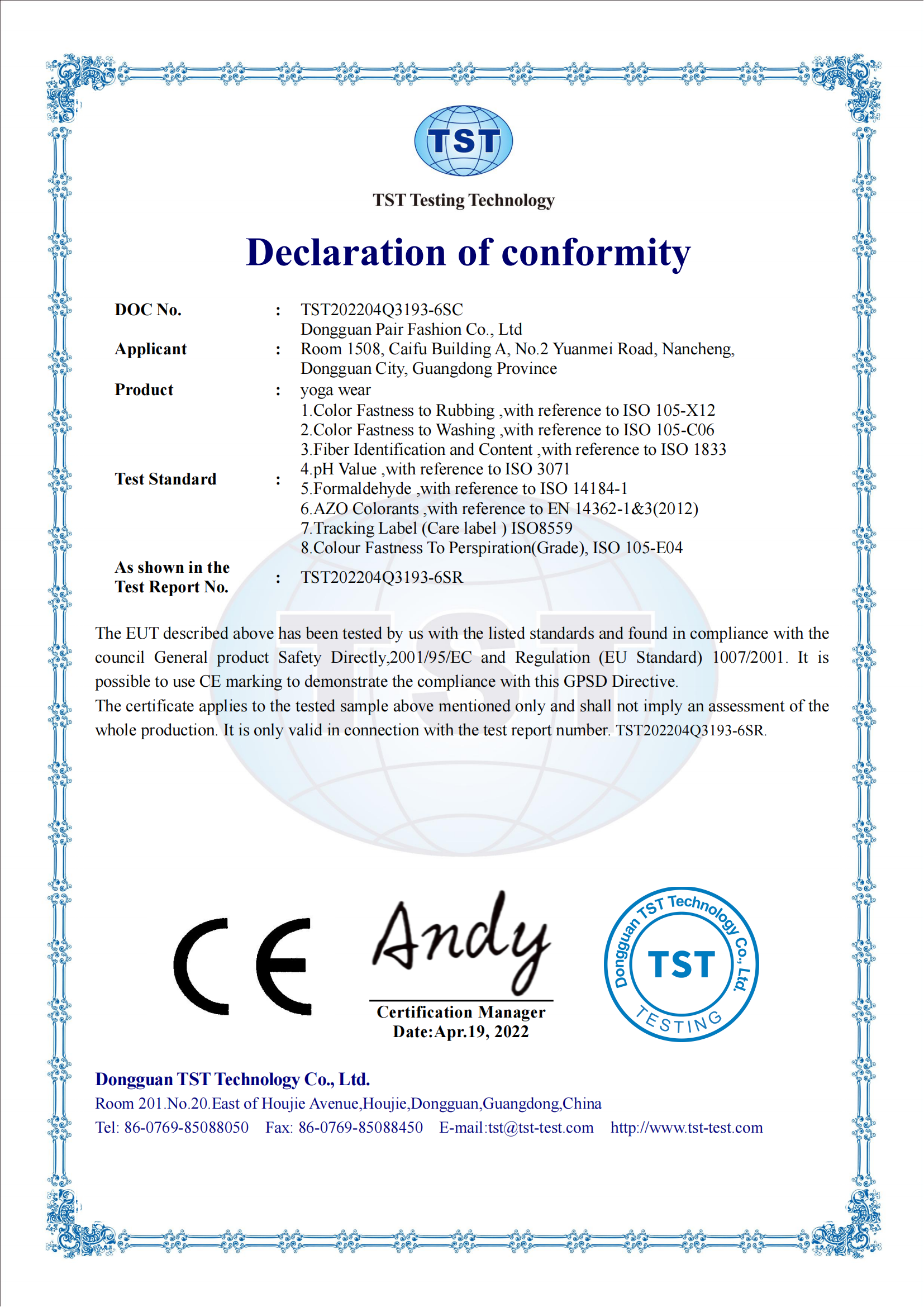
Send your fabric reference, target weight, riding season and any existing wear problems.For claims such as UV protection, cooling or odour control, agree the relevant test methods and supporting evidence before approval; the AATCC textile test methods provide references for assessing properties such as UV transmission, moisture management and antibacterial performance.
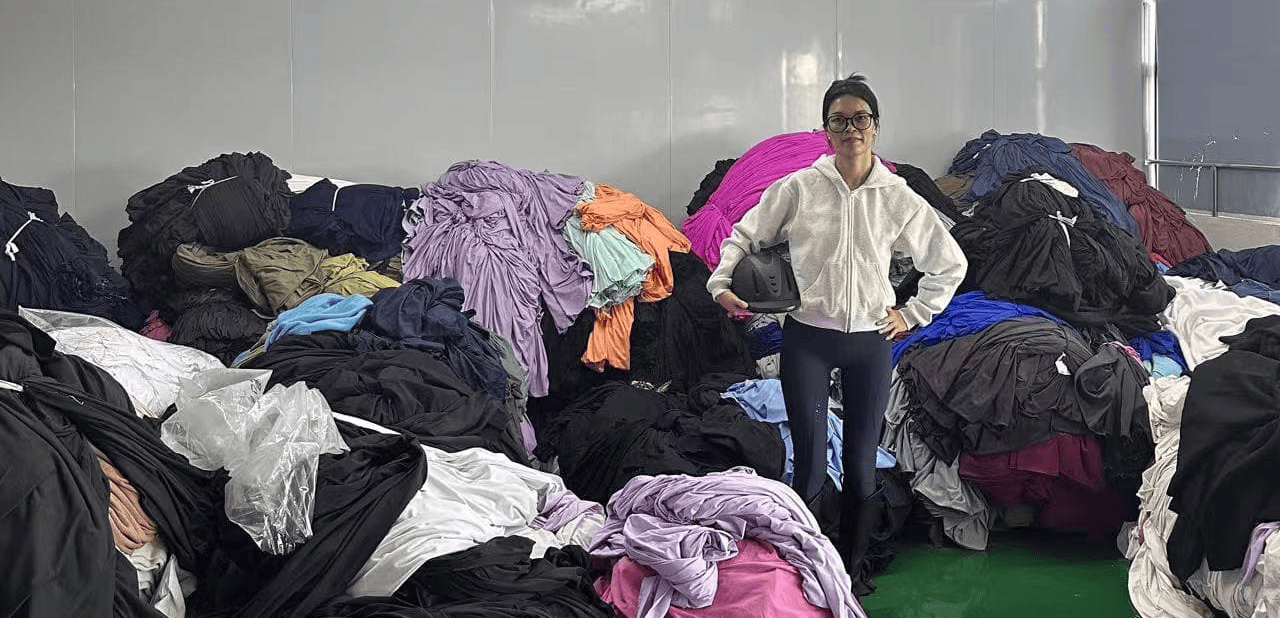
Performance Fabrics
High-performance materials for comfort, durability and reliable performance. Four-way stretch. Moisture-wicking. Anti-pilling. Thermal and water-repellent options
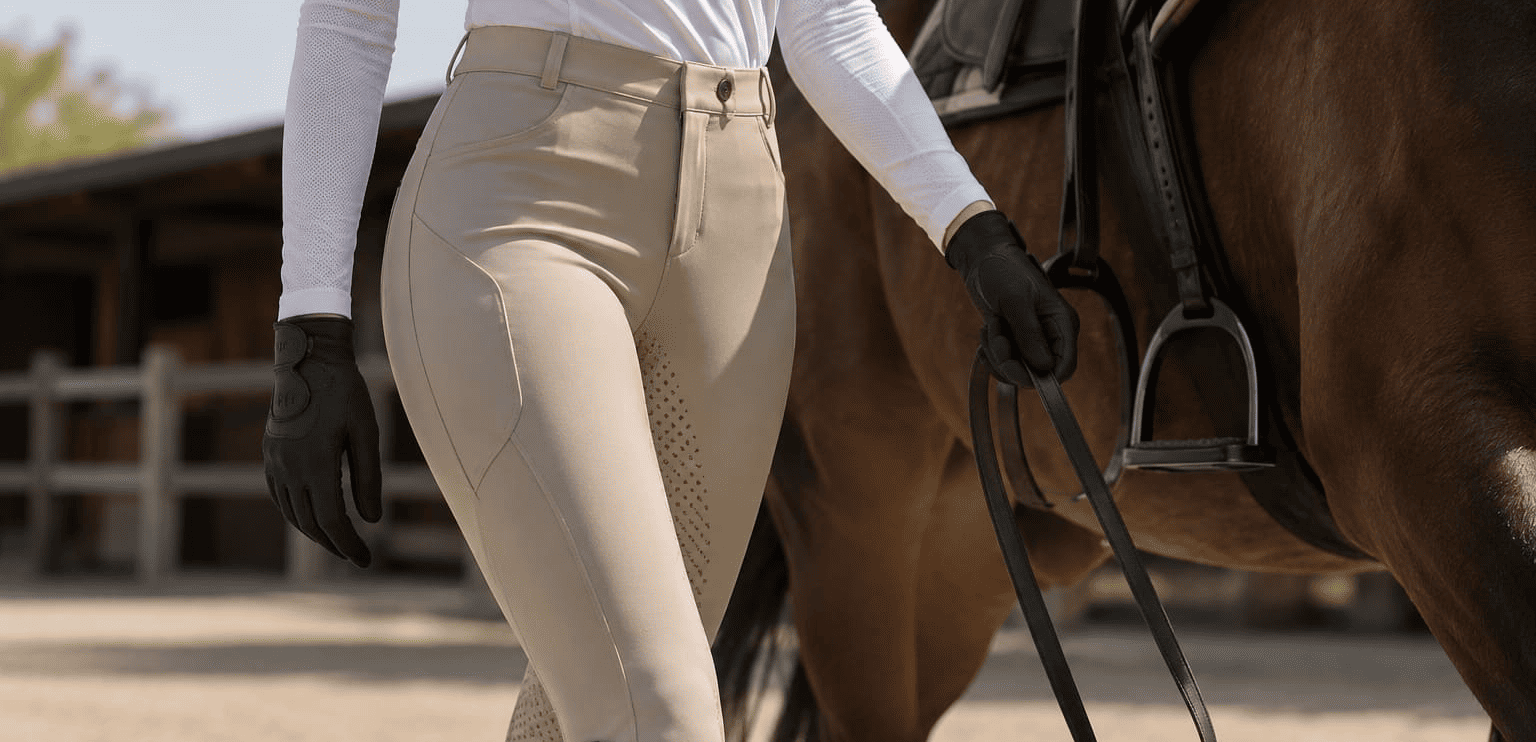
Riding-Specific Fit
Ergonomic designs for freedom of movement and in-saddle comfort. Waist rise (high, mid or low). Crotch depth and knee articulation. Inseam and seam placement. Optimized for riding performance and comfort
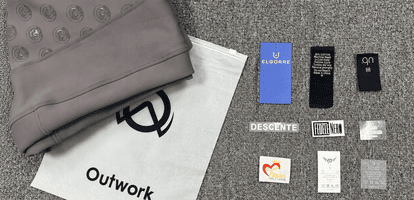
Branding Options
Full customization to create distinctive branded apparel. Embroidery, heat transfers and silicone logos. Custom colors to match your brand. Woven labels, care labels, hangtags and zippers. Packaging solutions.
Customise Riding Fit, Sizing & Full-Seat or Knee Grip
Riding apparel needs to remain comfortable when riders sit, lean forward and bend their knees. Fineactive develops fit and grip details around these movements, helping you assess waistband stability, leg mobility and contact-area comfort before approving a pattern.
Begin with your target rider and size system. Provide your measurement chart, a fit reference and feedback on existing garments. Waist height, rise, hip allowance, inseam and leg opening should work together; adding length alone will not resolve plus-size fit or different body proportions.
For breeches and riding tights, the waistband should maintain coverage while seated without excessive pressure. Pockets need checking with their intended contents during riding-position fitting, while inner-leg seams and cuffs should minimise bulk against the saddle and inside tall boots.
| Customisation area | What to confirm in the sample |
|---|---|
| Waistband and rise | Coverage, pressure and movement during wear |
| Full-seat grip | Seated contact area, coverage and flexibility |
| Knee grip | Bent-knee placement, symmetry and edge comfort |
| Lower leg and cuff | Close fit and fabric bulk inside boots |
| Size grading | Balanced proportions across selected smaller, middle and larger sizes |
Grip coverage should serve the intended riding feel. More silicone or a thicker application does not automatically produce a better garment. Assess artwork, placement, thickness, adhesion and wash performance on the selected fabric.
For show jackets and riding tops, extend the review to shoulder movement, forward reach and hem behaviour. Record approved measurements, fitting comments and grip artwork together before production, giving both teams a consistent reference for the finished garment.
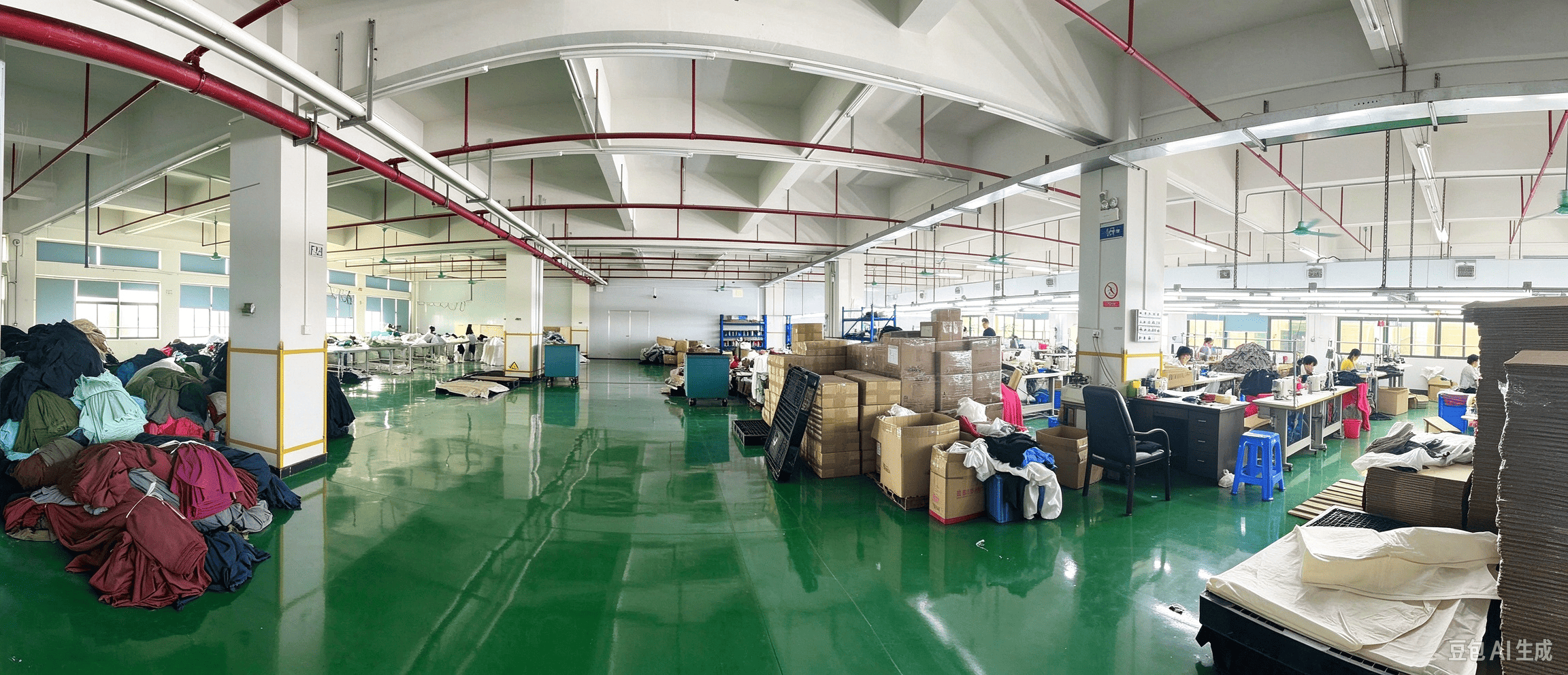

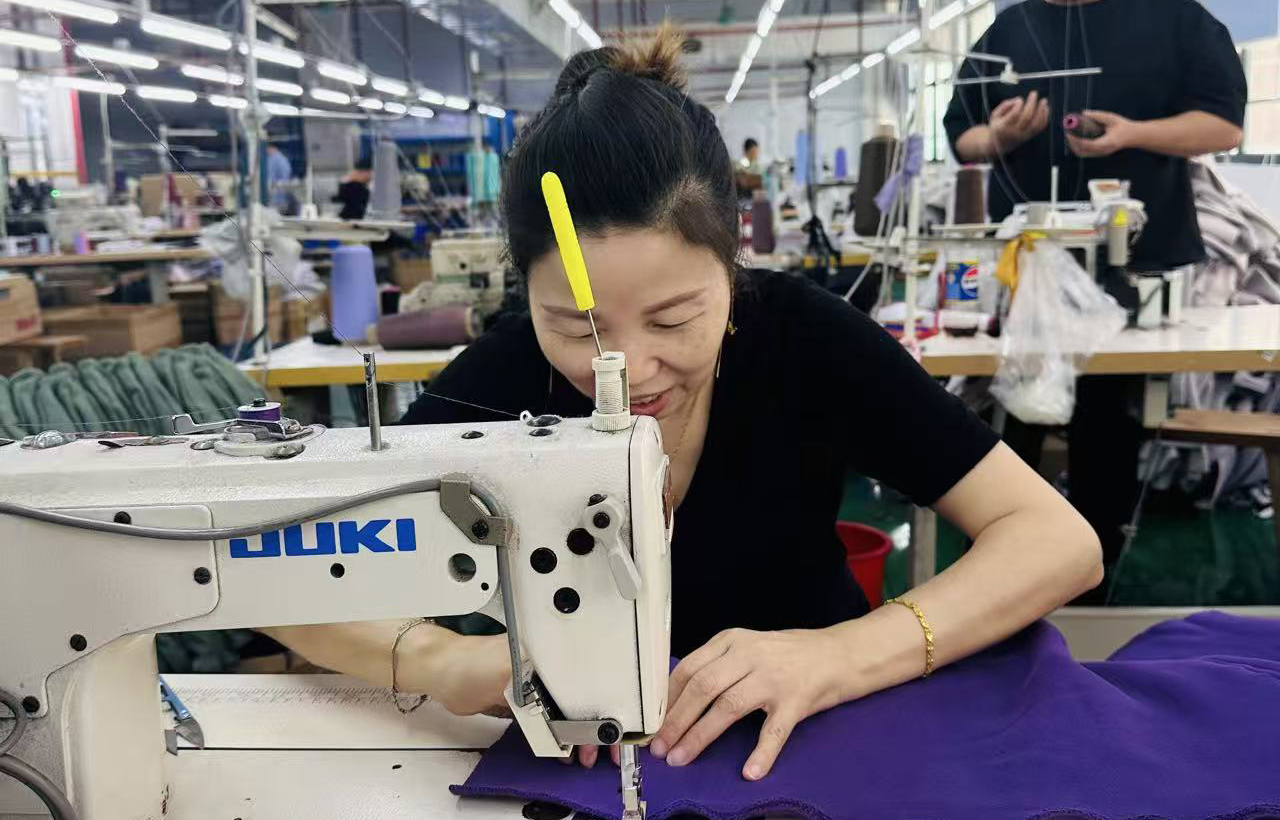
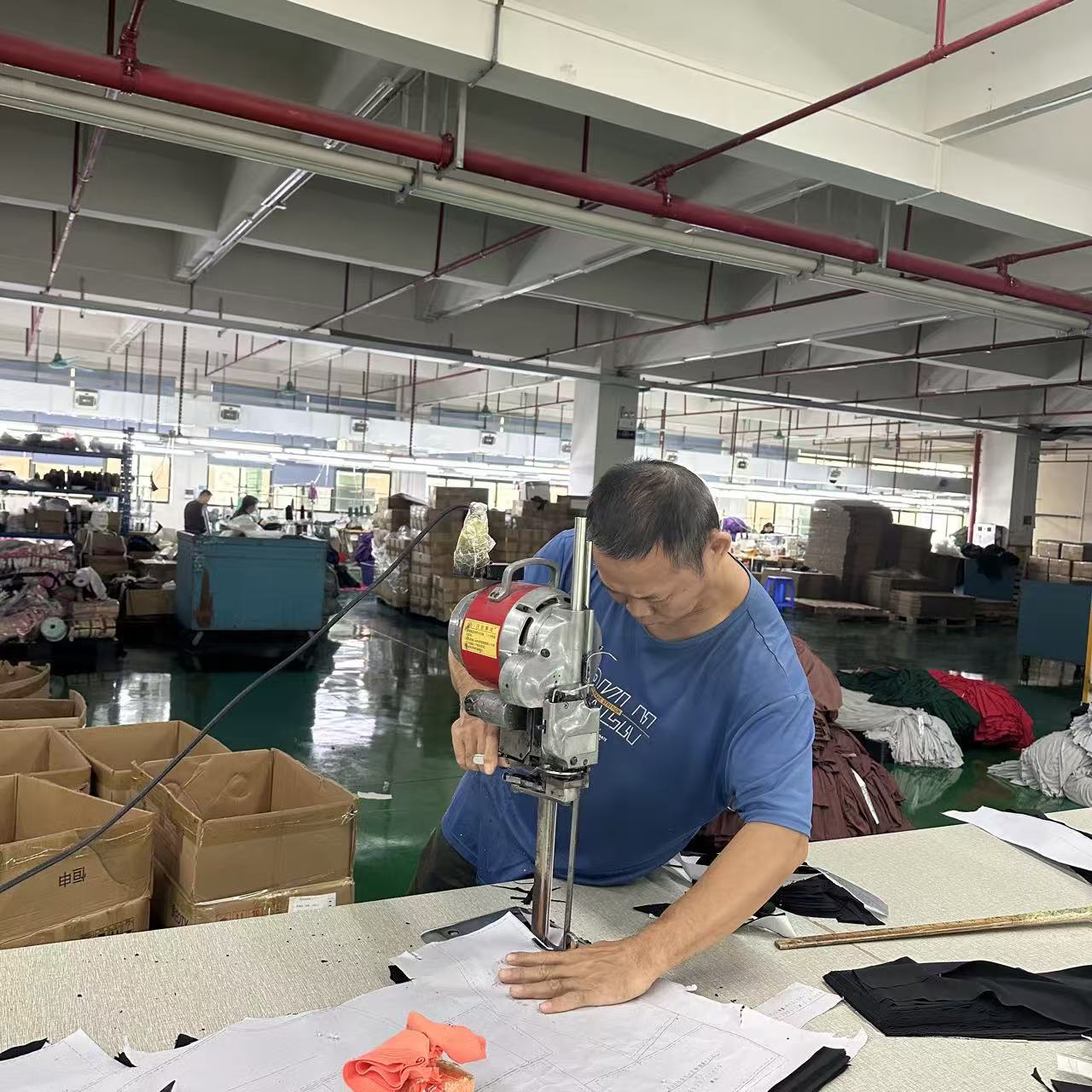
Production Lines: 7 lines, including 3 dedicated equestrian apparel lines
Sample Development Team: 11 personnel
Quality Control Team: 13 inspectors
Overall Monthly Capacity: Approximately 50,000 garments across factory operations
Minimum Order Quantity: 100 pieces per style per color
Sampling Lead Time: 7–15 working days
Bulk Production Lead Time: 25–35 working days
Manufacturing Services: OEM, ODM, and Private Label
Order Support: Sampling, bulk orders, seasonal collections, and repeat production
Make the Collection Yours with Custom Branding & Trims
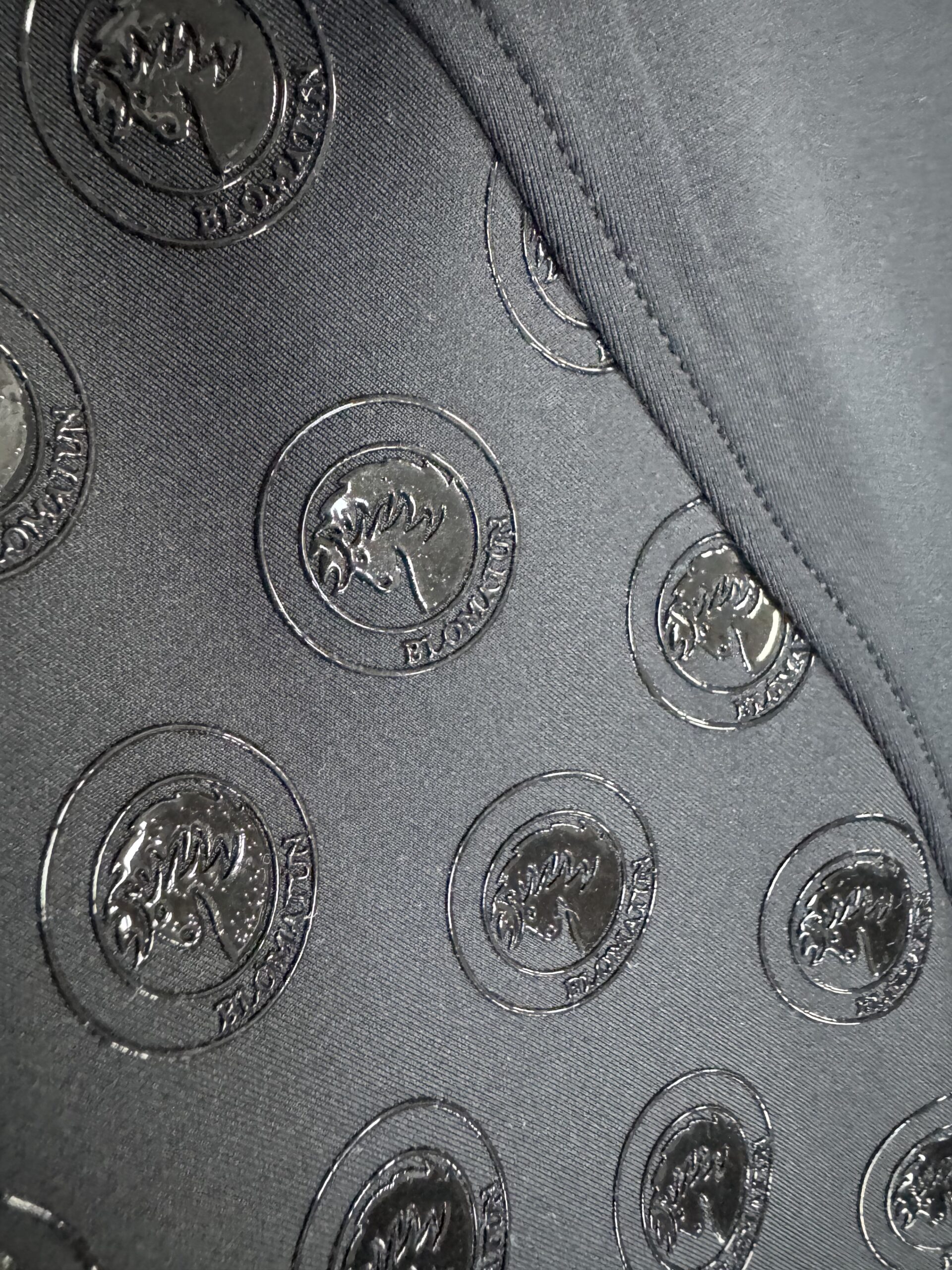
Brand details should make your collection recognisable while preserving riding comfort. Fineactive helps you select garment-appropriate applications and trims, keeping the range coordinated and clarifying placement, materials and finish before those details move into sample approval.
Define the brand details before choosing the application method. Share authorised logo files, brand colours and the required dimensions and positions. Indicate whether branding should remain discreet, create a prominent visual feature or connect different pieces across the collection.
Options include embroidery, heat transfers and suitable silicone printing, alongside custom zipper pulls, woven labels, care labels and hangtags. Selection depends on fabric stretch, garment construction, skin contact and intended care.
| Brand detail | What to confirm before approval |
|---|---|
| Embroidery | Scale, backing, puckering and reverse-side feel |
| Heat transfers | Finish, stretch, adhesion and colour-migration risk |
| Silicone branding | Thickness, flexibility, placement and fabric compatibility |
| Zipper pulls and trims | Finish, weight, operation and contact comfort |
| Labels and hangtags | Artwork, information accuracy, placement and consistency |
Approve applications on the actual garment material. A logo that looks clear on screen may lose definition when reduced for a zipper pull. Dense embroidery can stiffen a lightweight stretch panel, while tonal branding may appear less visible than expected.
For multi-style collections, standardise logo proportions, trim finishes and label formats. Adjust placement to suit each garment rather than repeating an identical application everywhere.
Send your brand artwork and the details you want to retain or change. We will review application feasibility and identify sample approval requirements, with special-trim minimums and additional charges confirmed separately.
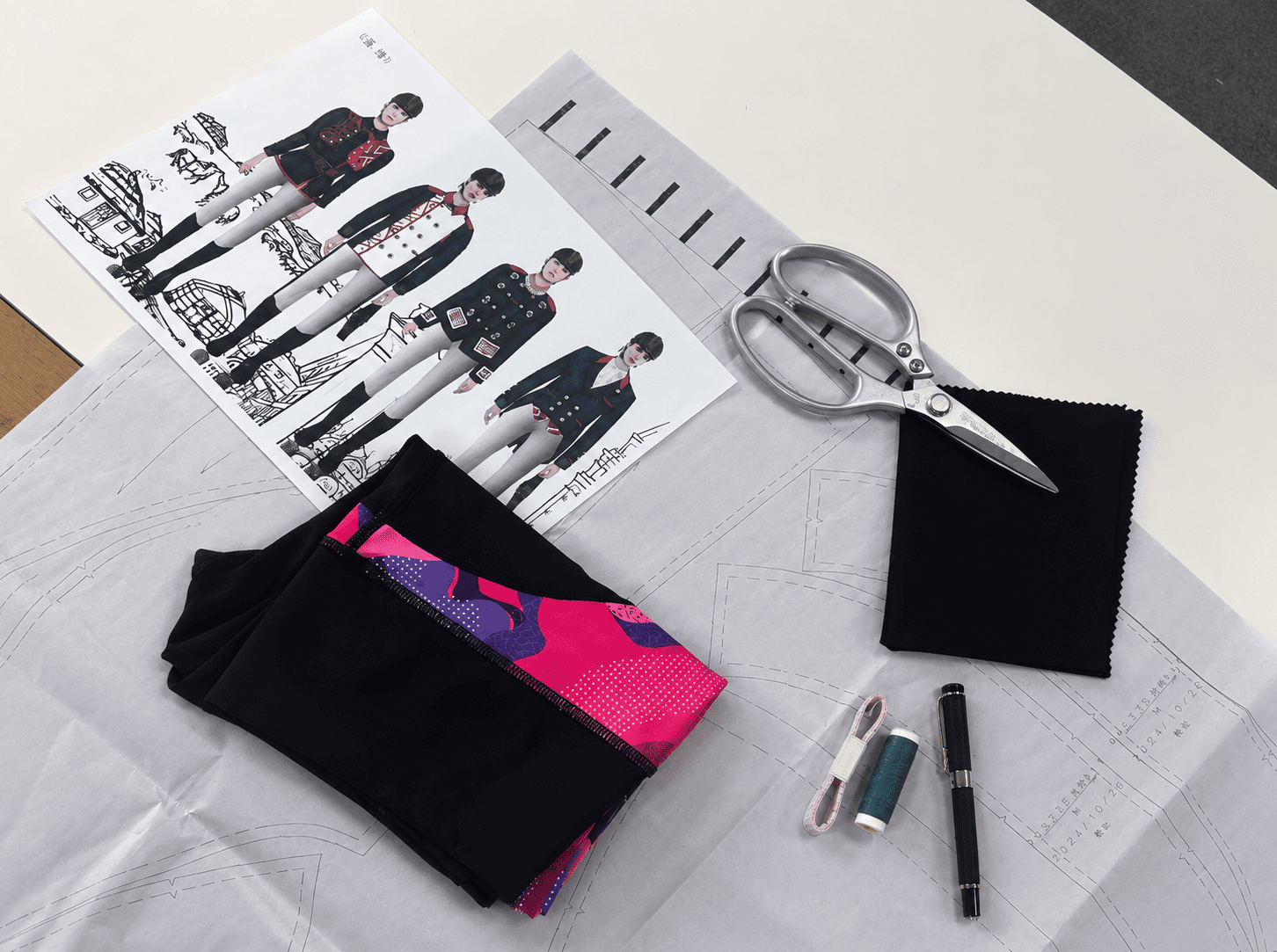
Develop Your Approved Sample from a Tech Pack or Design Brief
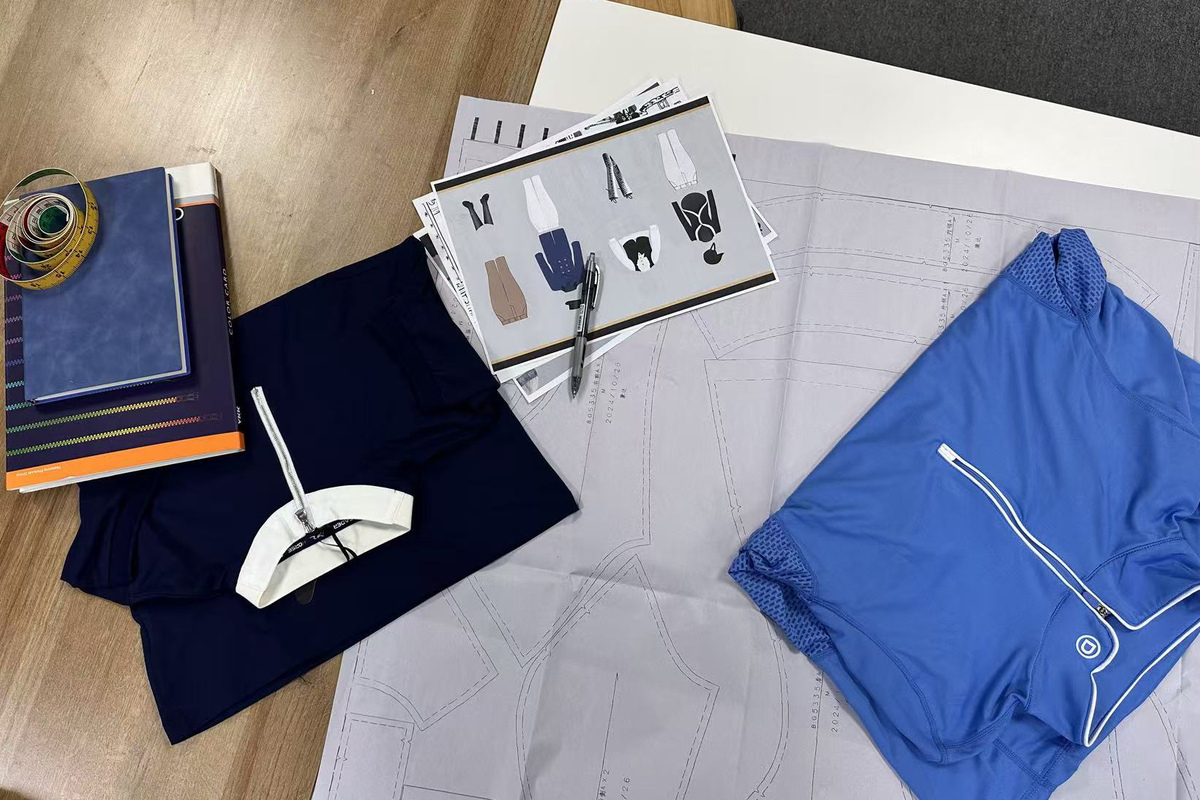
Whether you have a complete technical package or only an initial product idea, sampling should help you confirm specific details. Fineactive checks what information is missing and arranges the necessary development and approval steps, helping you confirm the design, fit and production details before you proceed with bulk production.
Send what you have and identify where you need support. A complete Tech Pack can define measurements, materials, construction and workmanship. If you start with sketches, reference images or a physical garment, explain the target rider, intended use and details to retain or change.
As part of our OEM and ODM equestrian apparel manufacturing services, we review whether your information is sufficient for sampling and identify the decisions still needed before development proceeds. Reference images cannot establish exact measurements, fabric behaviour or internal construction, so they should not serve as complete production instructions.
- Define the brief: confirm available files, open decisions, responsibilities and required sample types.
- Review the prototype: check proportions, construction and interpretation of the design.
- Consolidate fit comments: record measurement corrections, riding-position issues and detail changes.
- Check relevant sizes or applications: assess size-set samples, grip and branding where needed.
- Approve the pre-production sample: confirm agreed materials, workmanship and branding against the latest documents.
Keep each feedback round in one version-controlled revision record. Separate necessary corrections from new design requests; additions may affect costs, materials and scheduling. Unmarked changes to older artwork can leave teams working from inconsistent instructions.
Not every project needs the same number of sample rounds. A minor update to an established style and a new competition jacket require different reviews. Before bulk release, confirm that the PP sample, measurement chart, BOM and construction notes agree, and record any remaining exceptions in writing.
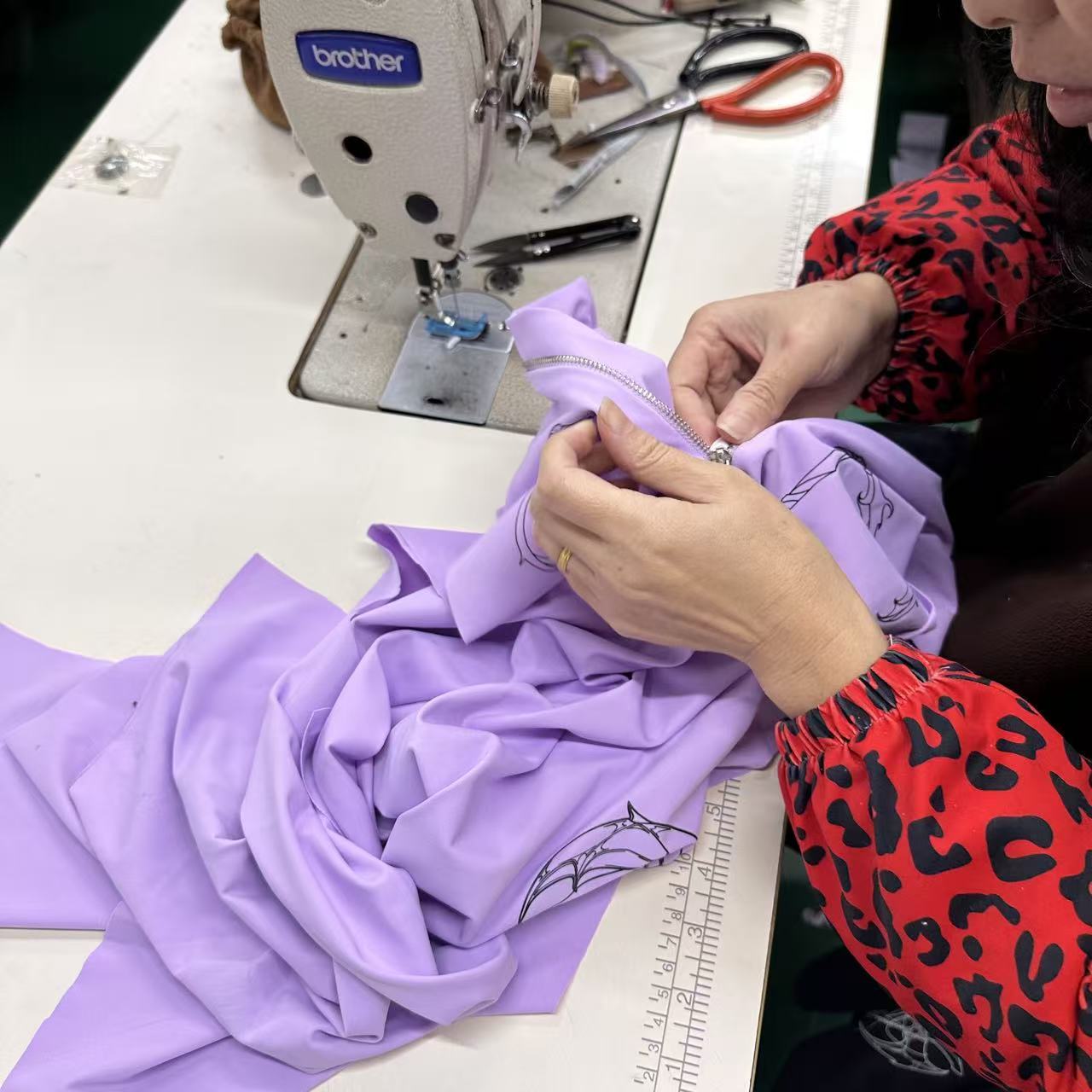
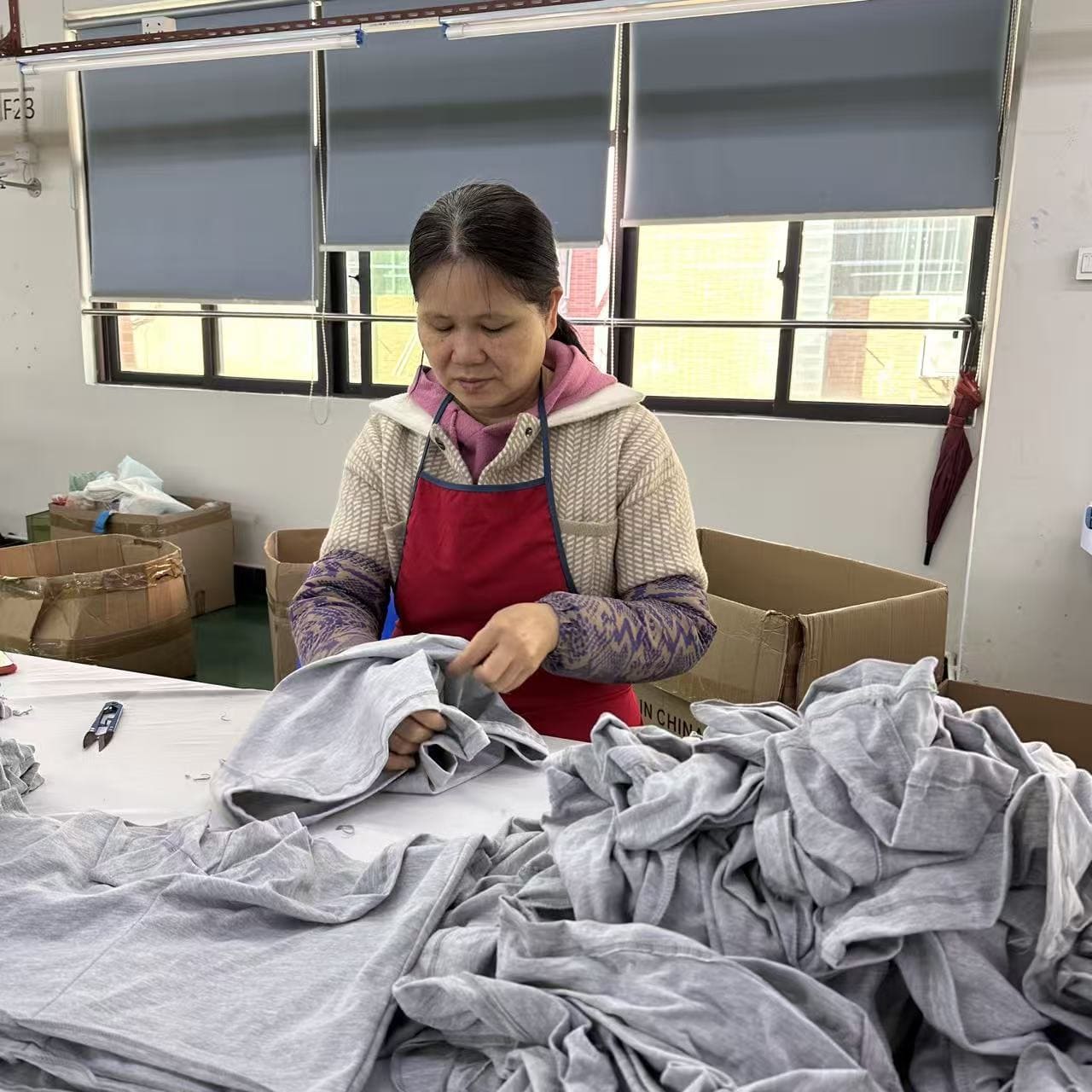
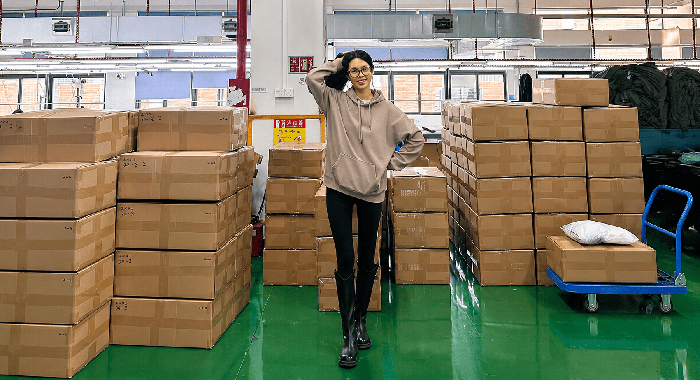
Keep Bulk Production Aligned with Your Approved Specifications
Your approved sample should provide a clear reference for bulk production. Fineactive translates material, workmanship and measurement requirements into inspection checkpoints, helping you identify deviations before shipment and assess the order against acceptance criteria agreed for your garments.
Align the production references before manufacturing begins. The approved PP sample, current Tech Pack, measurement tolerances, colour standards and construction notes should define the expected result together. Record accepted exceptions in the production instructions rather than leaving them in separate messages.
Inspection priorities depend on the product. Riding tights need attention to waistband recovery, crotch seams and grip placement; show jackets require checks on shoulder balance, lining assembly, closures and presentation.
| Checkpoint | Key checks |
|---|---|
| Incoming materials | Fabric batch, shade, weight, stretch and trim condition |
| First-piece approval | Panel direction, seam construction, grip and branding placement |
| In-process inspection | Critical measurements, seams, symmetry and reinforcement |
| Finished-garment inspection | Measurement tolerances, appearance, functional details and cleanliness |
| Outgoing inspection | Agreed sampling inspection, correction status and order quantities |
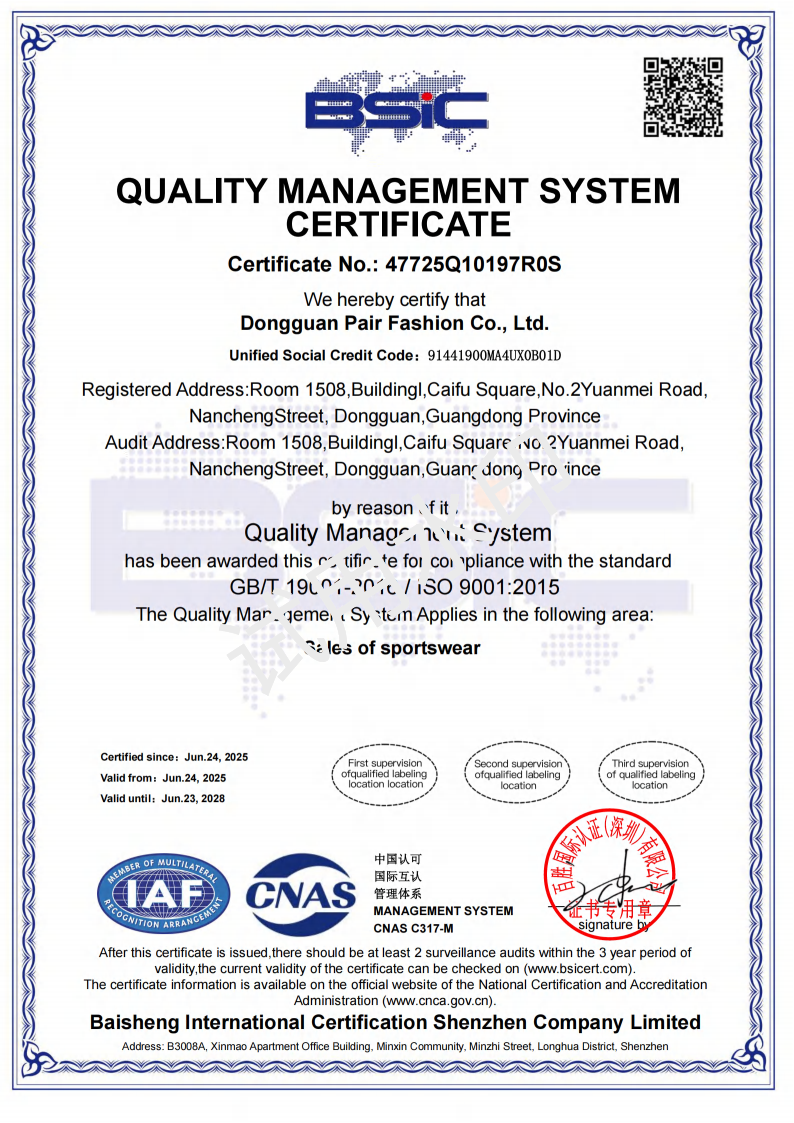
Agree what affects acceptance in advance. Measurement tolerances, defect classifications, sampling arrangements and required performance tests should be defined before inspection. Sampling inspections and laboratory tests address different questions; review the scope of independent textile testing and inspection services to specify the product properties and shipment checks your order requires.
When deviations appear, affected goods should be identified, isolated, corrected and rechecked. Proposed material substitutions or construction changes require your approval before work continues against revised instructions.
If you need third-party inspection, please confirm the inspection time and who can approve shipment in advance. The agreed reports should record inspection results, unresolved issues and correction progress, so your team can decide whether to ship based on these records, rather than only on finished-product photos.
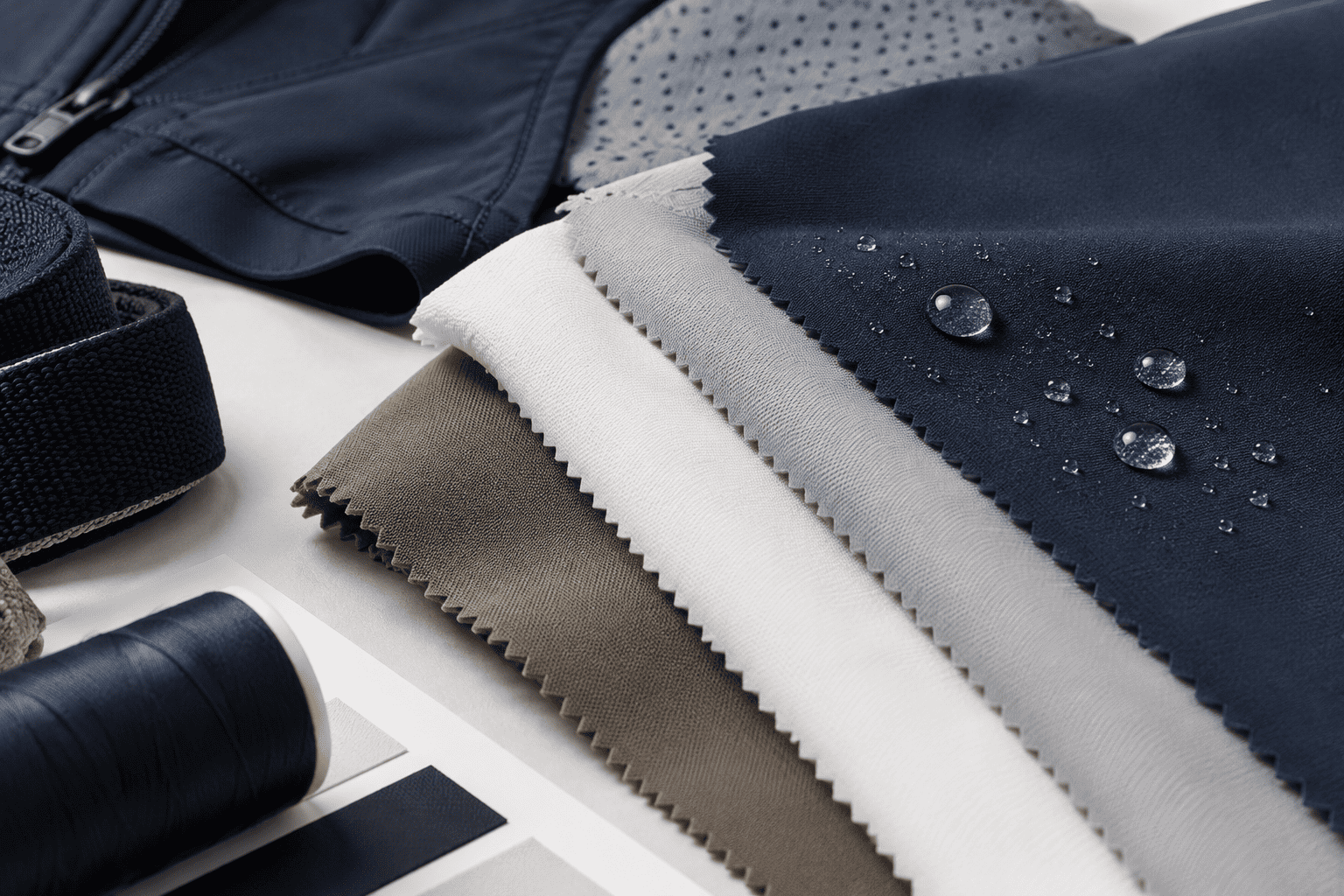
Raw material inspection based on approved quality standards
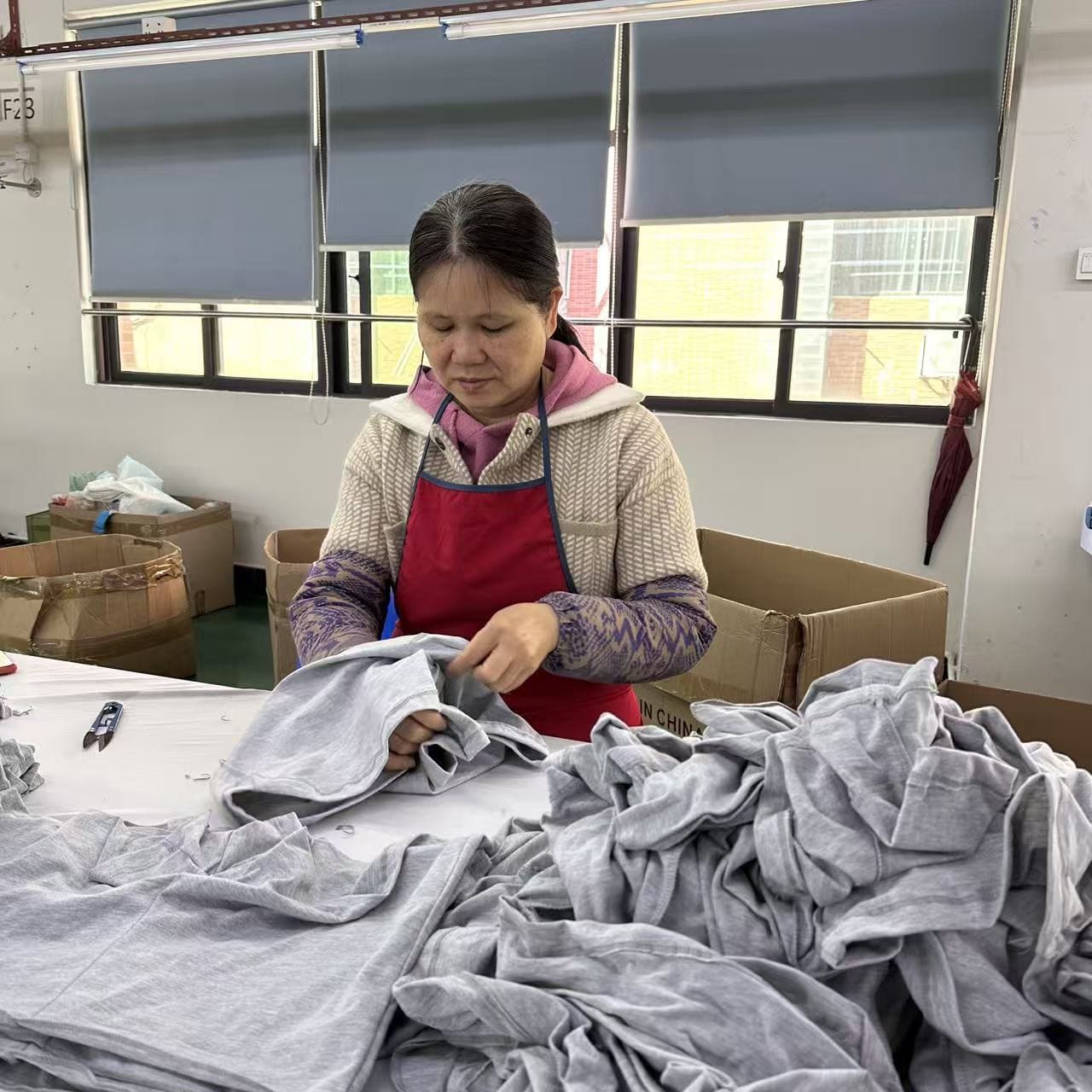
Inline sample checks during cutting, sewing, and assembly
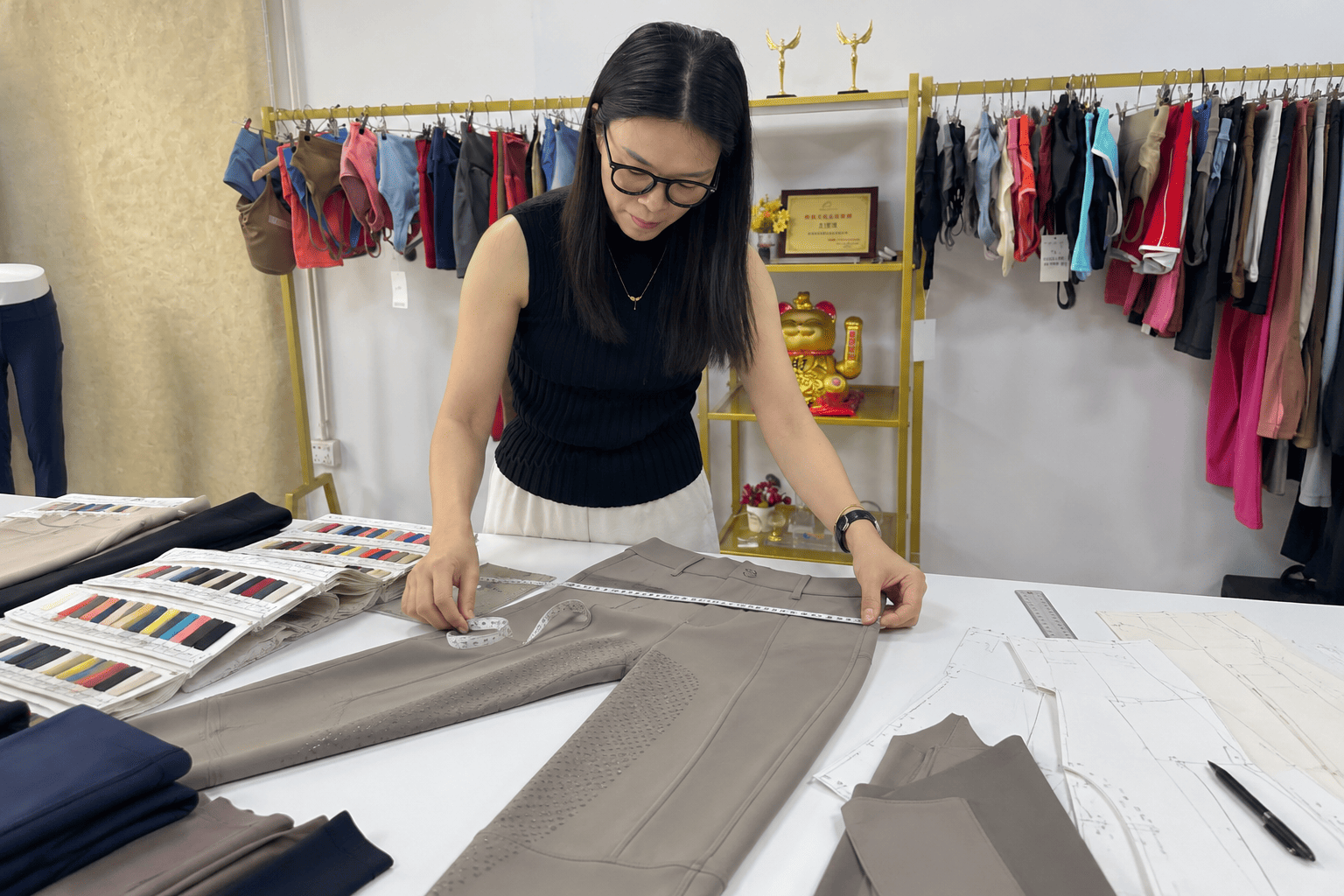
Measurements, appearance, stitching, seams, product performance
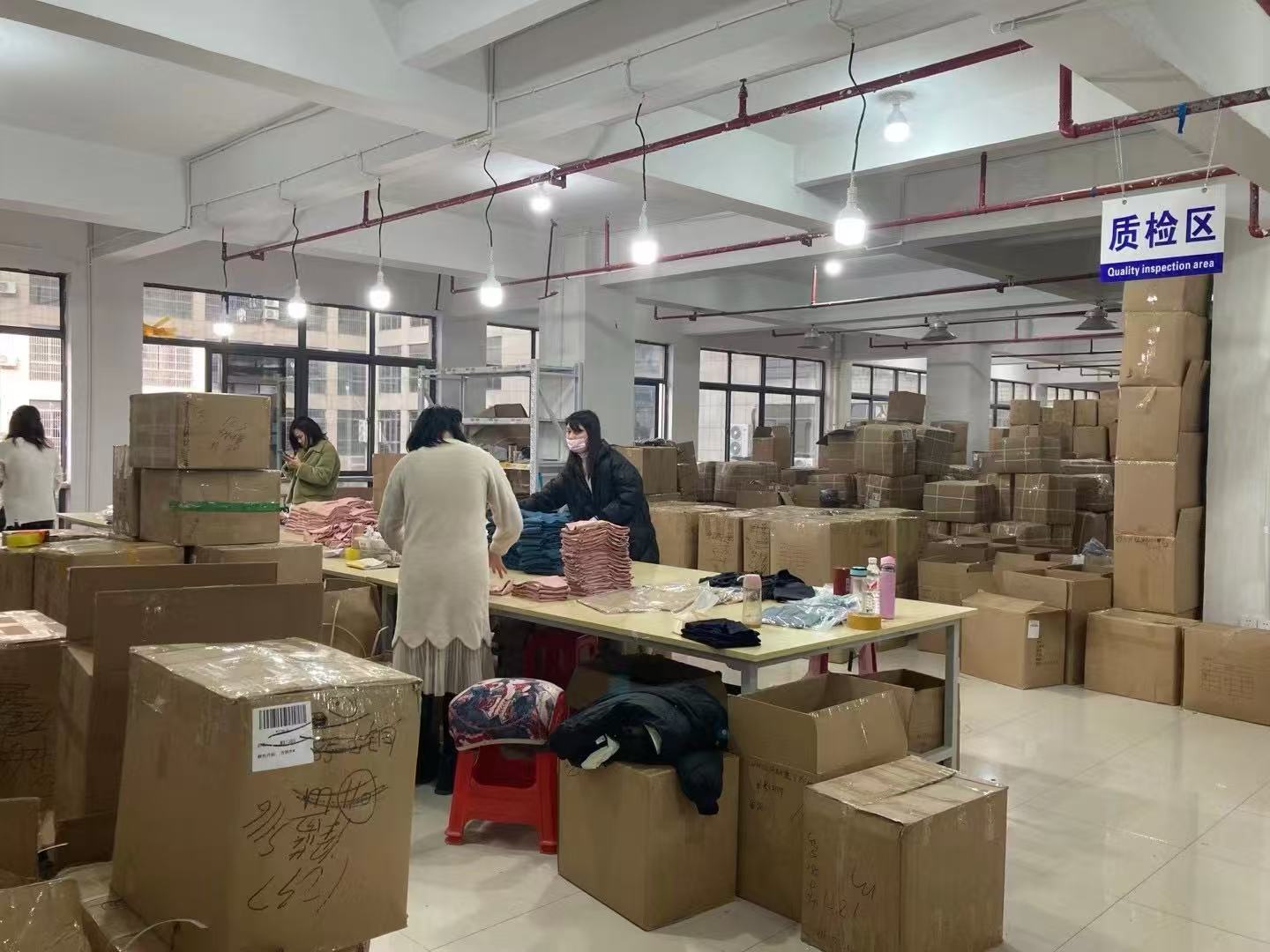
Approved AQL sampling, carton size, label, packaging
Loaded products against approved order
Ensure materials meet specifications
Identify and correct issues early
Verify finished garments meet requirements
Confirm shipment readiness
Ensure products are shipped according to schedule
Prepare Your Collection for Retail Delivery & Repeat Orders
Your garments should arrive packed for the sales channel and ready for your receiving team to check. Fineactive coordinates packaging, carton allocation and delivery details while retaining approved product references to give future replenishment a clear starting point.
Share receiving requirements before packaging materials are ordered. Ecommerce brands, distributors and clubs may need different presentation and packing arrangements. Individual bags, size stickers, hangtags, barcode formats and carton limits should match your sales channel; if your retailer requires GS1 identifiers, use the GS1 GTIN Management Standard to guide product identification decisions and provide the approved barcode data before labels are printed.
| Delivery detail | Confirm before packing |
|---|---|
| Individual packaging | Bag type, folding, size identification and hangtag placement |
| Barcodes and SKUs | Buyer-supplied data, label format and style–colour–size mapping |
| Carton allocation | Mixed or single-SKU packing, quantities and carton limits |
| Split deliveries | Destinations, product allocation, shipment groups and markings |
| Shipping documents | Invoice and packing-list details for the agreed shipping terms |
Split deliveries need a clear allocation list. Identify which styles, colours and sizes go to each receiving location. Changes after packing may require relabelling, resorting and document revisions.
Transport methods and delivery terms are confirmed separately against destination, shipment volume and arrival requirements. Your requested arrival date should allow for transport and customs clearance after production; factory completion alone does not establish launch readiness.
For repeat orders, reference the approved style code and specification version. Confirm whether size ratios, colours and packaging remain unchanged. Reusing a pattern or artwork does not mean the original fabric and trims are still available.
Fineactive keeps project records to help review repeat orders. Any changes that affect appearance, fit or function need your approval before we start production of the repeat order.
Request a Development Plan, Samples & Bulk Pricing
A useful quotation should reflect the product you intend to buy. Share your project with Fineactive so we can assess development work, clarify unresolved specifications and explain the assumptions behind a sample or bulk proposal before you decide how to proceed.
Start with the information you already have. A complete Tech Pack supports a more precise assessment, but not every brand has one at first contact. Sketches, authorised reference images or a physical garment can help establish the brief when you identify what still needs development.
| What to send | What it helps us assess |
|---|---|
| Product list and references | Garment categories, construction and development scope |
| Quantities by style and colour | Order feasibility, material requirements and pricing basis |
| Fabric and branding requirements | Sourcing options, applications and special trims |
| Size requirements | Fit references, grading and sample needs |
| Destination and target arrival date | Production and transport planning |
| Target price and delivery terms, if available | Cost alignment and quotation boundaries |
If fabric, fit or decoration remains undecided, say so rather than filling gaps with unconfirmed specifications. We can identify which decisions materially affect cost and which need sample validation.
Your proposal should clearly state which details are confirmed and which are provisional. For sample charges, sample types, revision scope, testing, packaging and transport, please specify what is included and what requires an additional charge, where applicable. Any later changes need to be confirmed again.
After review, you can proceed with sampling, revise the brief or provide further information where needed to complete the quotation. Production requires separate authorisation.
Send Fineactive your project details to request samples and pricing, including your product references, quantities by style and colour, and target arrival date, so we can review the development scope and prepare a proposal.
Horse Riding Clothes Manufacturing FAQs
Find answers to common questions about our OEM and ODM equestrian apparel manufacturing, including minimum order quantities, customization options, sample development, production timelines, and shipping.
1. What is your MOQ, and can we combine sizes or colours?
Fineactive’s standard minimum is 100 pieces per style per colour, with an agreed size breakdown within that combination; different styles or colours cannot automatically be combined to meet the minimum order quantity.
For example, ordering one riding tights style in black and navy requires 100 pieces of each colour, or 200 pieces overall. Sizes within each colour can be allocated by agreement. Custom fabrics or special trims may introduce additional material minimums. Send your proposed style–colour quantities so we can check these constraints before you finalise the launch assortment.
2. Can you develop our equestrian collection without a complete Tech Pack?
Yes, Fineactive can assess development from original sketches, authorised reference images or a physical garment when you do not have a complete Tech Pack, provided you explain the intended rider, product use and desired changes.
We identify missing measurements, fabric details and construction requirements rather than assume a reference image explains everything. Decisions may include waist height, pocket placement, grip layout, size range and branding. Tell us which elements are already defined and where you need support. The development scope, charges and approval responsibilities should be agreed before sampling begins.
3. How long do sampling and bulk production take?
Standard sampling normally takes 7–15 working days, while bulk production normally takes 25–35 working days, with each period starting only after its relevant information, approvals, payment requirements and material conditions are met, rather than from your first enquiry.
Sample revisions, custom fabric development, special trims, holidays and delayed approvals can affect scheduling. Transport and customs clearance are separate from manufacturing time. Share your destination and required arrival date so we can review feasibility, identify the decisions you must approve and confirm the production plan against those requirements.
4. What do you need for an accurate quote, and what may cost extra?
For an accurate quotation, send product references, quantities by style and colour, fabric requirements, branding, sizes and delivery destination, so Fineactive can price a defined scope and delivery basis rather than treat undecided details as included.
Key cost drivers include fabric construction, silicone coverage, sewing complexity, special trims, testing and packaging. If you have a target price, state the currency and preferred delivery terms. Before proceeding, confirm what sample charges, revisions, tests, packing and transport include. Changes after approval require review and may affect price or scheduling.
5. How do we approve fit and silicone grip before bulk production?
Approve the fit sample, measurement tolerances, silicone artwork and pre-production sample together, then agree which checks and tests bulk production must follow; a sample photograph alone cannot establish fit, grip durability or acceptance criteria for your order.
For breeches, assess seated waist coverage, knee bend, inner-leg seam contact and pocket placement. Grip approval should address position, flexibility, adhesion and wash performance. Before production, align all approved documents and define the sampling inspection criteria. If you require third-party inspection, confirm its timing and who can authorise shipment release.
6.Can we reorder the same styles after our first collection sells?
Yes, repeat orders can be reviewed against your approved specifications, but consistency depends on checking current material availability, new fabric batches, trims and colour standards rather than assuming that an unchanged pattern guarantees an identical result.
Reference the original style code, specification version, quantities by colour and size, and required arrival date. Fineactive retains project records to support this review. If original materials are unavailable, proposed alternatives need your approval. Any colour submission, sample or testing requirements should reflect how the change could affect appearance, fit and performance.
FINEACTIVE 自豪地采用 WordPress 构建