OEM/ODM Equestrian Apparel Manufacturer | Custom Riding Wear | Private Label | Low MOQ
best horse riding pants Manufacturer | Custom Fit & Private Label
Fineactive is a horse tights manufacturer and best horse riding pants Manufacturer specializing in OEM, ODM and private label custom riding tights for equestrian brands worldwide.
✓ Low MOQ
✓ OEM & ODM
✓ Fast Sampling
✓ Bulk Production
best horse riding pants Manufacturer for Your Equestrian Brand
From daily training to competition, riding pants need to support the rider’s movement and fit the brand’s product positioning. For equestrian brands searching for the best horse riding pants Manufacturer, Fineactive offers custom riding pants development with the fit, fabrics and functional details suited to their customers.
Different riding activities call for different product designs. A training style may need soft stretch fabric and an accessible phone pocket, while competition breeches may require a clean appearance, a secure waistband and a close fit under riding boots.
Fineactive develops riding breeches and custom riding tights for different riding activities and seasonal collections. Whether you are launching your first product or expanding an existing range, we can discuss the design around your target customer and collection requirements.
| Product type | Intended use | Custom details to discuss |
|---|---|---|
| Competition breeches | Show jumping, dressage and other competition settings | Waistband, leg opening, colors and grip design |
| Training riding tights | Daily riding and stable activities | Stretch fabric, phone pockets and high-waisted fit |
| Full-seat grip breeches | Riding styles with a larger grip area | Silicone pattern, coverage and placement |
| Knee-grip breeches | Riding styles with grip focused at the knee | Grip pattern, knee placement and fabric combination |
| Seasonal riding pants | Warm-weather or cold-weather collections | Lightweight fabric, breathable panels or brushed lining |
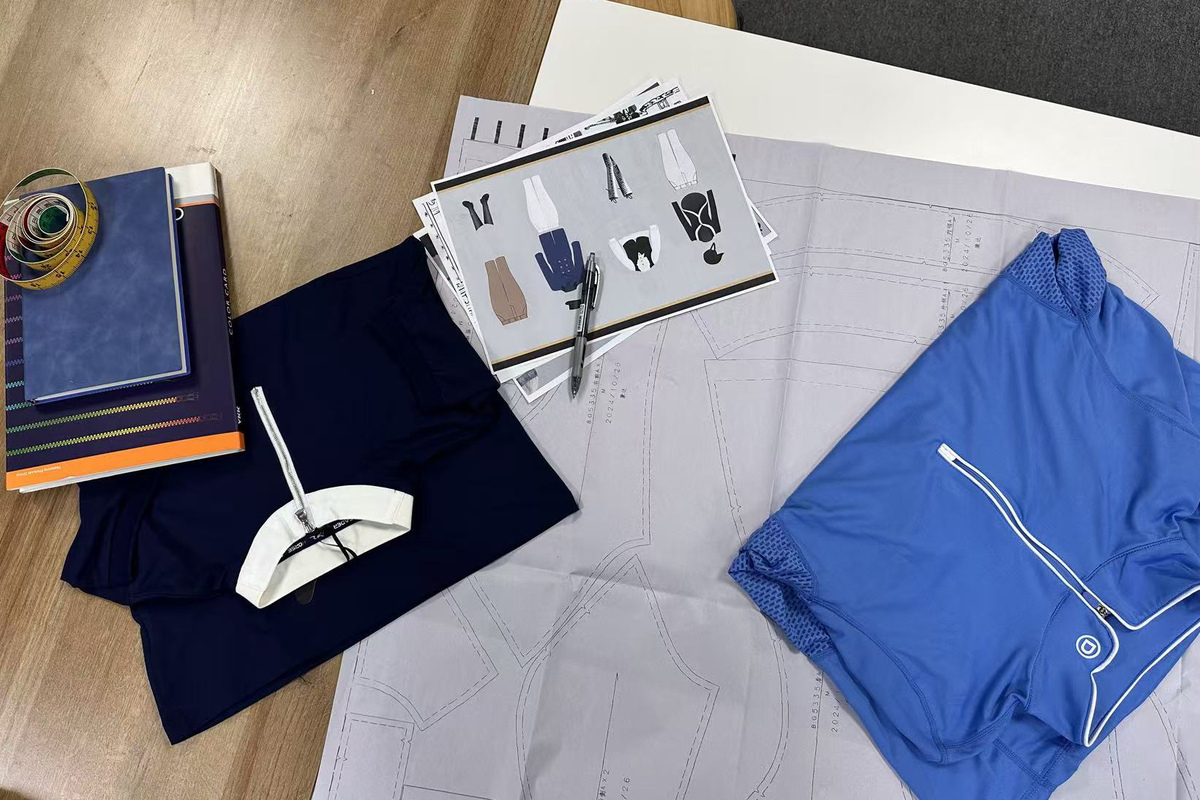
You can start with a Tech Pack, a design sketch, an authorized reference sample or an existing size chart. If your product is still at the idea stage, tell us about your target customer, intended use and the features you have in mind.
Our team can discuss fit, fabric, silicone grip and branding details with you and help define the next steps for sampling.
Our core product categories include:
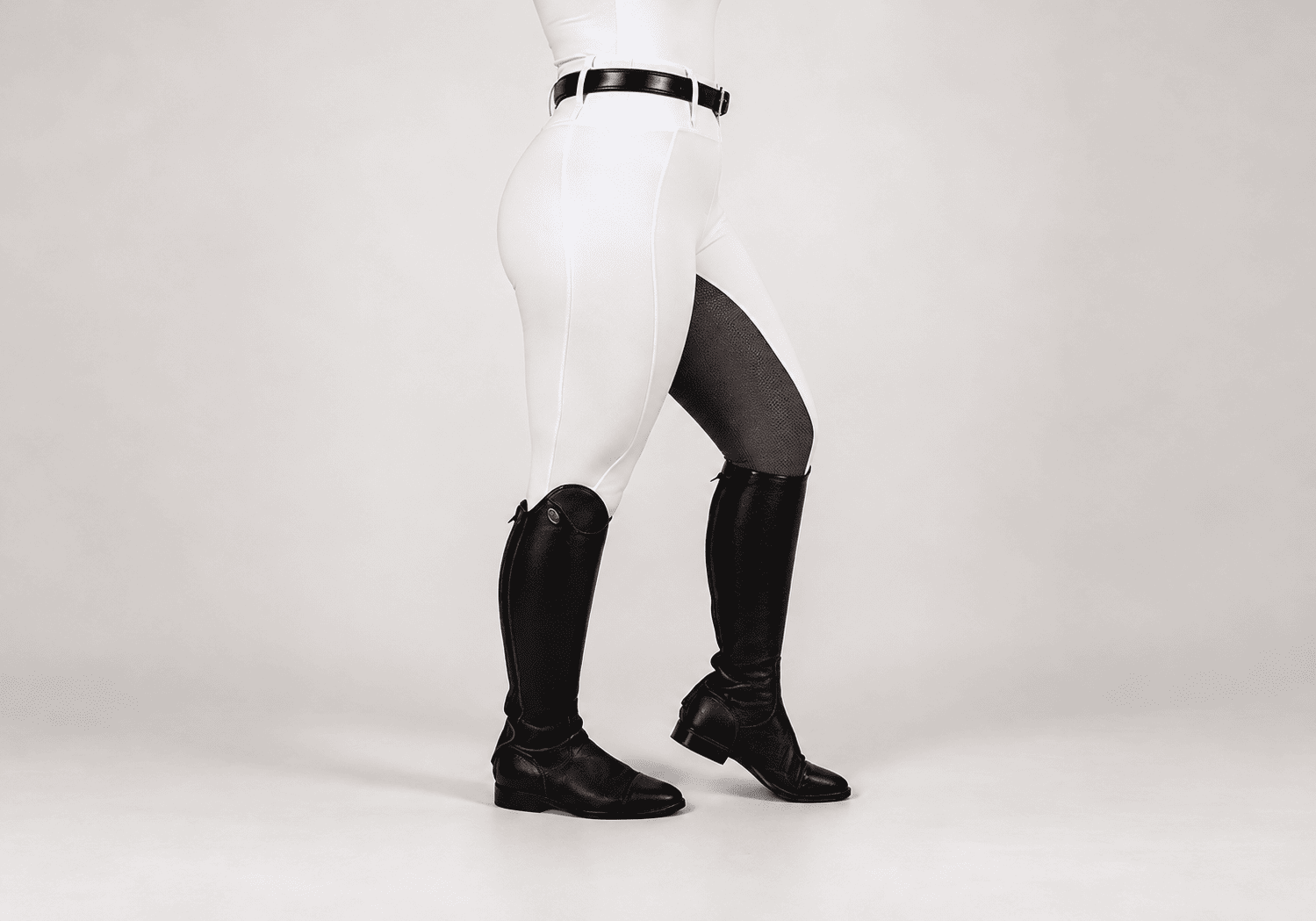
Riding Breeches
Full seat grip, knee grip, competition breeches
Dressage, show jumping, training
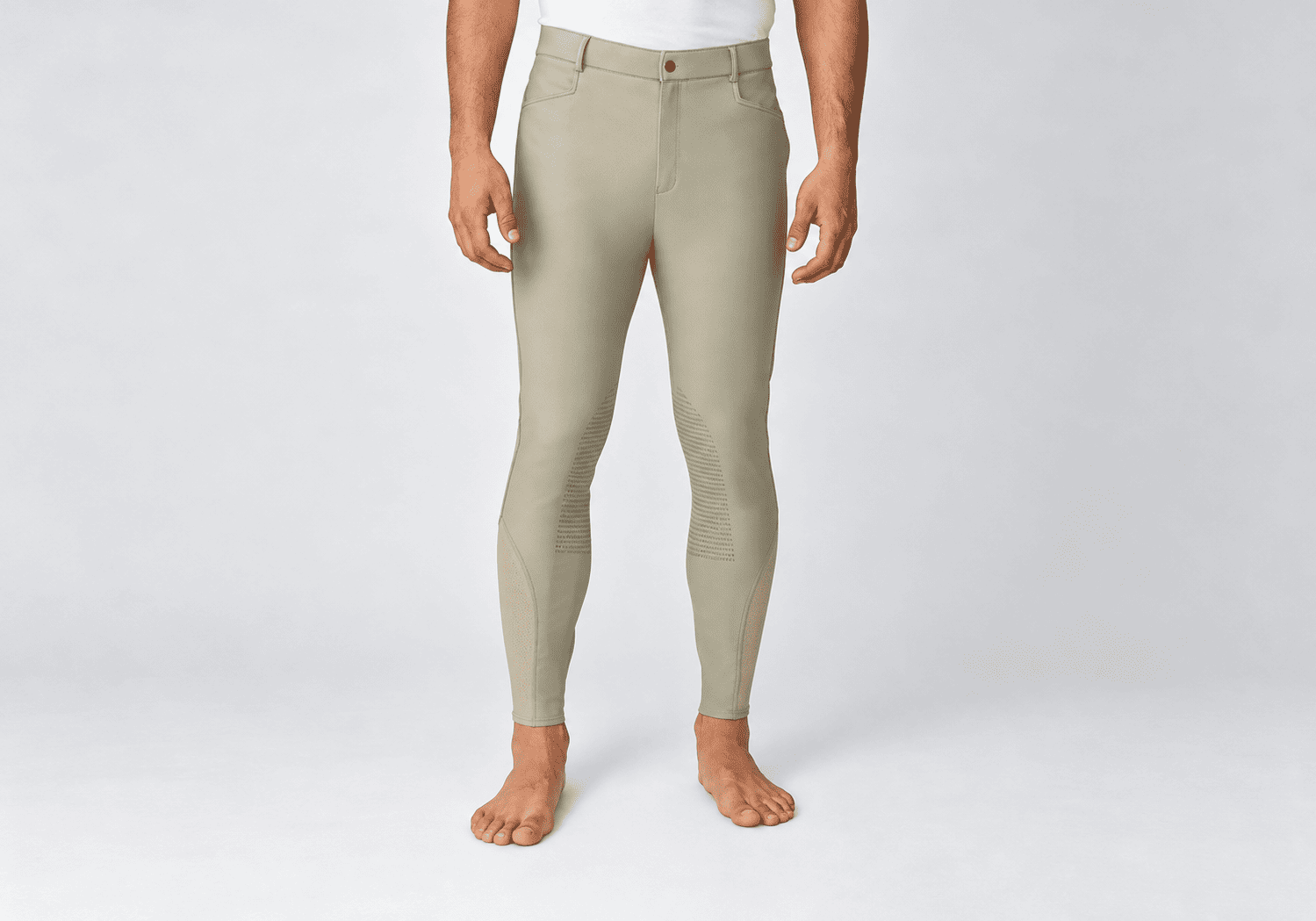
Riding Tights & Leggings
High-waisted, pocket, thermal styles
Daily training, recreational riding
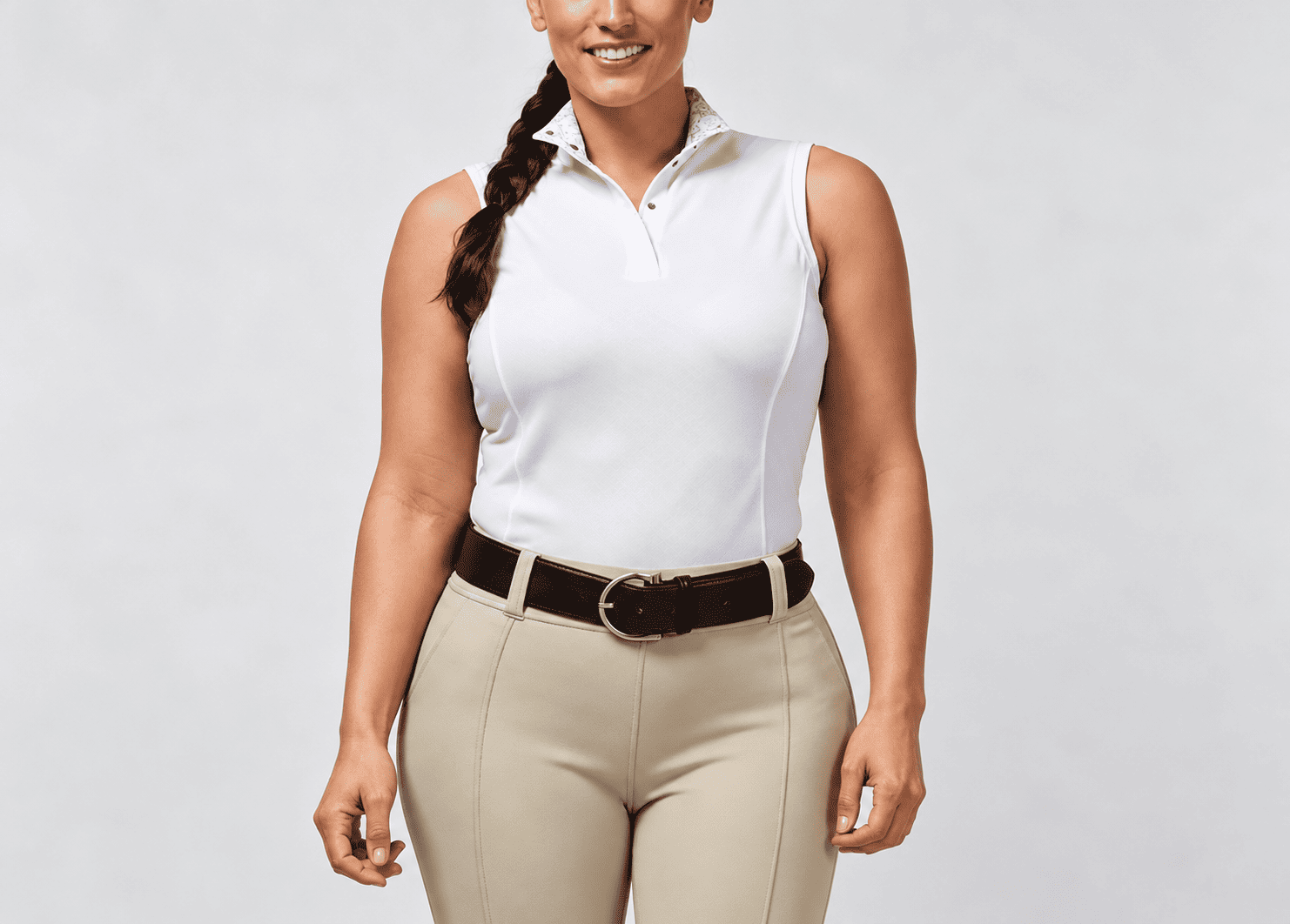
Show Shirts
Long-sleeve, short-sleeve, stand-collar styles
Competition, show collections
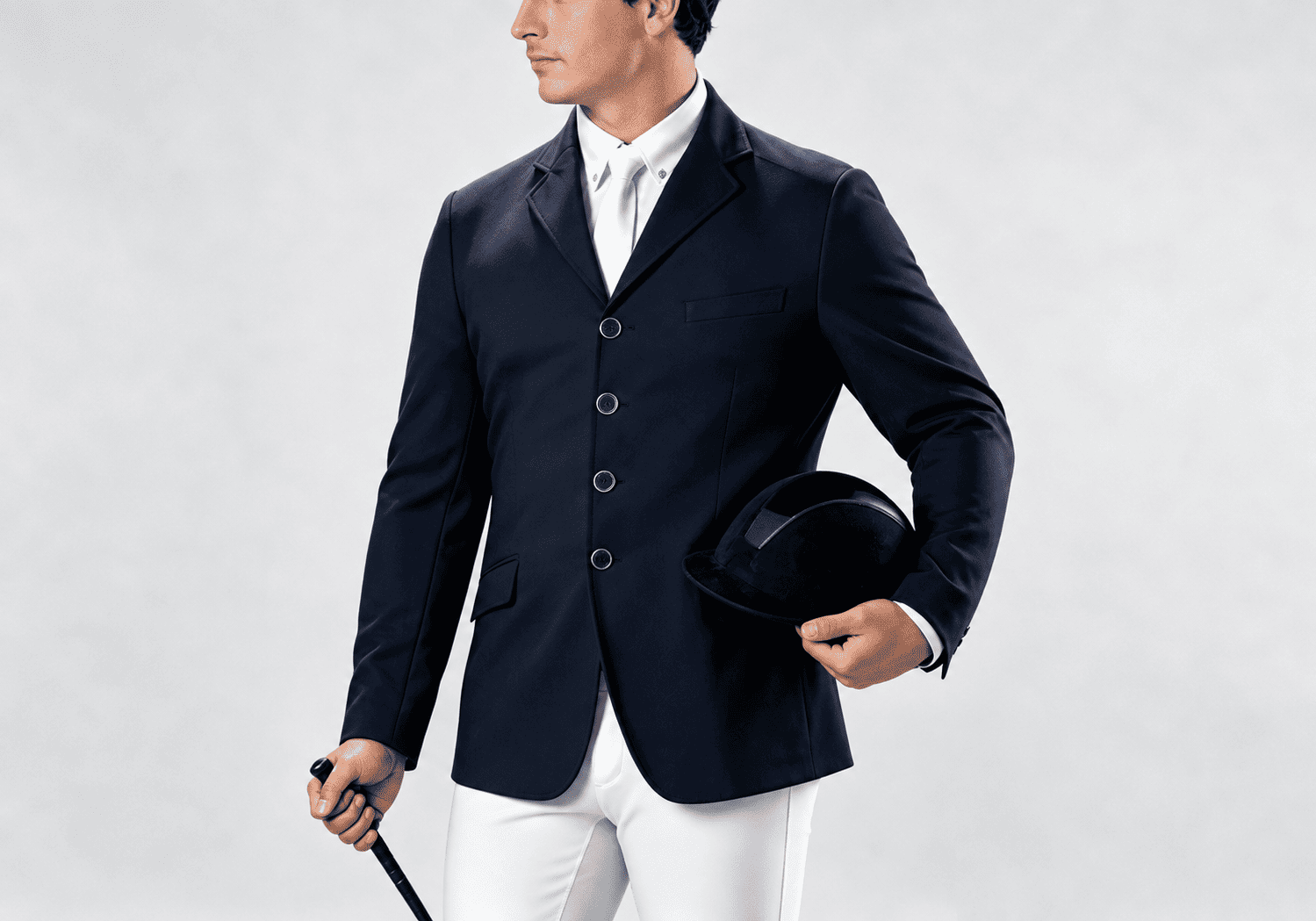
Competition Jackets
Stretch show jackets, dressage coats
Dressage, show jumping

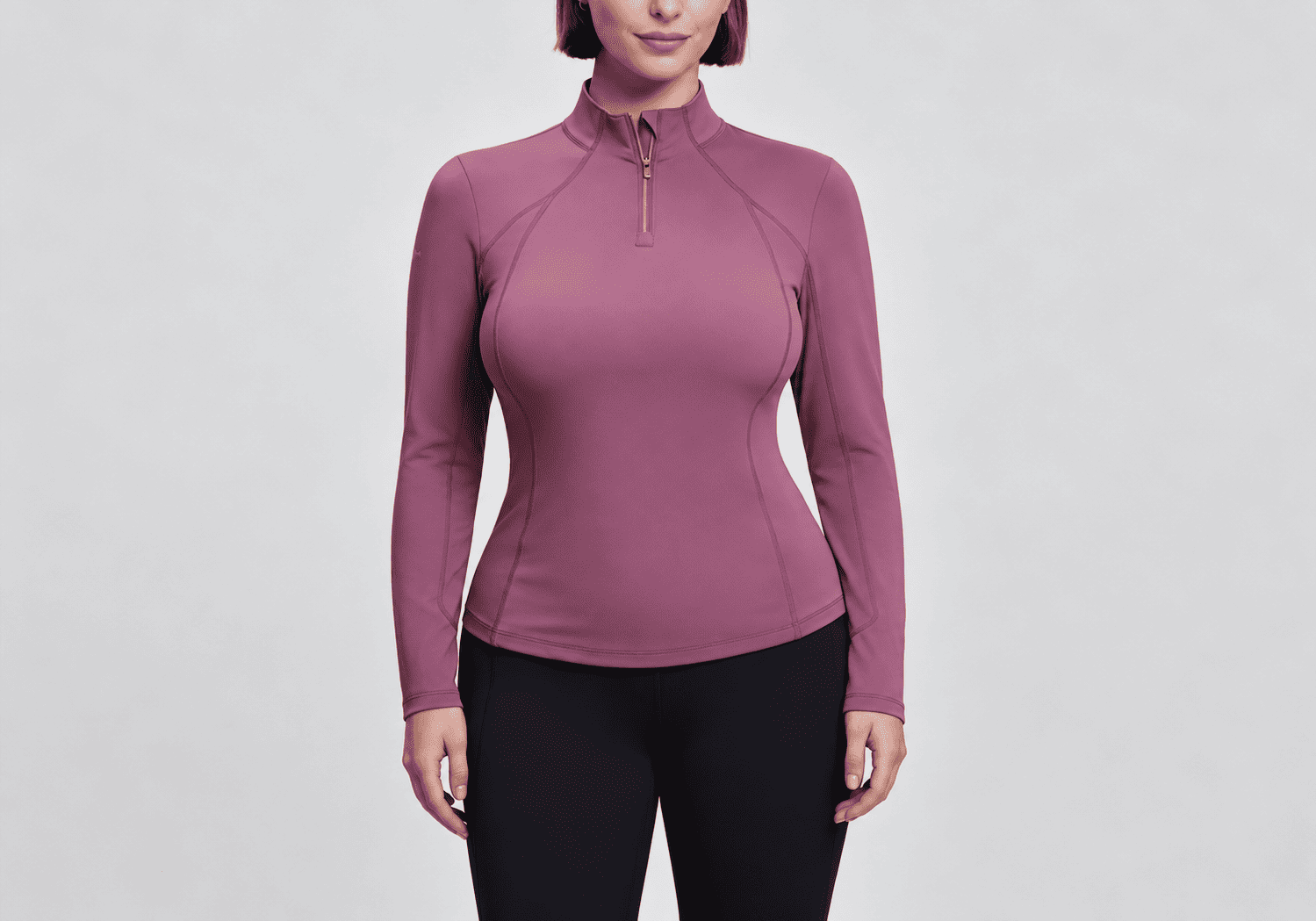
Technical Riding Tops
Base layers, half-zip, UV-protective tops
Training, warm-weather riding
Equestrian Outerwear & Vests
Softshell, wind-resistant, water-repellent styles
Outdoor riding, seasonal collections
Develop a Fit Made for Riding
Riding pants may fit well when the rider is standing, but may feel tight when sitting in the saddle. Fineactive develops patterns based on your size requirements and product use, and checks comfort in riding positions during sampling.
Riders bend, lean forward and move on and off the horse throughout the day. A high-waisted style needs suitable back coverage when the rider leans forward. A close-fitting riding tight also needs enough room through the seat and knees while maintaining the silhouette your brand wants.
Fineactive can develop patterns using your size chart, technical documents, design sketch or authorized reference sample. If you already know where a style needs improvement—such as a waistband that slips, tightness at the knee or excess fabric at the ankle—we can review those areas during development.
| Fit area | What to check |
|---|---|
| Waistband and back rise | Comfort when seated or leaning forward, and suitable back coverage |
| Seat and crotch | Room for movement while riding and squatting |
| Knees | Restriction when bending and correct grip placement |
| Inner-leg seams | Seam position and bulk in areas that may rub |
| Inseam and leg opening | Length for the intended wearer and comfort inside riding boots |
Once the fit sample is ready, review it while standing, walking, squatting and in a riding position. Recording the measurements, locations and reasons for each requested change helps both teams work toward the next sample with a clear reference.
For collections covering a broader size range, we can discuss grading rules and size-set samples before confirming key measurement tolerances for bulk production. Approved patterns and size information can also serve as a reference for future repeat orders.
We offer three manufacturing services to support different product development needs:
OEM Manufacturing
Produce your designs using approved Tech Packs, size specifications, selected fabrics, and construction requirements.
ODM Development
Develop original apparel concepts through pattern making, fabric selection, functional detailing, and sample refinement.
Private Label Manufacturing
Customize approved designs with your brand colors, logos, labels, trims, and retail packaging.
Customize Grip and Functional Details
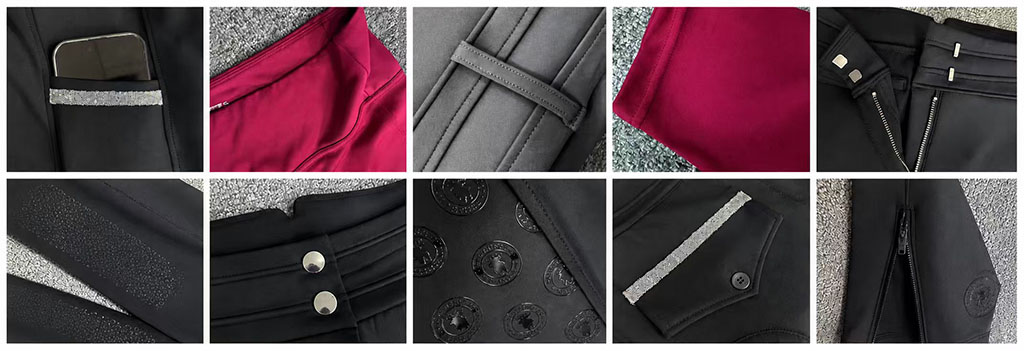
The details on riding pants should suit how riders use them and support your brand’s design. Fineactive can discuss silicone grip, pockets, waistbands and leg openings with you, then confirm their placement and appearance during sampling.
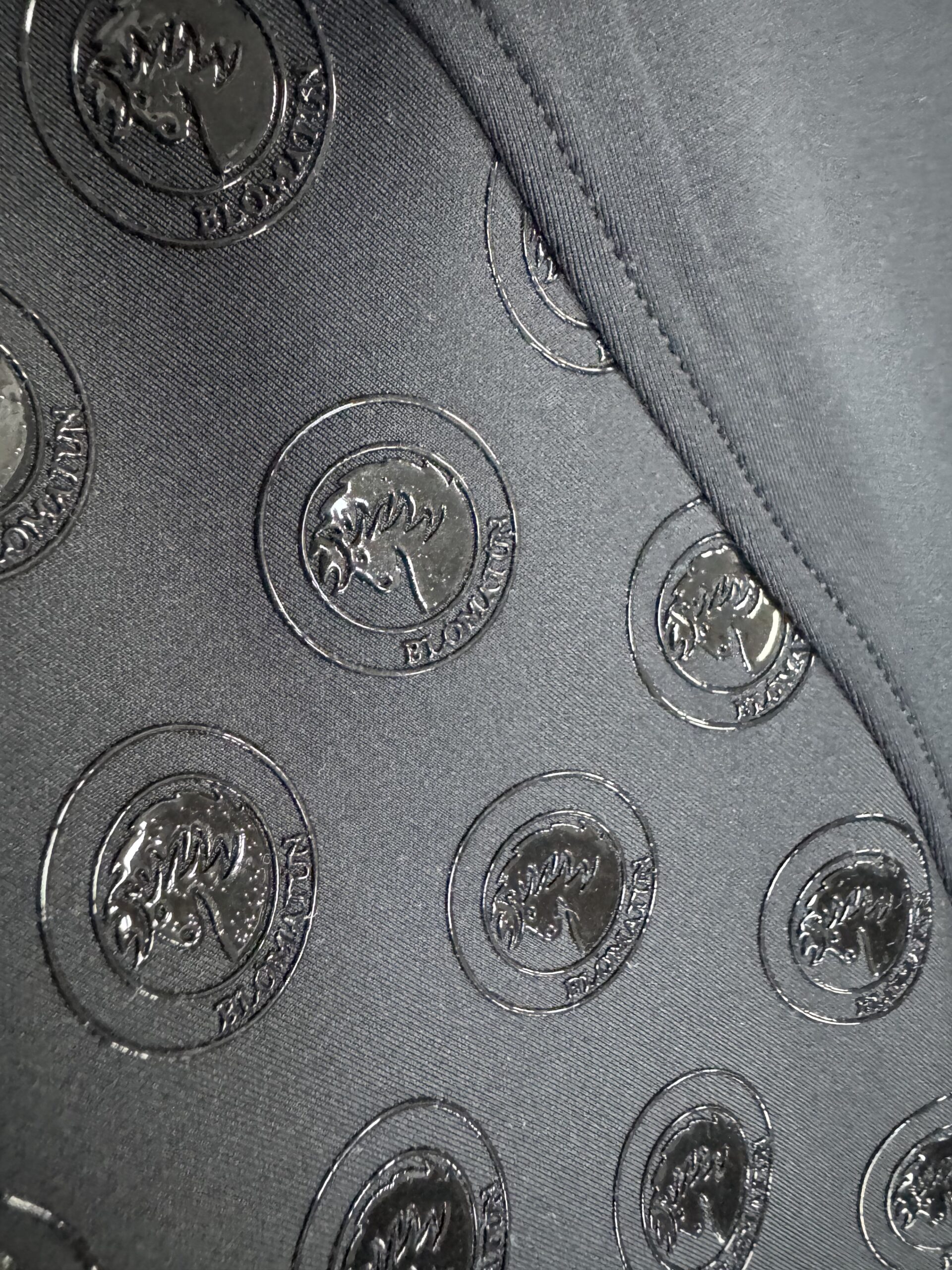
Full-seat silicone grip and knee grip are two common options. Full-seat grip covers a larger area across the seat and inner leg, while knee grip is concentrated on the inside of the knee. Your choice can reflect your target riders’ preferences, the intended use and the appearance of the collection.
The silicone pattern should work with both your design and the stretch of the fabric. During sampling, review its position, symmetry and feel on the finished garment. Adhesion and wash performance can be assessed according to the agreed requirements for your project.
| Custom detail | Options to discuss | What to check on the sample |
|---|---|---|
| Silicone grip | Full seat, knee grip and authorized custom patterns | Placement, coverage, symmetry and appearance when stretched |
| Phone pockets | Side-pocket position, opening and depth | Access while riding and comfort when seated |
| Waistband | High or mid rise, belt loops and closure | Comfort when seated, back coverage and overall fit |
| Leg opening | Stretch panels or a close-fitting finish | Smooth fit inside riding boots without excess bulk |
| Seams | Placement and stitching suited to the fabric | Bulk, appearance and comfort along inner-leg contact areas |
If you have grip artwork, pocket measurements or other details in mind, include them with your design information. Our team can review them alongside the fabric and pattern, then confirm the proposed details on the sample.
Recording approved artwork, placement and measurements in the technical file gives the production team a clear reference for bulk manufacturing and future repeat orders.
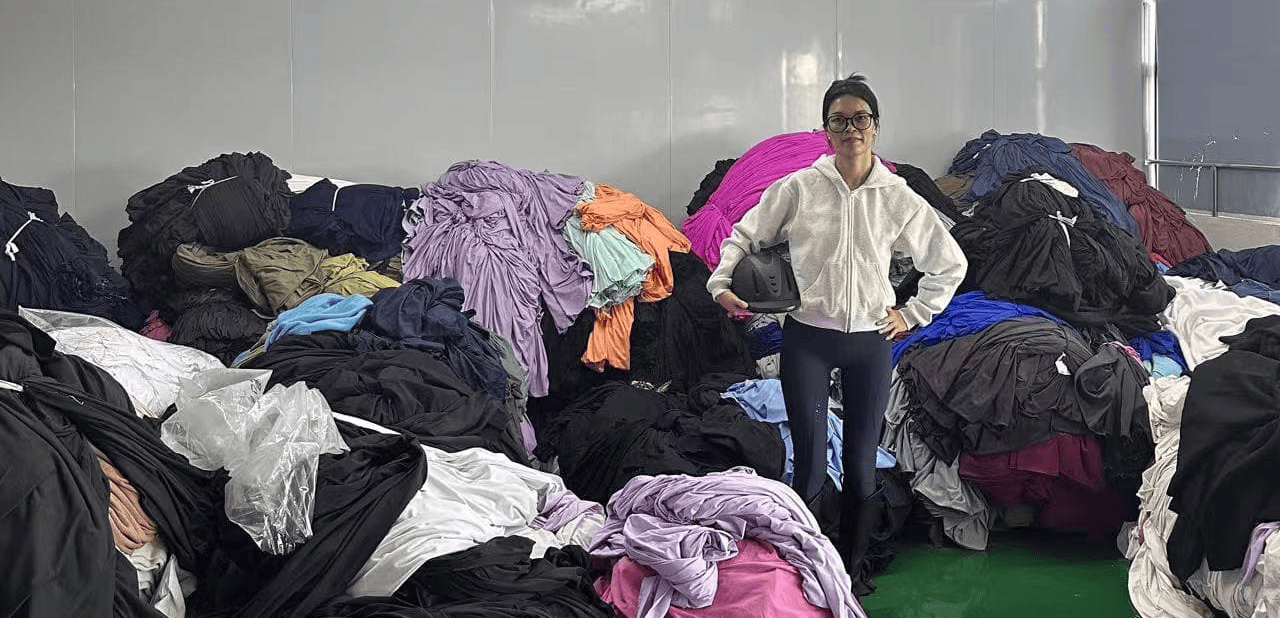
Performance Fabrics
High-performance materials for comfort, durability and reliable performance. Four-way stretch. Moisture-wicking. Anti-pilling. Thermal and water-repellent options
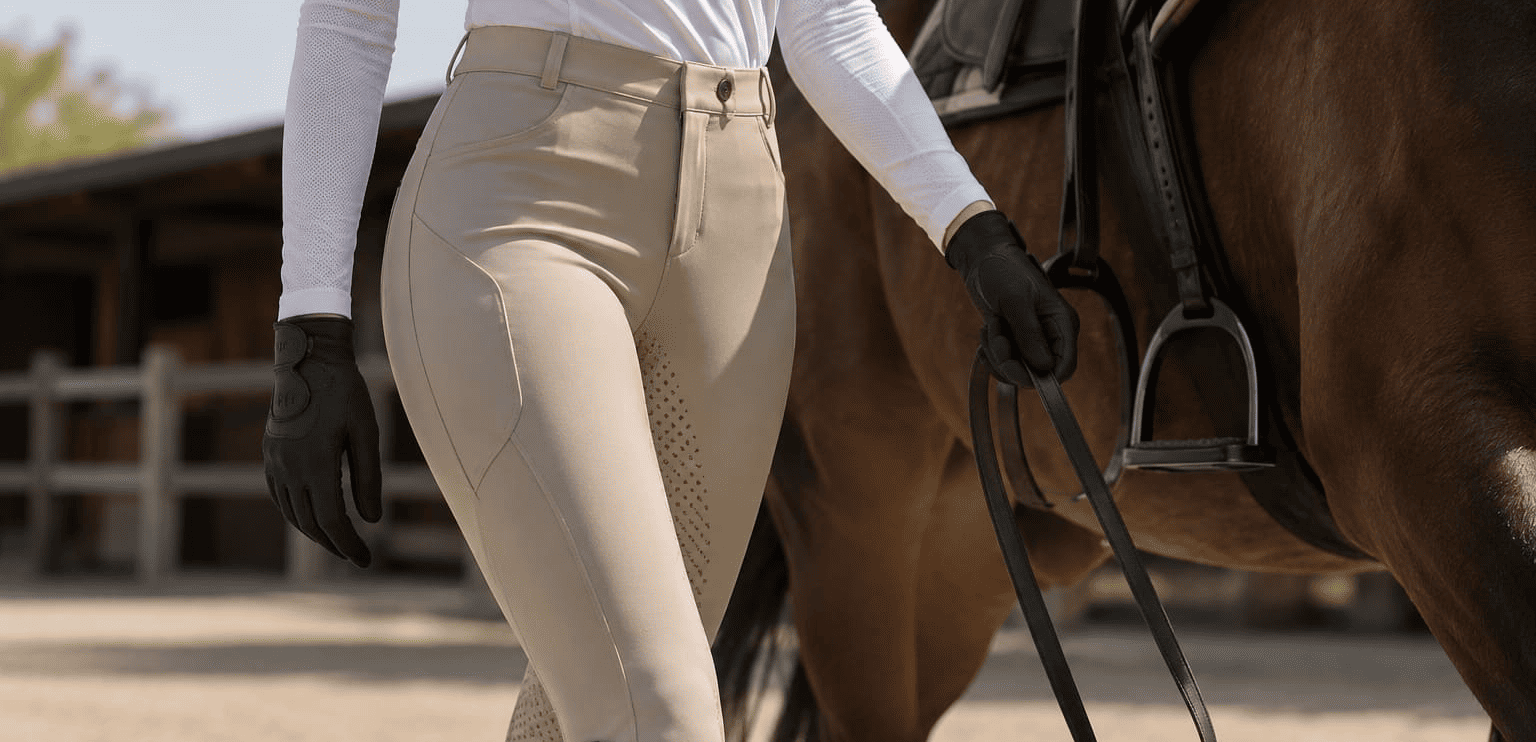
Riding-Specific Fit
Ergonomic designs for freedom of movement and in-saddle comfort. Waist rise (high, mid or low). Crotch depth and knee articulation. Inseam and seam placement. Optimized for riding performance and comfort
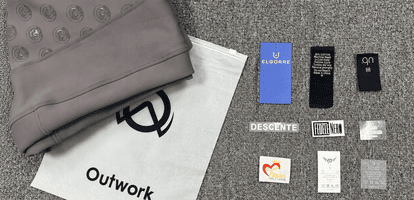
Branding Options
Full customization to create distinctive branded apparel. Embroidery, heat transfers and silicone logos. Custom colors to match your brand. Woven labels, care labels, hangtags and zippers. Packaging solutions.
Select Fabrics for Your Riding Pants
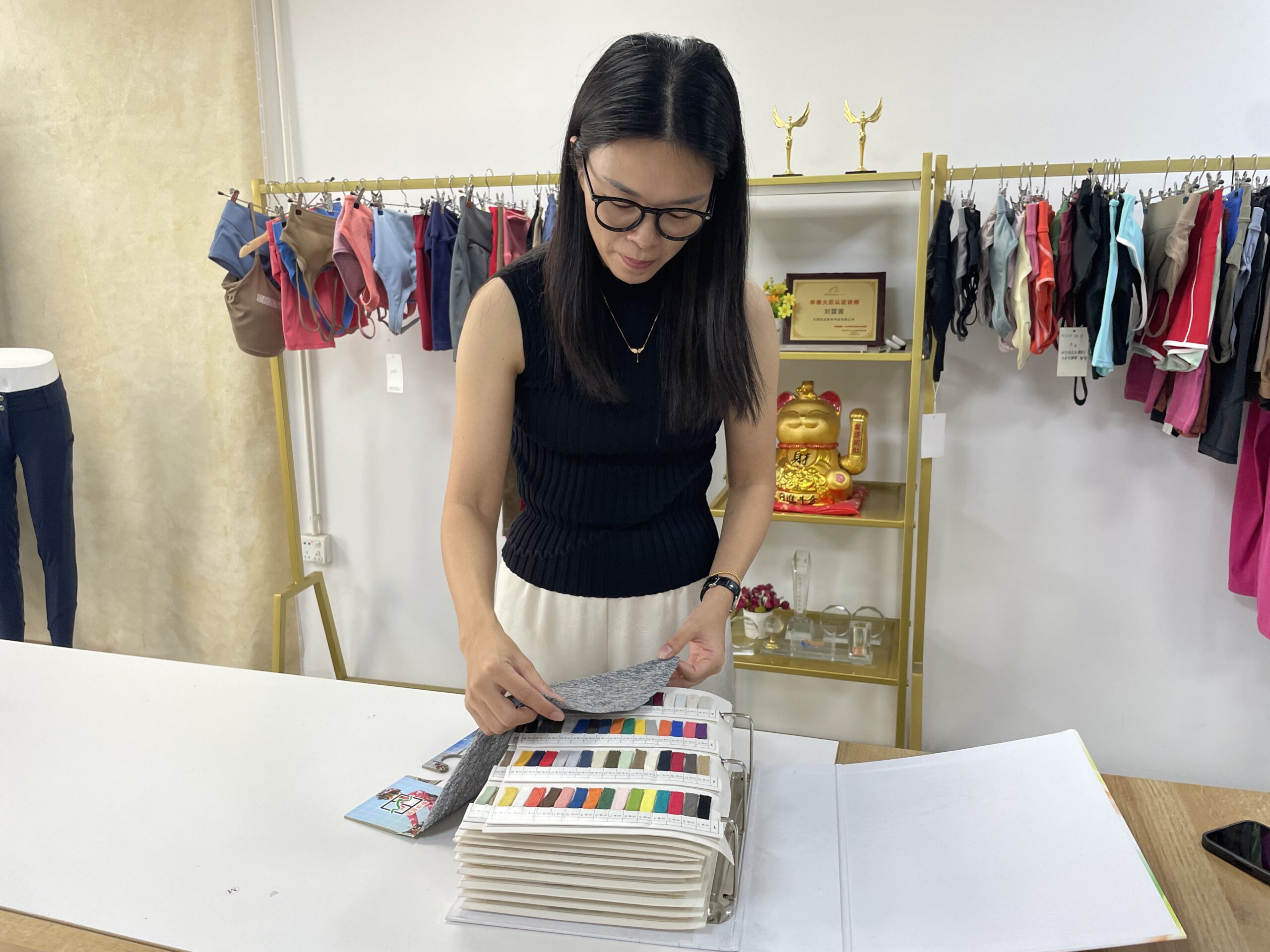
Fabric affects the fit, coverage and all-day comfort of riding pants. Fineactive discusses fabric choices with you based on your product use, target market and price level, helping you confirm the stretch, fabric weight and performance requirements before sampling.
Riding tights generally need to sit close to the body while accommodating repeated movement at the hips and knees. Nylon-spandex and polyester-spandex blends are options to discuss during development, although the final feel and performance depend on the fabric structure, fiber ratio and finishing. For competition breeches with a more structured appearance, stretch woven fabrics can also be considered.
Season is another factor. A summer training style may call for a lighter fabric or breathable panels, while a winter style may benefit from a brushed inner surface. Alongside fabric weight, consider coverage when stretched, hand feel and how the material works with the intended fit.
| Fabric requirement | What to confirm before sampling |
|---|---|
| Stretch and recovery | Whether the fabric maintains the intended fit after bending and stretching |
| Weight and coverage | Whether the material suits the season and provides acceptable coverage when stretched |
| Surface durability | Discuss abrasion, pilling and appearance after washing separately; ASTM D4966 describes a Martindale method for assessing fabric abrasion resistance, with test conditions and interpretation agreed with the laboratory. |
| Color and hand feel | Whether the color sample meets your requirements and the fabric feels right for your customer |
| Functional requirements | Whether moisture management, UV protection or water repellency needs to be verified |
If you have a nominated fabric or supplier, share the composition, weight, color reference and available specifications with our team. If you have not selected a material, we can discuss options based on the intended use and review their appearance and feel in a garment sample.
For claims such as UV protection, water repellency or moisture management, agree on the testing requirements during development and base product descriptions on the selected material and relevant test results.
Bring Your Design to Production
Turning a riding pants design into a production-ready product starts with confirming how the fit, materials and construction work together. Fineactive develops your specifications from a design package or product idea, then uses samples to confirm the details needed for bulk manufacturing.
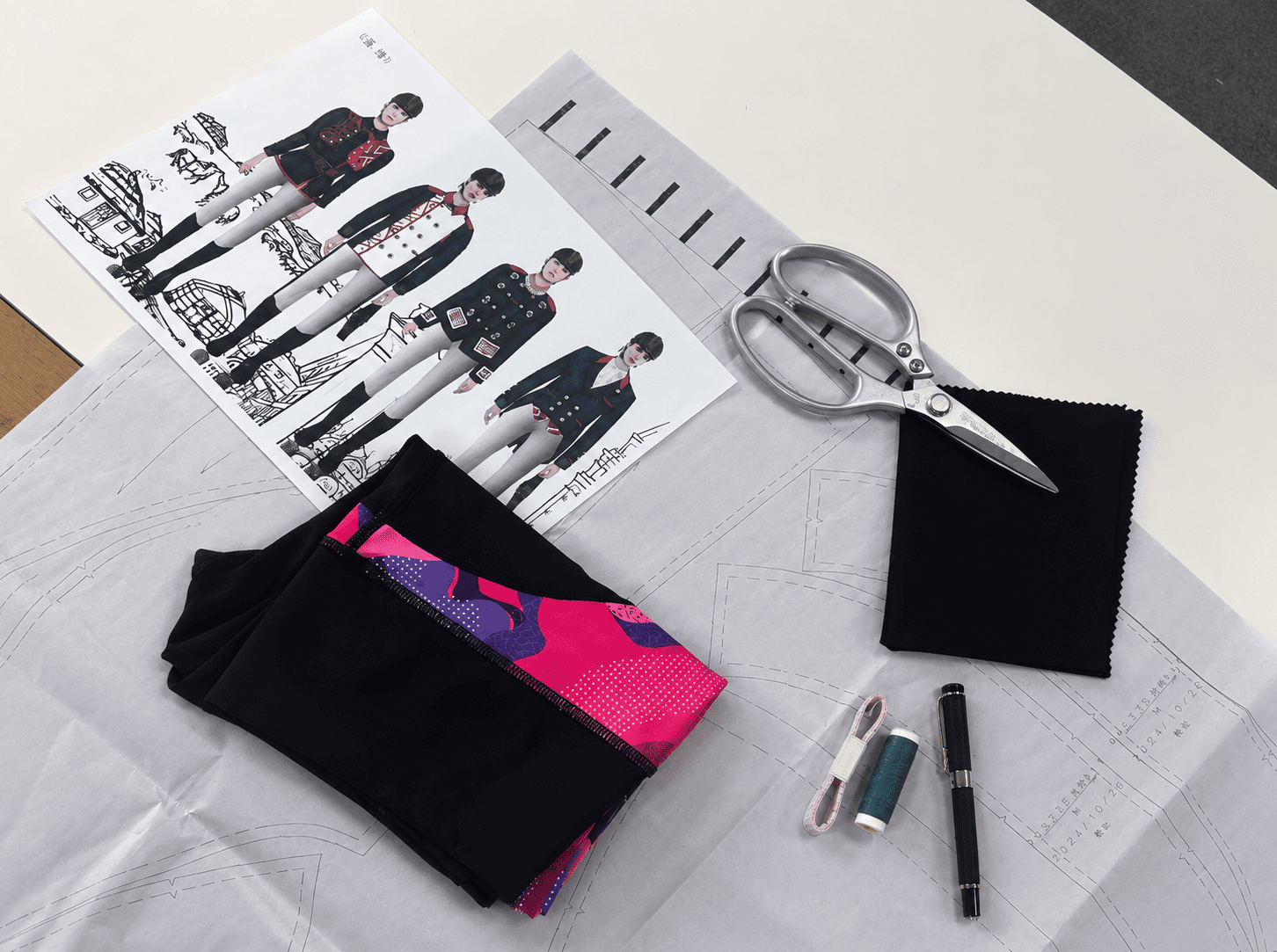
You can provide a complete Tech Pack, or start with a sketch, an authorized reference sample or a product description. Clear information helps both teams assess the development work involved. If some details are still open, we can first discuss the intended wearer, riding activity, sizing requirements and desired product appearance.
A custom riding pants project typically follows these steps:
- Review the design. Confirm the style, target sizes, fabric direction, silicone grip, branding details and planned quantity. Any missing requirements can be discussed before sampling.
- Prepare the specifications. Record measurements, materials, construction, artwork placement and other key details to support pattern development and quotation.
- Develop and review the sample.Check the fit, appearance and workmanship, record any requested changes, and discuss whether fabric dimensional-change testing using AATCC TM135 is needed before final material approval. Additional revisions or special materials may require a separately agreed schedule.
- Approve the pre-production sample. Before bulk manufacturing, confirm the final measurements, fabric, color, construction, labels and packaging, and document the approval.
For example, if you have a riding tight that fits well but want to add a phone pocket, we can discuss the pocket’s position, dimensions and construction, then review the result on a sample.
The quotation and production plan should reflect the approved product specifications. If the fabric or construction changes after sample approval, the cost and timing may also need to be reconfirmed. Keeping each revision and approval documented helps both teams work from the same information during production.
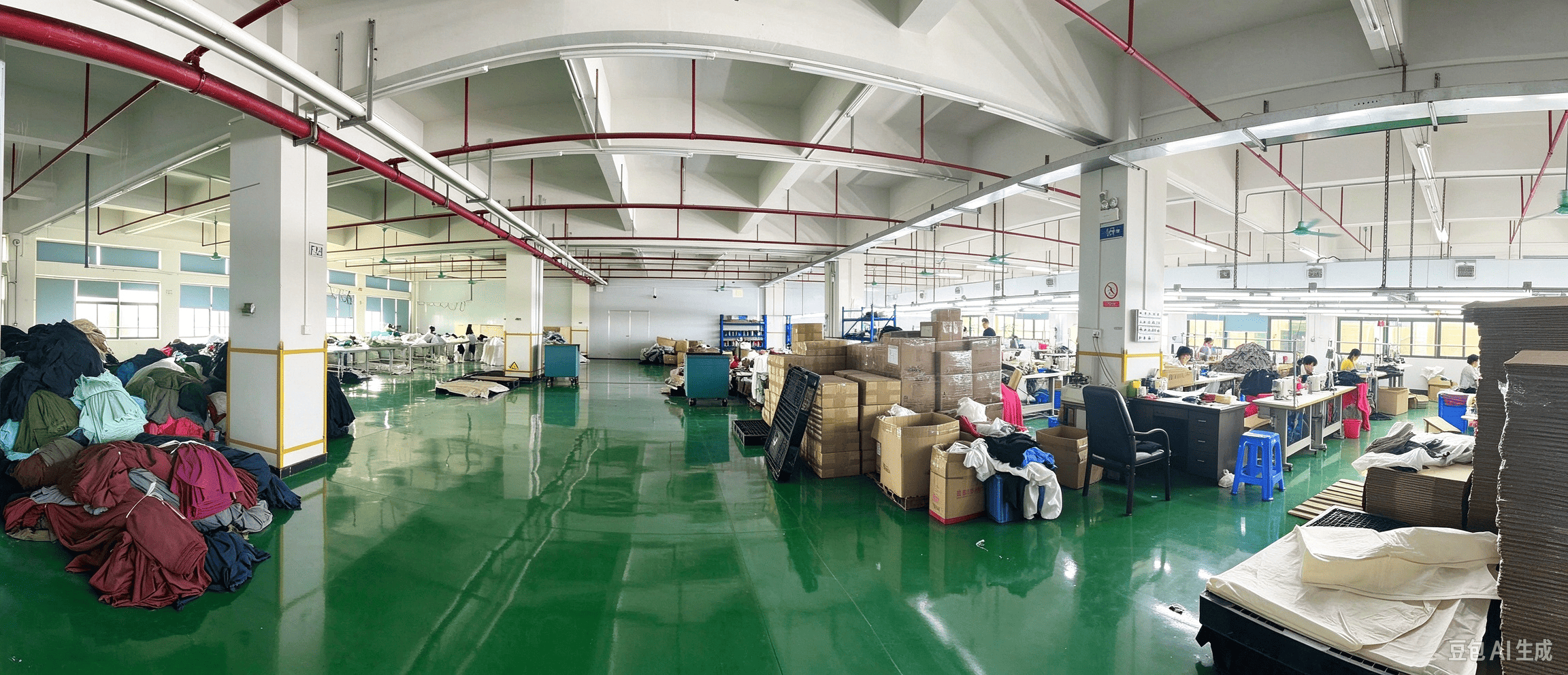

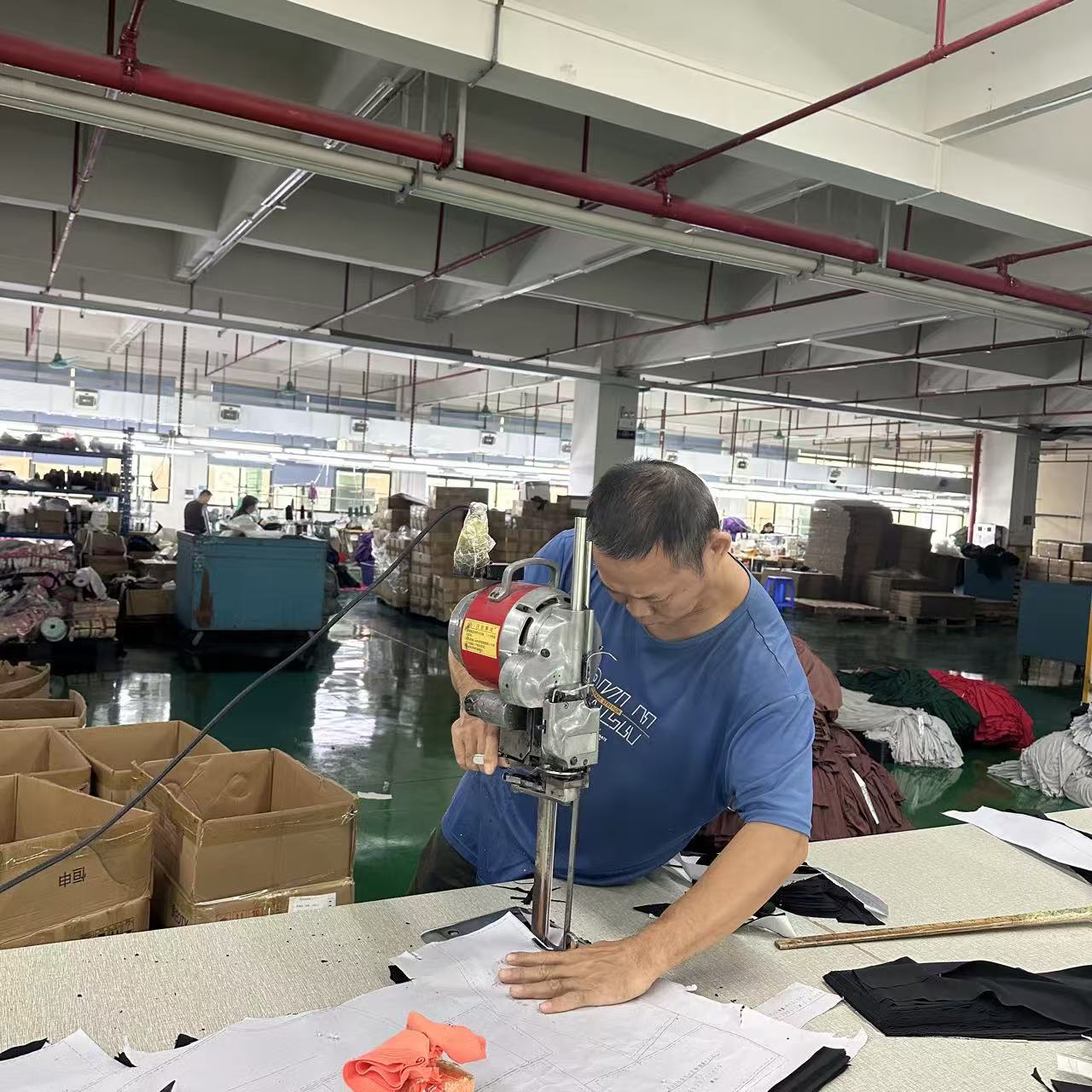
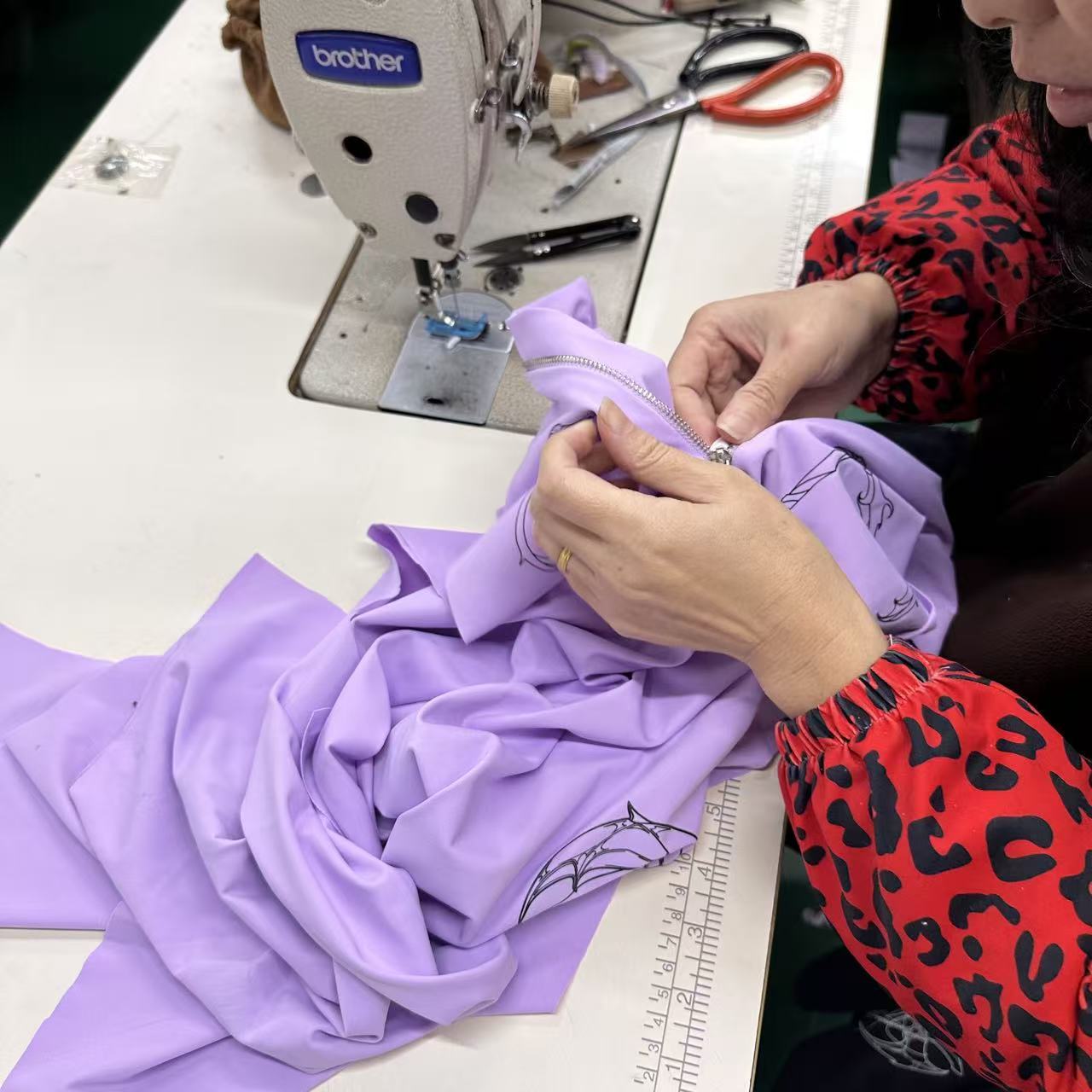
Production Lines: 7 lines, including 3 dedicated equestrian apparel lines
Sample Development Team: 11 personnel
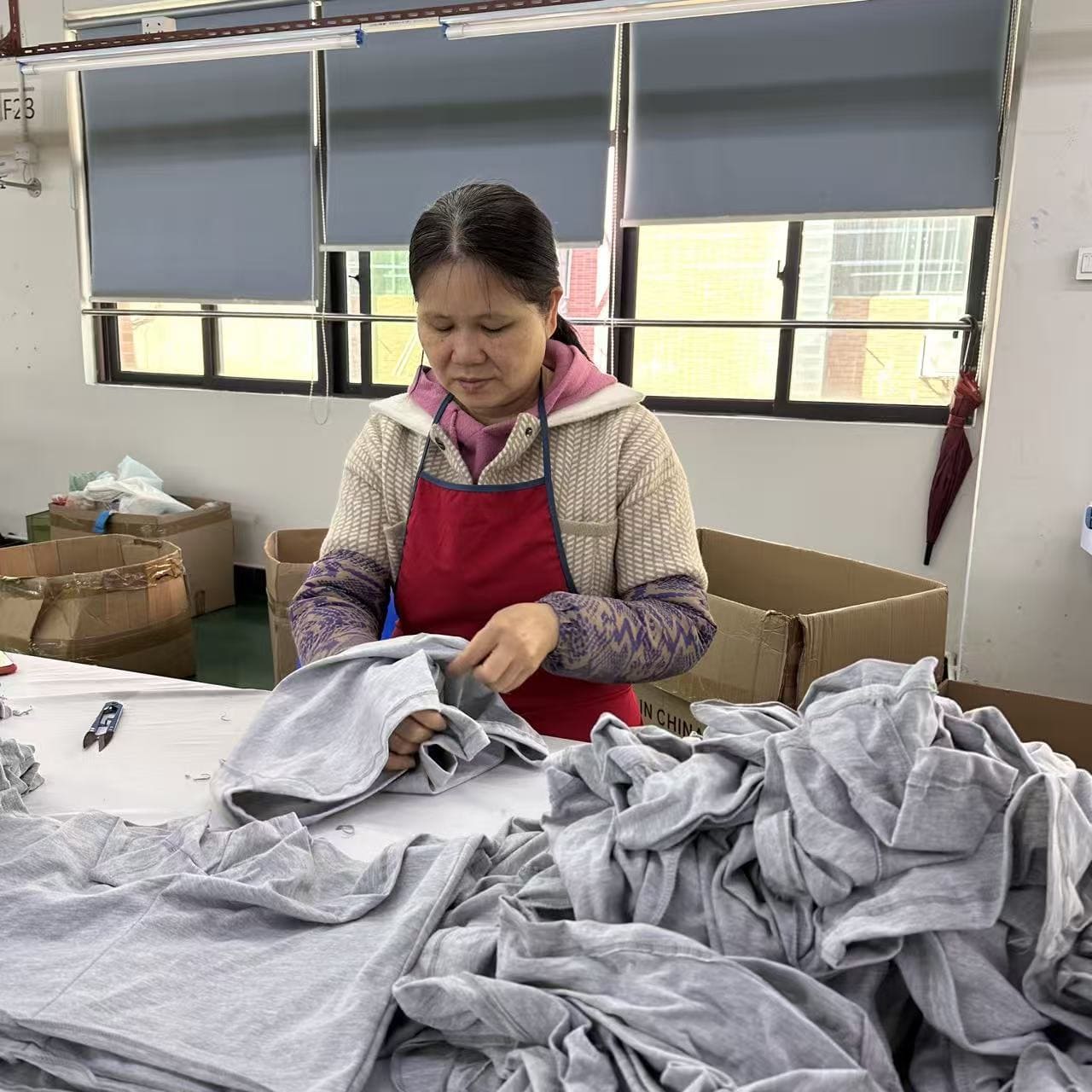
Quality Control Team: 13 inspectors
Overall Monthly Capacity: Approximately 50,000 garments across factory operations
Minimum Order Quantity: 100 pieces per style per color
Sampling Lead Time: 7–15 working days
Bulk Production Lead Time: 25–35 working days
Manufacturing Services: OEM, ODM, and Private Label
Order Support: Sampling, bulk orders, seasonal collections, and repeat production
Create Your Private Label Riding Collection
A private label riding collection needs consistent branding across the garment, labels and packaging. Fineactive offers OEM, ODM and private label cooperation for equestrian brands, helping you apply your brand requirements to custom riding pants and their presentation.
Whether you are launching one training tight or developing several styles of competition breeches, we can discuss colors, branding methods and packaging based on your collection.If you already have a product range, share your authorized design guidelines so our equestrian brand clothing development services can help align new riding pants with your existing collection.
| Cooperation model | Suitable for | How we work |
|---|---|---|
| OEM | Brands with established designs and specifications | Develop samples and arrange production against agreed requirements |
| ODM | Brands seeking product development support | Develop a style from your original requirements or an authorized base pattern |
| Private label | Brands building a consistent product presentation | Coordinate branding, labels and packaging with product development |
Brand marks can be applied using embroidery, printing or heat transfer, depending on the design. The fabric’s stretch, the position of the mark and the desired finish all matter. A logo on a waistband, side pocket or leg opening may look different when the fabric stretches, so its size, placement and application should be reviewed on the sample.
You can also provide artwork for woven labels, care labels, hangtags and packaging. For collections with multiple styles or colors, confirming color references, label content and barcode requirements early helps keep packing details consistent.
Before production, both teams should approve the final artwork, branding positions and packaging specifications. Fineactive uses trademarks and design materials with the customer’s authorization. If your project requires confidentiality, an NDA can be discussed before development begins.
MOQ, Sampling and Production Details
Clear purchasing terms help you plan styles, colors and delivery before starting development. The information below gives you a basic reference for a custom riding pants project with Fineactive. The final quotation and production schedule depend on the confirmed product requirements.
| Purchasing detail | Standard information |
|---|---|
| Minimum order quantity | 100 pieces per style per color |
| Size allocation | Sizes within one approved style and color can be allocated by an agreed size breakdown |
| Sample lead time | Normally 7–15 working days after essential design, material and technical details are confirmed |
| Bulk lead time | Normally 25–35 working days, subject to order, material and pre-production approvals |
| Cooperation | OEM, ODM and private label |
| Product range | Riding breeches, riding tights and other equestrian apparel |
For example, if you plan to order one riding tight in black and navy, plan for 100 pieces of each color. Different sizes can be allocated within the same style and color by agreement. Different styles or colors are not automatically combined to meet the MOQ.
The sample schedule begins after the essential development information has been confirmed. Special materials, complex construction or additional revisions may require a separately agreed timeline. Bulk scheduling also depends on the pre-production sample, order conditions and material availability.
Pricing is influenced by the fabric, silicone coverage, construction, branding, packaging and order quantity. For a more accurate quotation, share your proposed styles, quantities per style and color, target delivery date, and any available designs or reference materials.
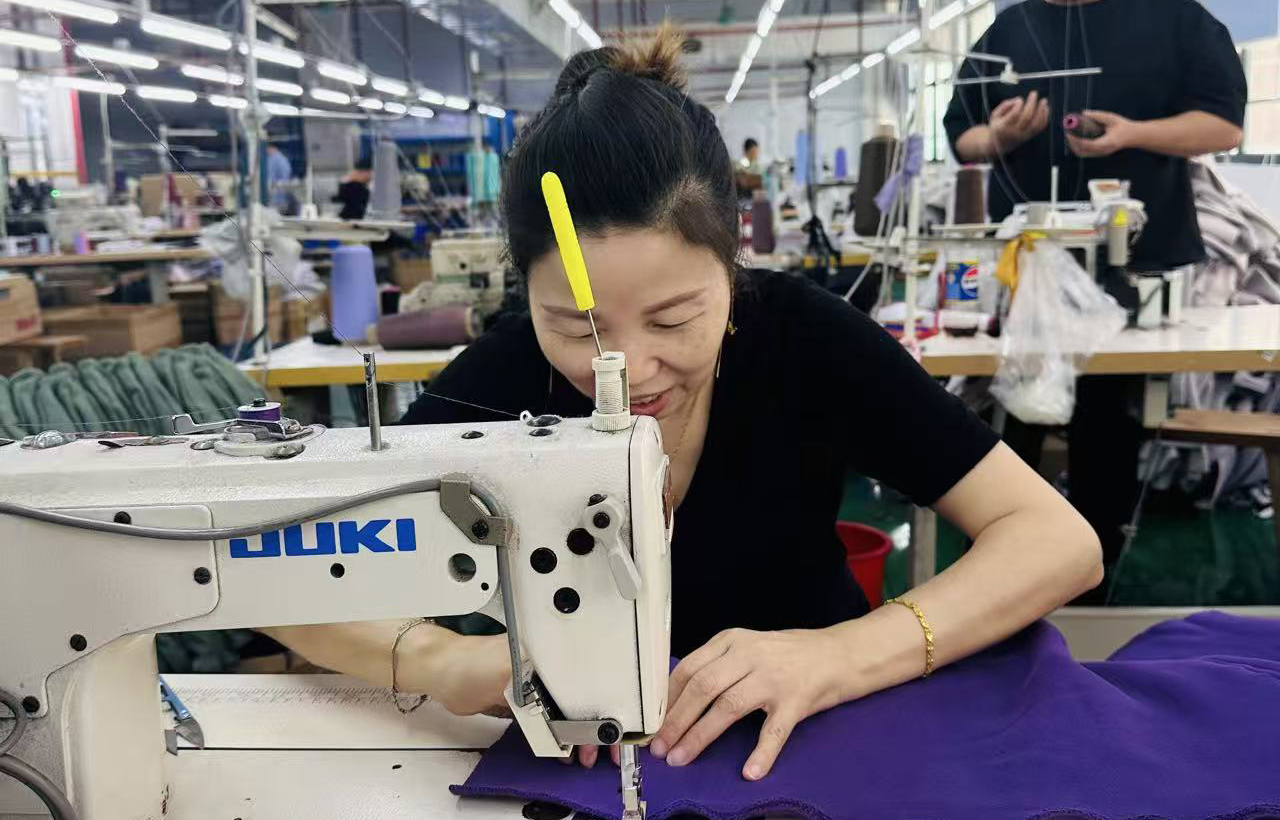
Fineactive’s company information records seven production lines, including three equestrian apparel lines, and approximately 50,000 pieces of overall monthly factory capacity. Available capacity and scheduling for your order should be confirmed with our team.
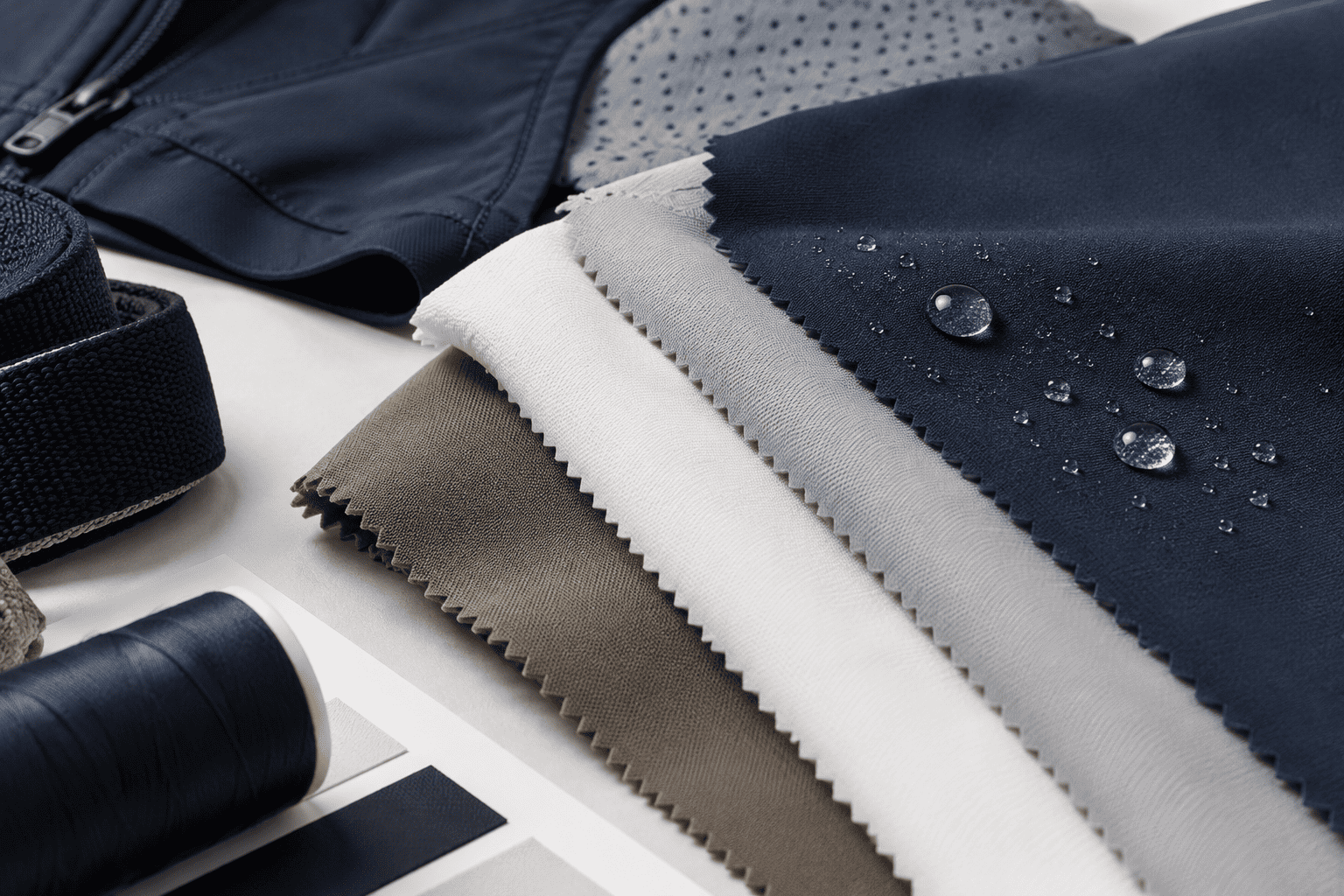
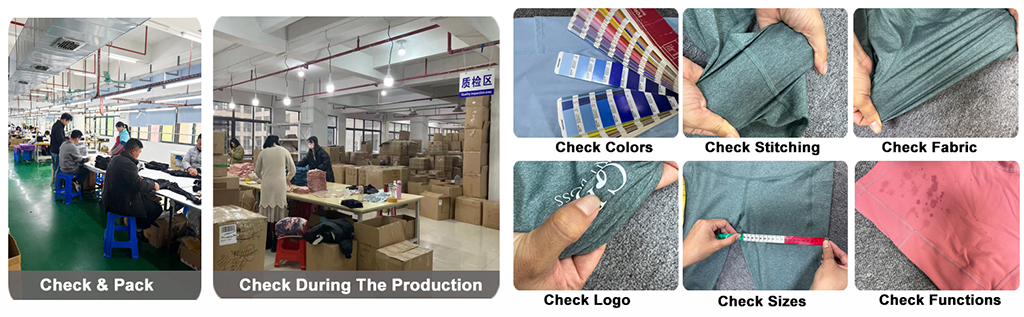
Raw material inspection based on approved quality standards
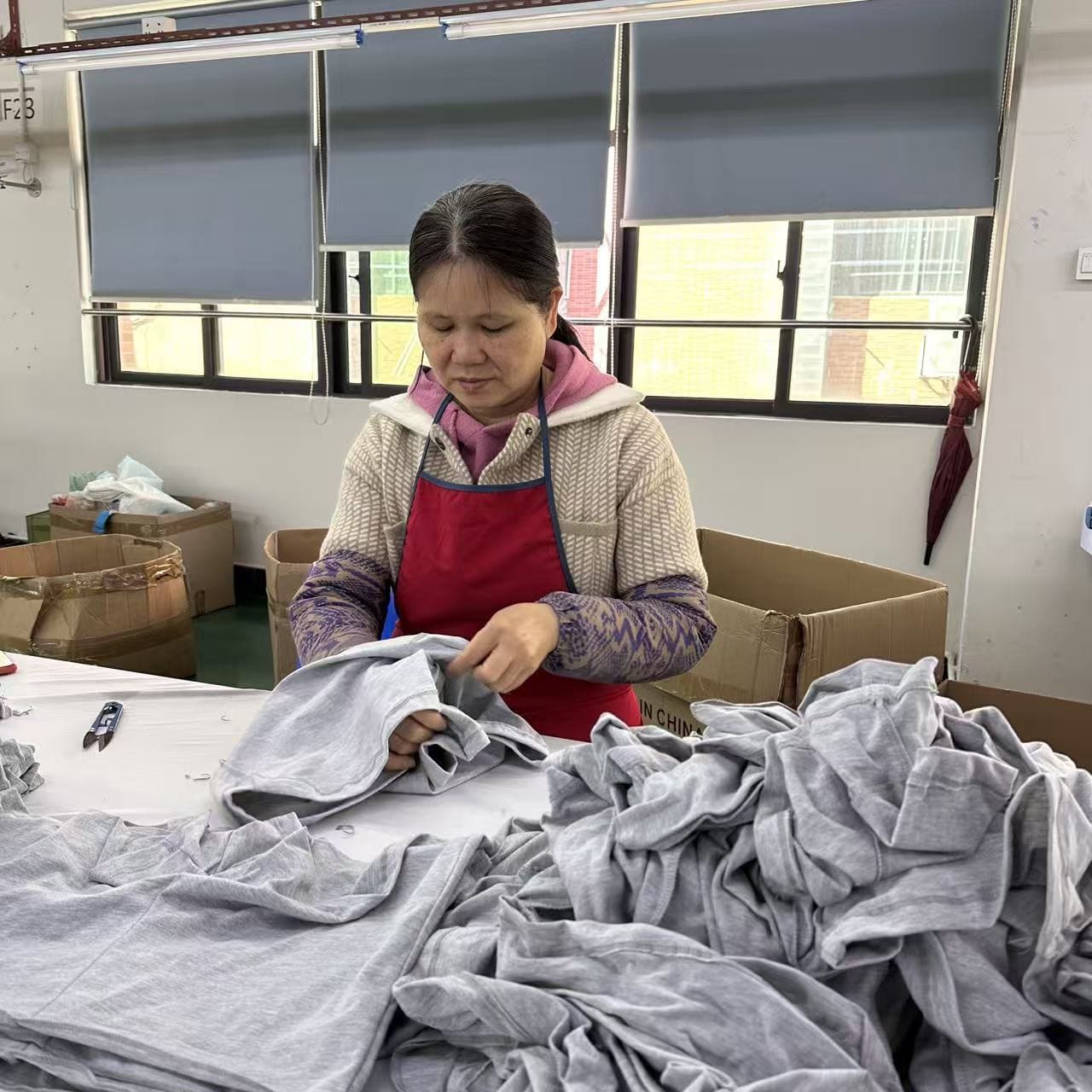
Inline sample checks during cutting, sewing, and assembly
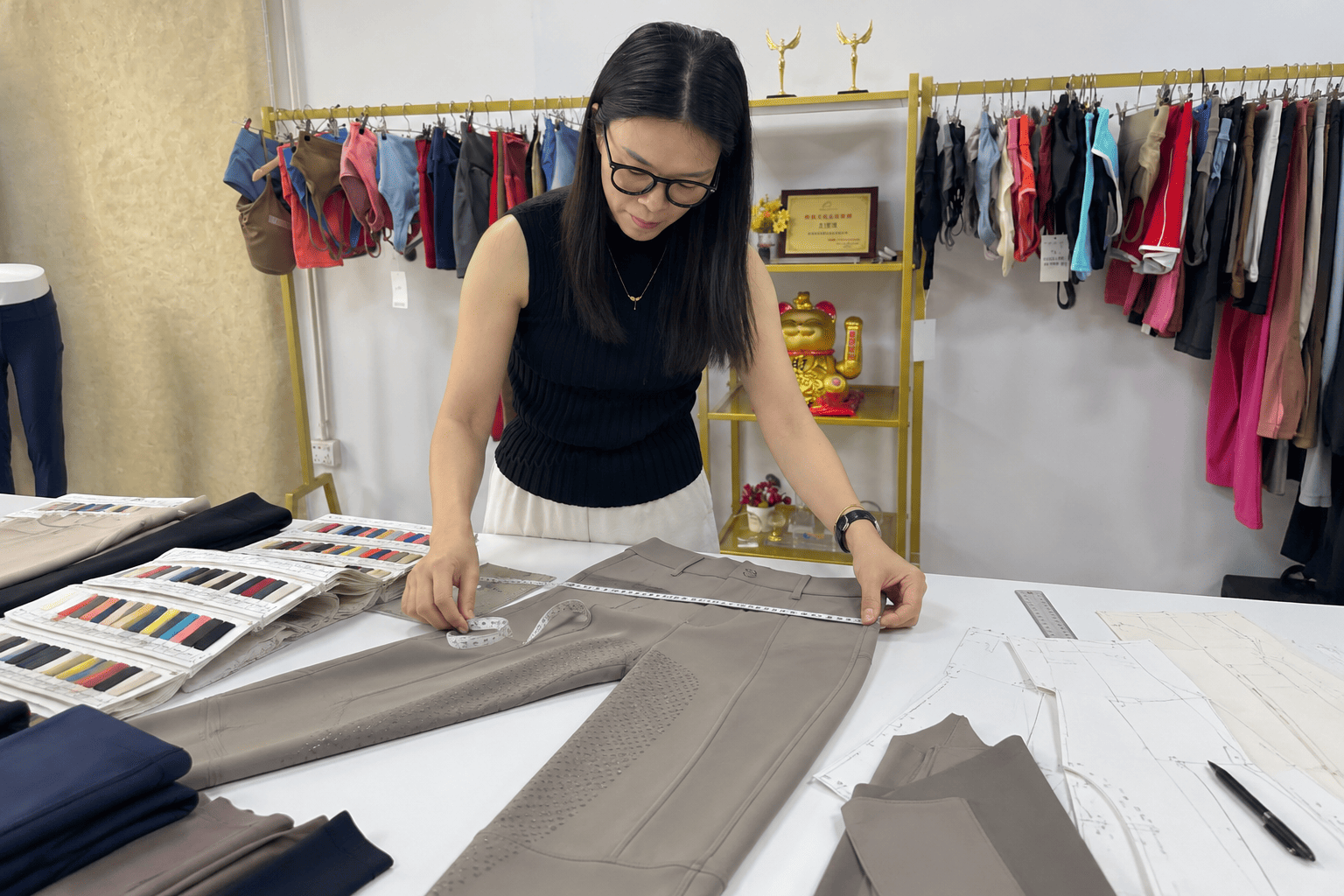
Measurements, appearance, stitching, seams, product performance
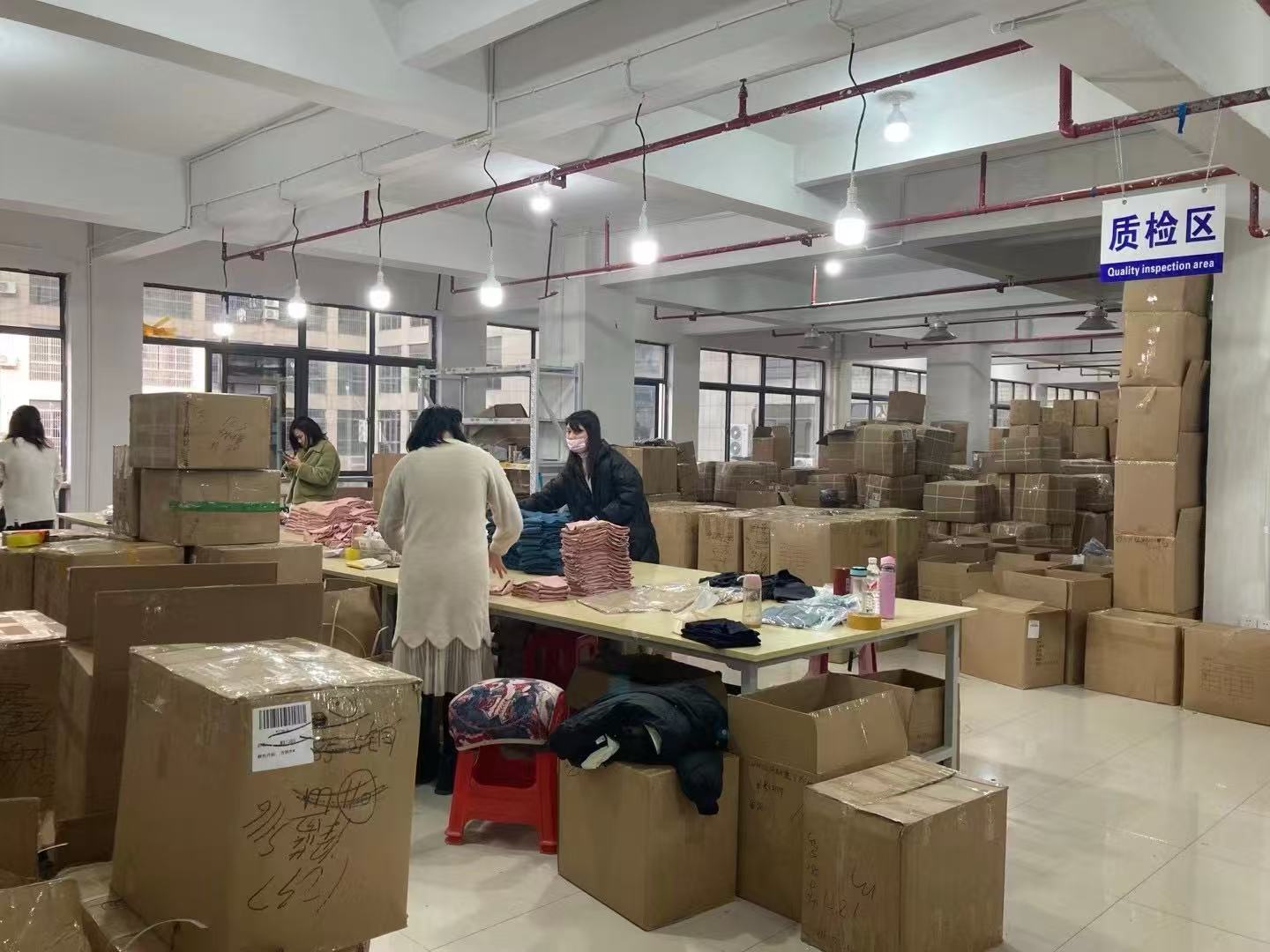
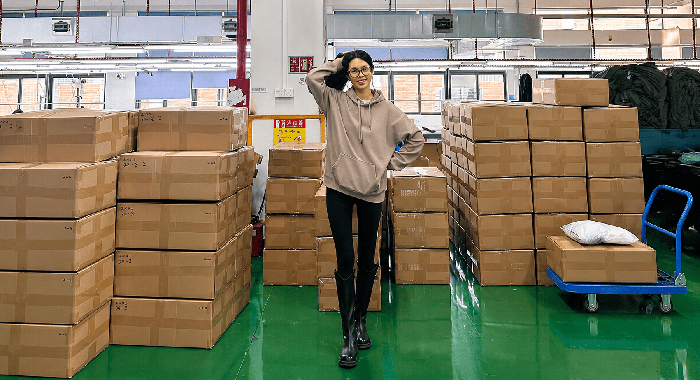
Approved AQL sampling, carton size, label, packaging
Loaded products against approved order
Ensure materials meet specifications
Identify and correct issues early
Verify finished garments meet requirements
Confirm shipment readiness
Ensure products are shipped according to schedule
Quality Control from Sample to Shipment
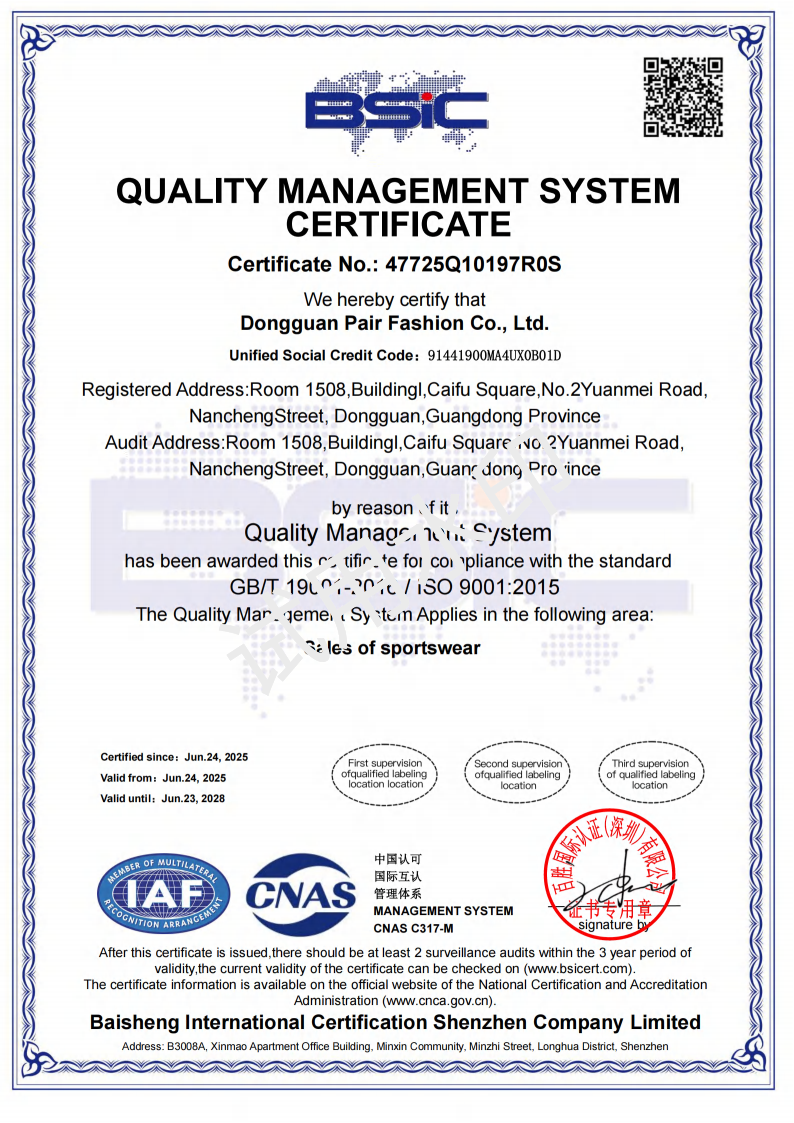
Once a sample is approved, your bulk order needs to follow the same agreed requirements. Fineactive uses the pre-production sample, technical documents and staged inspections to check measurements, appearance and key construction details before shipment.
Before production, both teams should approve the pre-production sample and final technical information, including the size chart, fabric, color, silicone artwork, branding and packaging. The sample provides a physical reference, while the written specifications record measurement methods, tolerances and other requirements that may not be clear from appearance alone.
| Inspection stage | Key checks |
|---|---|
| Incoming materials | Fabric color, appearance and weight, plus trims as required for the project |
| First production piece | Construction, seams and silicone placement against the approved sample |
| In-process inspection | Waistband, crotch, inner-leg seams and key stress areas |
| Finished garment inspection | Measurements, symmetry, appearance, labels and packaging |
| Pre-shipment inspection | Quantities, size allocation and the agreed inspection requirements |
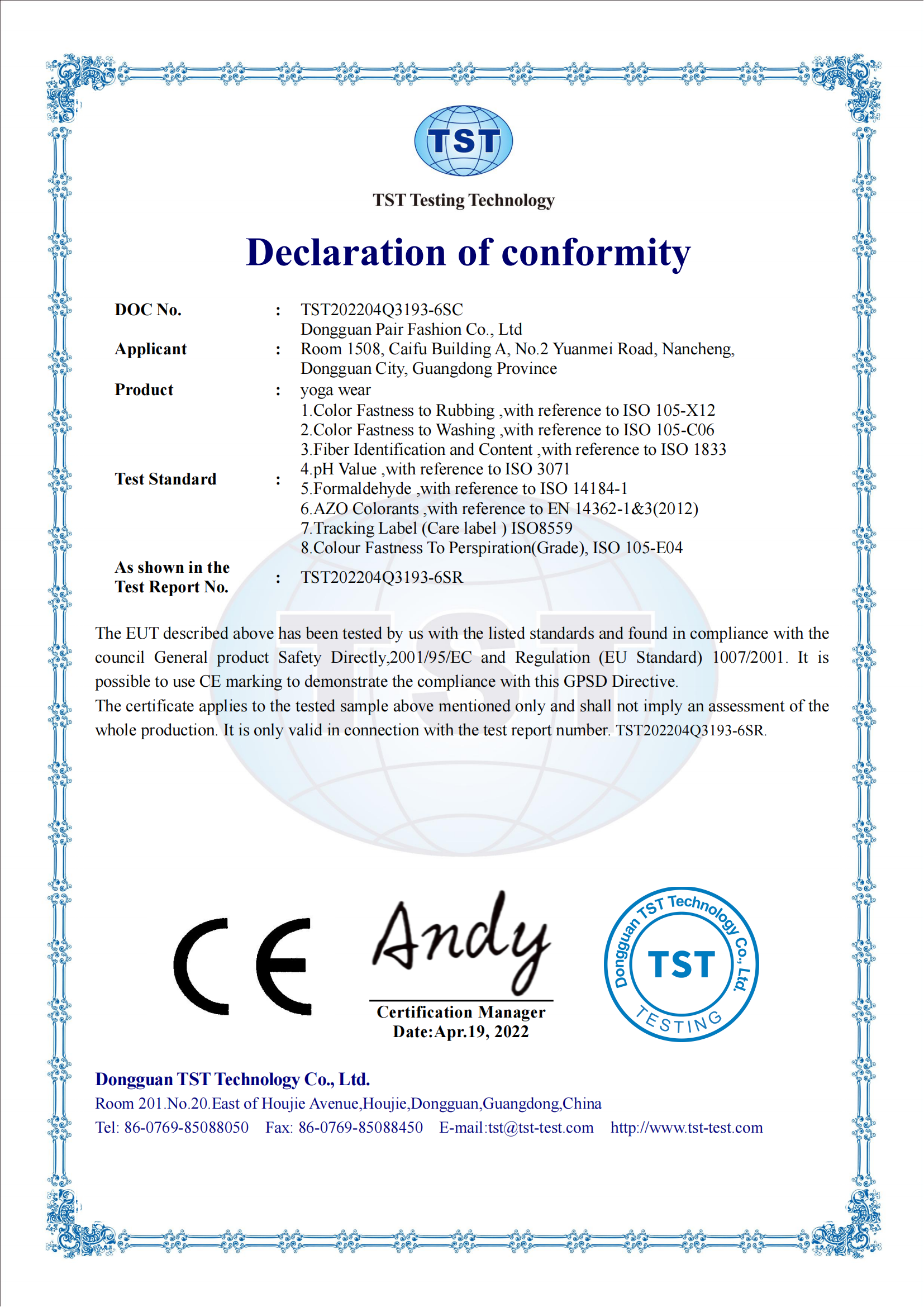
Some areas of riding pants need particular attention. Stitching and bulk along the inner leg can affect comfort in the saddle. The crotch and waistband should be checked for workmanship, while silicone grip should be reviewed for placement, symmetry and appearance. Adhesion, wash performance and other functional checks follow the agreed inspection plan; where fabric color transfer is a concern, discuss dry and wet rubbing tests using ISO 105-X12 and agree on the required results before production.
If you require third-party testing or an AQL inspection, confirm the scope, acceptance criteria, costs, timing and reporting requirements before placing the order. Any changes to fabric, artwork or measurements after pre-production approval should be confirmed in writing and added to the production documents.
The approved sample and inspection criteria can also provide a reference for repeat orders, helping both teams check that the product continues to meet the agreed requirements.
Start Your Custom Riding Pants Order
Whether you are launching your first riding tight or developing new competition breeches for an established brand, clear project information helps both teams plan sampling and quotation. Share your requirements with Fineactive, and we can discuss the next steps for your custom riding pants.
You do not need to prepare all the details before first contacting us. If you only have an initial product idea, tell us your target customers, the riding activities the product is for and the features you need. If you already have a Tech Pack or sample, you can send us the measurements, fabric and construction requirements for review.
To help us understand your project, provide as much of the following information as you can:
- Product and use: Riding breeches or tights for training, competition or a seasonal collection.
- Design information: A sketch, Tech Pack, authorized reference image or physical sample.
- Sizing and fit: Target wearer, size range, size chart and any fit issues you want to improve.
- Materials and details: Preferred fabric, colors, silicone grip, pockets and branding.
- Order plan: Estimated quantity per style and color, target delivery date and price range.
- Additional requirements: Packaging, testing, inspection or destination requirements.
If you are starting a new brand, you may wish to begin with one core product and define the customer and features it needs. If you are expanding an existing range, your current size chart, color standards and authorized design files can help guide the new style.
Once we understand your requirements, we can discuss any information still needed and review the sampling and quotation arrangements. Costs and timing for special materials, complex construction or additional testing depend on the project details.
Ready to develop your riding pants collection? Share your design or product idea with Fineactive to discuss development requirements, samples and pricing.
Questions About Ordering Custom Riding Pants
Find answers to common questions about our OEM and ODM equestrian apparel manufacturing, including minimum order quantities, customization options, sample development, production timelines, and shipping.
1. What is your MOQ for custom riding pants, and can I split sizes and colors?
Fineactive’s standard minimum order quantity is 100 pieces per style per color, with sizes allocated within that approved style and color according to an agreed breakdown; different styles or colors are not automatically combined to meet the minimum.
For example, one riding breech design in black and navy requires a planned minimum of 100 pieces in each color. Share your proposed size range and quantities before confirming the order. If you are launching a collection, we can discuss a focused assortment that keeps the number of styles and colors manageable.
2. What information do you need to quote my private label riding pants?
To quote private label riding pants, Fineactive needs your design or authorized reference, estimated quantity per style and color, fabric requirements, size range and branding details, together with any packaging, testing and delivery requirements that affect the scope.
A complete Tech Pack is helpful, but an early concept can be reviewed with the missing details identified. Specify whether you need full-seat or knee grip, custom labels and retail packaging. Before accepting the quotation, confirm what it includes and whether sampling, testing, freight or other services are charged separately. Later specification changes may require revised pricing.
3. How are sample fees, revisions and approval handled before bulk production?
Before sample development begins, agree with Fineactive on the sample type, development scope, charges and revision arrangements, then review the garment against your fit, material and construction requirements before approving the final pre-production sample for bulk manufacturing.
Standard sampling normally takes 7–15 working days after essential information is confirmed. Additional sizes, revised patterns or special materials may require separate charges and timing. Ask for these conditions in writing. If a sample-fee refund is offered, confirm its bulk-order threshold and other conditions; a refund should not be assumed unless it is included in your agreement.
4. When does the bulk production lead time start, and is shipping included?
Fineactive’s standard bulk production reference is 25–35 working days, with the actual start date confirmed against pre-production approval, agreed payment conditions and material readiness; this production period should be distinguished from international transit and customs-clearance time.
Tell us your required delivery date and destination before placing the order, especially for seasonal launches or club events. Custom-dyed fabrics, complex silicone work, additional testing and holidays can affect scheduling. Confirm whether the quotation covers production only or also freight, and agree on the shipping method. Any change affecting the schedule should be reviewed before a revised delivery commitment is made.
5. How do we agree on quality standards and inspect the order before shipment?
Before production, agree with Fineactive on the approved sample, measurement methods, tolerances, workmanship requirements and functional checks, then document the inspection scope and acceptance criteria so both teams have the same basis for evaluating the finished riding pants.
Pay particular attention to waistband measurements, crotch and inner-leg seams, silicone placement and garment appearance. If you require third-party inspection or AQL sampling, confirm the inspection level, defect classifications, timing and responsibility for shipment release. Test requirements should match the selected fabric and product claims. Any nonconformity should be recorded and its proposed resolution agreed before dispatch.
6. Can you support repeat orders without changing the fit, fabric or color?
Fineactive can review repeat riding pants orders against the approved product records, but fabric availability, color matching, pricing and production timing should be reconfirmed for each order rather than assuming that every original material or condition remains available.
Provide the previous style reference and identify any requested changes when discussing replenishment. Confirm whether the original fabric, trims and silicone specification can be used again. If a substitution is proposed, review its effect on fit, appearance and performance before approval. A new color or material may require another sample or test, depending on the change.
FINEACTIVE 自豪地采用 WordPress 构建