OEM/ODM Equestrian Apparel Manufacturer | Custom Riding Wear | Private Label | Low MOQ
Horse Tights Manufacturer | Private Label & OEM Customization
Fineactive is a horse tights manufacturer specializing in OEM, ODM and private label custom riding tights for equestrian brands worldwide.
✓ Low MOQ
✓ OEM & ODM
✓ Fast Sampling
✓ Bulk Production
Custom Riding Tights Built Around Your Brand
Your riding tights collection needs to match your riders, retail position and product plan. Fineactive provides OEM, ODM and private label development, helping you turn a design direction into agreed fit, fabric, grip and branding details.
Start with the rider’s needs. A training tight for everyday lessons, a lightweight summer style and a brushed cold-weather design call for different development choices. We review your intended use, target wearer and price position before defining the construction.
Bring a complete tech pack, sketches, reference photographs or a physical sample you are authorized to use for development. Before sampling, Fineactive checks the information you provide, identifies any missing details and confirms which points still need your decision.If your brand already has an established size chart, it becomes the starting point for pattern development.
| Your product plan | What we develop together |
|---|---|
| Core training style | Waistband stability, pocket layout and care requirements for regular riding |
| Summer collection | A balance of ventilation, coverage and support |
| Winter collection | A warm interior with riding stretch and a close fit inside boots |
| Women’s, men’s or youth range | Proportions, sizing and details for the intended wearer |
You set the product priorities. A first launch can focus on one core silhouette; an established collection can retain an approved fit while introducing new colors, fabrics or grip artwork. Changes that affect wear performance are reviewed before approval.
Send your style reference, target market and most important functional requirements. Together, we can define what needs to be developed and what the first sample should demonstrate.
Our core product categories include:
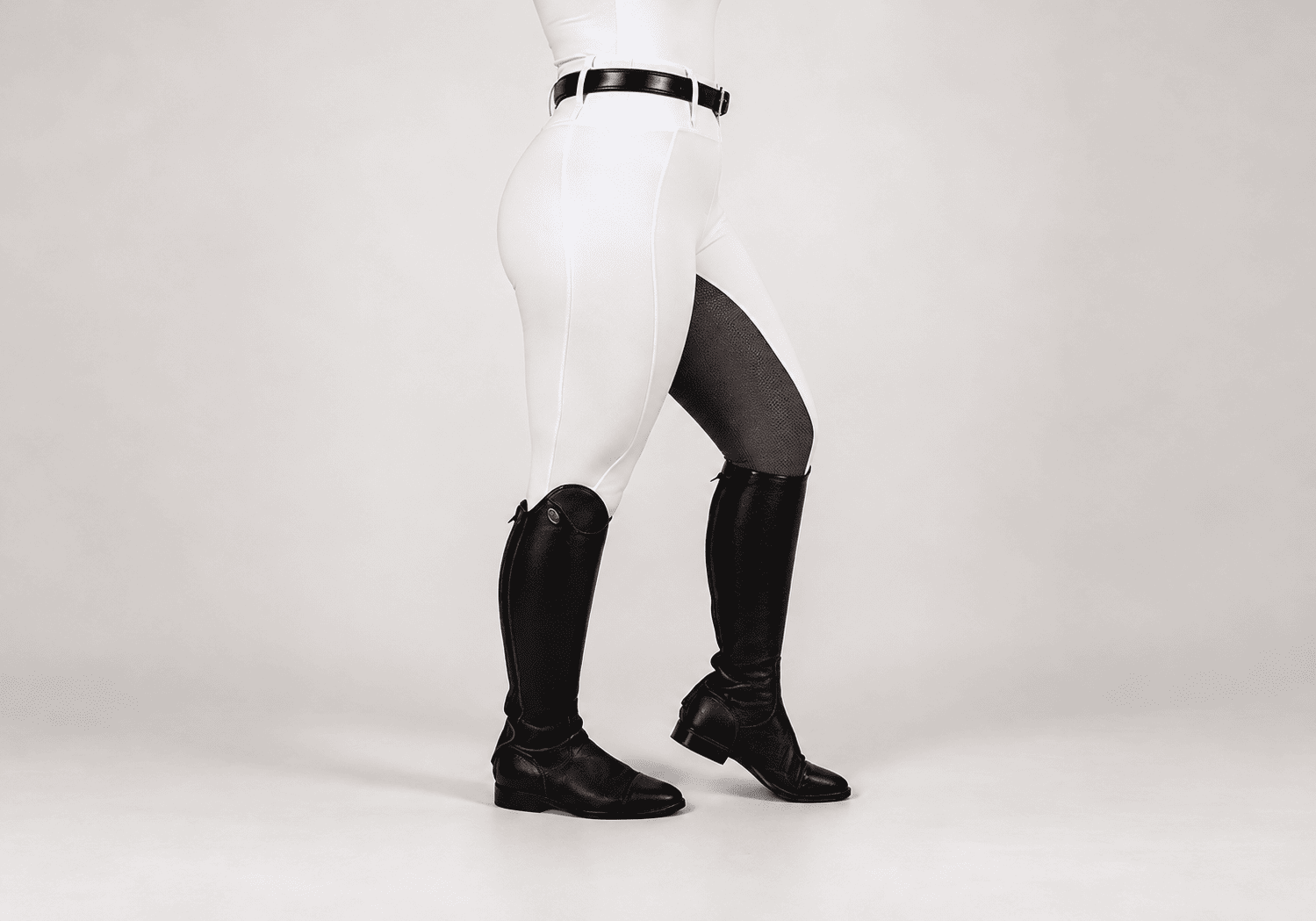
Riding Breeches
Full seat grip, knee grip, competition breeches
Dressage, show jumping, training
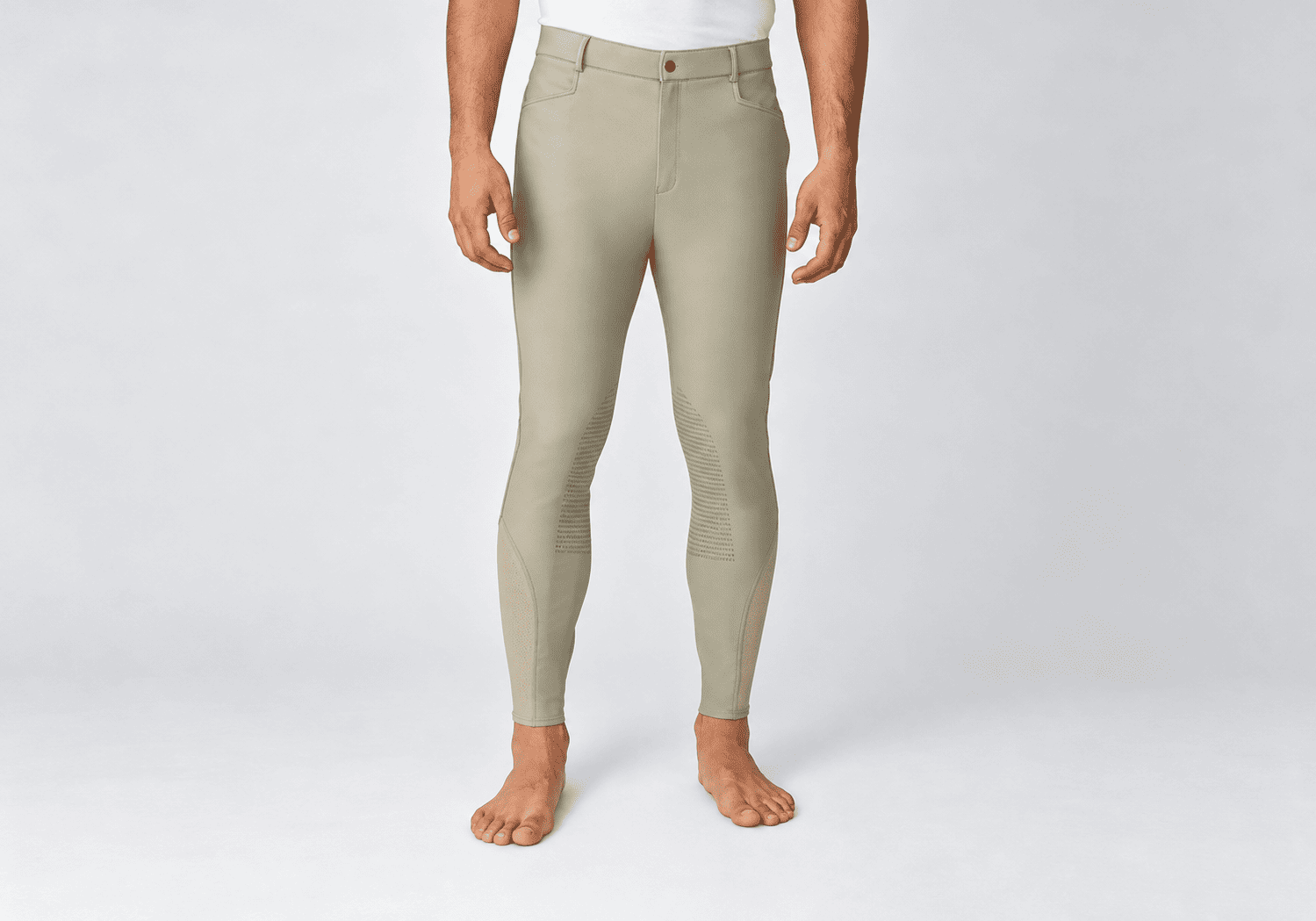
Riding Tights & Leggings
High-waisted, pocket, thermal styles
Daily training, recreational riding
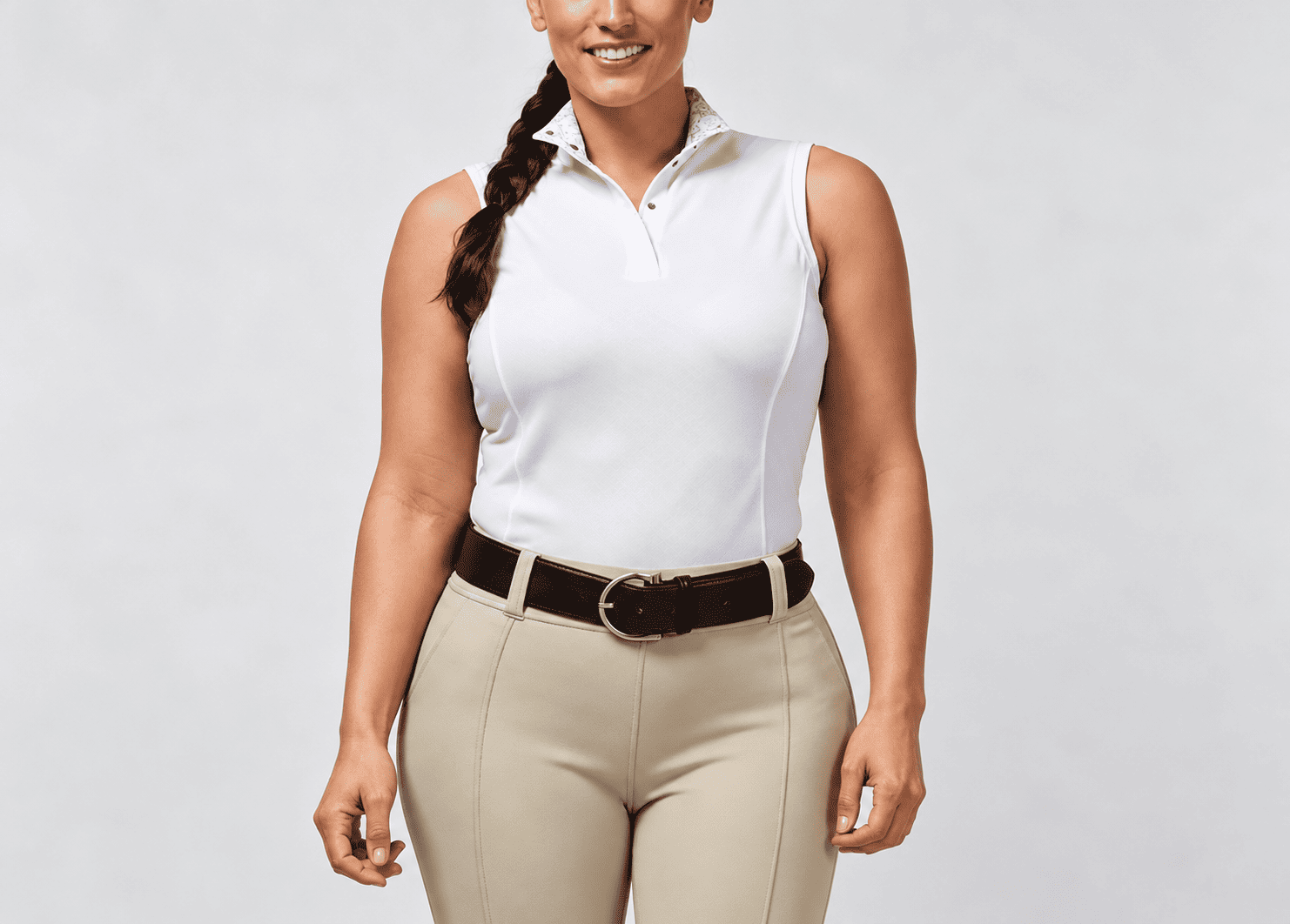
Show Shirts
Long-sleeve, short-sleeve, stand-collar styles
Competition, show collections
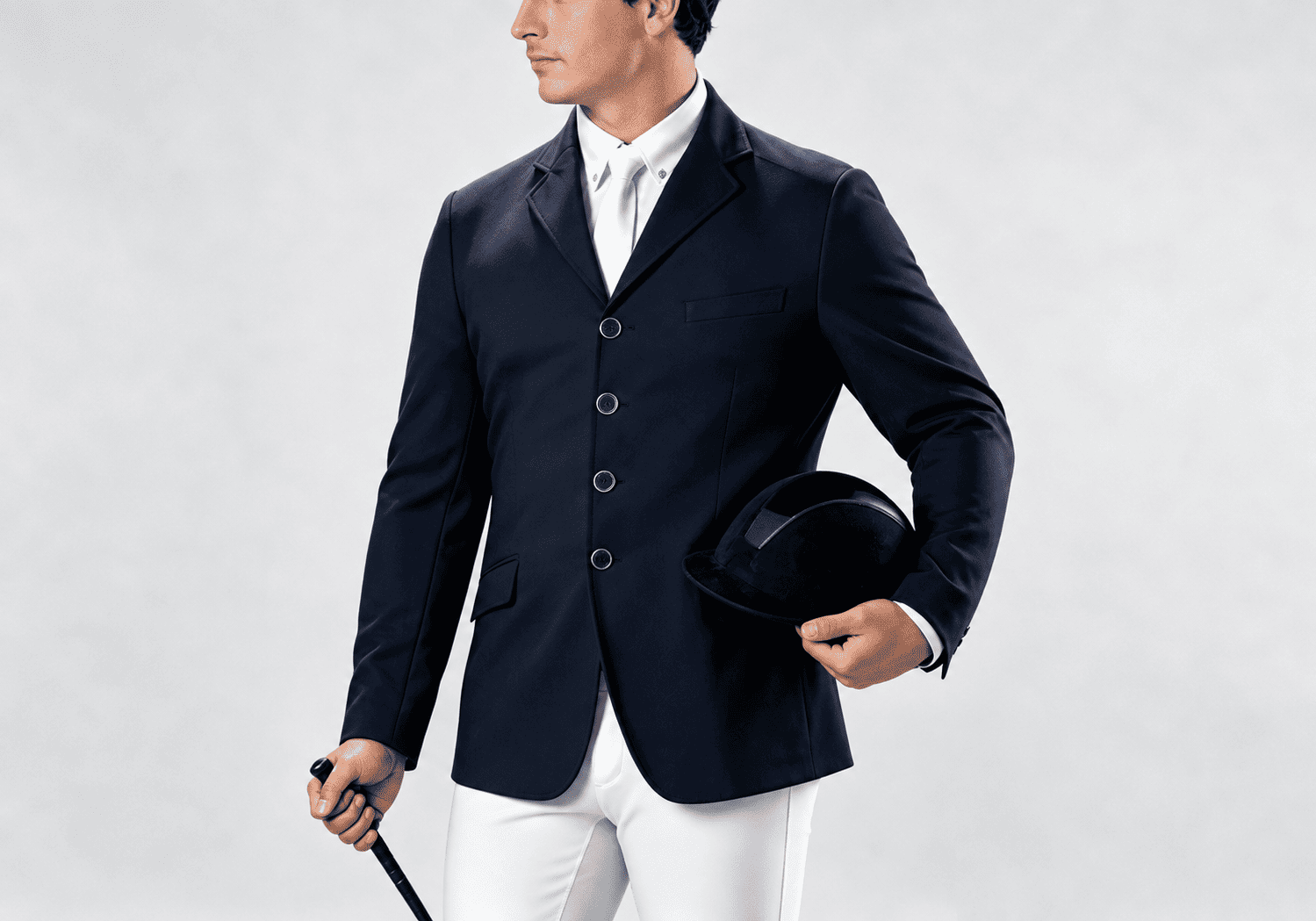
Competition Jackets
Stretch show jackets, dressage coats
Dressage, show jumping

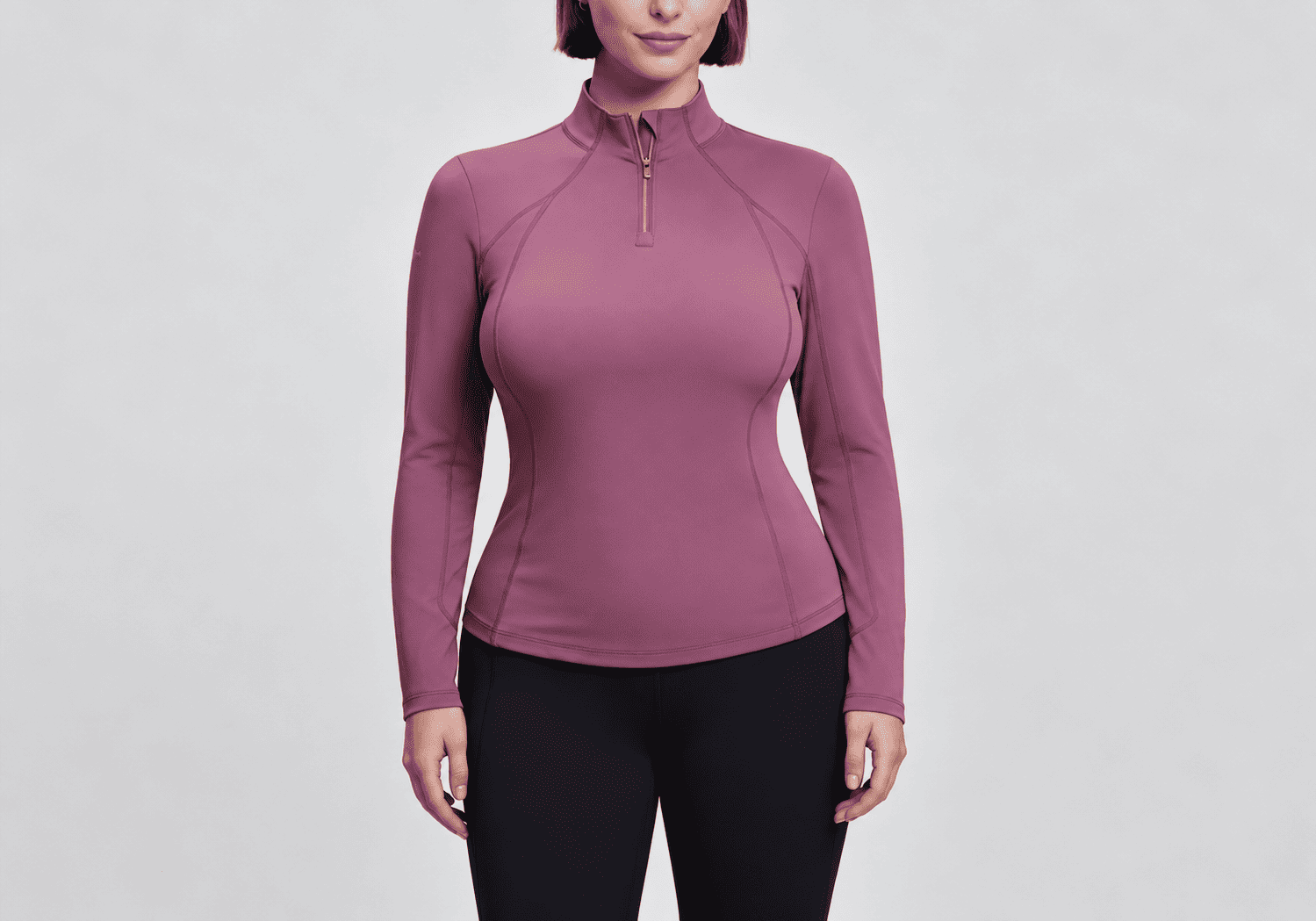
Technical Riding Tops
Base layers, half-zip, UV-protective tops
Training, warm-weather riding
Equestrian Outerwear & Vests
Softshell, wind-resistant, water-repellent styles
Outdoor riding, seasonal collections
Your Order at a Glance: MOQ, Lead Times & Capacity
Before developing samples, check whether the order structure and schedule fit your launch. These purchasing parameters help you plan styles, colors and approvals. Your quotation and production booking are confirmed against the materials and development requirements of your project.
Fineactive’s standard MOQ is 100 pieces per style per color. Sizes can follow an agreed breakdown within that combination. Different styles or colors do not automatically combine to meet the minimum.
| Purchasing Item | Fineactive Reference | Confirm for Your Order |
|---|---|---|
| Standard MOQ | 100 pieces per style per color | Size breakdown for each combination |
| Sample development | Normally 7–15 working days | Essential design, material and technical details confirmed |
| Bulk production | Normally 25–35 working days | PP approval, deposit, materials and scheduling |
| Production setup | 7 lines, including 3 equestrian apparel lines | Available production slots |
| Specialist teams | 13 QC and 11 sample-development staff across the factory | Project development and inspection arrangements |
| Reference capacity | Approximately 50,000 garments monthly across the factory | Capacity available for your riding tights order |
For example, one style in three colors starts at 300 pieces. Each color can include an agreed size allocation. Custom fabrics, exclusive trims or special packaging may also carry separate supplier minimums.
Plan sampling, revisions, testing, manufacturing and shipping separately. The sample lead time does not cover every approval round. Bulk production time excludes international transit and destination clearance.
Provide your required warehouse arrival date. We can discuss the key stages of development and production with you and confirm which decisions need to be made in advance.
The team and capacity figures describe the overall factory rather than resources dedicated to riding tights; learn more about Fineactive’s equestrian manufacturing background. Project scheduling and available capacity require confirmation when booking.
We offer three manufacturing services to support different product development needs:
OEM Manufacturing
Produce your designs using approved Tech Packs, size specifications, selected fabrics, and construction requirements.
ODM Development
Develop original apparel concepts through pattern making, fabric selection, functional detailing, and sample refinement.
Private Label Manufacturing
Customize approved designs with your brand colors, logos, labels, trims, and retail packaging.
Develop Your Fit, Size Range & Riding Details
Riding tights that fit well standing still may behave differently in the saddle. Fineactive develops patterns around your size requirements and riding movements, helping you assess waistband coverage, crotch comfort, pocket placement and lower-leg shape before approving the construction.
Start with your brand’s size chart, then validate the fit in a riding position. Share body measurements, garment measurements or an approved reference sample, with clear measurement instructions. We distinguish between these references so body dimensions are not treated directly as finished-garment specifications.
During fitting, assess front rise, back rise and crotch construction together. If the waistband drops when seated, simply tightening the elastic may increase abdominal pressure without correcting the underlying fit. Restricted knee movement also needs a pattern review rather than an increase in overall looseness.
| Fit Area | Define During Development | Check During Fitting |
|---|---|---|
| Waistband | Height, construction and elastic support | Coverage and rolling when sitting and rising |
| Crotch and inner leg | Depth, panel shape and seam position | Pulling, seam bulk and friction |
| Phone pocket | Dimensions, opening and placement | Seated access and pressure points |
| Lower leg | Inseam, taper and thickness | Bent-knee movement and buildup inside boots |
Approve the core sample size before validating the size range. Women’s, men’s, youth and plus-size collections may need different proportional adjustments. Grading should consider rise, knee position and pocket dimensions rather than increasing circumference alone.
Provide consolidated fit comments with annotated photographs and measurements. We record the agreed changes in the pattern and measurement chart, so there is a clear reference for the pre-production sample and future orders.
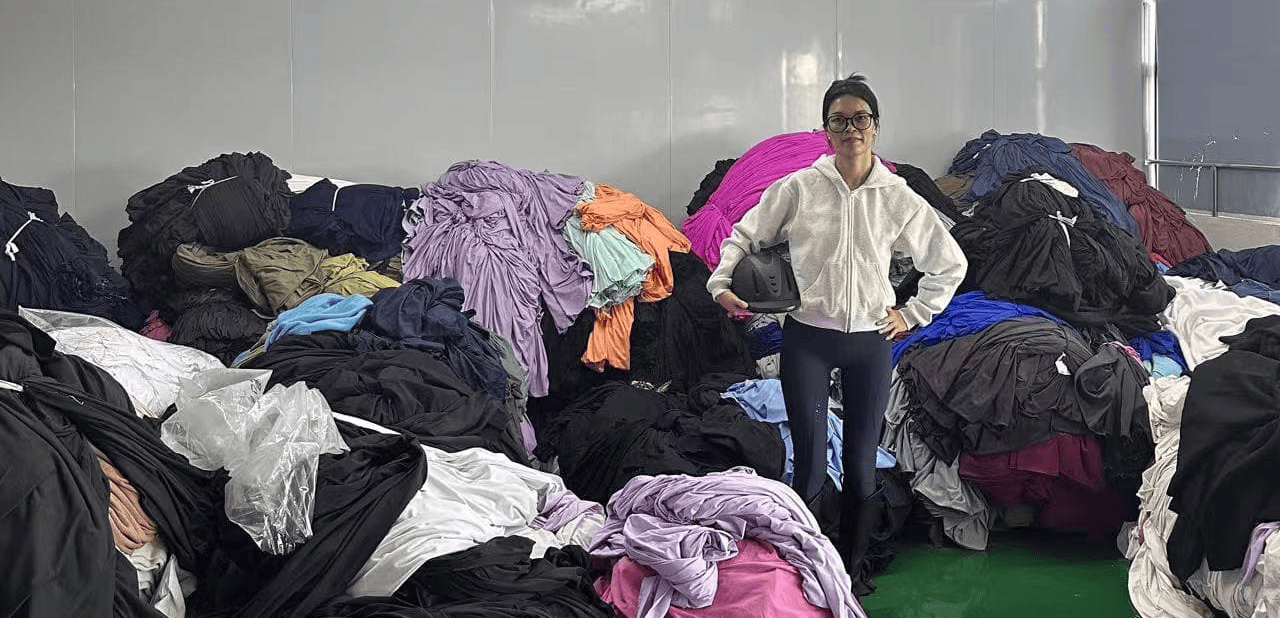
Performance Fabrics
High-performance materials for comfort, durability and reliable performance. Four-way stretch. Moisture-wicking. Anti-pilling. Thermal and water-repellent options
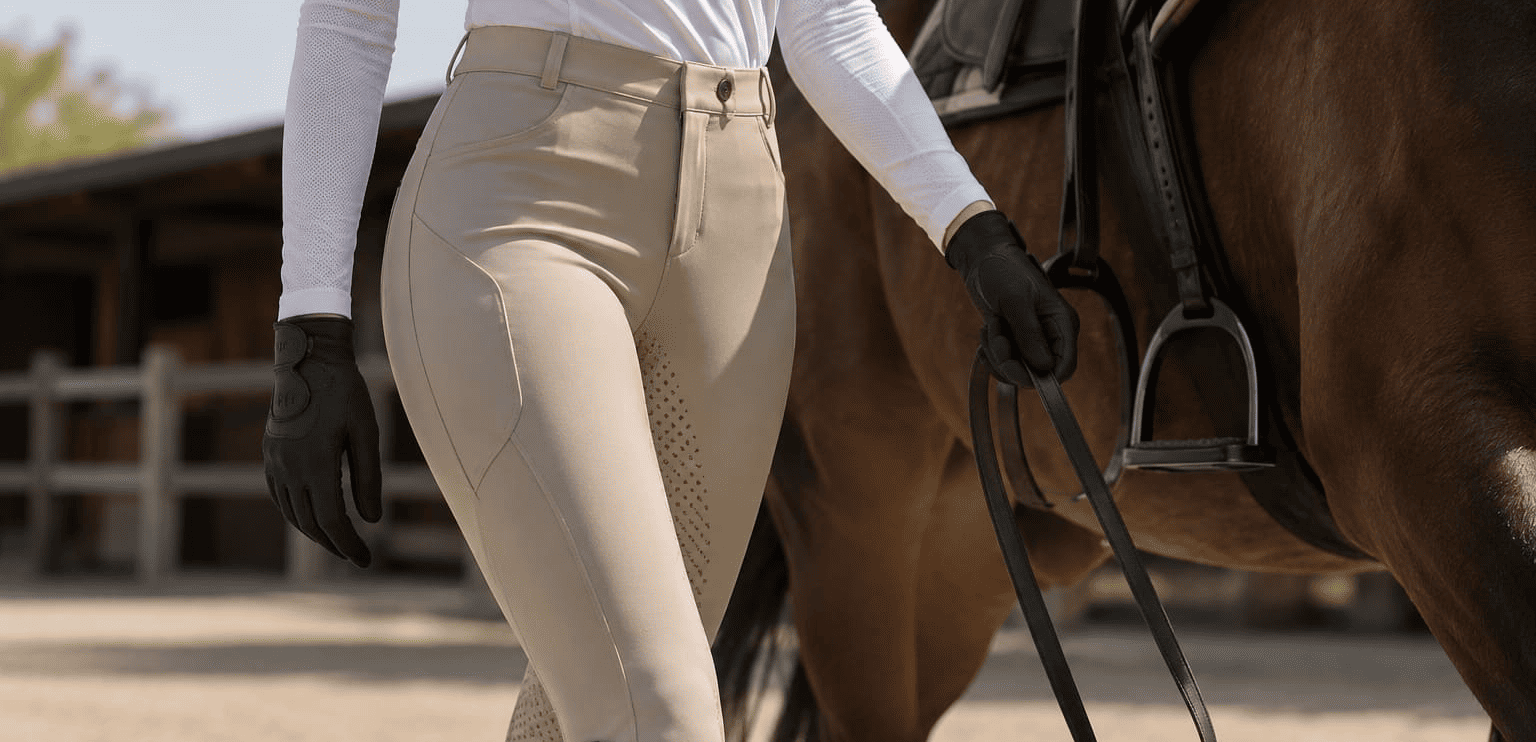
Riding-Specific Fit
Ergonomic designs for freedom of movement and in-saddle comfort. Waist rise (high, mid or low). Crotch depth and knee articulation. Inseam and seam placement. Optimized for riding performance and comfort
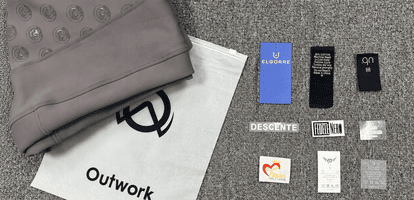
Branding Options
Full customization to create distinctive branded apparel. Embroidery, heat transfers and silicone logos. Custom colors to match your brand. Woven labels, care labels, hangtags and zippers. Packaging solutions.
Choose Your Fabric, Season & Performance Priorities
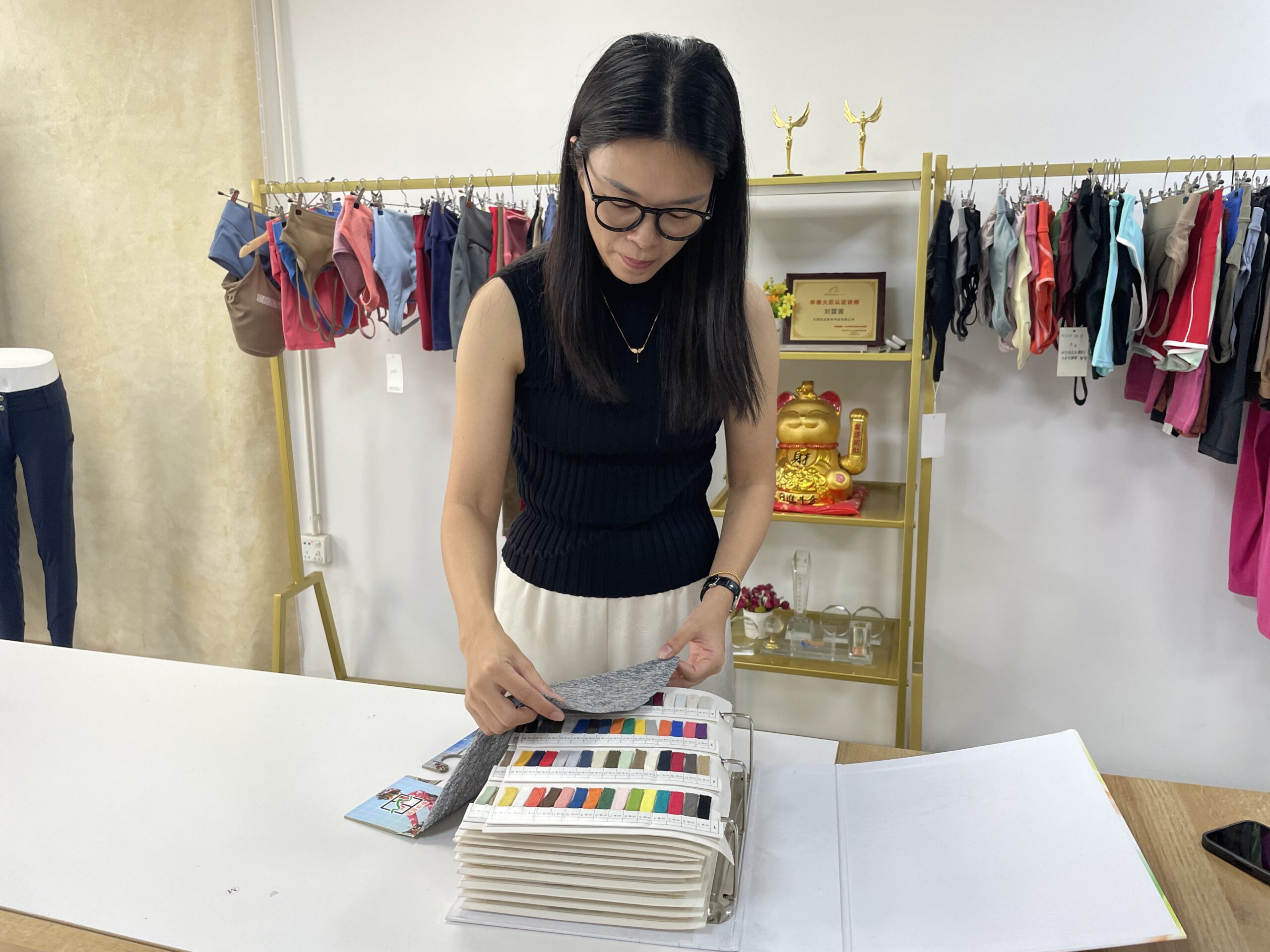
Fabric selection affects coverage, support, temperature comfort and appearance after washing. Fineactive reviews material options against your riding season, target retail price and performance priorities, helping you understand the trade-offs before approving a fabric for your samples.
Define the required performance before choosing the fiber blend. Two nylon-elastane fabrics with identical compositions can differ in support, opacity and recovery because of their knit structure, weight and finishing. A composition label alone cannot establish riding performance.
| Product Requirement | Fabric Direction to Assess | What Your Sample Should Confirm |
|---|---|---|
| Summer training | Lightweight nylon-elastane or polyester-elastane knit | Coverage and moisture comfort at the intended stretch |
| All-season core style | Stable interlock or warp-knit stretch fabric | Knee and seat recovery, abrasion performance and hand feel |
| Winter riding | Brushed stretch knit | Warmth, pilling performance and thickness inside boots |
| White or light colors | Stretch construction with suitable coverage | Opacity when stretched in bent-knee and seated positions |
Fineactive can compare candidate materials against a reference swatch or garment. We record the selected composition, weight, color standard and performance requirements in the development specification, giving subsequent approvals a clear reference.
Assess the actual color during sampling. Acceptable coverage in a dark shade does not establish the opacity of white or pastel versions. Check recovery after stretching at the knee and seat, alongside dimensional or hand-feel changes after washing; for dimensional-change testing, agree specimen preparation, marking and measurement procedures with your laboratory, using ISO 3759 where applicable.
If your collection needs moisture-management, UPF or odor-control claims, agree the supporting evidence before approval. Recycled material options also require confirmation of availability and applicable documentation.
Tell us the intended season, preferred hand feel and your two most important performance requirements. We can then narrow the material options around your collection.
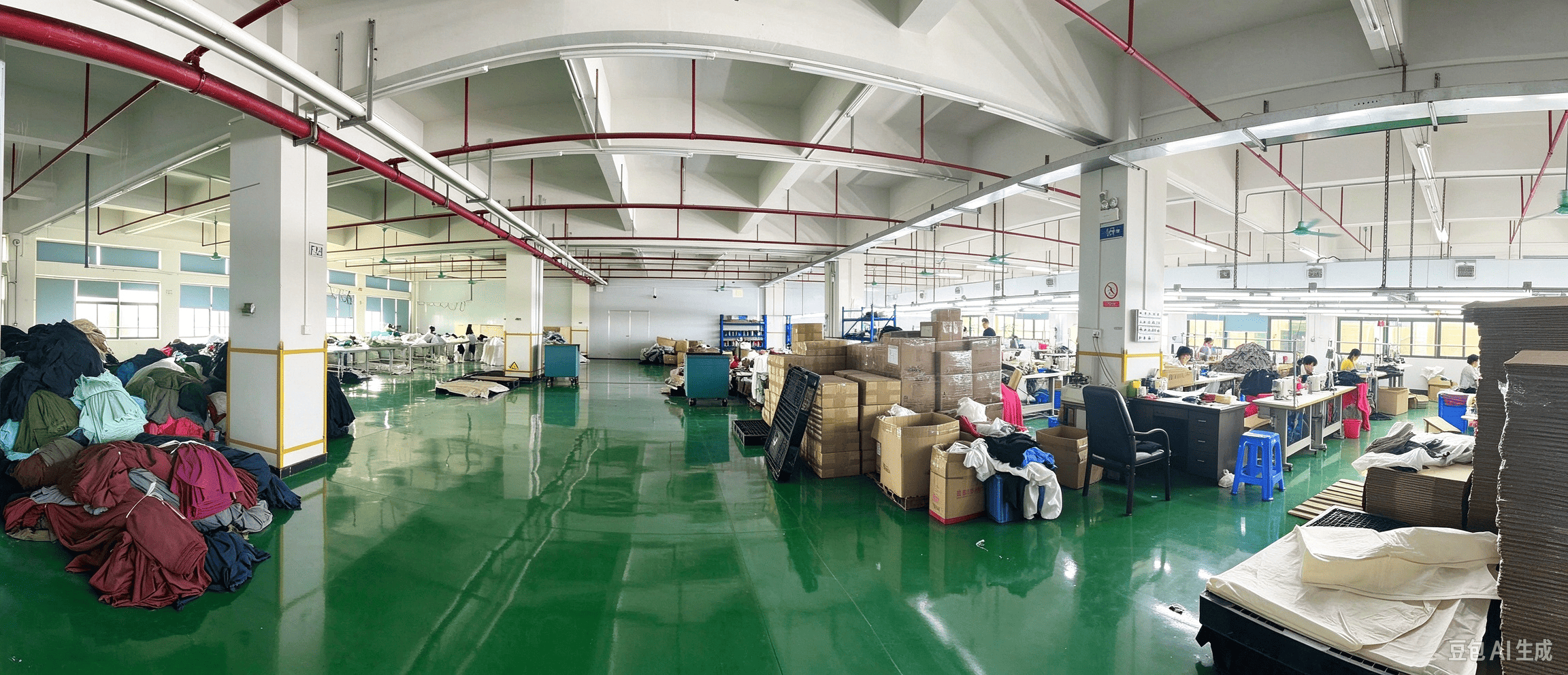
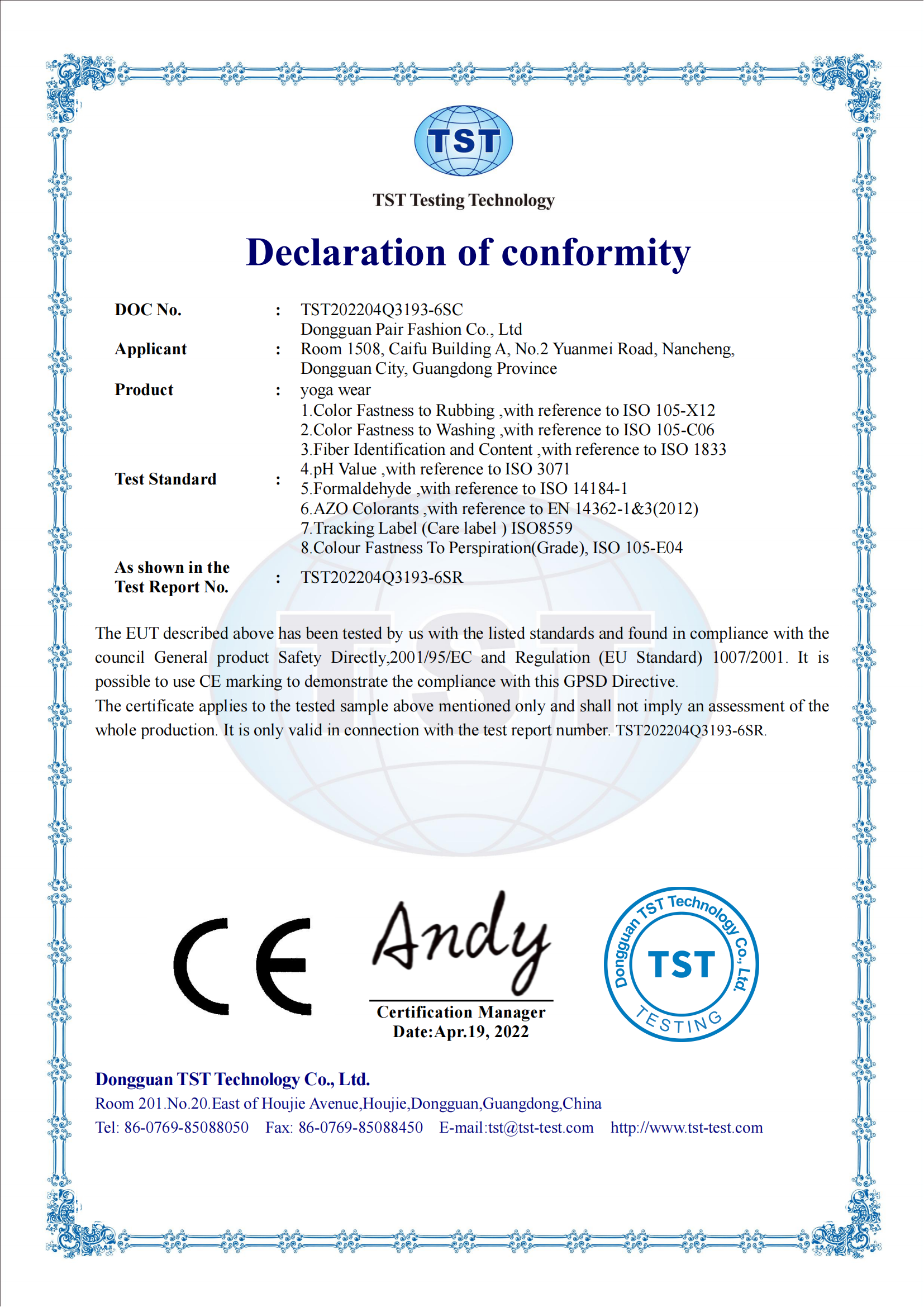

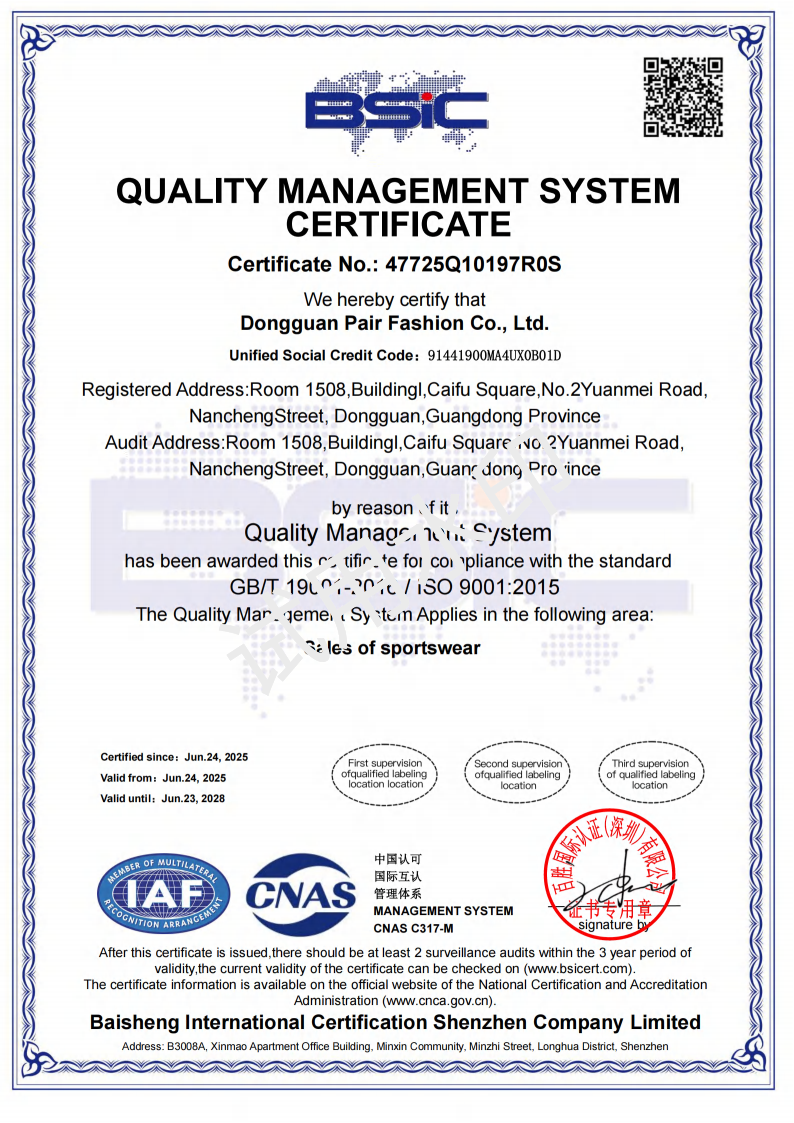
Production Lines: 7 lines, including 3 dedicated equestrian apparel lines
Sample Development Team: 11 personnel
Quality Control Team: 13 inspectors
Overall Monthly Capacity: Approximately 50,000 garments across factory operations
Minimum Order Quantity: 100 pieces per style per color
Sampling Lead Time: 7–15 working days
Bulk Production Lead Time: 25–35 working days
Manufacturing Services: OEM, ODM, and Private Label
Order Support: Sampling, bulk orders, seasonal collections, and repeat production
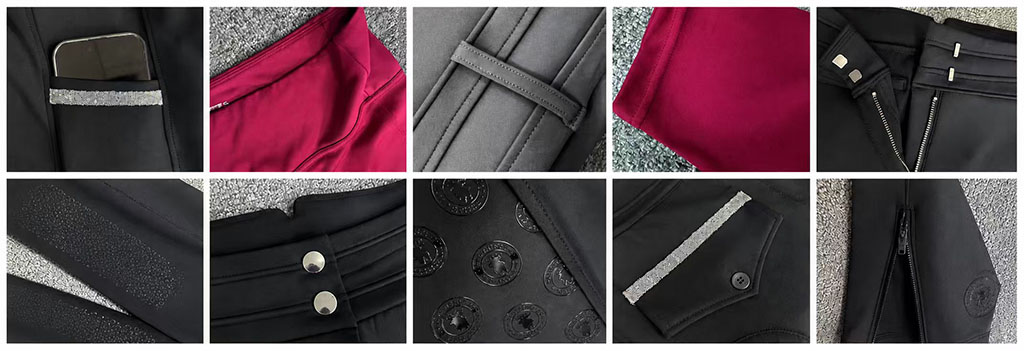
Customize Your Full-Seat or Knee-Grip Design
Grip design affects saddle contact and the stretch of printed areas. Fineactive reviews silicone layouts against your intended riders, garment pattern and brand artwork, helping you define coverage, placement and surface feel before approving a sample for production.
Choose the grip area before refining the artwork. Full-seat designs cover a broader seat and inner-leg area, while knee-grip designs concentrate on the inner knee. The choice should reflect your customers’ riding preferences rather than assuming that greater coverage creates a better product.
| Customization Area | Define Your Preference | Check on the Sample |
|---|---|---|
| Full-seat grip | Seat coverage, inner-leg extension and spacing | Contact placement and freedom of movement when seated |
| Knee grip | Height, shape and left-right placement | Alignment when the knee bends |
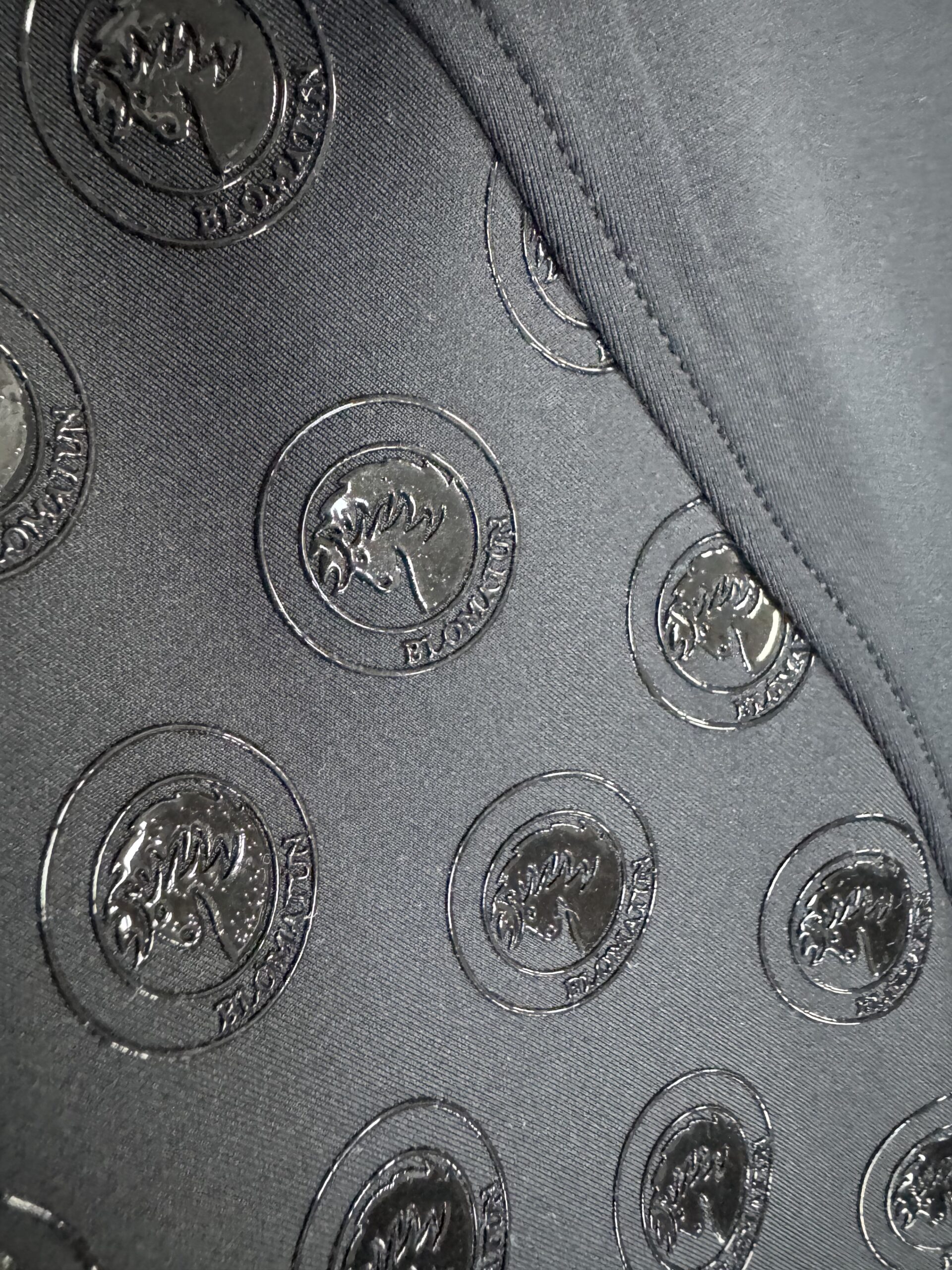
| Brand pattern | Logo repeat, line thickness and dimensions | Stretch behavior, clarity and edge feel |
| Silicone application | Color, thickness and surface feel | Adhesion, flexibility and fabric distortion |
Provide authorized artwork, intended dimensions and a placement reference. Fineactive can check which details in your artwork are suitable for silicone grip printing.Intricate lines or dense patterns may need adjustment to balance brand recognition, manufacturing feasibility and comfort.
Approve the grip on the fabric intended for bulk production. Fabric finishing, elasticity and application settings influence the result. Check symmetry, edge buildup, excessive tackiness and any cracking or stiffness during stretching.
Agree the care procedure and durability assessment before production. Review peeling, appearance changes and fabric distortion after washing. The approved artwork, placement measurements and physical sample become the shared production reference.
Complete Your Collection with Private Label Branding
Private label riding tights need a consistent identity across the garment, labels and retail presentation. Fineactive supports branding applications, label development and packaging coordination, helping you choose suitable details and prepare the information needed for selling and warehouse handling.
Branding should work with the garment’s stretch and wear requirements. A mark on the waistband needs to retain its appearance under tension; decoration near the skin needs an assessment of backing and friction. Fineactive can review heat transfers, embroidery and printed applications against your selected fabric and placement.
| Branding Detail | What You Provide | Confirm Before Approval |
|---|---|---|
| External branding | Authorized artwork, dimensions and placement | Stretch behavior, appearance and contact comfort |
| Label set | Brand, composition, care and size information | Accuracy, legibility and attachment position |
| Hangtags and barcodes | Artwork and SKU-specific data | Product matching and scan readability |
| Retail packaging | Format, dimensions and material preferences | Garment fit and warehouse requirements |
Choose a few recognizable details across your private label riding tights collection. A consistent logo position, coordinated trim colors and a clear label layout can connect different styles without adding decoration to every panel.
Confirm SKU and label information before approving production; for U.S.-bound collections, review the FTC’s apparel labeling guidance when preparing fiber-content, country-of-origin, responsible-business and care information. Different sizes and colors need correctly matched barcodes and product identification, even when the packaging design is shared. Provide any warehouse-specific packing or split-delivery instructions in advance.
Supply only trademarks and artwork you are authorized to use. Ownership of development files, exclusive artwork and molds should be agreed in writing; NDA arrangements can be discussed before sensitive files are shared.
Final approval should cover the garment with its intended branding and labels, together with agreed packaging references.
Move from Design Reference to Approved Sample
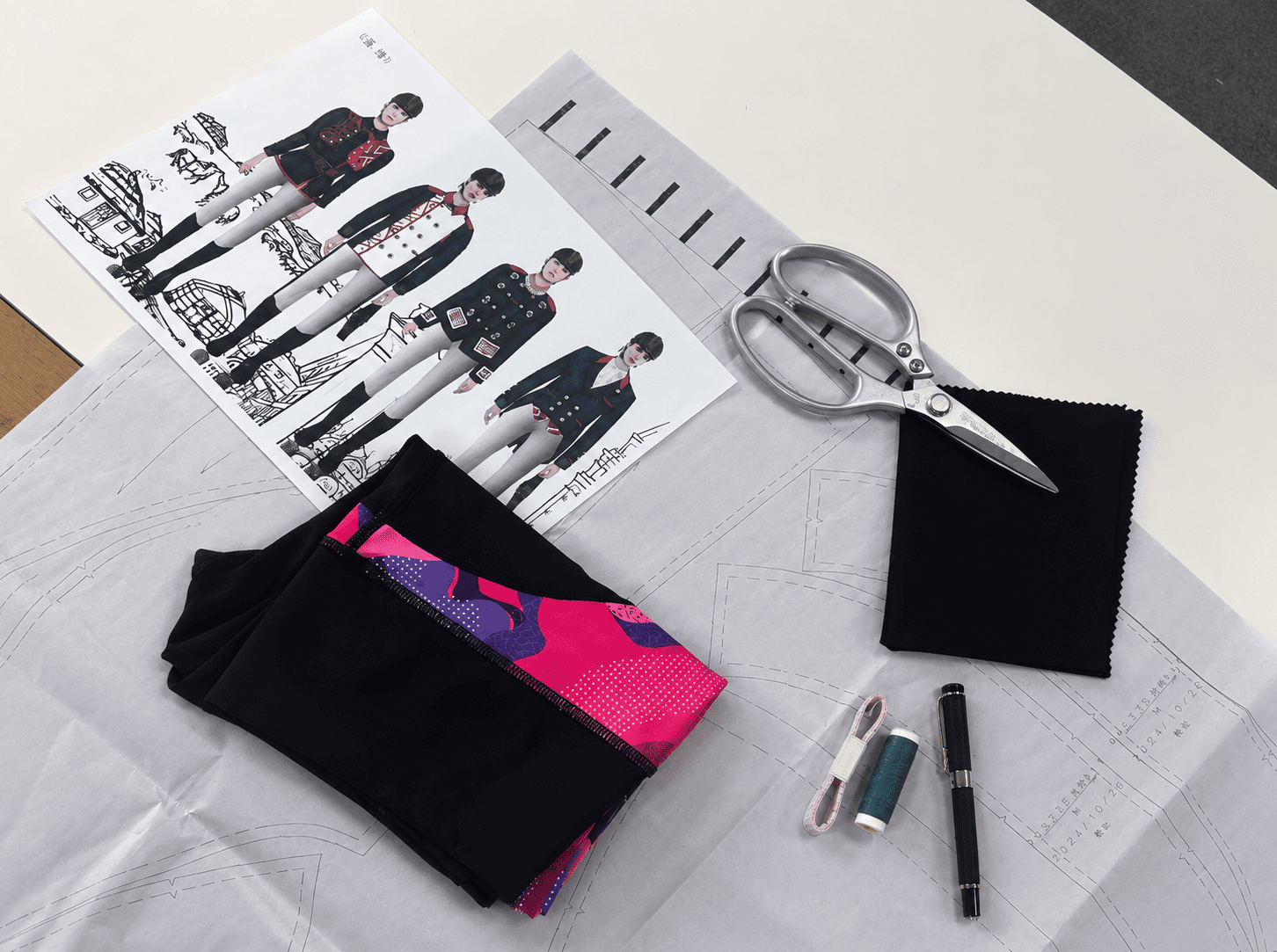
Sample development should resolve uncertainties before you commit to bulk production. Fineactive connects design review, fit feedback and pre-production approval, so you know what to check at each stage and when the garment is ready for manufacturing authorization.
Begin by defining what your project needs to prove. A new riding tights design may need substantial pattern development, while an authorized supplier transfer may focus on material matching and construction confirmation. The sample plan should follow the unresolved questions.
- Review your references. Send a tech pack, sketches, photographs or an authorized sample. We assess completeness and identify missing measurements, construction instructions and decisions.
- Confirm the prototype direction. Review proposed materials and construction details. Any temporary substitute materials should be identified so they are not mistaken for production selections.
- Consolidate fit feedback. Check the sample in riding positions, then submit measurement changes, wearer observations and annotated photographs. Coordinate comments within your team before sending one agreed response.
- Check outstanding approval details. Confirm relevant sizing, grip placement, branding and labels. Arrange targeted revisions or additional samples where questions remain.
- Approve the production reference. Confirm the pre-production sample and its supporting specifications, colors, measurement tolerances, packaging and agreed testing requirements before release.
Keep each revision identifiable and approve in writing. A fit sample that “looks right” should not leave either team guessing which details apply to bulk production. Feedback should distinguish approved elements from outstanding issues.
If the fabric, pattern, decoration or labeling changes after approval, the cost, schedule and required checks need to be reviewed again.The accepted sample and documents give production a consistent reference.
Send your available references and tell us your current development stage.
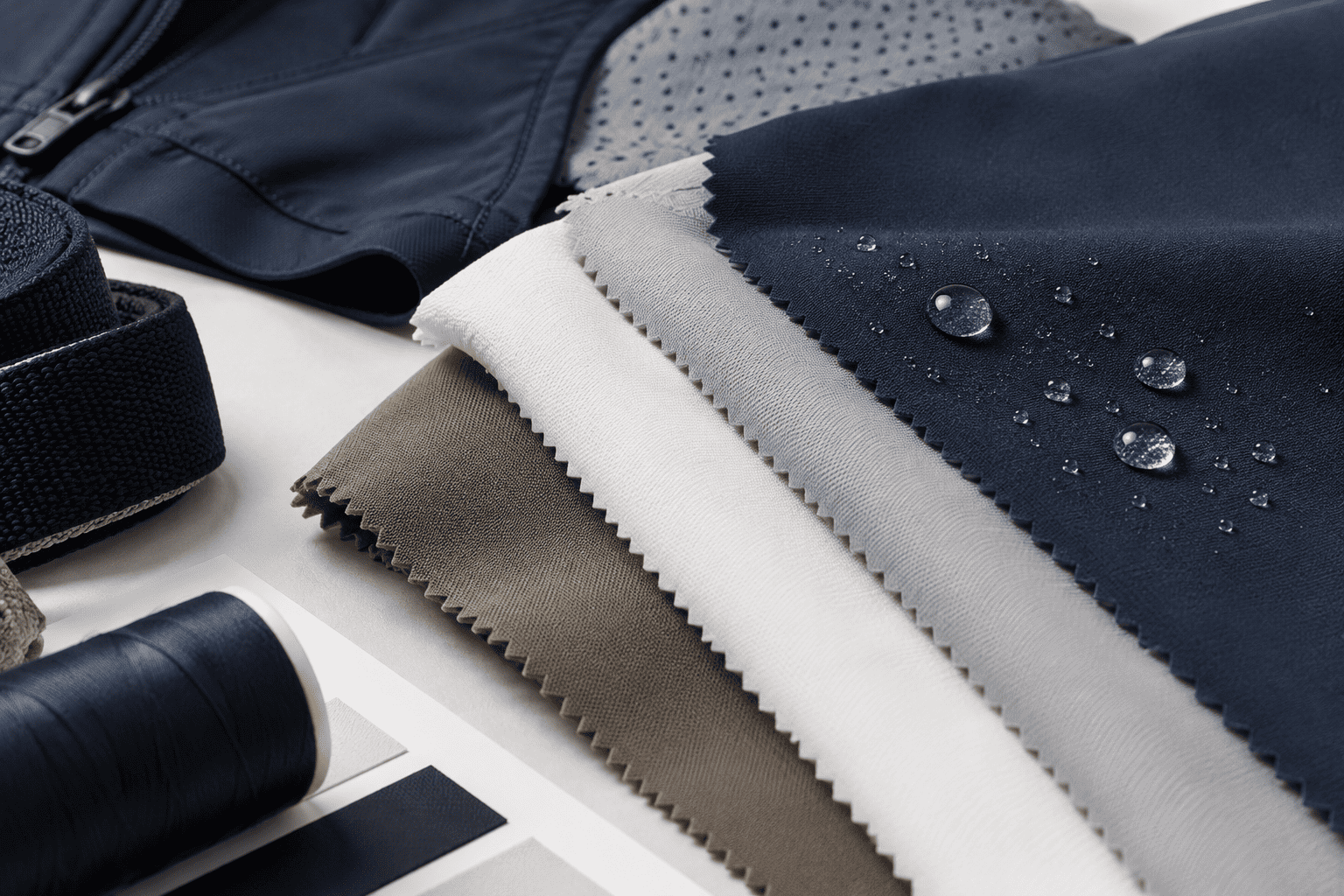
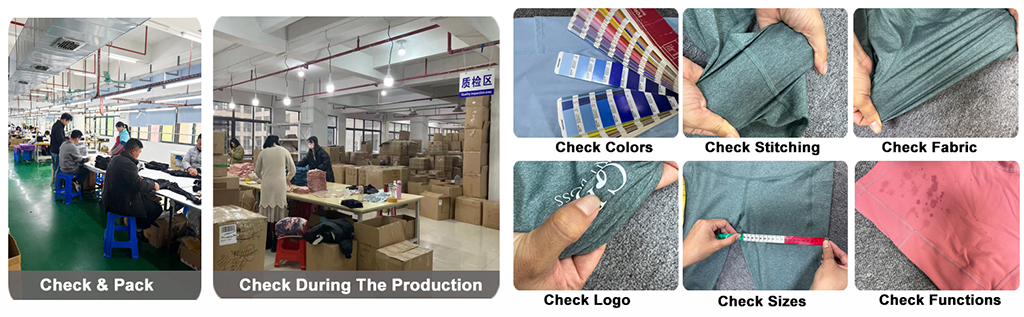
Raw material inspection based on approved quality standards
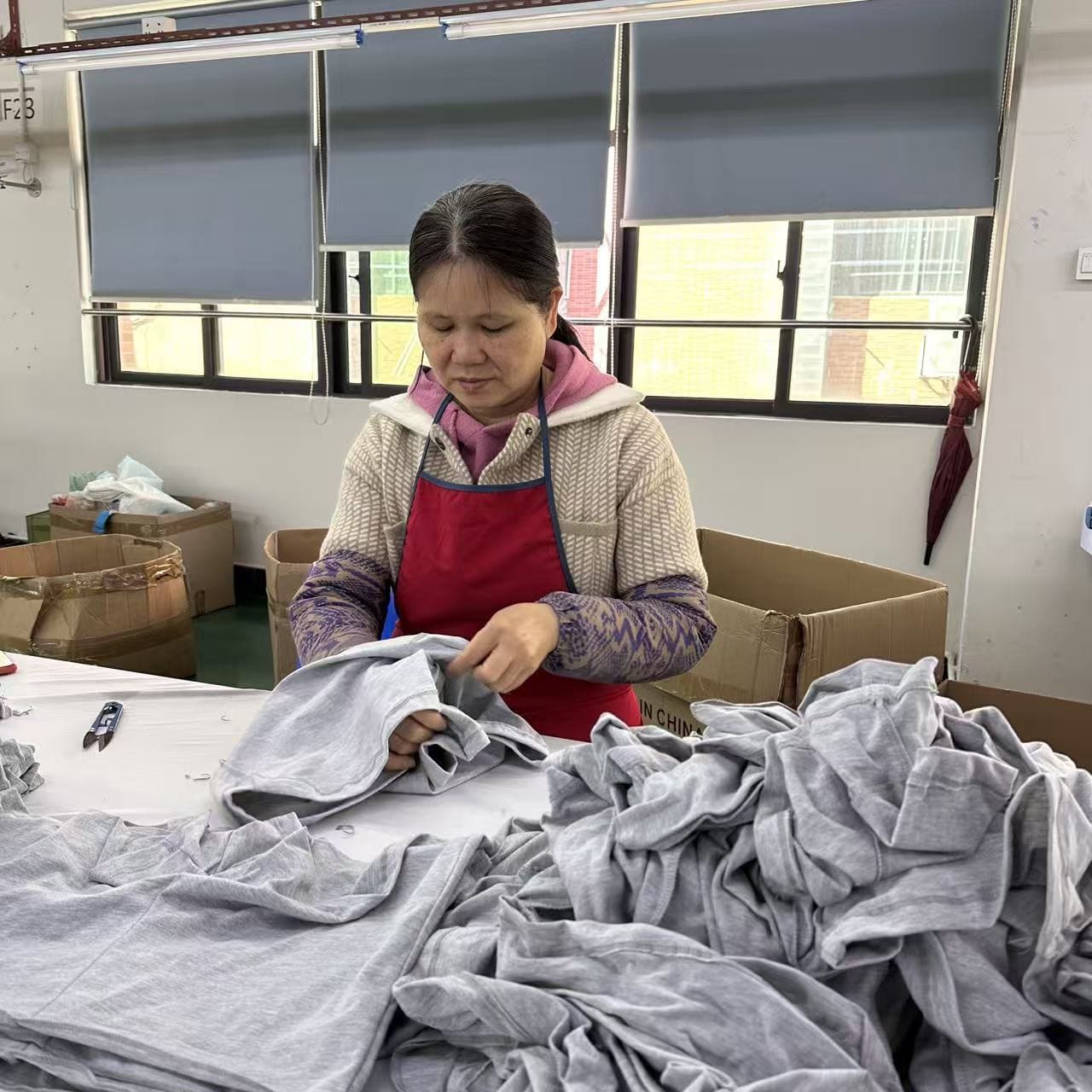
Inline sample checks during cutting, sewing, and assembly
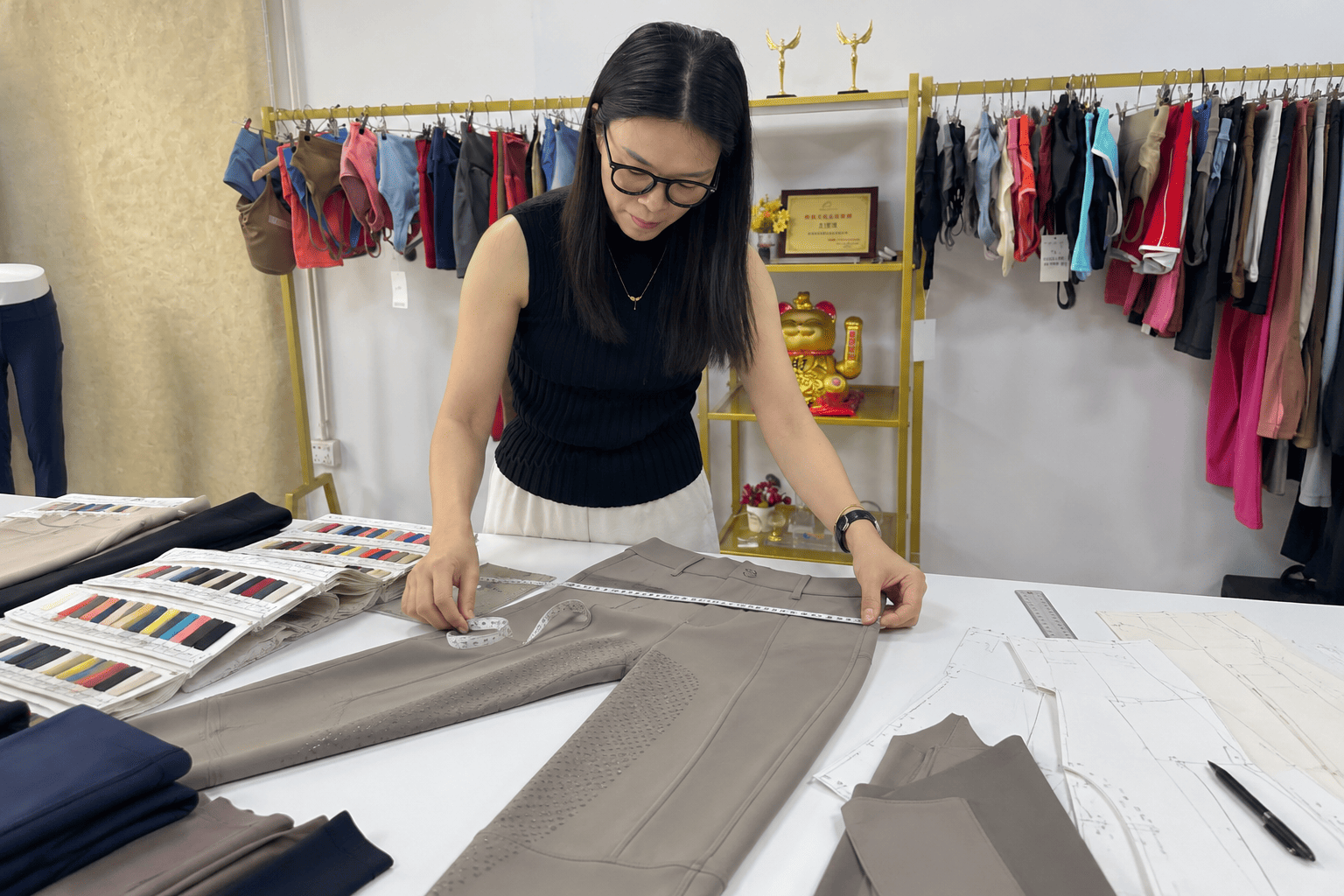
Measurements, appearance, stitching, seams, product performance
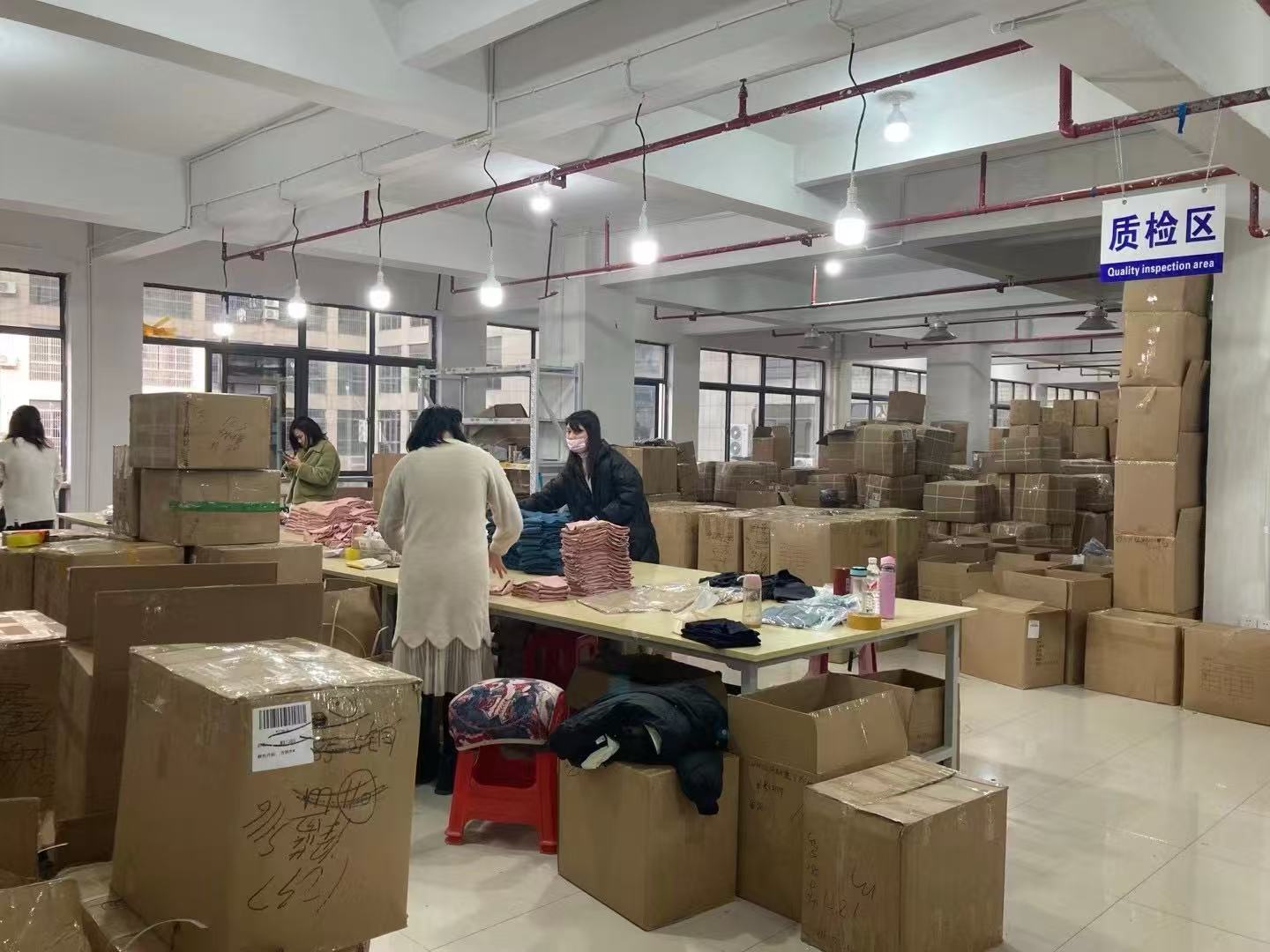
Approved AQL sampling, carton size, label, packaging
Loaded products against approved order
Ensure materials meet specifications
Identify and correct issues early
Verify finished garments meet requirements
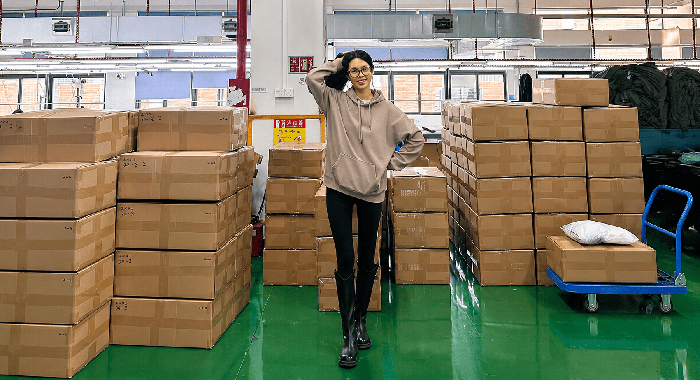
Confirm shipment readiness
Ensure products are shipped according to schedule
Keep Bulk Production & Reorders on Specification
An approved sample establishes the target; bulk control requires defined checks and documented changes. Fineactive uses production-stage inspections and reorder reviews to help your team assess consistency against agreed requirements and identify what needs correction or renewed approval.
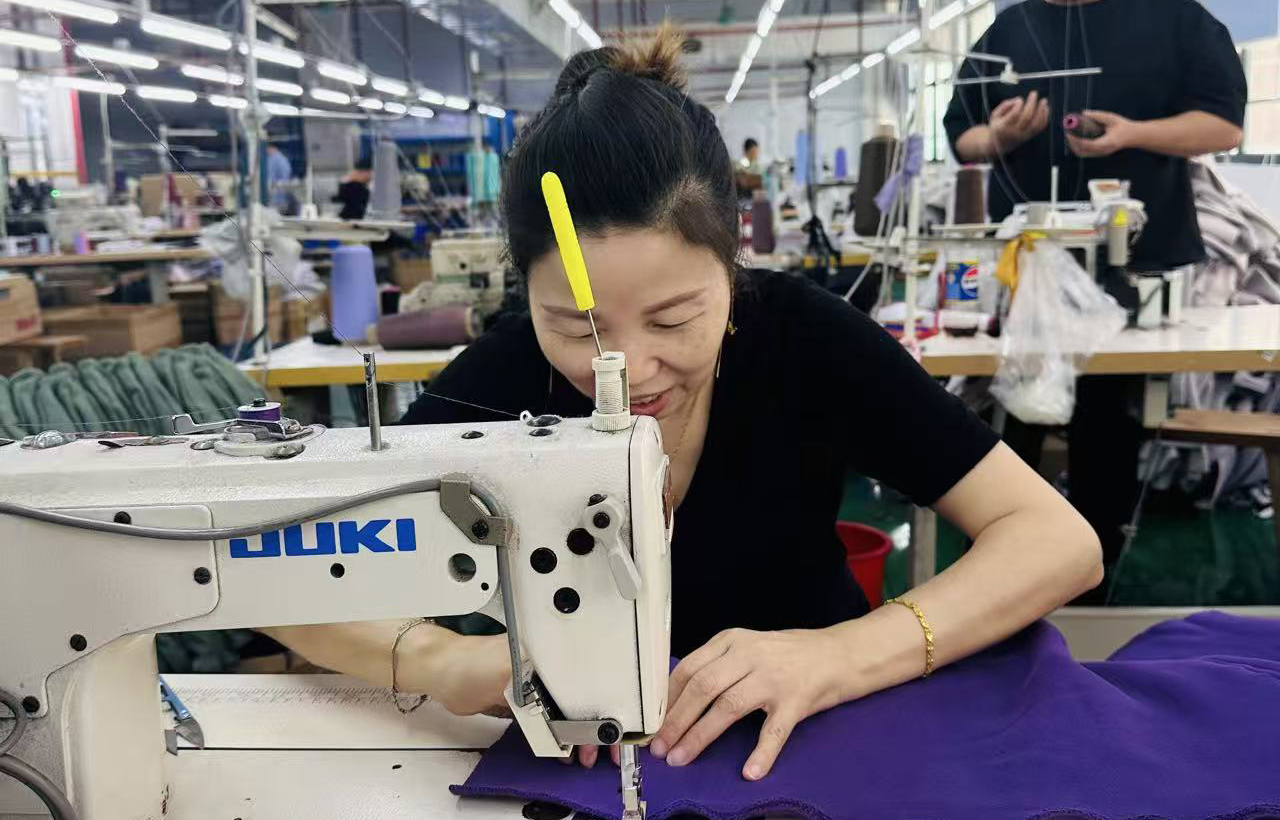
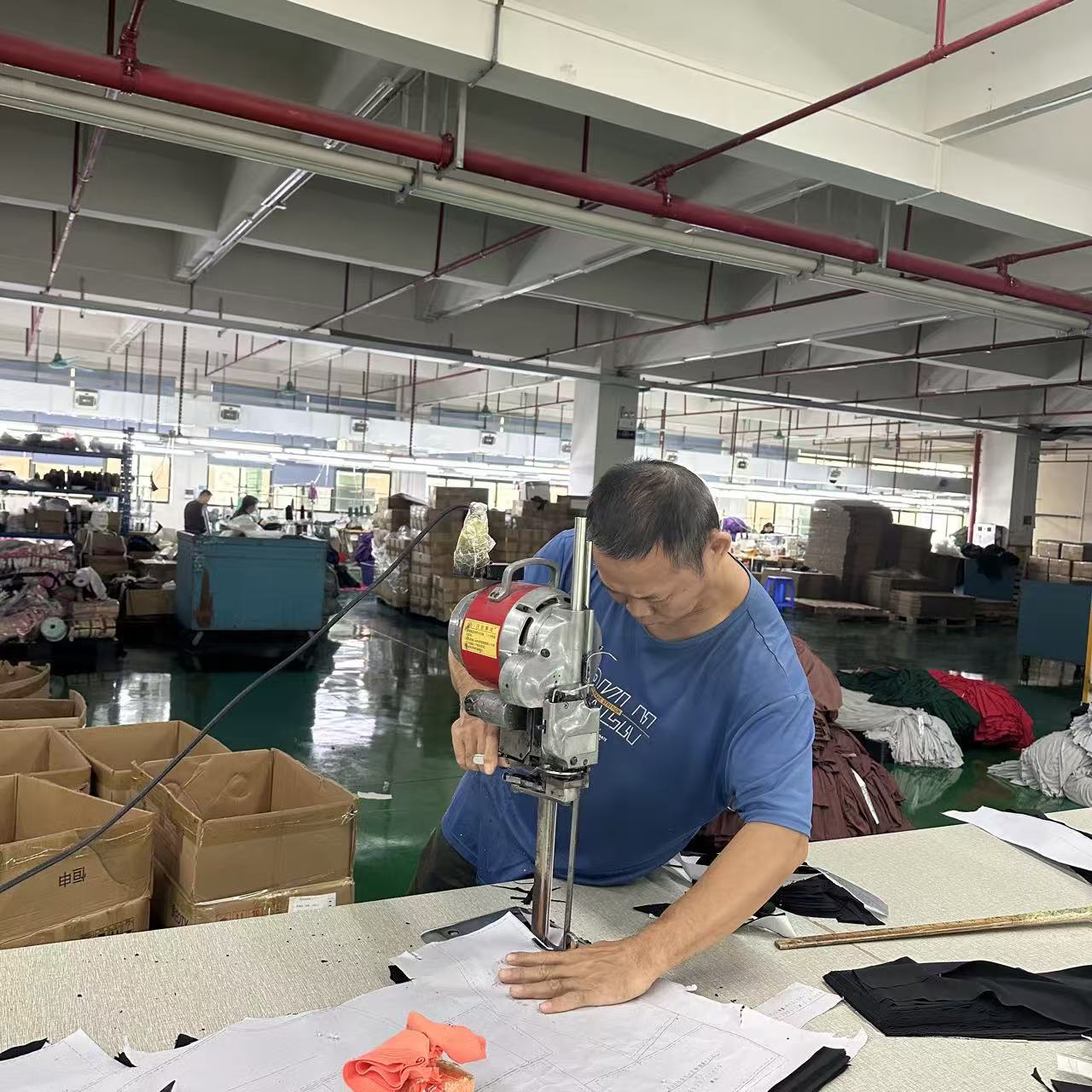
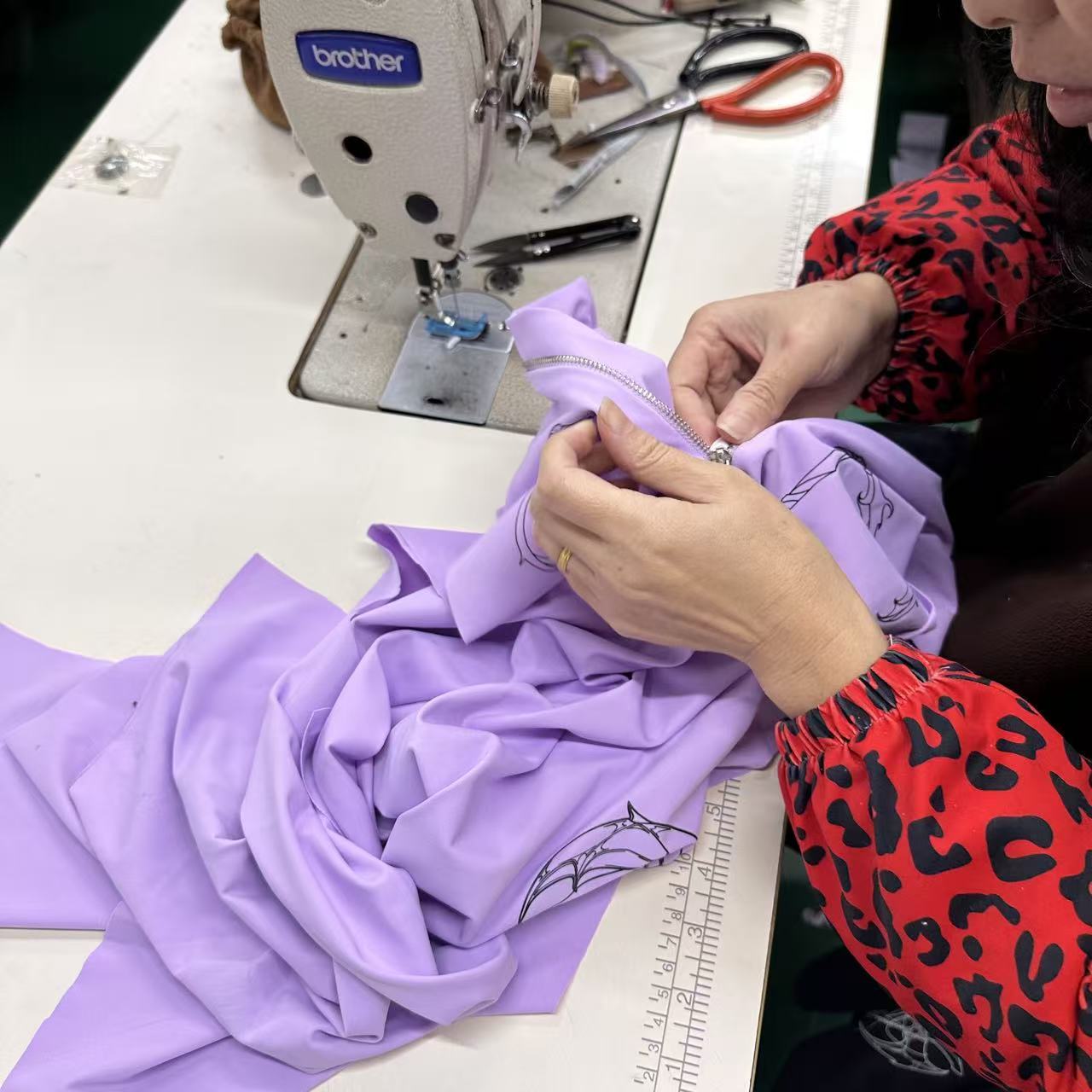
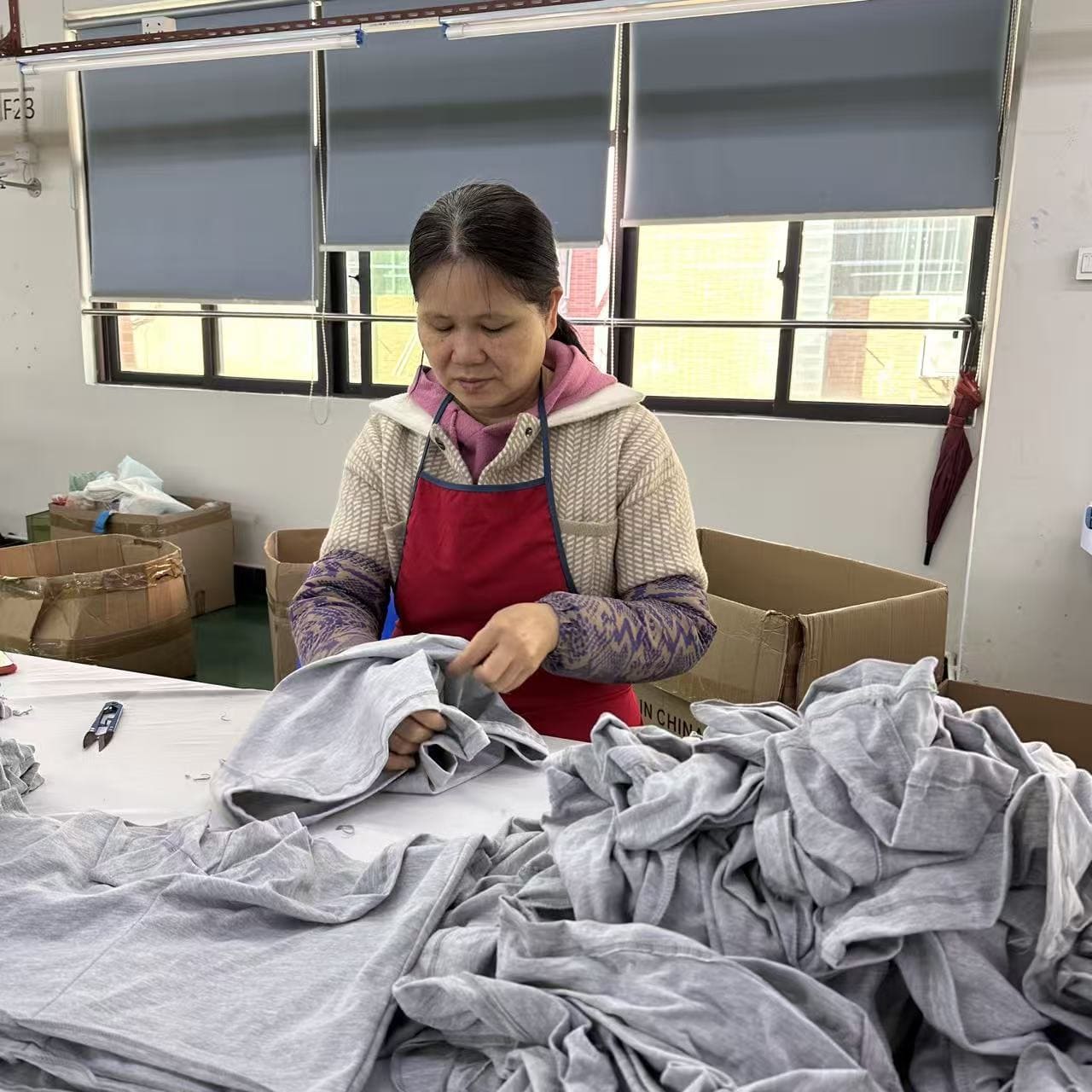
Compare production with the approved sample and its supporting specifications. Fineactive’s quality workflow covers incoming materials, first-piece approval, in-process checks, finished-garment inspection and outgoing review. Required records and acceptance criteria are agreed for the order.
| Checkpoint | Riding Tights Focus | Records to Agree |
|---|---|---|
| Incoming materials | Shade, weight, stretch and trim matching | Material inspection results |
| First piece and sewing | Grip placement, waistband, crotch and inner-leg seams | First-piece approval and corrections |
| Finishing and packing | Measurements, appearance, labels and SKU matching | Measurement and packing checks |
| Before shipment | Sampled workmanship and order requirements | Final findings and open issues |
Measurement methods must match the approved chart. For stretch garments, resting condition, measurement position and applied tension can affect readings. Agree tolerances for specific measurement points rather than applying one general allowance everywhere.
A reorder needs confirmation, not assumptions. Before repeat production, review the pattern version, material specification, grip artwork and labeling files. Changes in fabric source, finishing or processing need assessment against the previous approval.
New colors also require review of shade and relevant performance, even when the pattern remains unchanged. Retained references and revision records help establish what carries forward and what needs reconfirmation.
Agree the inspection level, AQL, defect classification and applicable sampling procedure before final inspection, with ISO 2859-1 available as a reference when specified in the order’s inspection plan. It supports shipment decisions without implying every garment has been tested. Nonconformities require defined containment, correction and reinspection.
Share your inspection requirements and reorder priorities before confirming the order.
Send Your Collection Brief for Development & Itemised Pricing
A useful collection quotation should show what each style includes and what remains undecided. Share your product list, quantities and delivery requirements with Fineactive so we can assess development work and help you define the next sampling or production decision.
Start with one clear product list. Technical files can be supplied separately by style, but keep style codes, colour names and versions consistent. Mark concept-stage products and identify fabrics, fits or details needing development support.
| What to provide | What it helps establish |
|---|---|
| Style list and references | Construction and development scope by garment |
| Quantities per style and colour | Order feasibility and pricing basis |
| Fabric, function and branding requirements | Materials, processes and verification needs |
| Size charts or target wearers | Pattern, fitting and grading work |
| Destinations and arrival requirements | Combined or split delivery arrangements |
| Target prices and delivery terms | Budget alignment and quotation boundaries |
The quotation should list costs separately so you can review each style. Where applicable, show development, samples, garments, special trims, testing, packaging and transport as separate items. Clearly state which requirements are confirmed and which details are provisional. If one style is over budget, you can review that style without reviewing the whole collection again.
Shared materials may offer purchasing coordination opportunities, subject to specifications, quantities and supplier conditions. Garment minimums still apply separately to each style and colour.
Send Fineactive your collection brief, identifying the products you want to progress first and whether you need material selection, sample development or a bulk production assessment. We will identify missing information and required approvals. Later changes need cost and timing reconfirmation; production follows the final order approved by both teams.
Questions About Ordering Custom Equestrian Tights
Find answers to common questions about our OEM and ODM equestrian apparel manufacturing, including minimum order quantities, customization options, sample development, production timelines, and shipping.
1. What is your MOQ for private label riding tights?
Fineactive’s standard minimum order is 100 pieces per style per color, with sizes allocated within that combination according to an agreed breakdown, so your first order should be planned around individual styles and colors rather than a combined collection total.
For example, one style in two colors starts at 200 pieces. Custom-dyed fabrics, exclusive trims or special packaging may carry separate supplier minimums. Share your proposed colors, size range and quantities before sampling so we can identify material constraints and discuss a practical launch assortment.
2. Can you develop custom riding tights without a complete tech pack?
Yes, Fineactive can assess custom riding tights projects from sketches, reference photographs or an authorized sample, but measurements, materials, construction and branding requirements must be developed and confirmed before the garment can be approved for bulk production.
Send your target wearer, intended riding use and the details you want to retain or change. We can identify missing information and agree the development scope, including any pattern or size-chart work. Initial quotations may need revision as specifications become clearer; sample development responsibilities and charges should be agreed before work begins.
3. What should I include to get an accurate manufacturing quote?
For an accurate riding tights manufacturing quote, provide your style reference, fabric requirements, grip design, size range, quantities per style and color, branding, packaging and delivery destination, while clearly identifying any specifications that are still undecided.
Include your target cost and required arrival date, not just the intended shipping date. Fabric consumption, silicone coverage and construction complexity can change the price even when two designs look similar. Ask for sampling, testing, packaging and freight charges to be identified where applicable. Compare quotations using the same specification and delivery basis.
4. How long do sampling and bulk production take?
Standard sampling normally takes 7–15 working days after essential design, material and technical details are confirmed, while bulk manufacturing normally takes 25–35 working days once the agreed pre-production approval, deposit, material and scheduling conditions are met.
These are separate production stages, not a guaranteed order-to-arrival timeframe. Fit revisions, custom fabric development, testing and holidays may extend the schedule; international transit and destination clearance require additional time. Share your warehouse deadline early so we can review the sequence of approvals, production and shipping before you commit to a launch date.
5. How do you check fit, opacity and silicone grip before production?
Fineactive reviews riding fit, opacity and silicone grip against the agreed sample and specifications, using the intended fabric and color where relevant, with project-specific checks and acceptance criteria defined before the garment is released for bulk production.
Fit reviews should cover seated movement, waistband coverage and pocket pressure. Light colors need separate opacity assessment; a black sample cannot establish white fabric coverage. Grip checks should address placement, flexibility and agreed wash performance. If laboratory testing is required, confirm the method, pass criteria and cost beforehand rather than relying on a general performance claim.
6. How do you maintain consistency on repeat orders?
Fineactive uses approved patterns, measurement charts, material specifications, grip artwork and labeling records as references for repeat riding tights orders, with changes reviewed before production so a reorder does not rely solely on the appearance of the previous garment.
Before booking, confirm the latest approved version, color references and any customer feedback from the previous batch. A new fabric source, finish or silicone application may require renewed assessment. New colors also need relevant approval. Agree incoming, in-process and final inspection requirements, and document any substitutions or specification changes before they are accepted.
FINEACTIVE 自豪地采用 WordPress 构建