OEM/ODM Equestrian Apparel Manufacturer | Custom Riding Wear | Private Label | Low MOQ
Horse Brands Clothing Manufacturer
Fineactive is your horse brands clothing manufacturer for coordinated riding collections, custom branding, sample development and planned bulk order delivery.
✓ Low MOQ
✓ OEM & ODM
✓ Fast Sampling
✓ Bulk Production
Custom Riding Collections Developed for Your Brand
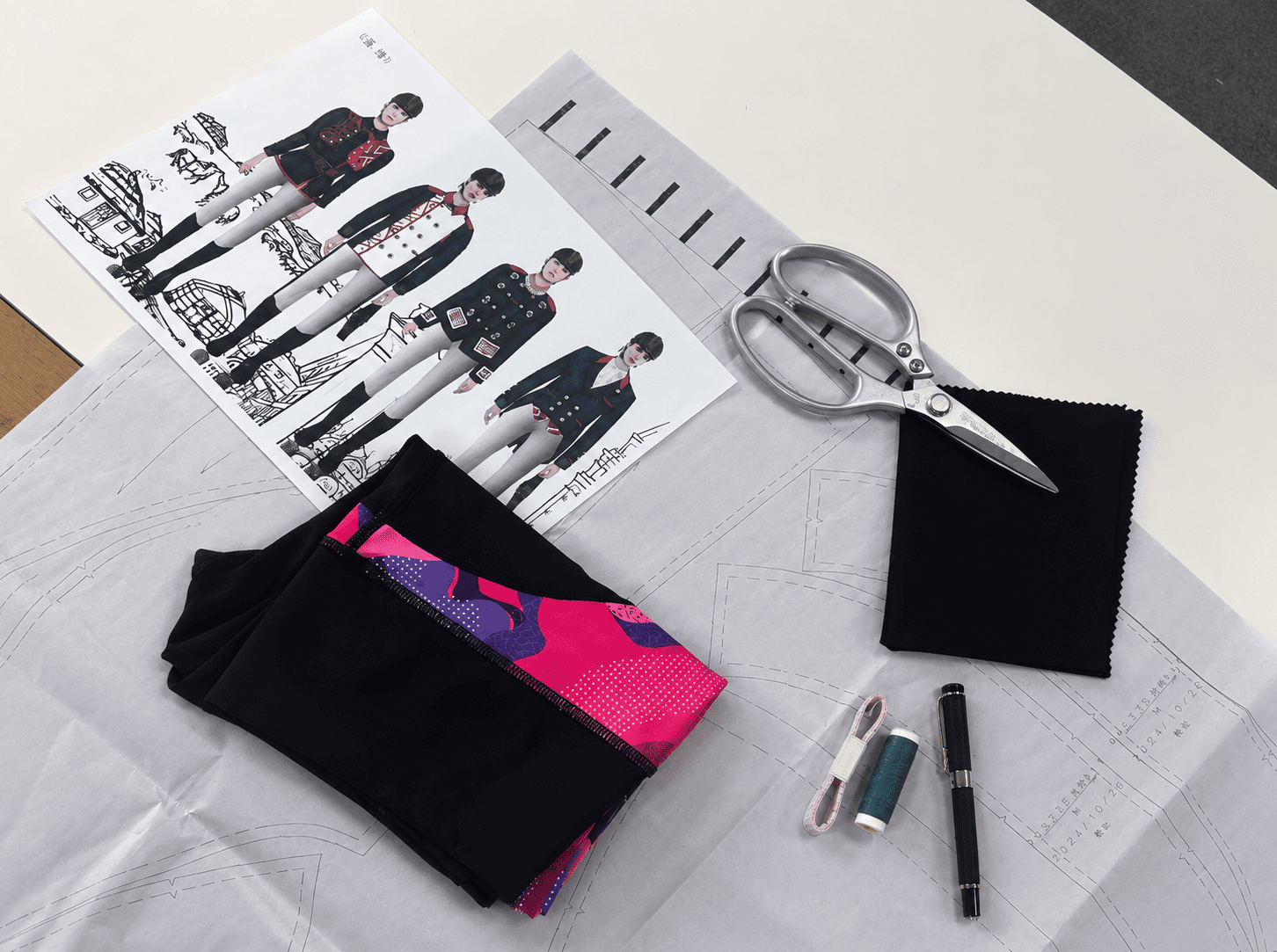
When your garments need to sell together, each piece should serve a clear purpose while sharing your brand’s identity. Fineactive’s custom equestrian apparel manufacturing brings product development and production together, helping you turn a collection brief into defined styles and specifications ready for sampling.
We develop riding breeches, riding tights, show shirts, competition jackets, training tops, outerwear, vests and midlayers. Your order can centre on one lead product or include supporting pieces intended for the same seasonal launch.
Tell us which products need to work together. A training top paired with breeches needs consideration of proportions, colour and branding. A jacket intended for layering needs movement allowance over the chosen base layer. Collection coordination means reviewing these relationships while preserving each garment’s requirements.
| Your project | What we define together |
|---|---|
| First brand launch | Lead product and essential supporting pieces |
| Established range extension | Compatibility with existing colours, fits and price positioning |
| Club or team collection | Shared identity, wearer groups and garment uses |
| Seasonal capsule | Climate needs, layering combinations and launch priorities |
If products need matching colours or logos, identify this early. Different fabrics and application methods can produce different results, so references need individual development and approval.
Each garment still needs its own specification. Breeches, fitted tops and outerwear can share a brand identity while requiring separate fit references, construction details and material requirements.
Please send your planned product list, target market and any references you have. Tell us which designs are already confirmed and which parts need our support. We will review the development scope of your collection and confirm what information is needed before sampling starts.
Our core product categories include:
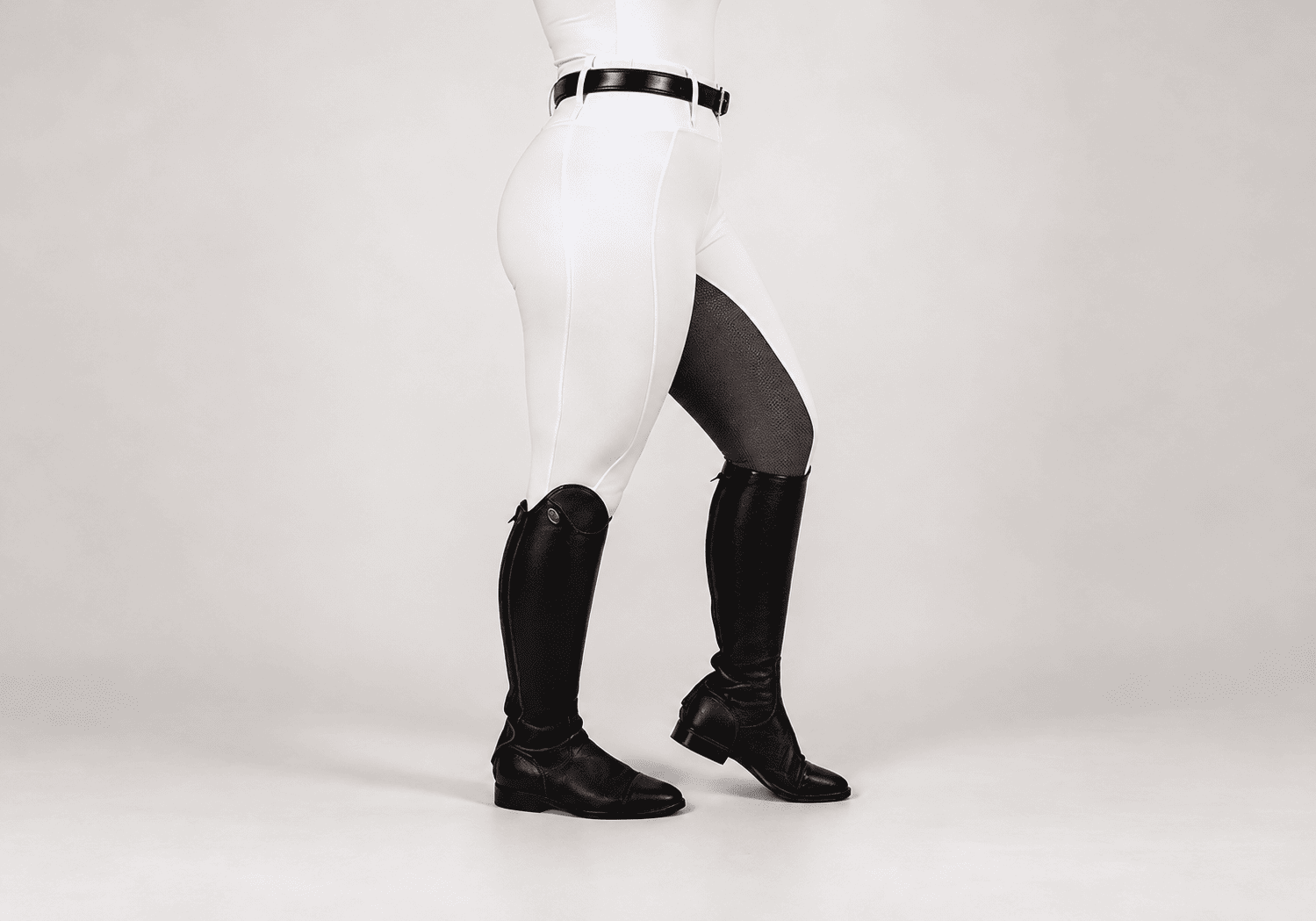
Riding Breeches
Full seat grip, knee grip, competition breeches
Dressage, show jumping, training
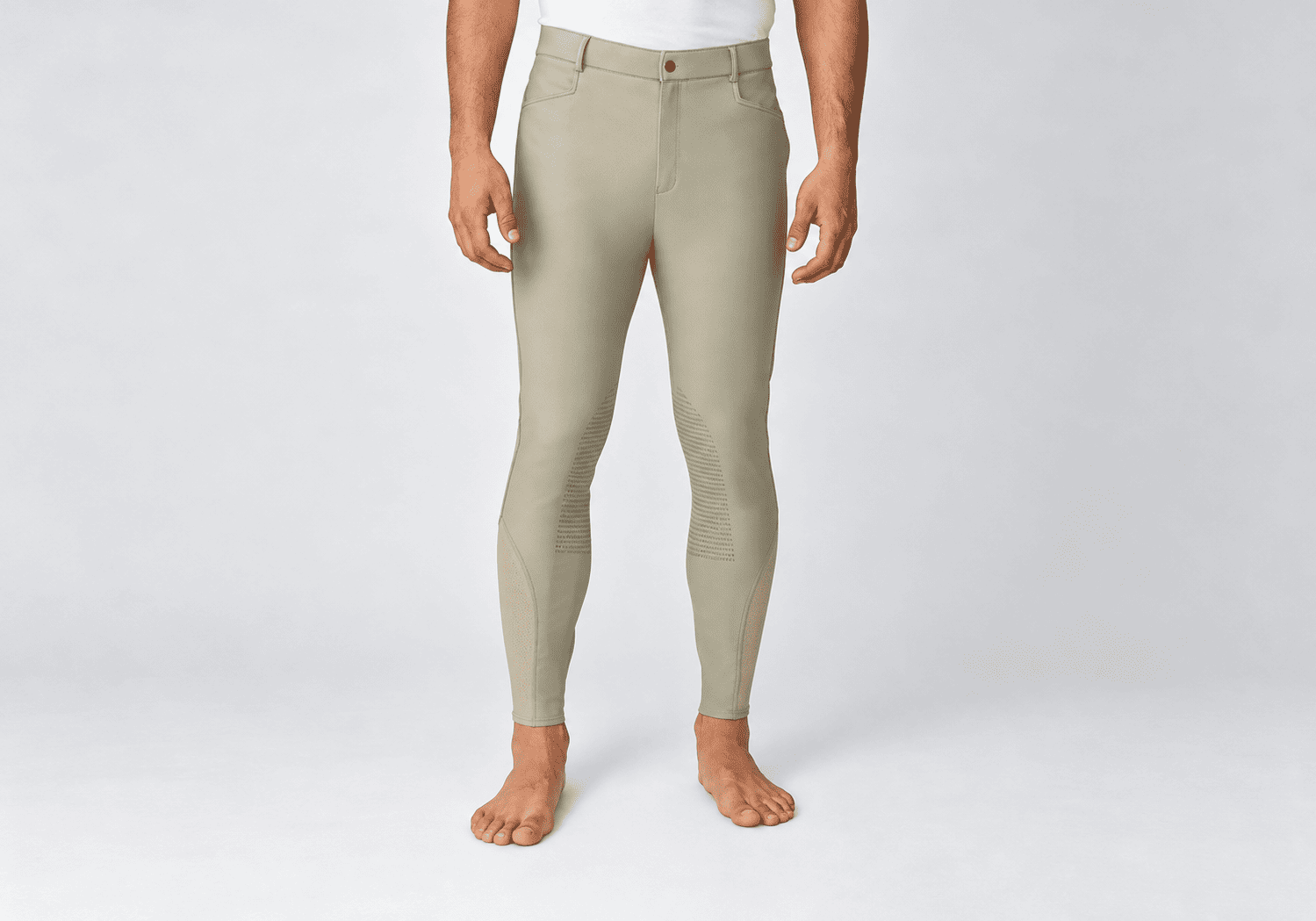
Riding Tights & Leggings
High-waisted, pocket, thermal styles
Daily training, recreational riding
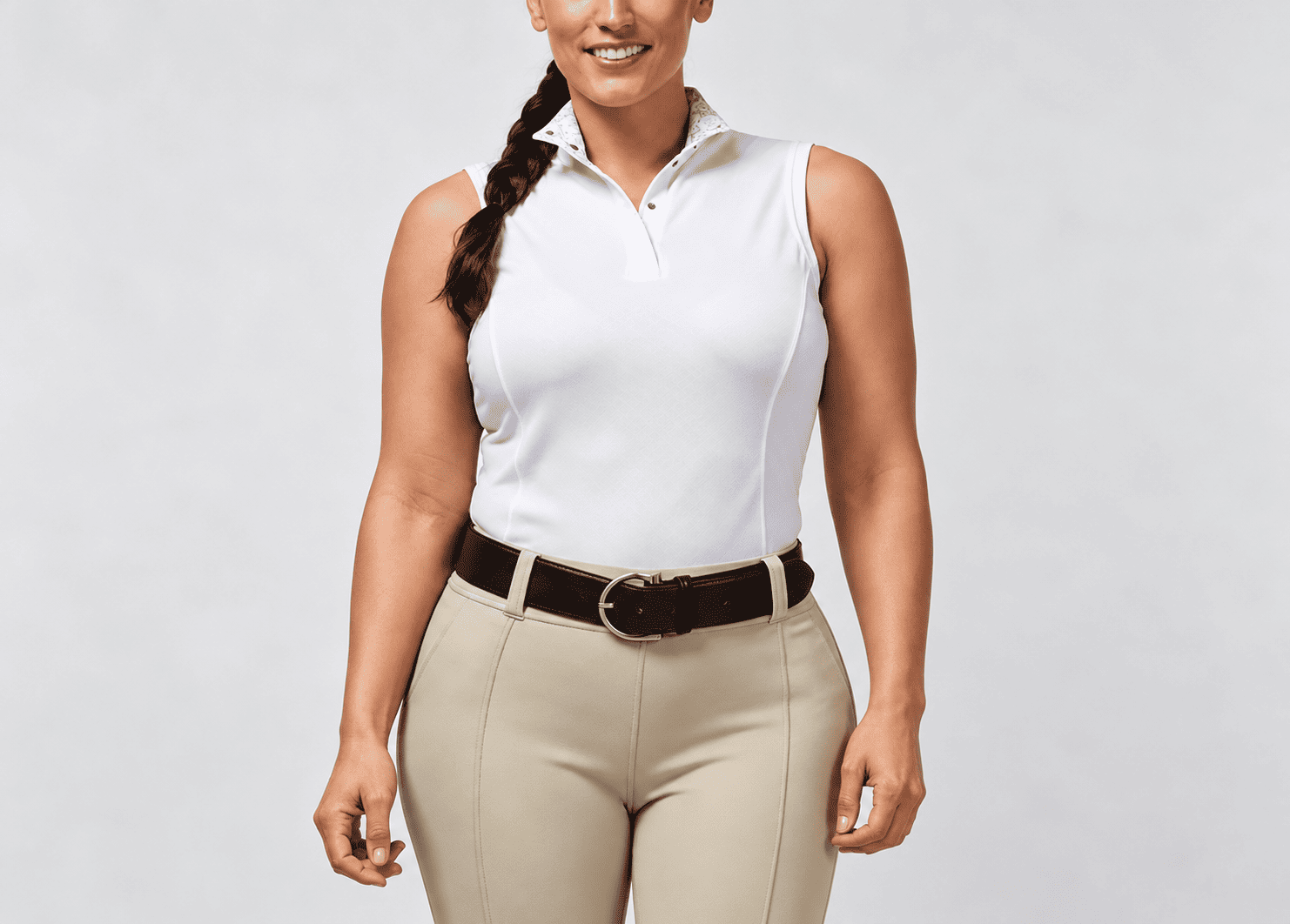
Show Shirts
Long-sleeve, short-sleeve, stand-collar styles
Competition, show collections
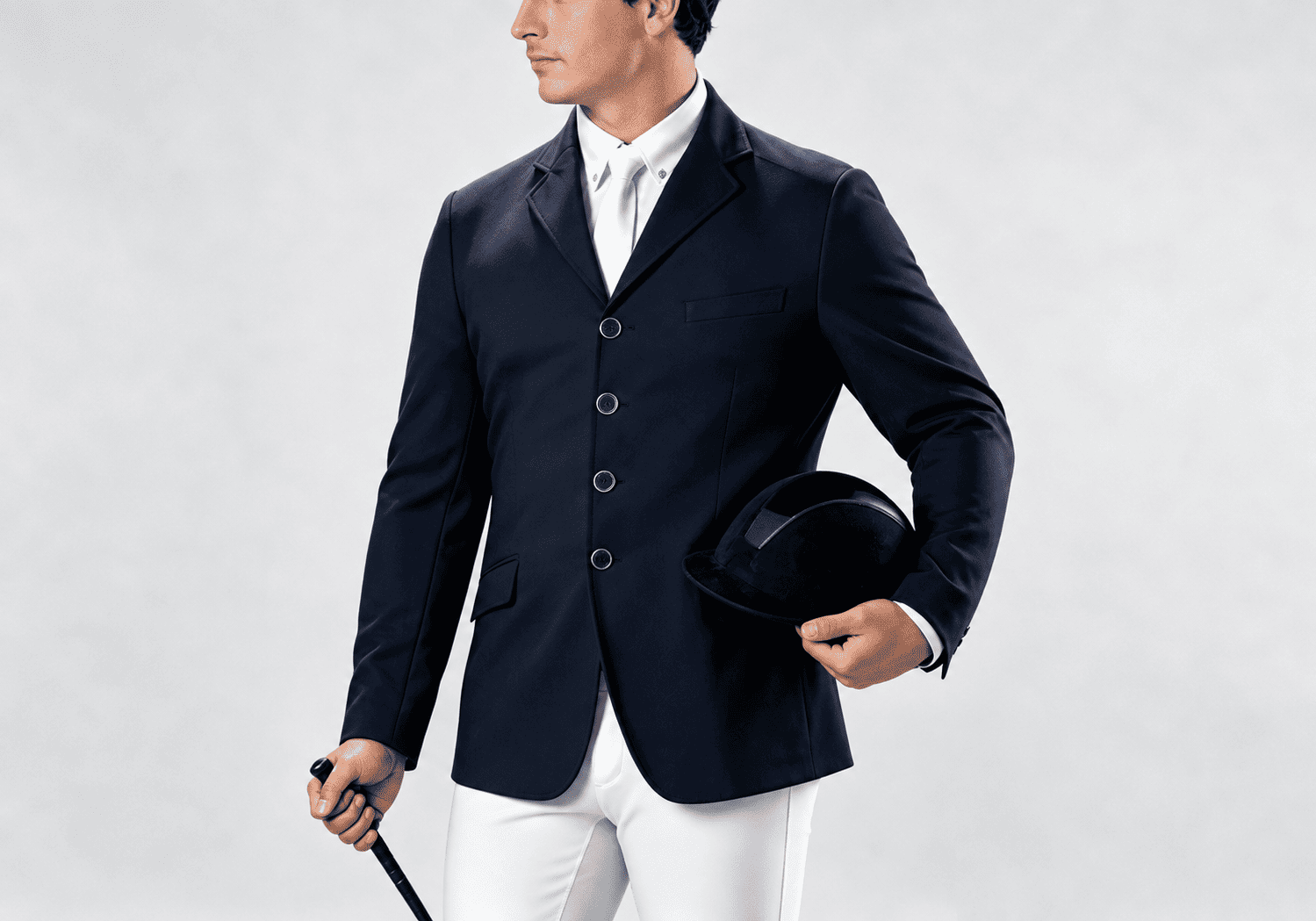
Competition Jackets
Stretch show jackets, dressage coats
Dressage, show jumping

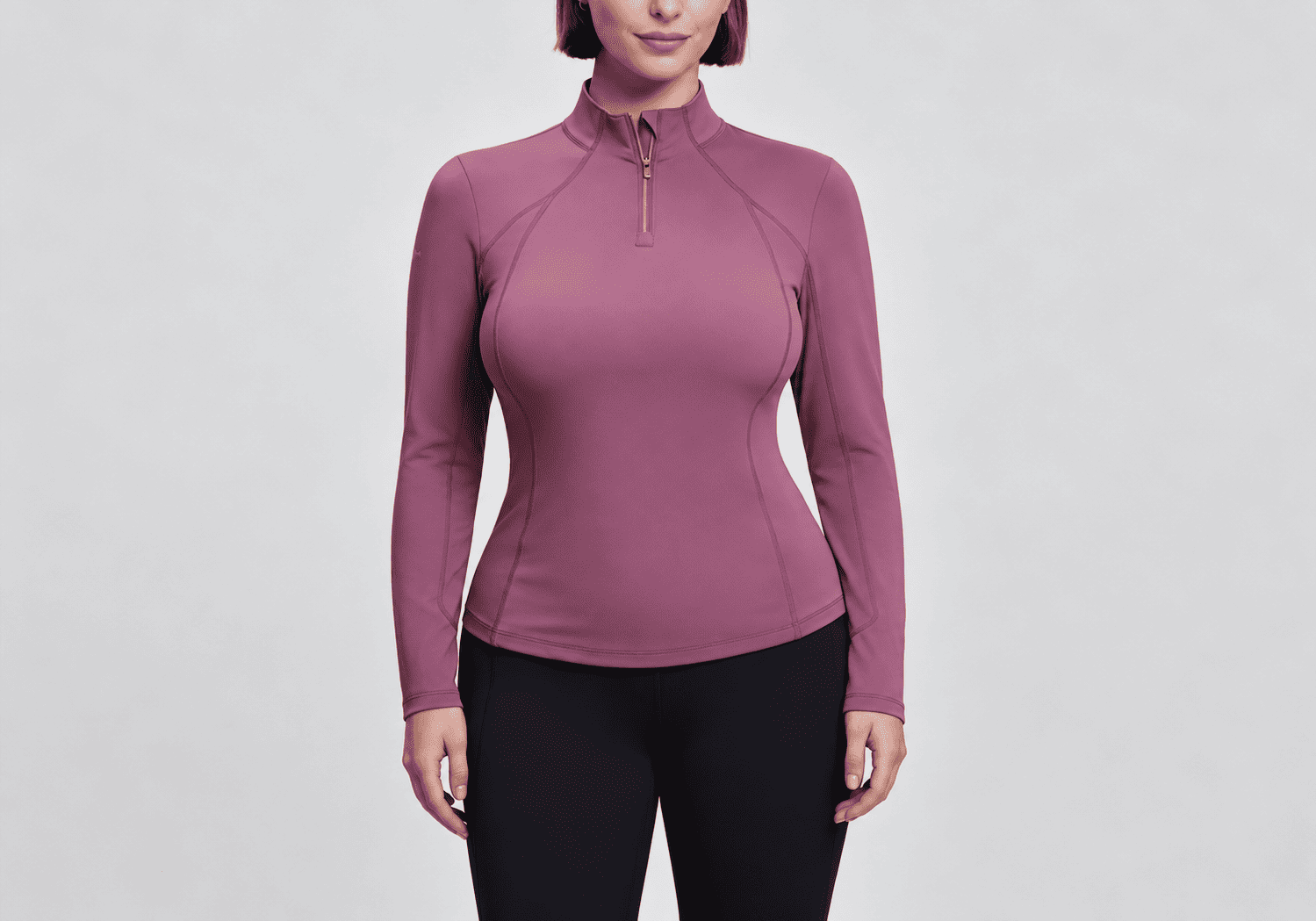
Technical Riding Tops
Base layers, half-zip, UV-protective tops
Training, warm-weather riding
Equestrian Outerwear & Vests
Softshell, wind-resistant, water-repellent styles
Outdoor riding, seasonal collections
Confirm Your Collection MOQ, Lead Times & Production Plan
A collection order requires quantities per style and colour, with development and approvals coordinated across garments. Fineactive’s purchasing terms help you calculate launch quantities, understand when lead times begin and identify the decisions needed before production can be scheduled.
Our standard MOQ is 100 pieces per style per colour. Sizes can be allocated within each approved combination. Using the same colour across different products does not combine their minimums.
| Purchasing detail | Fineactive’s standard terms |
|---|---|
| MOQ | 100 pieces per style per colour |
| Size allocation | Agreed within each style and colour |
| Sampling | 7–15 working days after essential design, material and technical details are confirmed |
| Bulk production | 25–35 working days after PP approval, order confirmation, required deposit and material readiness |
| Cooperation models | OEM, ODM, private label and standalone sampling |
| Special materials | Purchasing minimums, charges and timing assessed separately |
For example, one top in two colours plus one breeches style in one colour requires at least 300 garments. Each style–colour combination can have its own size allocation.
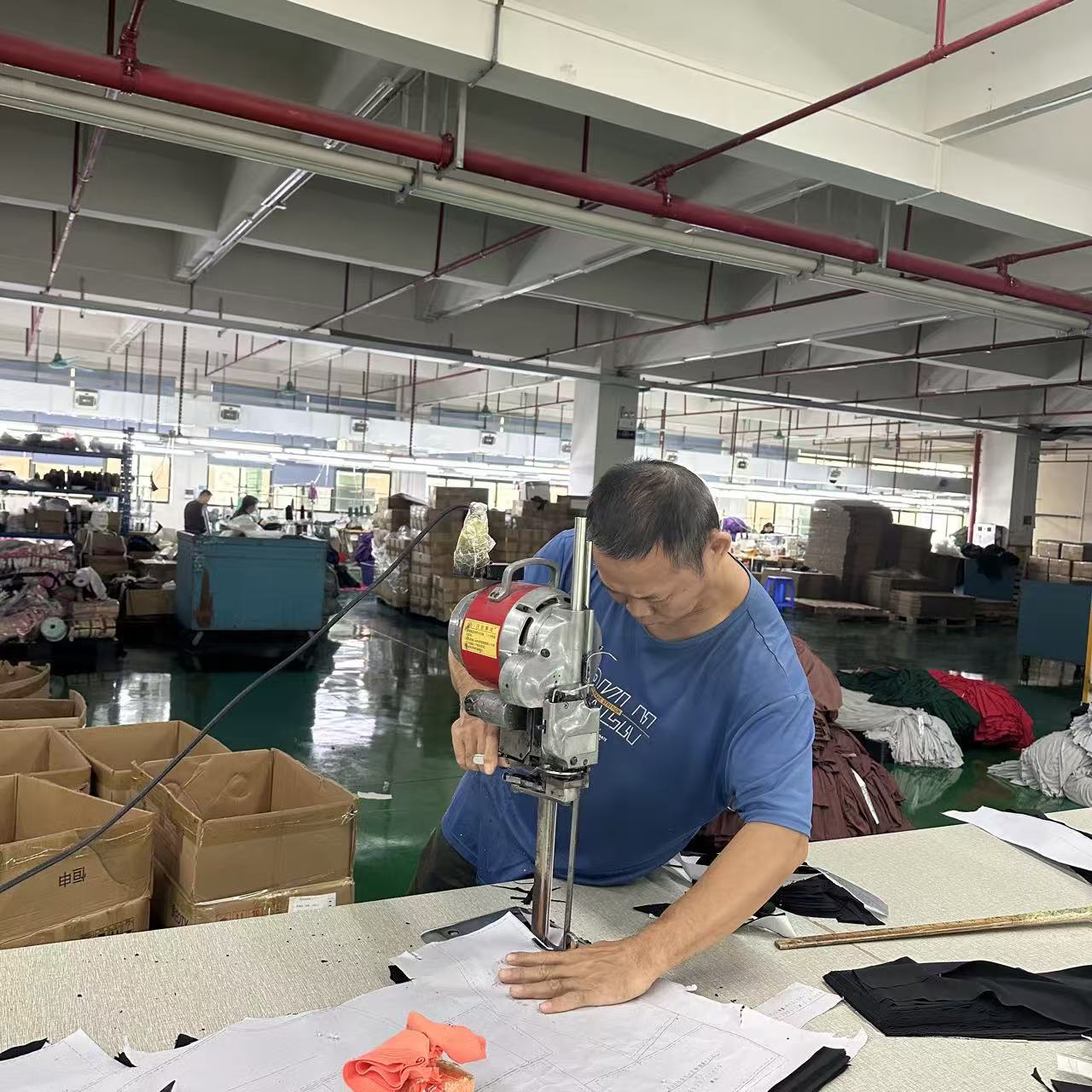
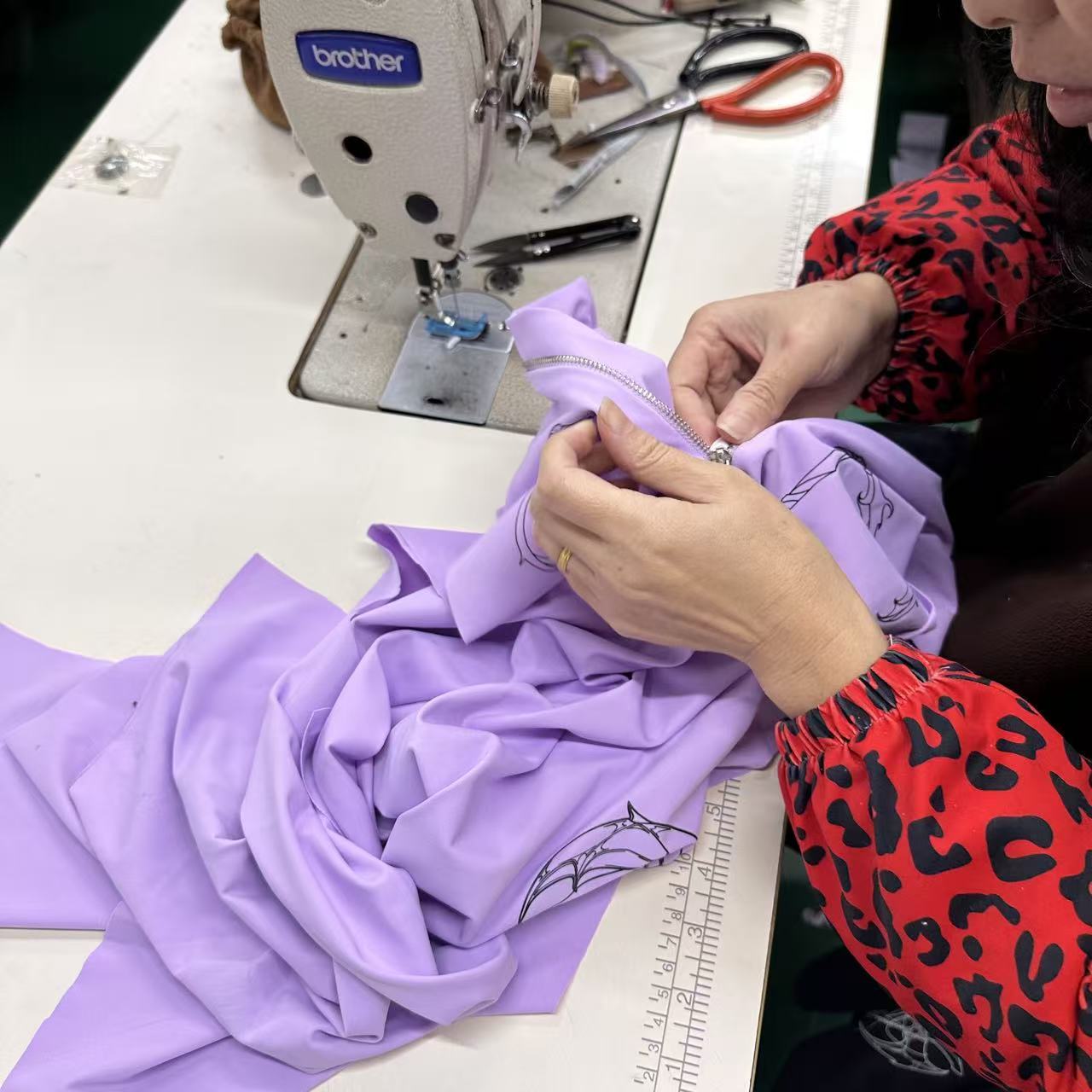
Factory resources must be considered against current scheduling. You can learn more about Fineactive and our manufacturing background. Company records list seven production lines, including three equestrian lines, with 11 sample-development personnel and 13 quality inspectors.Personnel figures cover overall factory resources; allocation depends on your products and current commitments.
Individual garments may receive approval at different times. Specify whether everything must ship together or partial delivery is acceptable. Special fabrics, revisions and delayed approvals can affect coordination; transport and customs clearance require separate allowances.
Send quantities by style, colour and size, plus your required arrival date. We will review order structure, material constraints and approval milestones before confirming the collection’s production plan.
We offer three manufacturing services to support different product development needs:
OEM Manufacturing
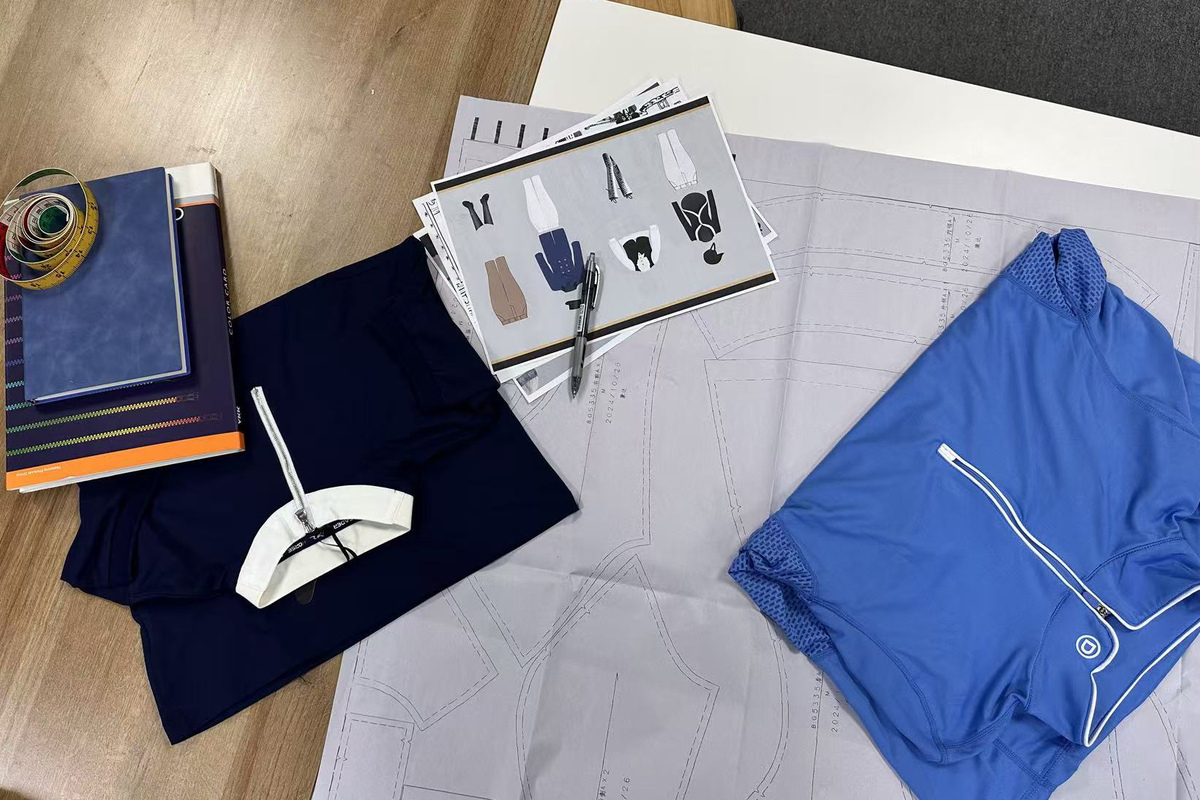
Produce your designs using approved Tech Packs, size specifications, selected fabrics, and construction requirements.
ODM Development
Develop original apparel concepts through pattern making, fabric selection, functional detailing, and sample refinement.
Private Label Manufacturing
Customize approved designs with your brand colors, logos, labels, trims, and retail packaging.
Define Your Core Styles & Supporting Pieces for Launch
Each style in your collection should answer a clear customer need. Fineactive helps you distinguish lead products, supporting pieces and seasonal additions, keeping development work aligned with your launch priorities and clarifying each garment’s purpose before sampling begins.
Start with the product you intend to lead with. This could be full-seat breeches, riding tights or a show shirt developed for your brand. Explain the intended rider, expected retail price and wear problem it needs to address.
Supporting products should give customers a practical reason to combine pieces. A training top can complement your core bottoms for everyday riding, while a gilet or midlayer can extend the collection into another season. Each addition should have a defined sales or use purpose.
| Product role | What to establish during development |
|---|---|
| Lead style | Target rider, essential features and launch priority |
| Supporting piece | Outfit compatibility and standalone usefulness |
| Seasonal addition | Climate needs and layering purpose |
| Club or team garment | Wearer group, use and identity requirements |
Develop priority products first, then extend related styles where appropriate. If the core bottoms are still undergoing fit changes, some supporting details may also remain open. Identify these dependencies before locking undecided designs.
Established brands can share best-selling references, customer feedback or gaps in their existing assortment. We assess how new styles can connect with that range rather than assume every garment needs redevelopment.
Send a prioritised product list identifying styles that must launch together and those that can follow. We will review the development scope and clarify the information each style needs before sampling.
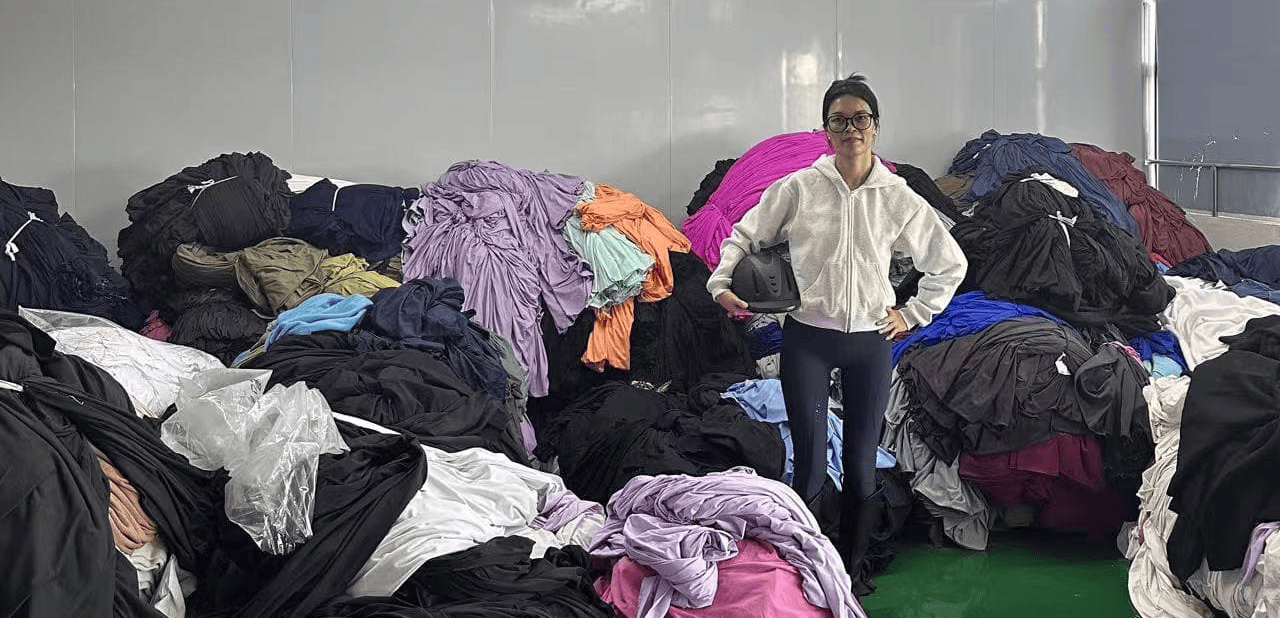
Performance Fabrics
High-performance materials for comfort, durability and reliable performance. Four-way stretch. Moisture-wicking. Anti-pilling. Thermal and water-repellent options
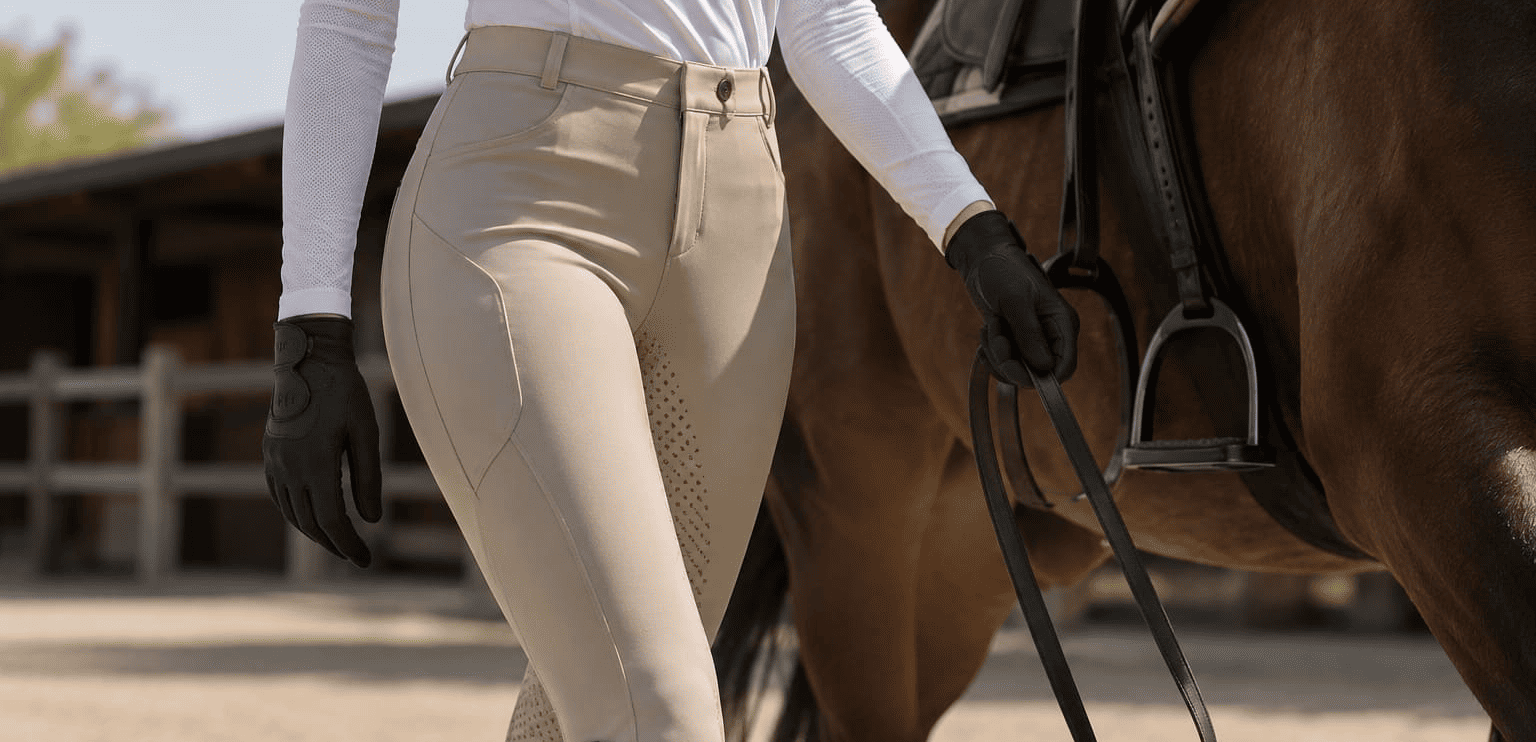
Riding-Specific Fit
Ergonomic designs for freedom of movement and in-saddle comfort. Waist rise (high, mid or low). Crotch depth and knee articulation. Inseam and seam placement. Optimized for riding performance and comfort
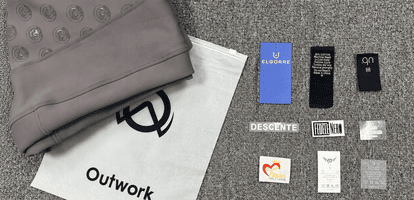
Branding Options
Full customization to create distinctive branded apparel. Embroidery, heat transfers and silicone logos. Custom colors to match your brand. Woven labels, care labels, hangtags and zippers. Packaging solutions.
Customise Collection Fabrics, Colourways & Seasonal Layers
A coordinated range needs fabrics, colours and layering combinations that work together in riding use. Fineactive reviews these relationships against each garment’s requirements, helping you identify shared material opportunities and details needing separate development and approval before confirming the collection.
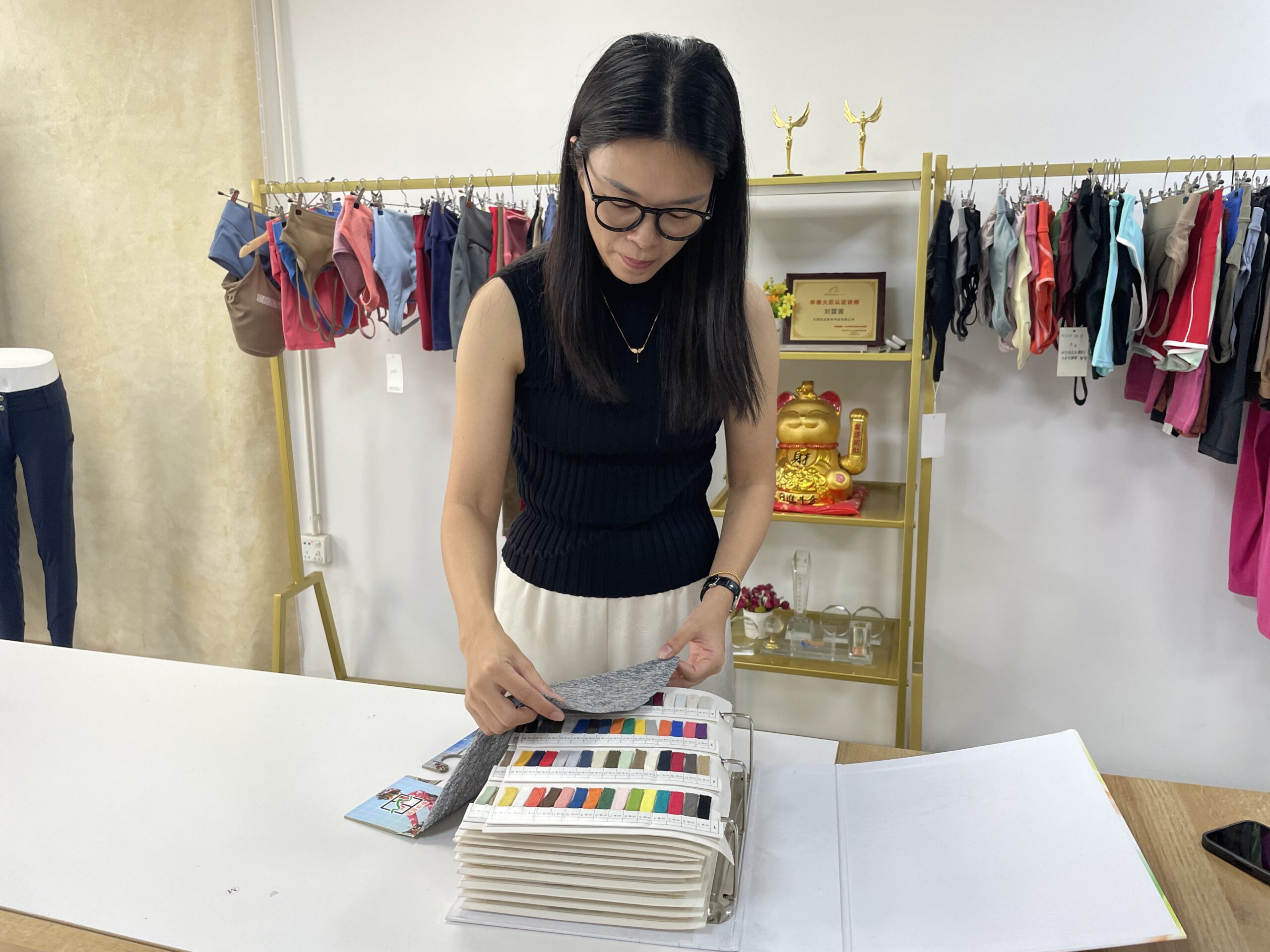
Choose suitable materials for each garment before deciding what to share. Training tops may need lightweight knits, breeches require coverage and recovery, and outerwear may use woven or softshell fabrics. A shared colour direction does not make one fabric suitable for every product.
| Coordination point | Confirm before approval |
|---|---|
| Main and accent colours | Physical standards, garment allocation and acceptable differences |
| Matching across fabrics | Surface sheen, texture and side-by-side appearance |
| Base layers and midlayers | Friction, bulk and sleeve allowance |
| Outerwear combinations | Collar, cuff and seated hem relationships |
| Performance requirements | Intended use and relevant verification for each garment |
The same colour can look different across materials, as explained in Pantone’s guide to colour systems and material differences. Smooth knits, brushed fabrics and softshell surfaces can therefore require separate physical colour approvals. Review physical colour submissions together, even when they use the same reference, rather than approve them separately or from screens alone.
Try layering combinations together. Check whether base-layer sleeves bunch, midlayers restrict forward reach or a closed jacket allows comfortable sitting. Record changes against the affected garment.
Please tell us the intended season and sales market, and send your colour references and planned outfit combinations. We will review suitable materials and check whether materials can be purchased together for different styles. Any special dyeing requirements or minimum order quantities for individual fabrics need to be clarified before the colours are approved.
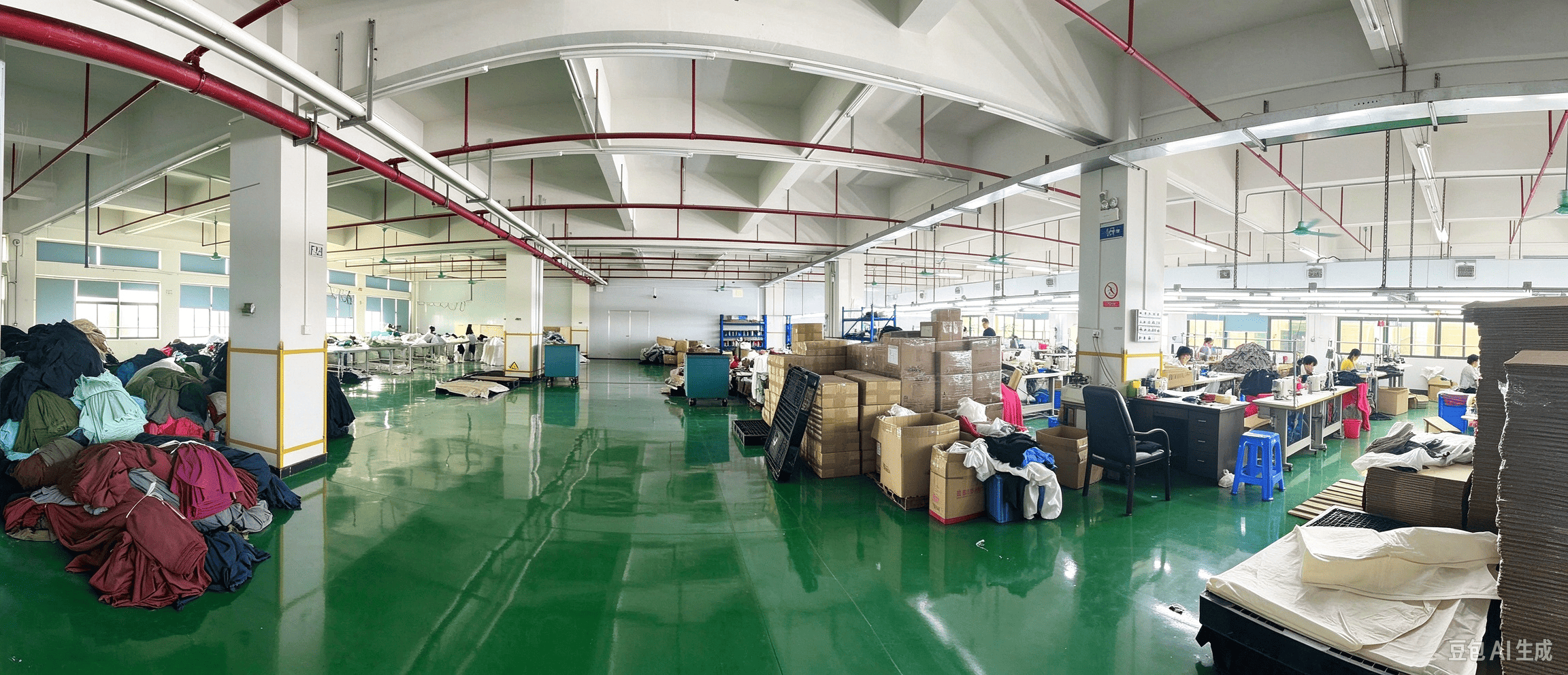
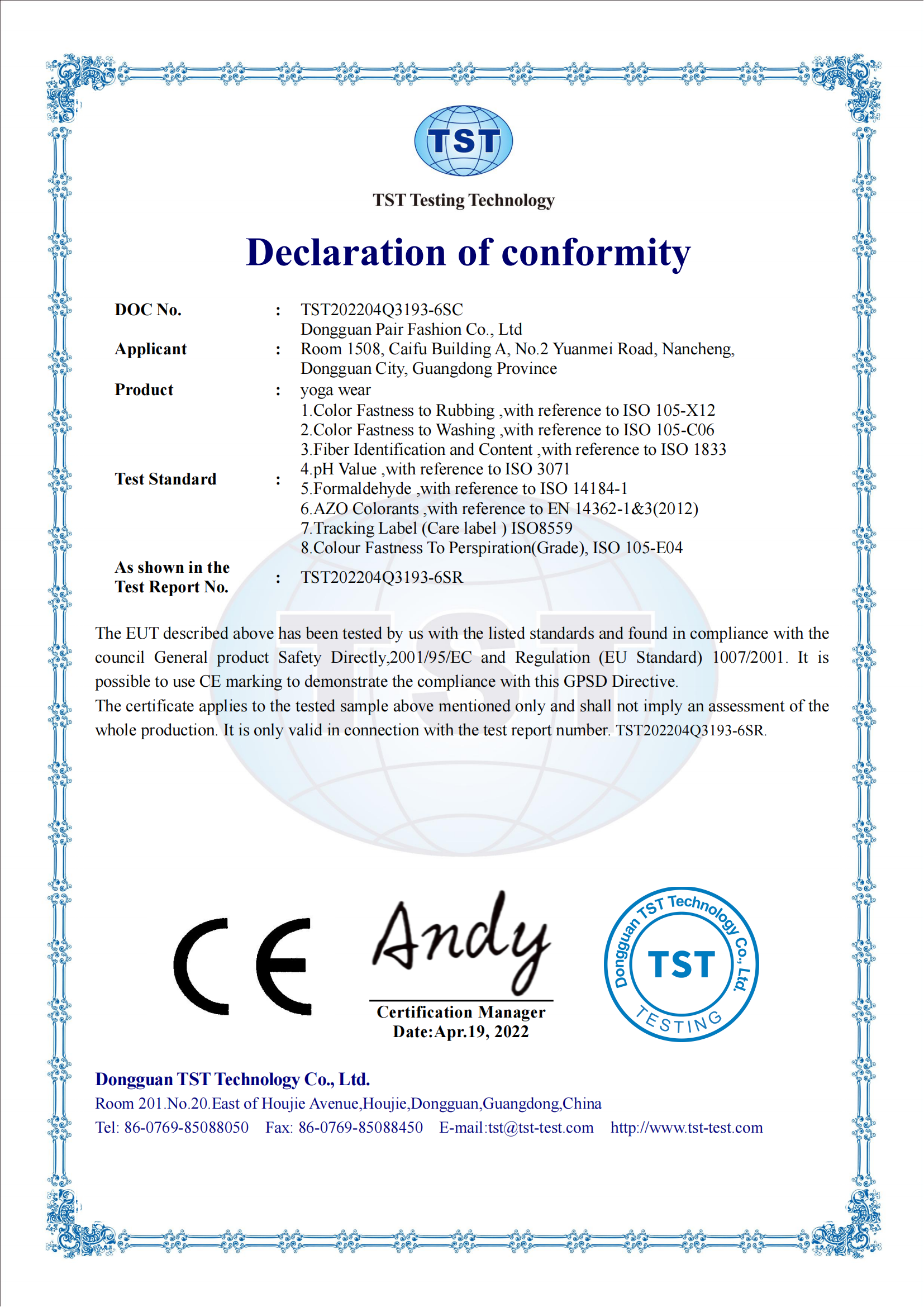

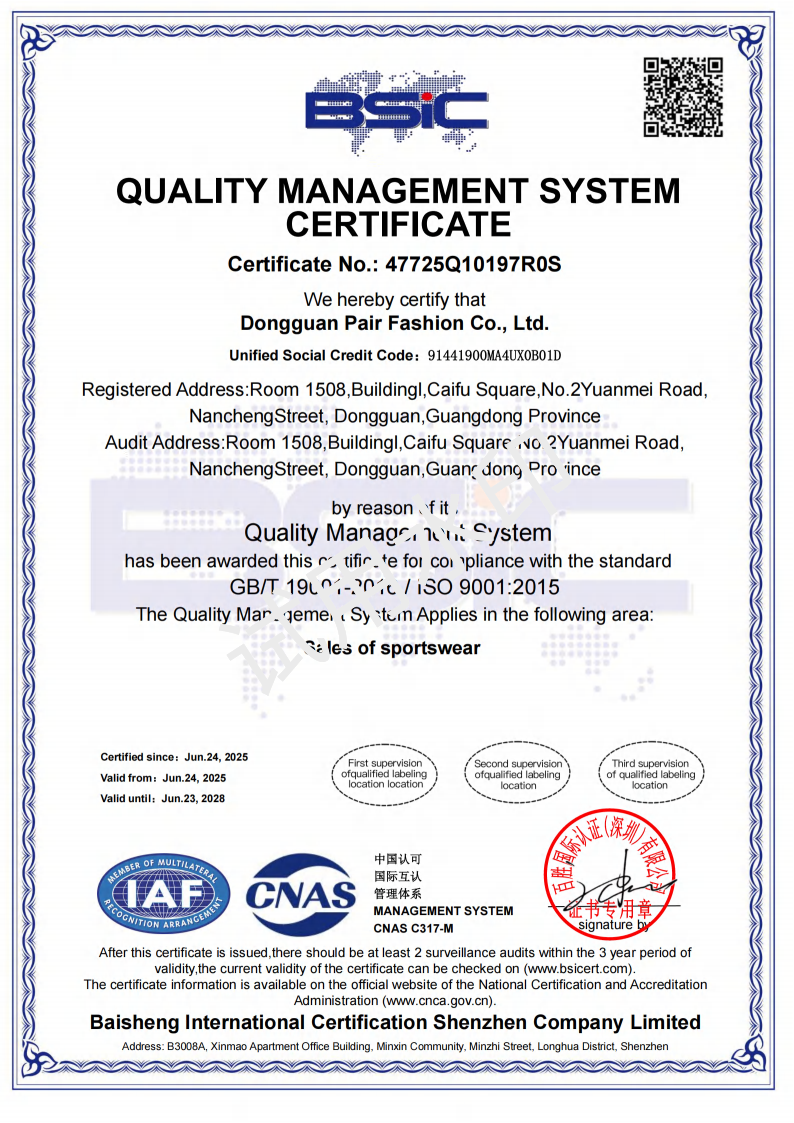
Production Lines: 7 lines, including 3 dedicated equestrian apparel lines
Sample Development Team: 11 personnel
Quality Control Team: 13 inspectors
Overall Monthly Capacity: Approximately 50,000 garments across factory operations
Minimum Order Quantity: 100 pieces per style per color
Sampling Lead Time: 7–15 working days
Bulk Production Lead Time: 25–35 working days
Manufacturing Services: OEM, ODM, and Private Label
Order Support: Sampling, bulk orders, seasonal collections, and repeat production
Develop Garment-Specific Fit & Sizing for Your Riders
Customers need coherent sizing guidance when buying tops, breeches and outerwear from one brand. Fineactive develops separate patterns for each category and reviews them against shared rider references, helping you maintain sensible proportions and movement allowance throughout the collection.
Start with a consistent target-wearer profile. Provide body measurements, your sales market, reference size and existing fit feedback. Women’s, men’s, youth and plus-size ranges need their own proportions; changing size labels alone cannot resolve those differences.
A shared sizing system does not mean identical garment measurements. Fitted tops, stretch breeches and layering jackets require different allowances and measurement points.
| Garment category | Fit review priorities |
|---|---|
| Breeches and riding tights | Waistband stability, rise, seat and knee-bend allowance |
| Show shirts and training tops | Chest and back movement, forward reach and hem coverage |
| Competition jackets | Shoulder balance, armholes, closure and seated movement |
| Outerwear and gilets | Layering allowance, collar relationships and riding hem position |
Use shared rider references while checking each garment separately. A rider may wear medium breeches but need another top size. Sizing guidance should accommodate this rather than assume one letter size fits every piece.
Define measurement methods and tolerances for each style, then select size-set samples to check grading. A successful reference size does not establish fit at both ends of the range.
Send existing charts, well-fitting reference garments and planned layering combinations. We will review missing information and identify the sample checks required. Approved measurement records and fitting comments become references for the collection and subsequent replenishment.
Apply Your Brand Identity Across Garments, Trims & Packaging
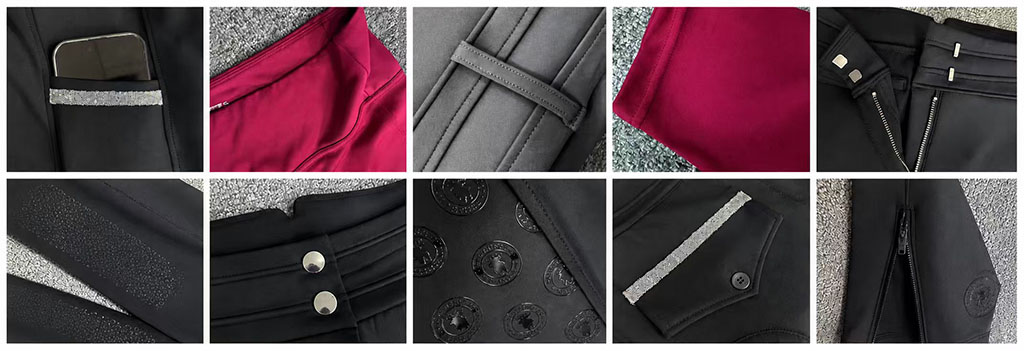
A consistent brand identity requires coordinated logos, trims and packaging across products, rather than simply repeating one graphic. Fineactive brings these details into collection development, helping you confirm application results, wearing comfort and retail information for each style.
Establish one shared branding brief for the collection. Provide authorised logo files, colour references, dimensions, placements and preferred trim finishes. Identify which details must remain consistent and which can adapt to different garment categories.
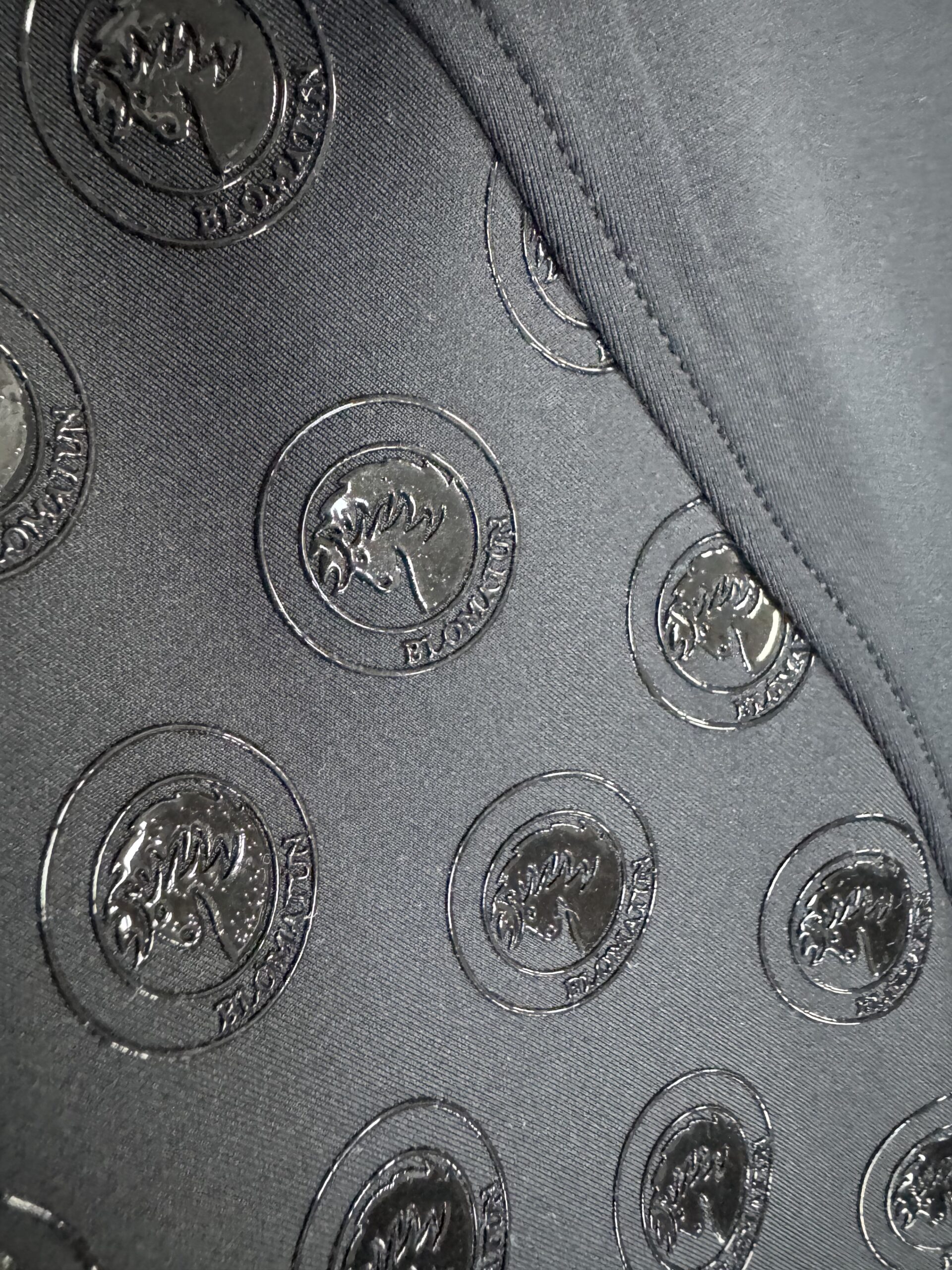
The same logo may require different applications on stretch tops, breeches and softshell jackets. Heat transfers, embroidery and silicone branding need assessment for flexibility, adhesion, fabric distortion and contact comfort.
| Brand element | Collection-level approval |
|---|---|
| Logo applications | Placement, scale and approved process by style |
| Zipper pulls and other trims | Finish, colour, weight and intended use |
| Woven and care labels | Shared format with accurate garment-specific wording |
| Hangtags and size stickers | Brand presentation and style–colour–size identification |
| Packaging and barcodes | Pack specifications, approved data and carton requirements |
Approve the application used on each garment. Tonal embroidery on a top may have a different sheen from silicone on breeches. Review related application samples together and define acceptable differences.
Label information must match the product. Different materials may require different composition and care wording; barcodes should follow buyer-approved style, colour and size data.
Special trims and packaging may have their own minimum order quantities and additional charges. Before confirmation, please identify which materials are shared across styles and which are used for one style only. Keep the final artwork and application instructions for each style to support production and repeat orders.
Approve Your Collection Samples Before Bulk Production
Collection samples need individual approval and a shared review of how the garments work together. As part of our OEM and ODM equestrian manufacturing services, Fineactive organises sample checks around outstanding decisions, helping you confirm fit, colours and branding before each style moves into bulk production.
Track approval status separately for every style. Approving a training top does not approve its accompanying breeches or jacket. Identify garments still under revision and whether changes affect shared colours, trims or layering.
- Confirm development files: review each style’s drawings, materials, reference size and open decisions.
- Review fit individually: check measurements, riding movement and construction for each garment’s use.
- Compare the collection: assess colours, logos, trims and layering combinations together.
- Complete agreed validation: review size sets, wash behaviour and application samples where required.
- Approve pre-production: match each garment against its final documents before authorising manufacturing.
Explain which products each correction affects. Replacing a shared zipper pull may involve several garments; changing one top’s length may affect only its relationship with the jacket worn over it. Define these connections to establish the recheck scope.
Please put all feedback into one record with a date and version number. If samples use substitute materials, clearly state which details are still waiting for approval. Check the affected details again when the final materials are available.
Before production, align each style’s PP sample, measurement chart, BOM, branding artwork and packing requirements. If some styles remain unapproved, record whether this affects the release of others. Retain approval records so both teams can execute the order against the same references.
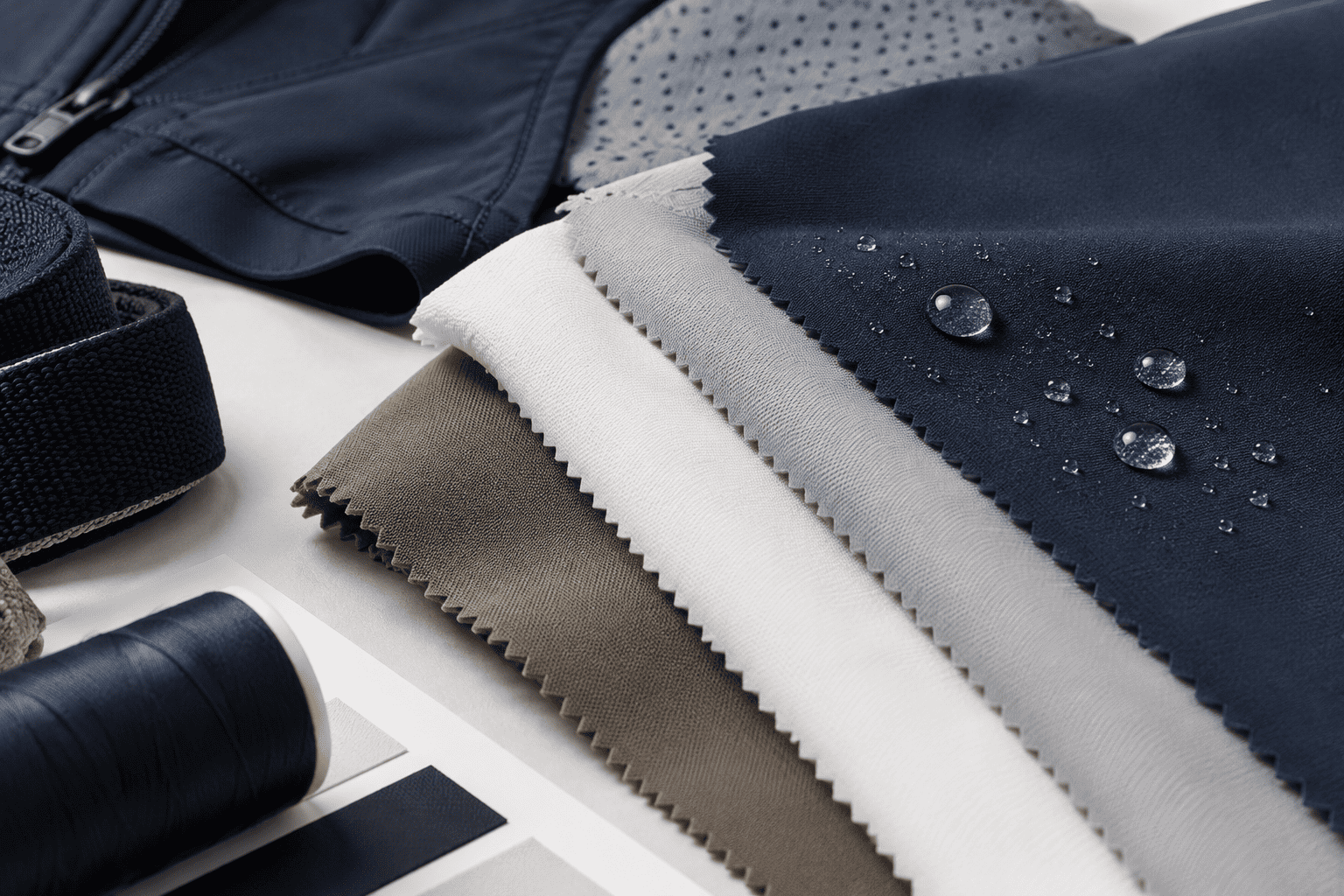
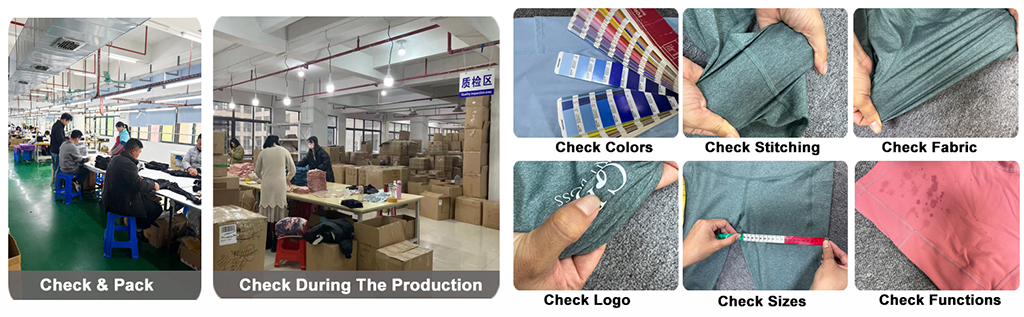
Raw material inspection based on approved quality standards
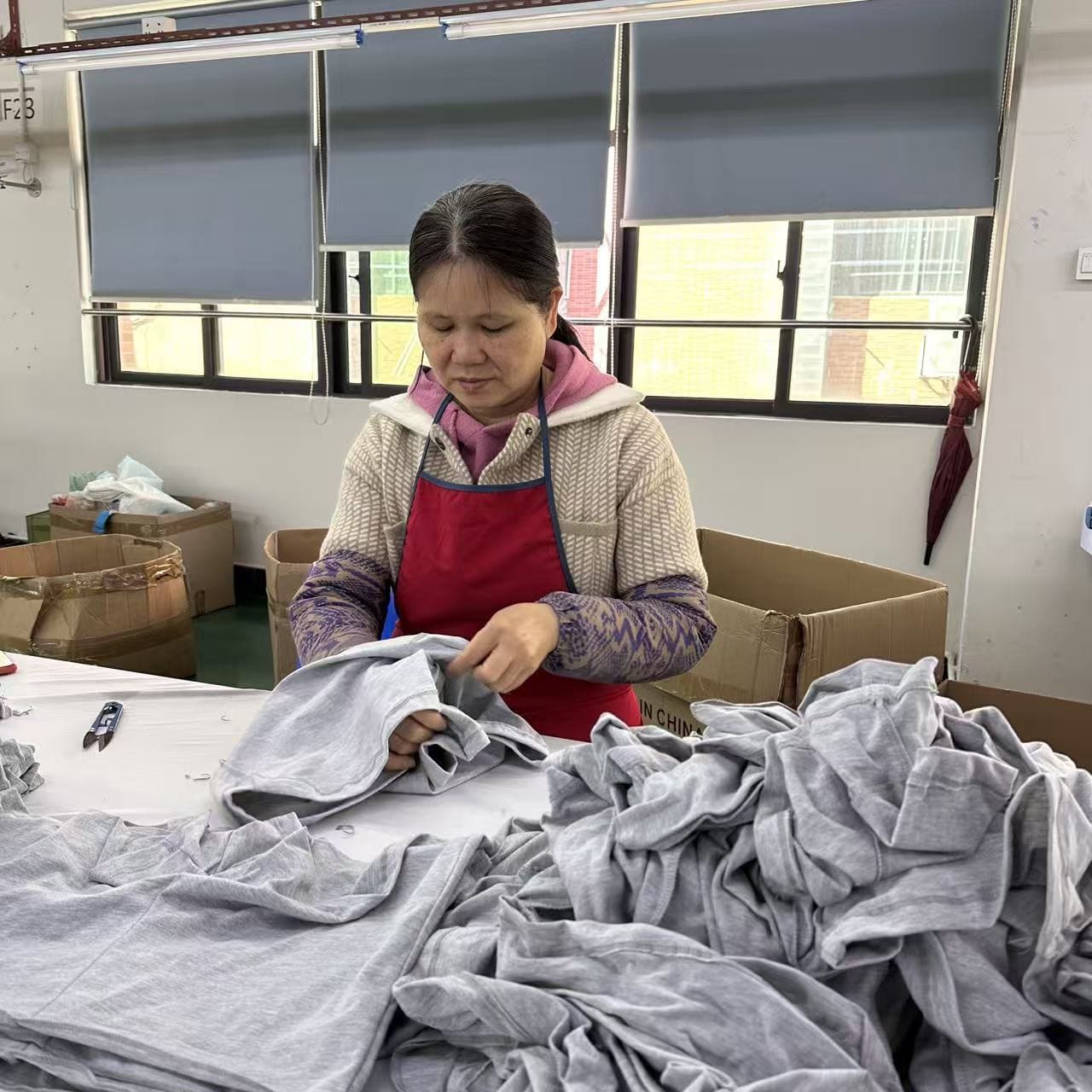
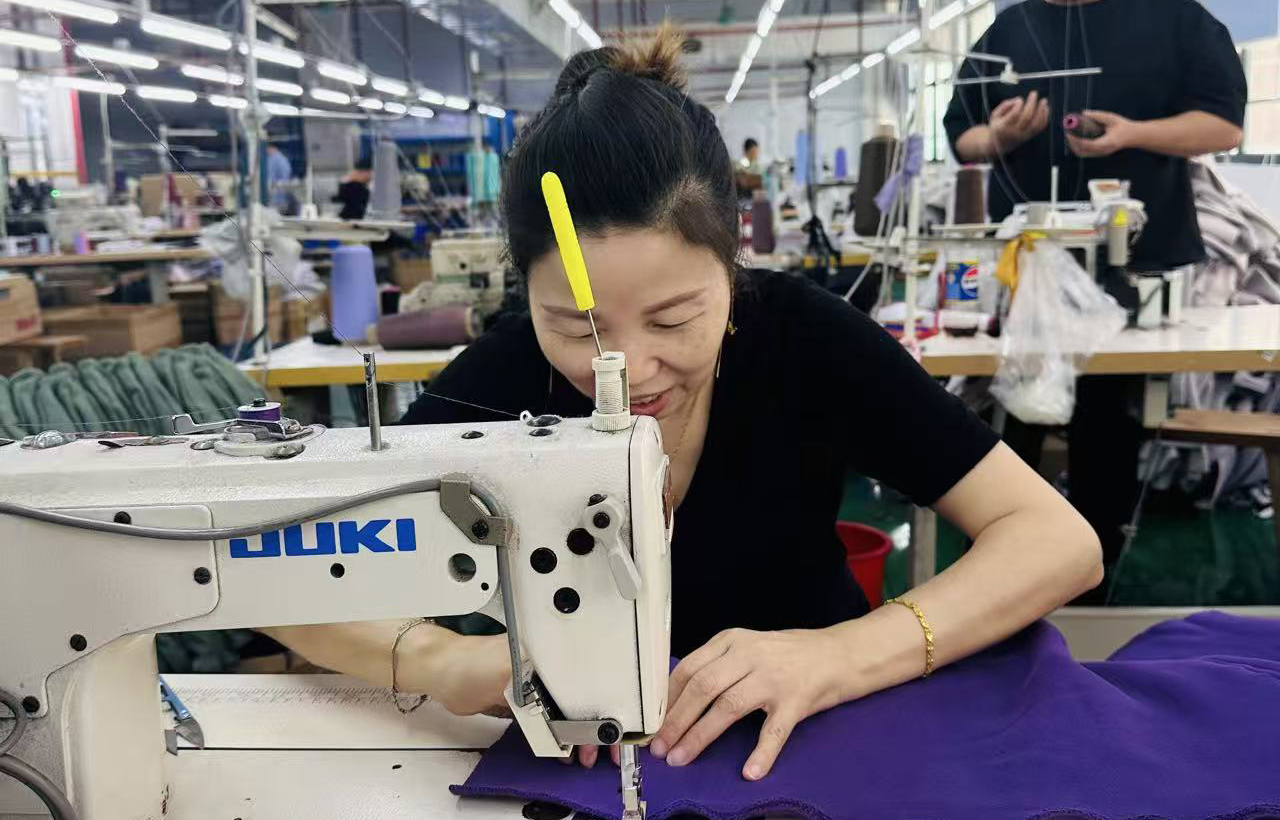
Inline sample checks during cutting, sewing, and assembly
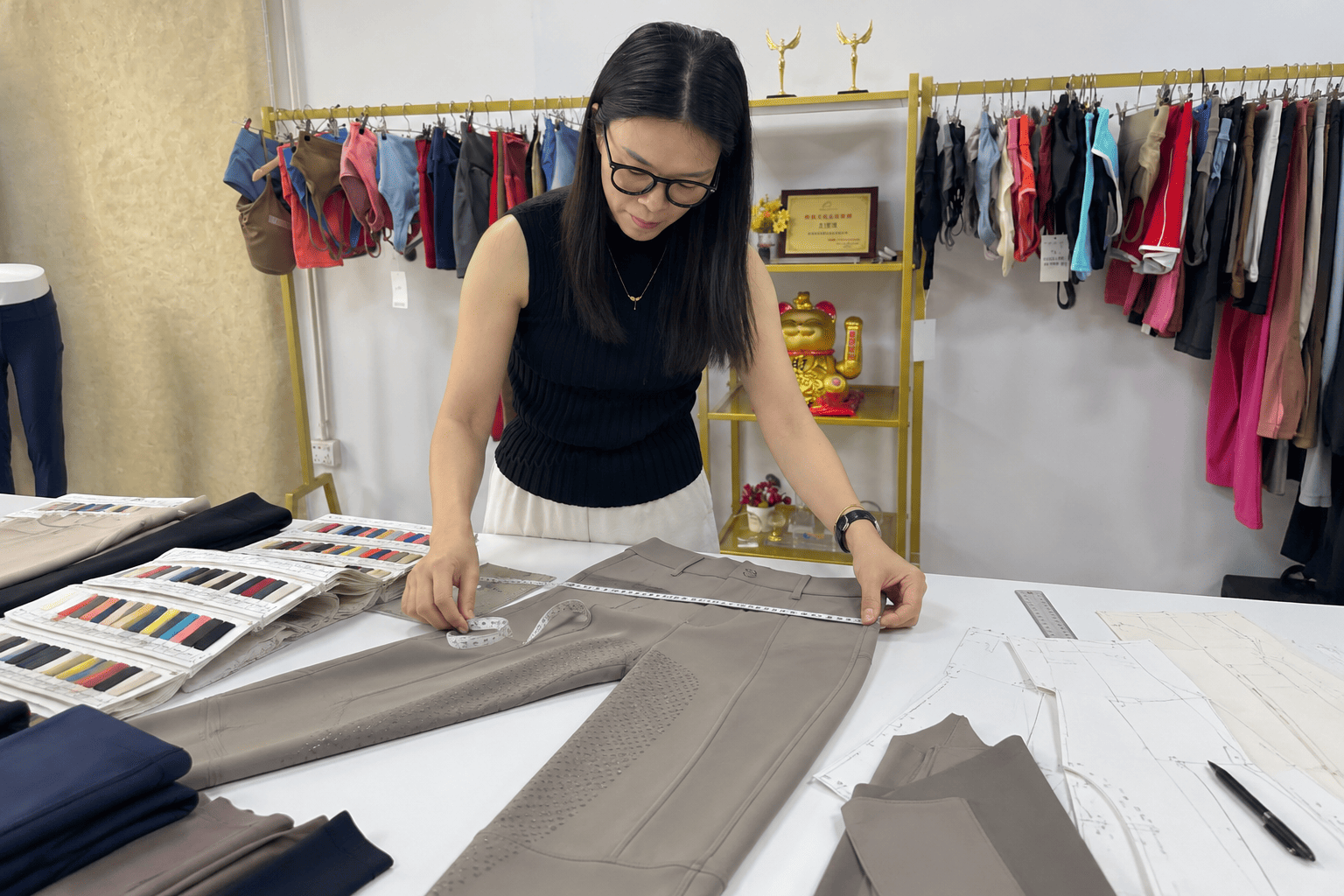
Measurements, appearance, stitching, seams, product performance
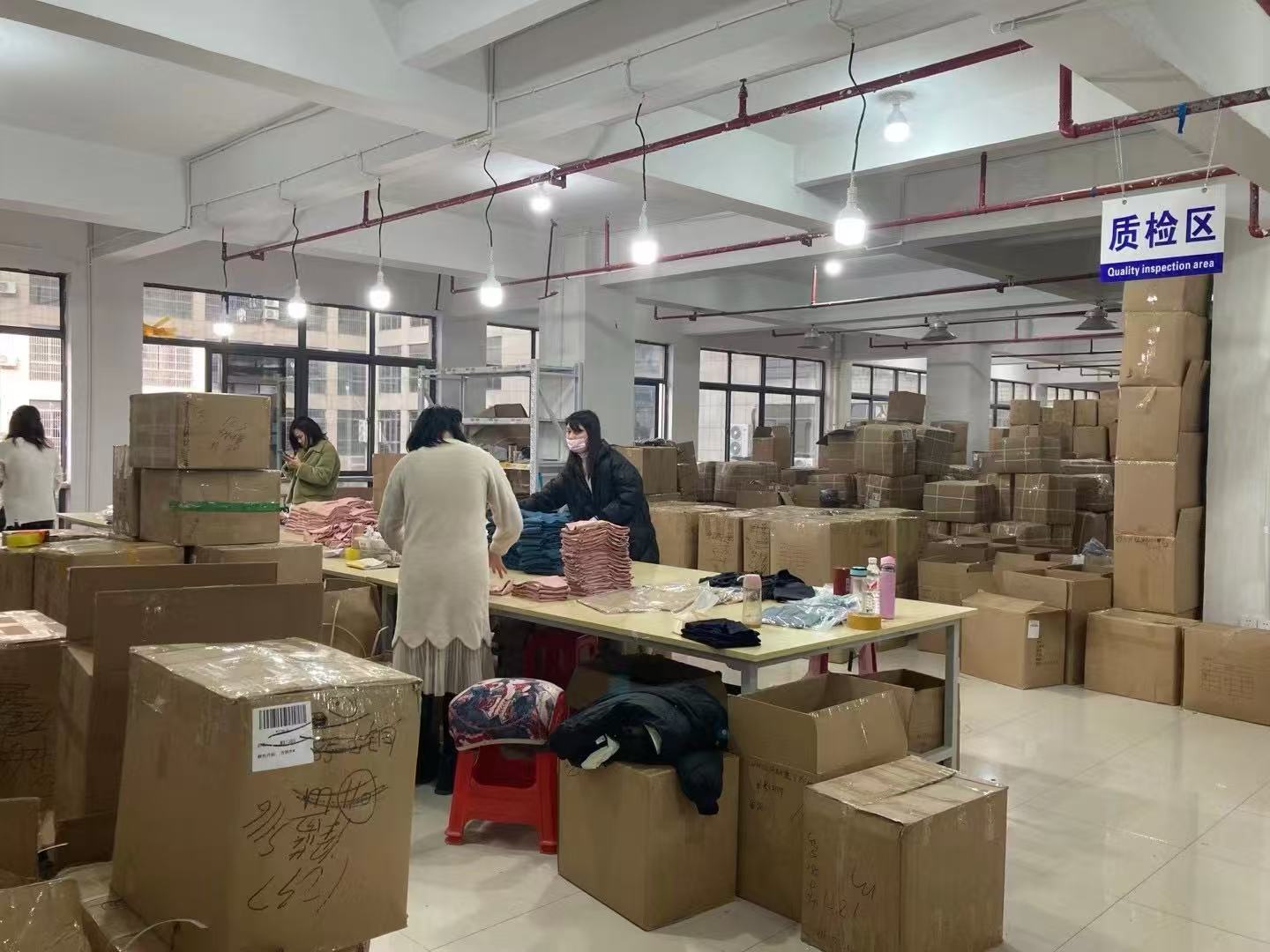
Approved AQL sampling, carton size, label, packaging
Loaded products against approved order
Ensure materials meet specifications
Identify and correct issues early
Verify finished garments meet requirements
Confirm shipment readiness
Ensure products are shipped according to schedule
Manage Bulk Quality, Split Deliveries & Repeat Orders
Multi-style orders need separate quality and delivery tracking against agreed approvals. Fineactive coordinates inspections, shipment allocations and repeat-order reviews, helping you establish which garments can be released, which need correction and what must be checked again for replenishment.
Set inspection priorities by product. Breeches need attention to crotch seams, grip placement and waistbands; show jackets require shoulder balance, closures and lining checks. Shared brand standards do not replace garment-specific measurement and workmanship requirements.
| Order stage | Controls to establish |
|---|---|
| In-process inspection | Critical measurements, seams, applications and corrections by style |
| Finished-garment acceptance | Agreed tolerances, defect classifications and sampling results |
| Shipment allocation | Style–colour–size quantities and destination per shipment |
| Packing checks | Barcodes, carton markings and packing-list alignment |
| Repeat-order review | Specification version, material availability and approved changes |
Deviations should lead to identification, isolation, correction and reinspection of affected goods. If you require an independent assessment before shipment, review the scope of third-party product inspection services and agree the checklist, timing and shipment-release authority in advance. Properties requiring performance tests need agreed methods rather than appearance checks alone.
Specify whether the collection must arrive together. For split deliveries, identify priority garments, destinations and arrival requirements, and confirm the product descriptions, quantities and values for each shipment’s commercial invoice. DHL’s commercial invoice preparation guide explains the shipment information to prepare for customs clearance. Production or inspection changes should trigger a review of shipment implications before adjustments are agreed, without assumed quantity reductions or substitutions.
Reorders require another check of original fabrics, colours and trims. Reference approved style codes and specification versions, with updated size allocations. Material alternatives affecting appearance, fit or function require your approval.
We use project records to support these checks. Retaining batch acceptance results and change records gives future replenishment a defined reference.
Send Your Collection Brief for Development & Itemised Pricing
A useful collection quotation should show what each style includes and what remains undecided. Share your product list, quantities and delivery requirements with Fineactive so we can assess development work and help you define the next sampling or production decision.
Start with one clear product list. Technical files can be supplied separately by style, but keep style codes, colour names and versions consistent. Mark concept-stage products and identify fabrics, fits or details needing development support.
| What to provide | What it helps establish |
|---|---|
| Style list and references | Construction and development scope by garment |
| Quantities per style and colour | Order feasibility and pricing basis |
| Fabric, function and branding requirements | Materials, processes and verification needs |
| Size charts or target wearers | Pattern, fitting and grading work |
| Destinations and arrival requirements | Combined or split delivery arrangements |
| Target prices and delivery terms | Budget alignment and quotation boundaries |
The quotation should list costs separately so you can review each style. Where applicable, show development, samples, garments, special trims, testing, packaging and transport as separate items. Clearly state which requirements are confirmed and which details are provisional. If one style is over budget, you can review that style without reviewing the whole collection again.
Shared materials may offer purchasing coordination opportunities, subject to specifications, quantities and supplier conditions. Garment minimums still apply separately to each style and colour.
Send Fineactive your collection brief, identifying the products you want to progress first and whether you need material selection, sample development or a bulk production assessment. We will identify missing information and required approvals. Later changes need cost and timing reconfirmation; production follows the final order approved by both teams.
Questions About Ordering Custom Equestrian Tights
Find answers to common questions about our OEM and ODM equestrian apparel manufacturing, including minimum order quantities, customization options, sample development, production timelines, and shipping.
1.How is the MOQ calculated for a collection with different garments?
Fineactive’s standard MOQ is 100 pieces per style per colour, applied separately to each garment in your collection; sizes can be allocated within an approved combination, but tops, breeches and jackets cannot automatically share one minimum.
For example, one training top in two colours plus one breeches style in one colour requires at least 300 garments. Sharing fabric or trims does not automatically change garment minimums. Special materials may also have separate purchasing requirements. Send your style–colour quantity breakdown so we can check the order structure before development.
2. Can we develop a small collection without complete Tech Packs?
Yes, Fineactive can assess a small collection from original sketches, authorised reference images or physical samples, provided you explain each garment’s purpose, intended rider and which design details are established or still need development support.
Start with a product list identifying your lead style, supporting pieces and garments that must launch together. We review missing measurements, materials, construction and branding requirements, then define the development scope and charges before sampling. Where references involve another brand, identify the elements you have permission to use rather than assume the complete design can be reproduced.
3. Can colours and branding be coordinated across different garment types?
Yes, collection colours and branding can be coordinated, but different fabrics, embroidery, silicone and other applications may show different sheen or visual effects, so physical references need separate assessment and agreed acceptable differences rather than approval by colour code alone.
Provide your main colours, accents, logo files and details that must remain consistent. Review colour submissions and application samples for tops, breeches and jackets together where possible. Shared trims can be assessed for coordinated purchasing, subject to specifications and quantities. Keep approvals by style to support subsequent manufacturing and replenishment.
4. What should a collection quotation include, and how can we review the budget?
A collection quotation should identify prices by style and clarify whether development, samples, special trims, testing, packaging and transport are included, allowing you to assess the budget against consistent specifications and delivery conditions rather than garment unit prices alone.
Provide quantities per style and colour, target prices, currency and preferred delivery terms. Undecided fabrics, applications or packaging should be marked as provisional. If one style exceeds your target, review specific alternatives and their effect on appearance or function. Added requirements after sampling may need cost and timing reconfirmation rather than inclusion in the original quotation.
5.How long does a multi-style order take, and can it ship in stages?
Fineactive’s standard sampling normally takes 7–15 working days and bulk production 25–35 working days, while collection timing depends on approvals and material readiness for each style; staged deliveries require an agreed product allocation and transport plan.
These periods begin after relevant conditions are met, not at first enquiry. Identify garments that must arrive together, those that can ship earlier, destinations and required arrival dates. Revisions, special materials or delayed approvals may affect coordination. Allow additional time for transport and customs clearance; factory completion is not the same as arrival.
6.Can we reorder one best-selling style without repeating the whole collection?
Yes, a single-style reorder can be assessed without repeating the entire collection, subject to that style’s MOQ, approved specifications, material availability and current scheduling; reusing the pattern does not establish that fabrics, colours and trims remain unchanged.
Provide the original style code, specification version, updated quantities by colour and size, and required arrival date. Fineactive uses project records to identify colour, application or packaging details needing reconfirmation. Substitutions affecting appearance, fit or function require your approval. Shared-material arrangements from the original collection also need reassessment against the new quantities.
FINEACTIVE 自豪地采用 WordPress 构建