OEM/ODM Equestrian Apparel Manufacturer | Custom Riding Wear | Private Label | Low MOQ
Equestrian Tights Manufacturer
Fineactive is your equestrian tights manufacturer for custom fit, silicone grip and private label development, from samples to bulk production.
✓ Low MOQ
✓ OEM & ODM
✓ Fast Sampling
✓ Bulk Production
Custom Equestrian Tights Developed for Your Brand
Your next riding tights should reflect your target rider, price positioning and intended use. Fineactive’s custom equestrian apparel manufacturing includes product development and private label production, helping you turn those requirements into a defined riding tights design ready for sampling.
We develop high-waisted riding tights, full-seat and knee-grip styles, phone-pocket designs and thermal riding leggings for equestrian brands. Start with one lead product or extend an existing collection with styles serving different riding needs.
Tell us what the product needs to solve. If your current tights slip during riding, bag at the knees or place phone pockets awkwardly, those observations can become specific development requirements. If you are launching a new label, define the intended rider and their expectations for fit, feel and everyday use.
| Your product plan | What we define together |
|---|---|
| Launch your first riding tights | Target rider, essential features and price positioning |
| Improve an existing style | Fit or detail changes and features to retain |
| Add summer or winter options | Fabric direction, coverage and layering needs |
| Extend your size range | Wearer-specific proportions, size references and fitting requirements |
Women’s, men’s, youth and plus-size ranges need appropriate proportions. One visual design can connect the collection, while rise, waistband and leg construction may still require adjustment for different wearers.
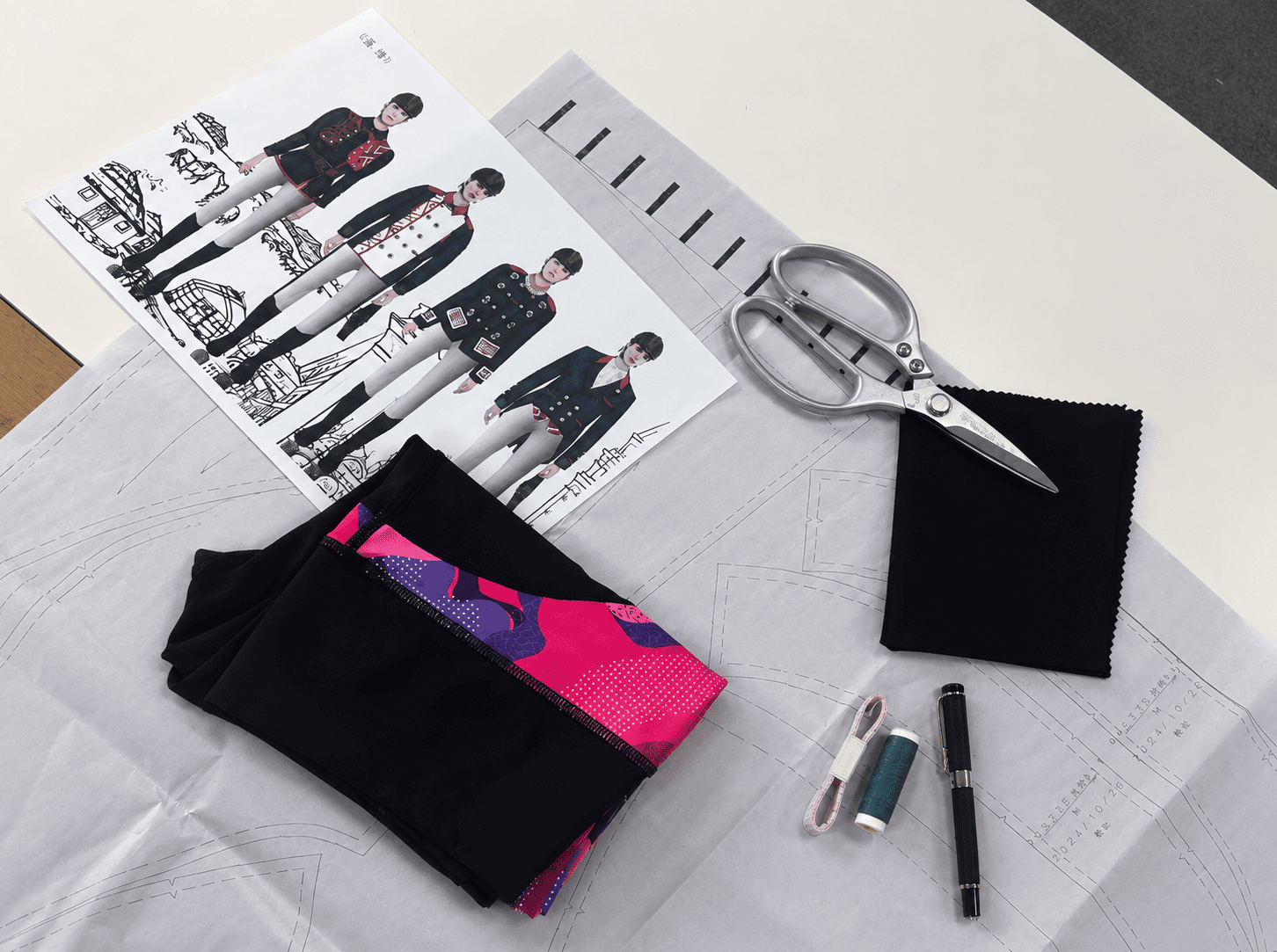
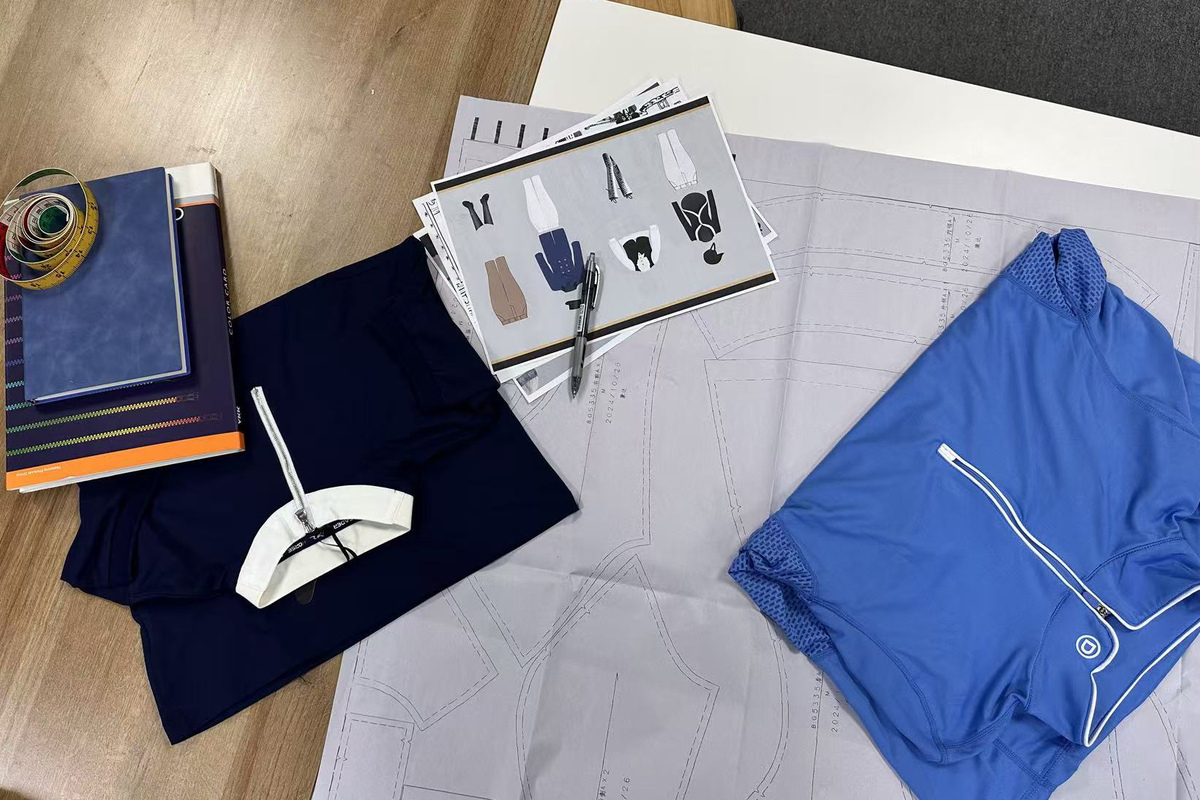
Send original sketches, a Tech Pack, authorised reference images or a physical sample. Identify which details are fixed and which need development. We will assess your product requirements, identify missing specifications and clarify the decisions needed before sample development begins.
Our core product categories include:
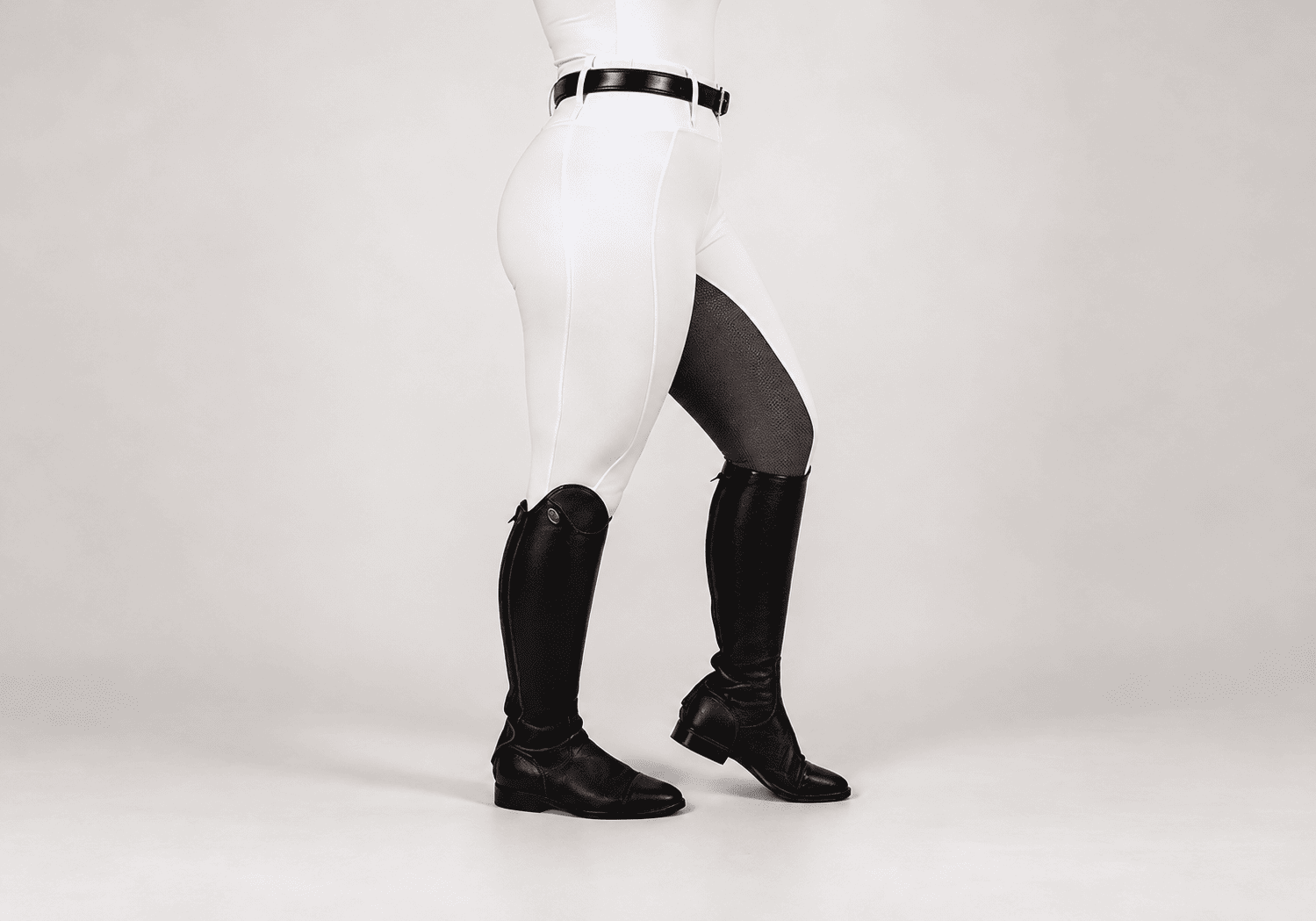
Riding Breeches
Full seat grip, knee grip, competition breeches
Dressage, show jumping, training
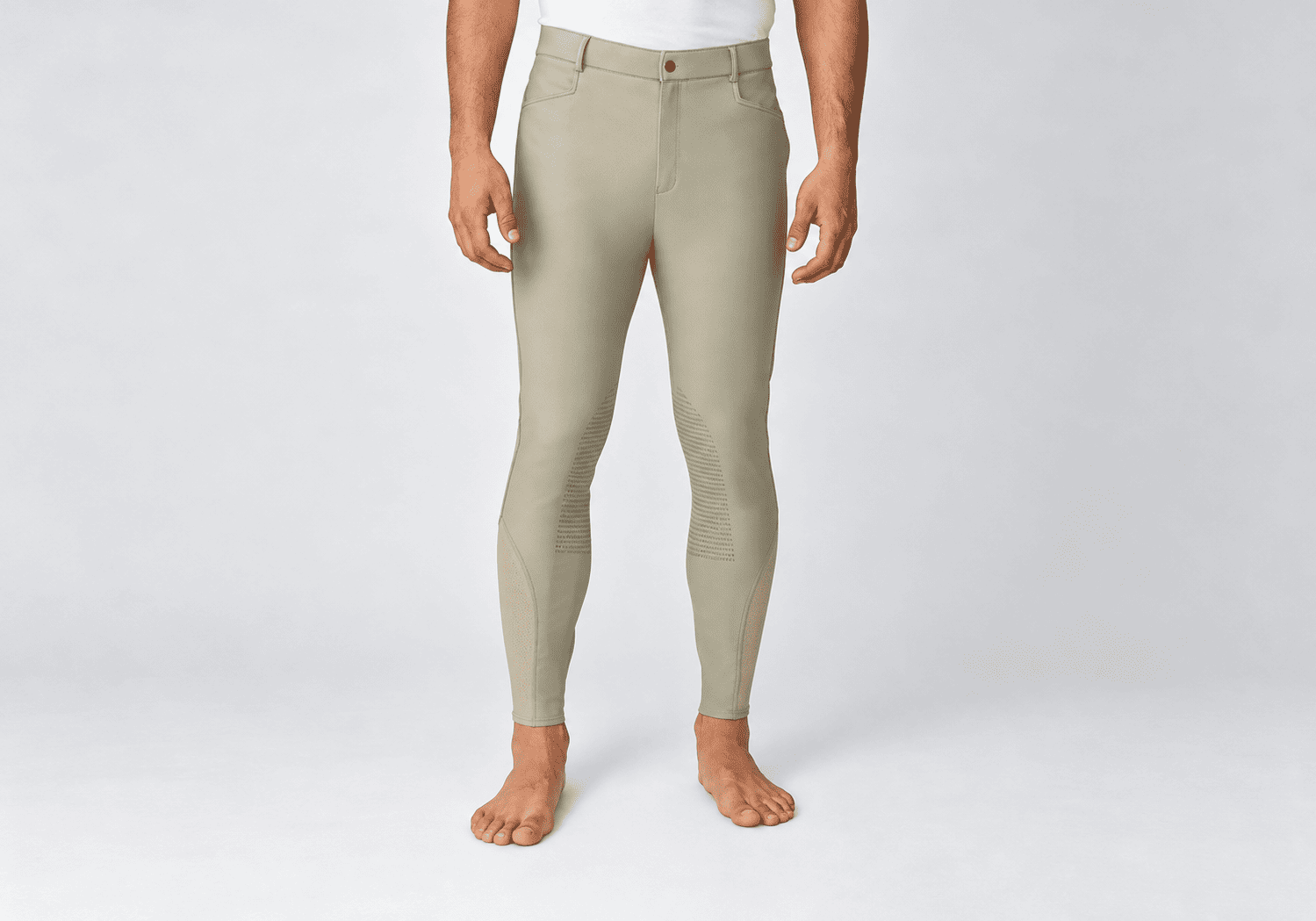
Riding Tights & Leggings
High-waisted, pocket, thermal styles
Daily training, recreational riding
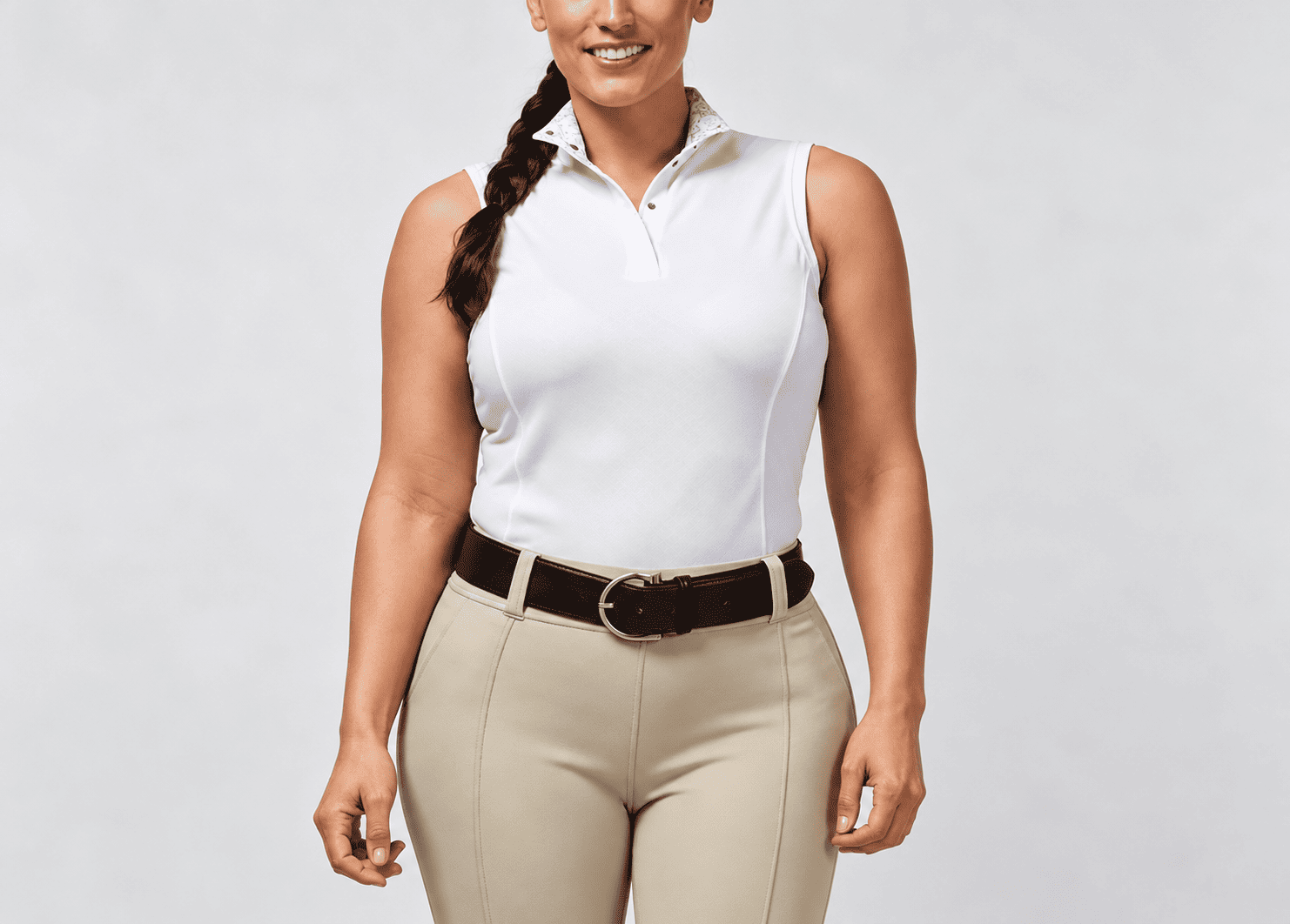
Show Shirts
Long-sleeve, short-sleeve, stand-collar styles
Competition, show collections
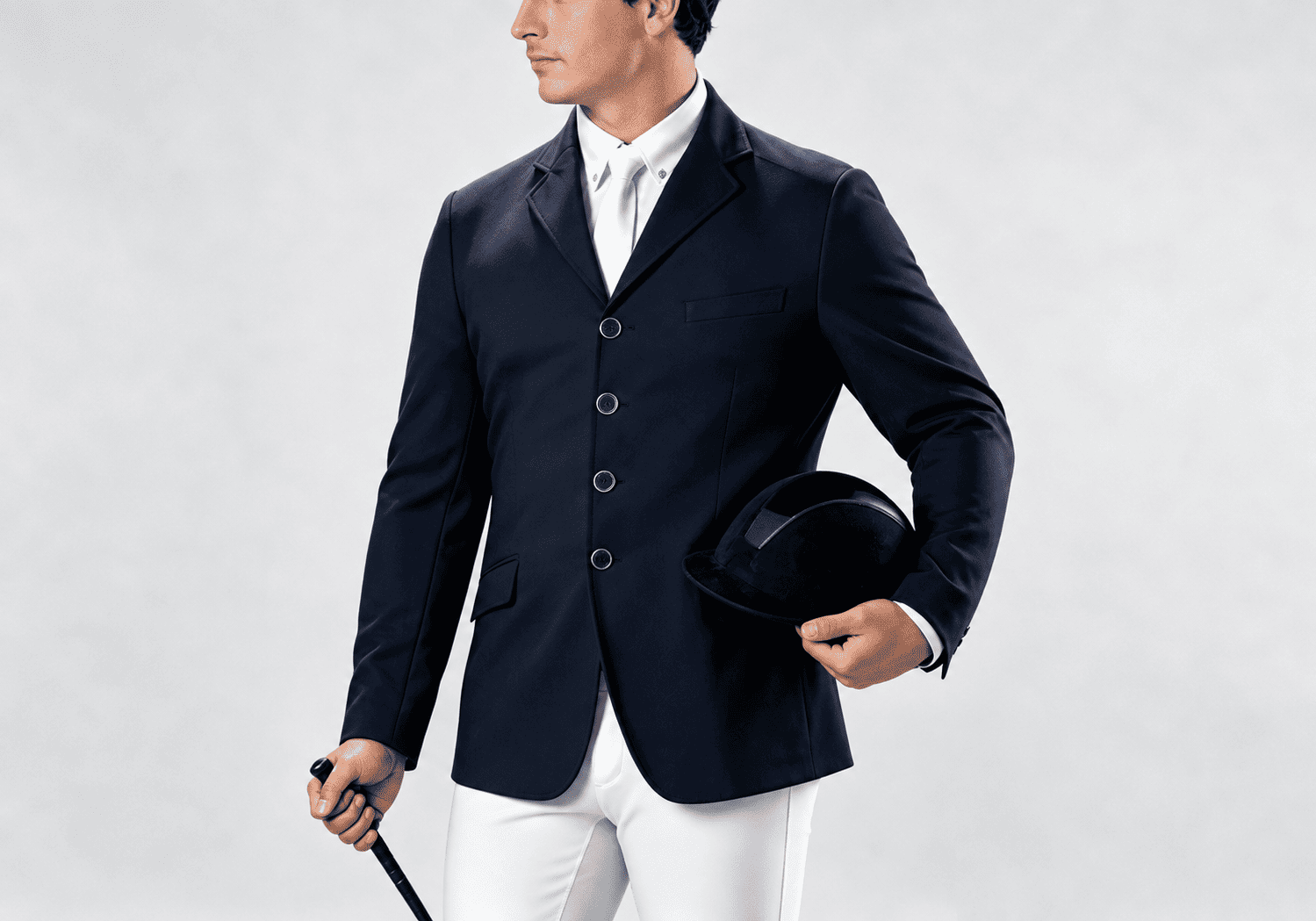
Competition Jackets
Stretch show jackets, dressage coats
Dressage, show jumping

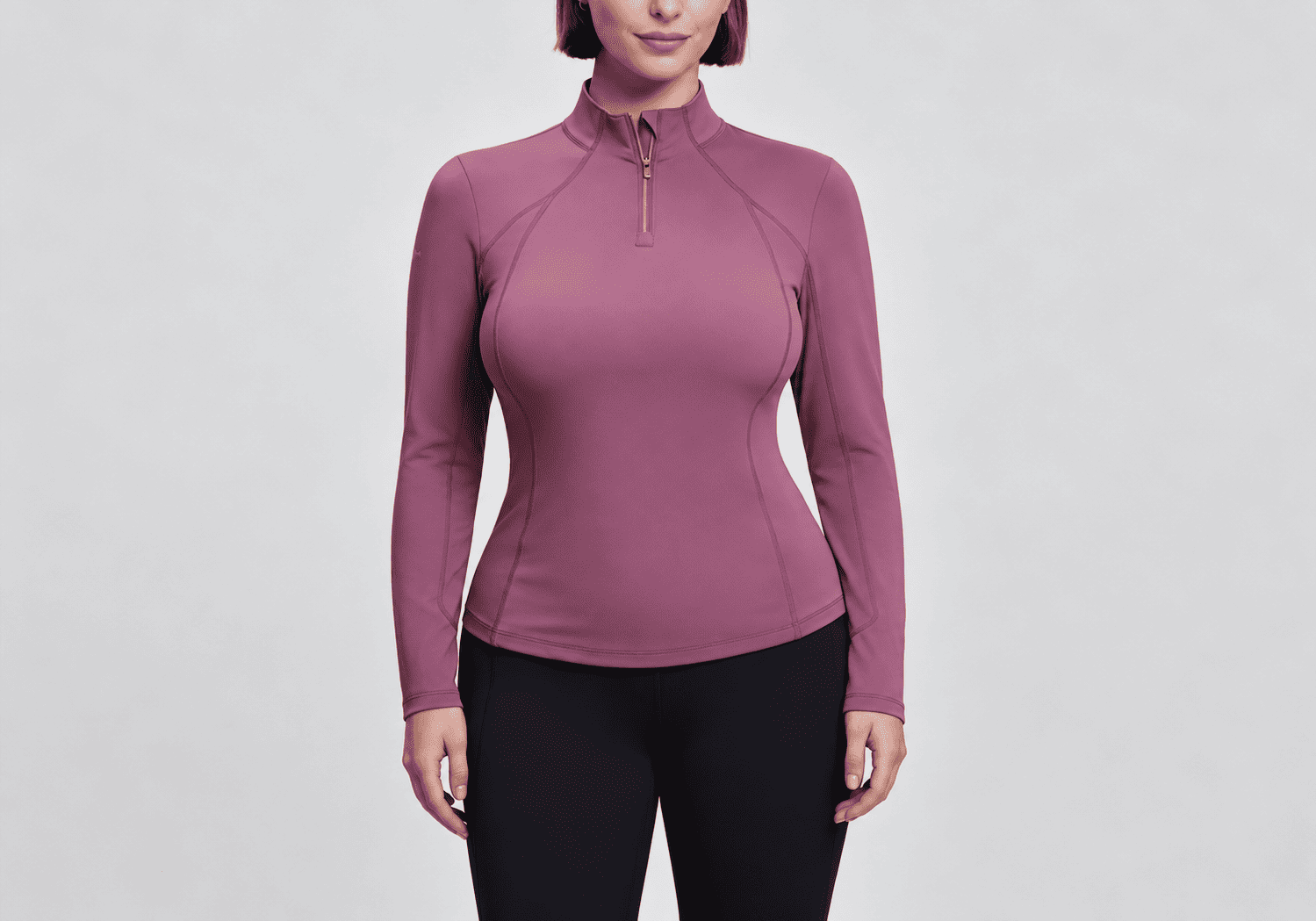
Technical Riding Tops
Base layers, half-zip, UV-protective tops
Training, warm-weather riding
Equestrian Outerwear & Vests
Softshell, wind-resistant, water-repellent styles
Outdoor riding, seasonal collections
Confirm Your MOQ, Sample Timeline & Production Schedule
Quantities and timing should be clear before you invest in development. Fineactive’s standard order terms help you calculate launch quantities, separate sampling from manufacturing time and identify which approvals or material requirements could affect your planned release.
Our standard MOQ is 100 pieces per style per colour. Sizes can be allocated within the approved combination; different styles or colours do not automatically combine to meet the minimum.
| Purchasing detail | Fineactive’s standard terms |
|---|---|
| Minimum order | 100 pieces per style per colour |
| Size breakdown | Agreed within each style and colour |
| Standard sampling | 7–15 working days after essential design, material and technical details are confirmed |
| Standard bulk production | 25–35 working days after PP approval, order confirmation, required deposit and material readiness |
| Cooperation models | OEM, ODM, private label and standalone sample development |
| Special development | Custom fabrics, special trims and complex processes assessed separately |
For example, one high-waisted riding tights style in black and navy requires 100 pieces per colour: 200 pieces overall. Each colour can have a different size ratio while meeting its minimum.
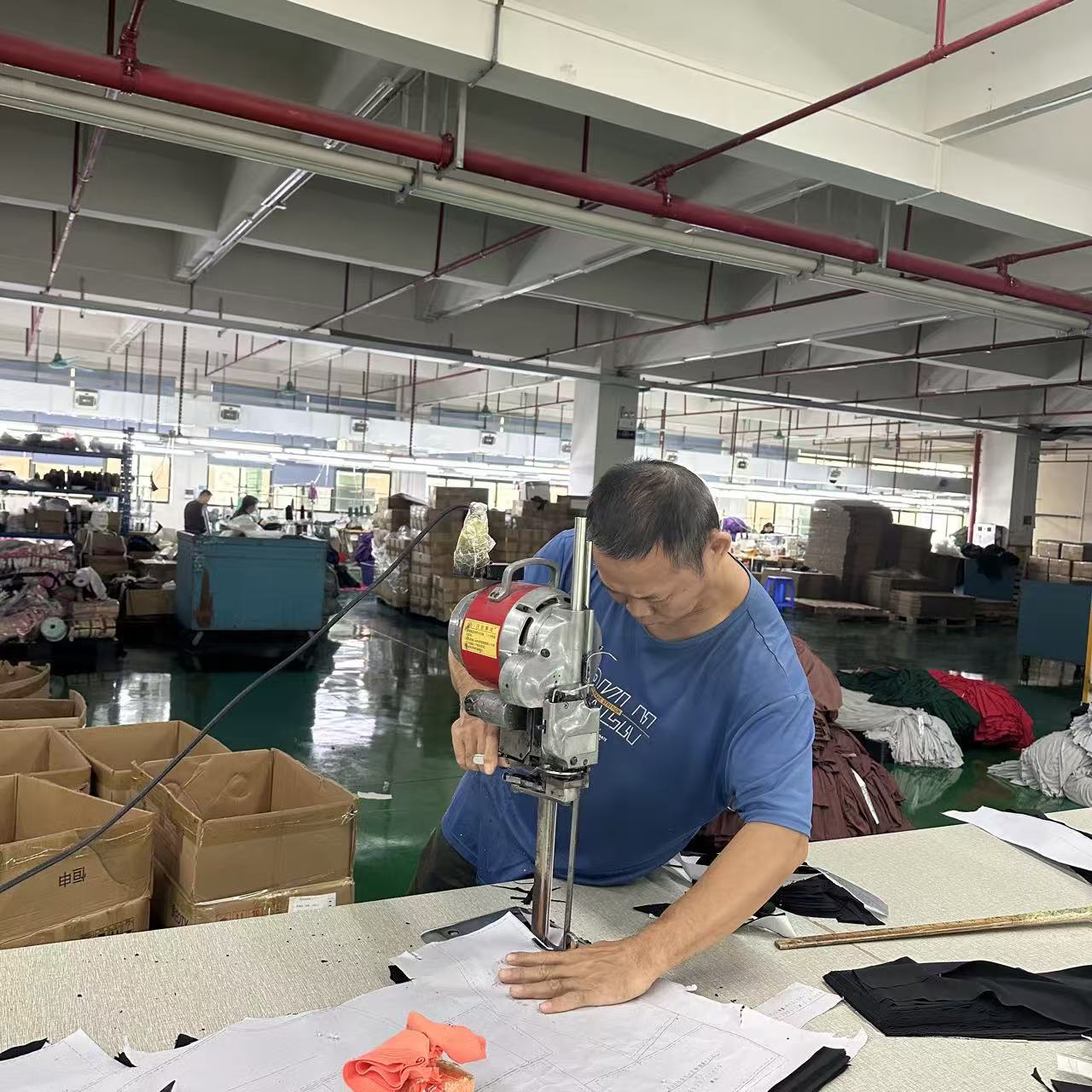
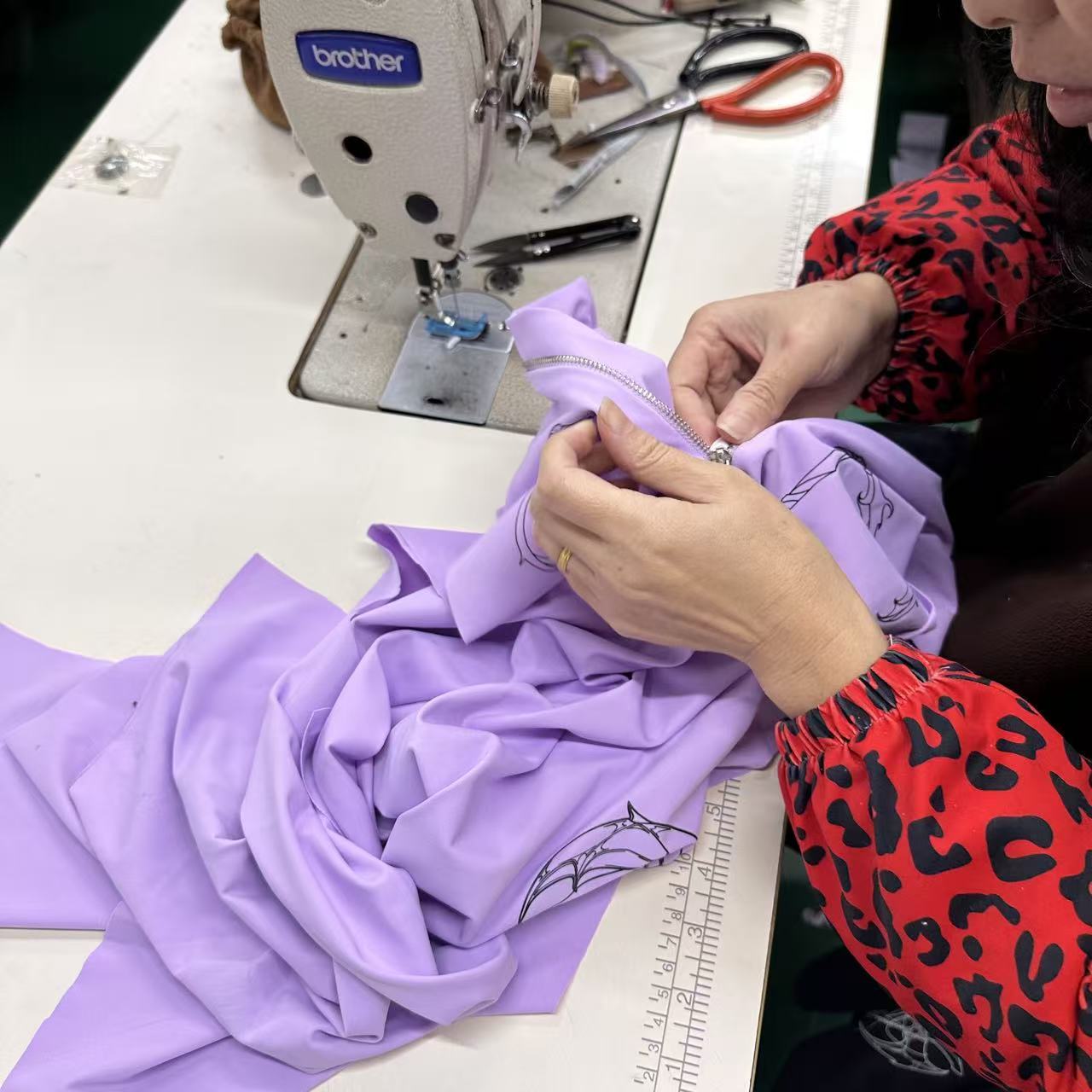
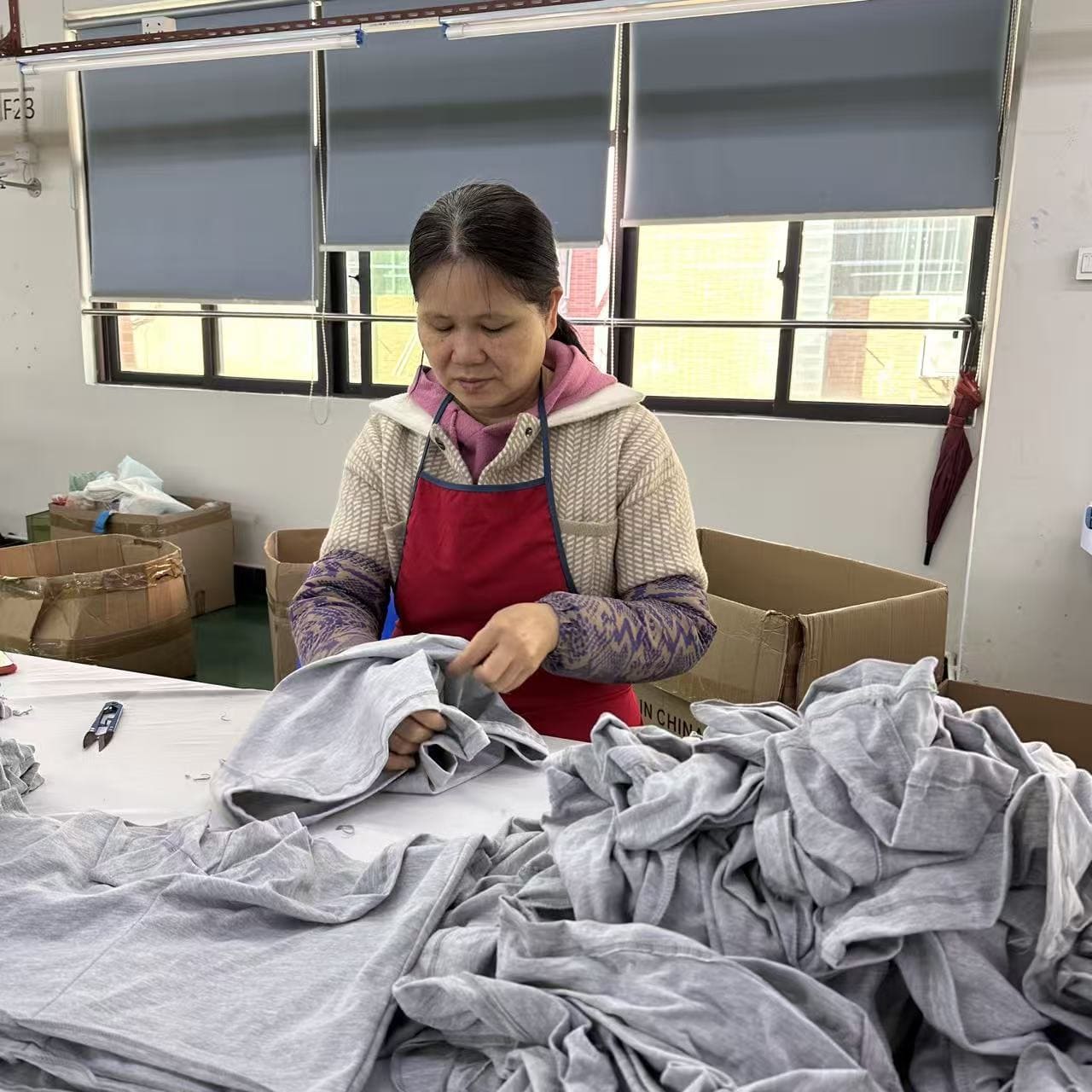
Production resources must be considered alongside scheduling. Our company background and manufacturing capabilities provide further context for your project; company records list seven production lines, including three equestrian lines, with 11 sample-development personnel and 13 quality inspectors. Personnel figures describe overall factory resources, not a team exclusively assigned to riding tights. Your order allocation depends on current commitments.
Sample revisions, custom fabric development, special trims, holidays and delayed approvals can affect timing. Bulk lead time excludes transport and customs clearance.
Send quantities by style, colour and size, plus your required arrival date. We will check material minimums, development work and approval milestones before confirming the order plan.
We offer three manufacturing services to support different product development needs:
OEM Manufacturing
Produce your designs using approved Tech Packs, size specifications, selected fabrics, and construction requirements.
ODM Development
Develop original apparel concepts through pattern making, fabric selection, functional detailing, and sample refinement.
Private Label Manufacturing
Customize approved designs with your brand colors, logos, labels, trims, and retail packaging.
Specify Fabric Coverage, Support & Seasonal Comfort
Riding tights fabric affects coverage, pressure and temperature throughout time in the saddle. Fineactive translates those expectations into selection criteria, helping you compare materials for your intended fit and season before approving a fabric for sample development.
Define wear requirements before selecting the fabric. A lightweight, soft handle does not establish opacity across a stretched seat. Equally, a higher weight does not necessarily provide better recovery or summer comfort.
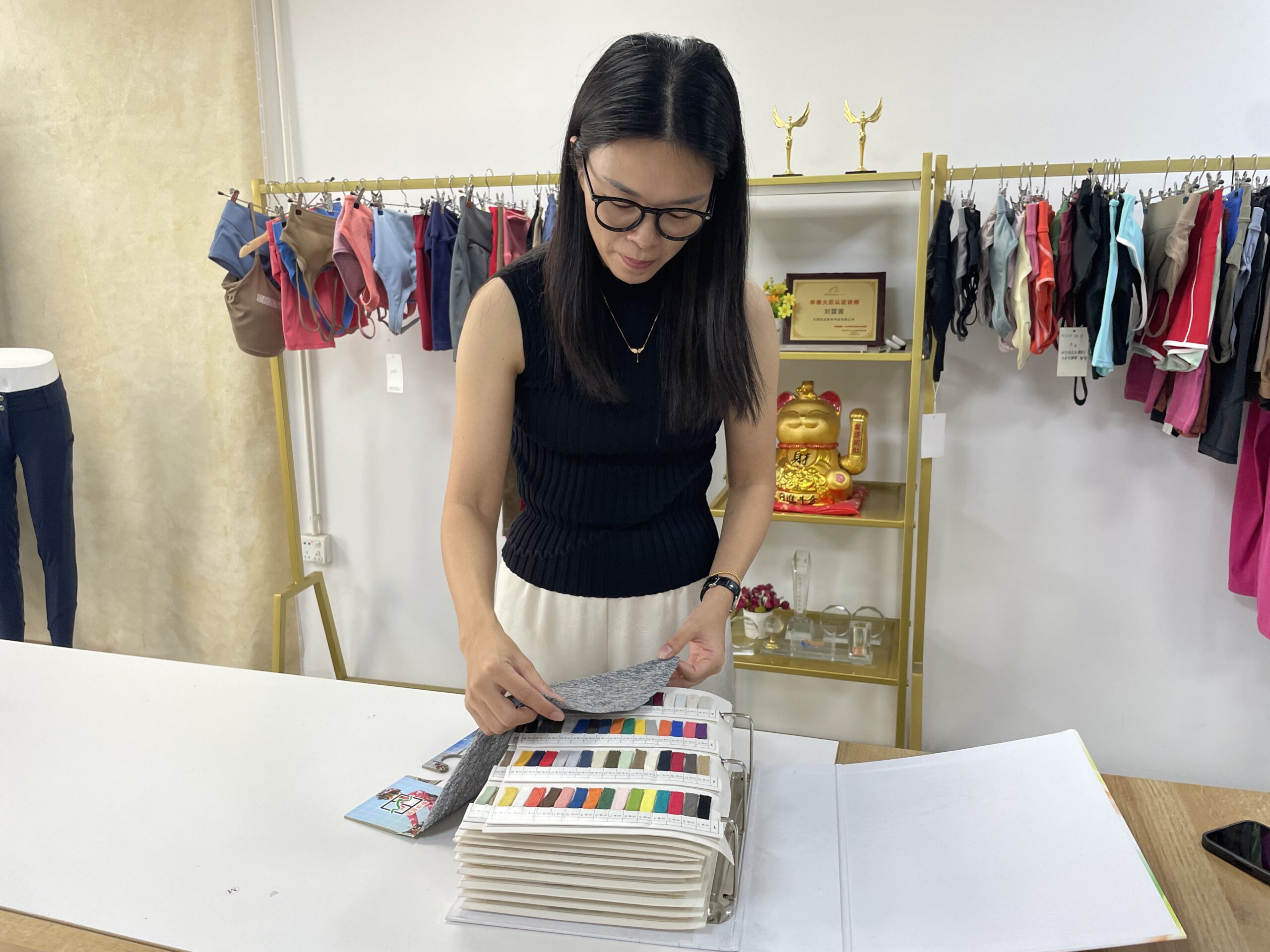
Fineactive can assess nylon–elastane, polyester–elastane, interlock, warp-knit stretch and brushed fabrics. Composition, construction, weight and finishing need to match your product brief; if you request certified recycled materials, review Textile Exchange’s RCS and GRS standards and agree the supporting certification and traceability documents before approval.
| Your priority | What to assess in samples |
|---|---|
| Coverage under stretch | Opacity at the intended fit, particularly in light colours |
| Consistent support | Recovery, local pressure and ease of dressing |
| Summer training comfort | Airflow, moisture handling and feel when damp |
| Winter warmth | Inner finishing, bulk and layering behaviour |
| Appearance through repeated wear | Pilling, colour change and dimensional stability |
Compare materials in the intended garment. A fabric that works in a looser reference sample may behave differently in a closer fit. Dark and pale versions also need separate assessment.
If you want to improve knee bagging, provide wear feedback to help establish whether recovery, pattern shaping or both need attention. For support, describe the desired feel and any measurable requirements.
Send your reference handle, target weight, riding season and care expectations. Before approval, record the fabric reference, colour, agreed criteria and required tests; UV protection or other functional claims need corresponding evidence.
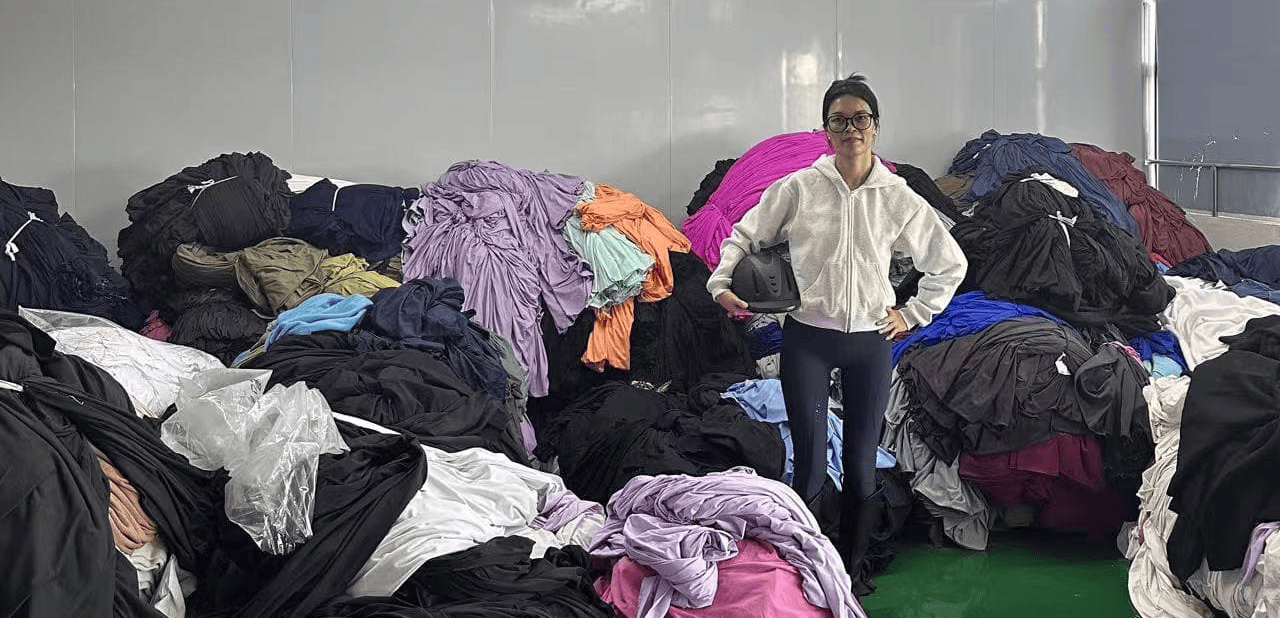
Performance Fabrics
High-performance materials for comfort, durability and reliable performance. Four-way stretch. Moisture-wicking. Anti-pilling. Thermal and water-repellent options
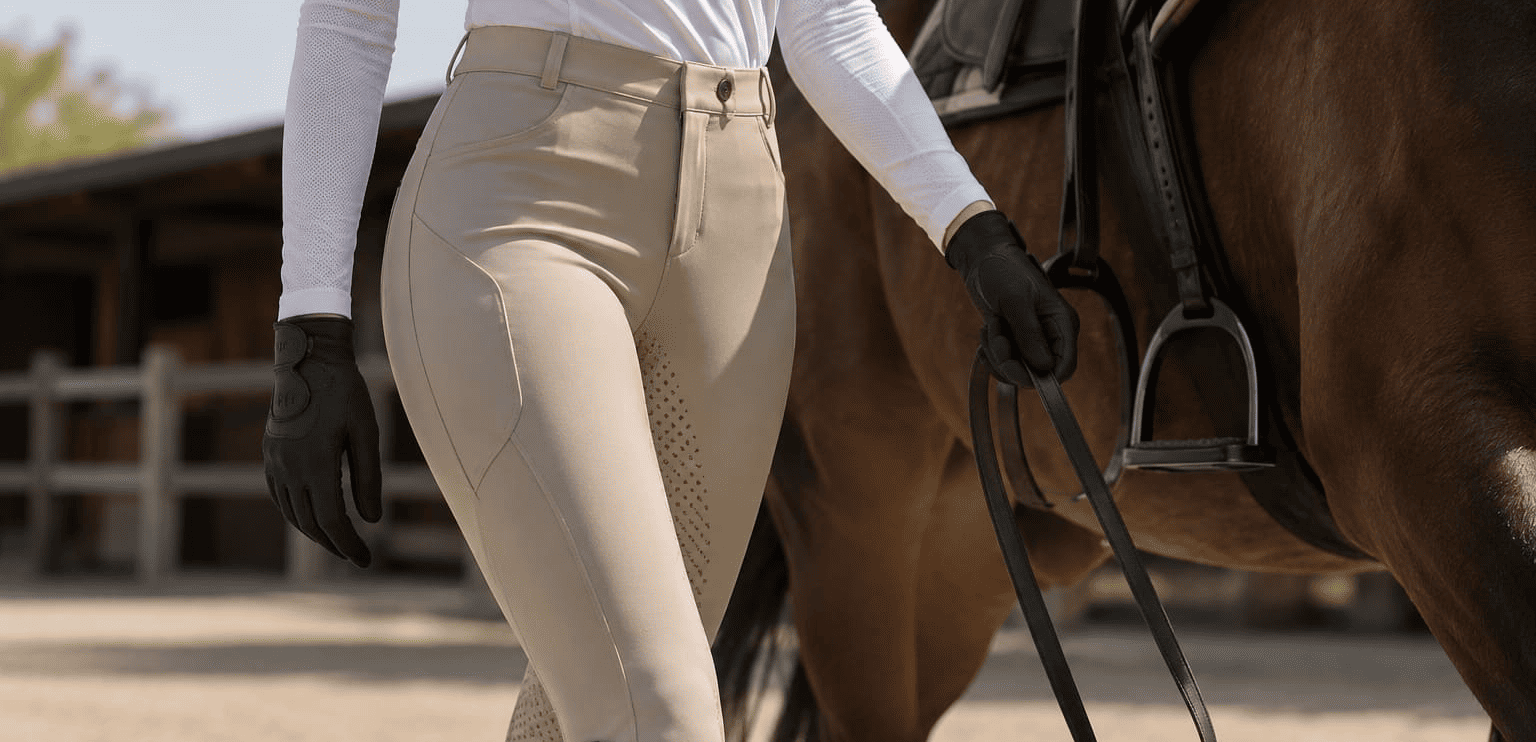
Riding-Specific Fit
Ergonomic designs for freedom of movement and in-saddle comfort. Waist rise (high, mid or low). Crotch depth and knee articulation. Inseam and seam placement. Optimized for riding performance and comfort
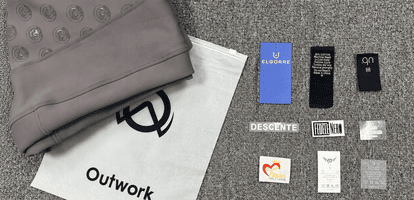
Branding Options
Full customization to create distinctive branded apparel. Embroidery, heat transfers and silicone logos. Custom colors to match your brand. Woven labels, care labels, hangtags and zippers. Packaging solutions.
Tailor the Waistband, Rise & Sizing to Your Riders
Riding tights that fit while standing may still shift in the saddle. Fineactive reviews waistband construction, rise and size proportions together, helping you address slipping, pressure and movement allowance before approving the pattern for your target riders.
Confirm whether your chart uses body or garment measurements. Provide measurement points, a reference size and a well-fitting sample. Body measurements describe the wearer; garment dimensions must also account for fabric stretch and the intended closeness of fit.
Waistband stability depends on several factors. Adding height alone may not resolve rolling. Tightening the waist can increase pressure while leaving front-to-back balance unresolved.
| Fit area | What to check in the sample |
|---|---|
| Waistband | Seated coverage, edge pressure and rolling |
| Front and back rise | Pulling during forward lean and back-waist coverage |
| Seat and thighs | Movement allowance, folds and local tightness |
| Knees | Comfort when bent and recovery when straightened |
| Lower legs and cuffs | Close fit and bulk inside boots |
Review samples through a consistent movement sequence. Standing, sitting, bending the knees and leaning forward help identify when the waistband or crotch shifts. Record the specific location rather than request a tighter garment overall.
Validate the size range progressively. Agree selected size-set samples to check whether proportions remain suitable, particularly for youth and plus-size collections. One successful reference size does not approve every size.
Keep fitting comments, measurement corrections and fabric details in one revision record. Material changes can alter extension and pressure, so recheck the relevant fit areas when the fabric changes.
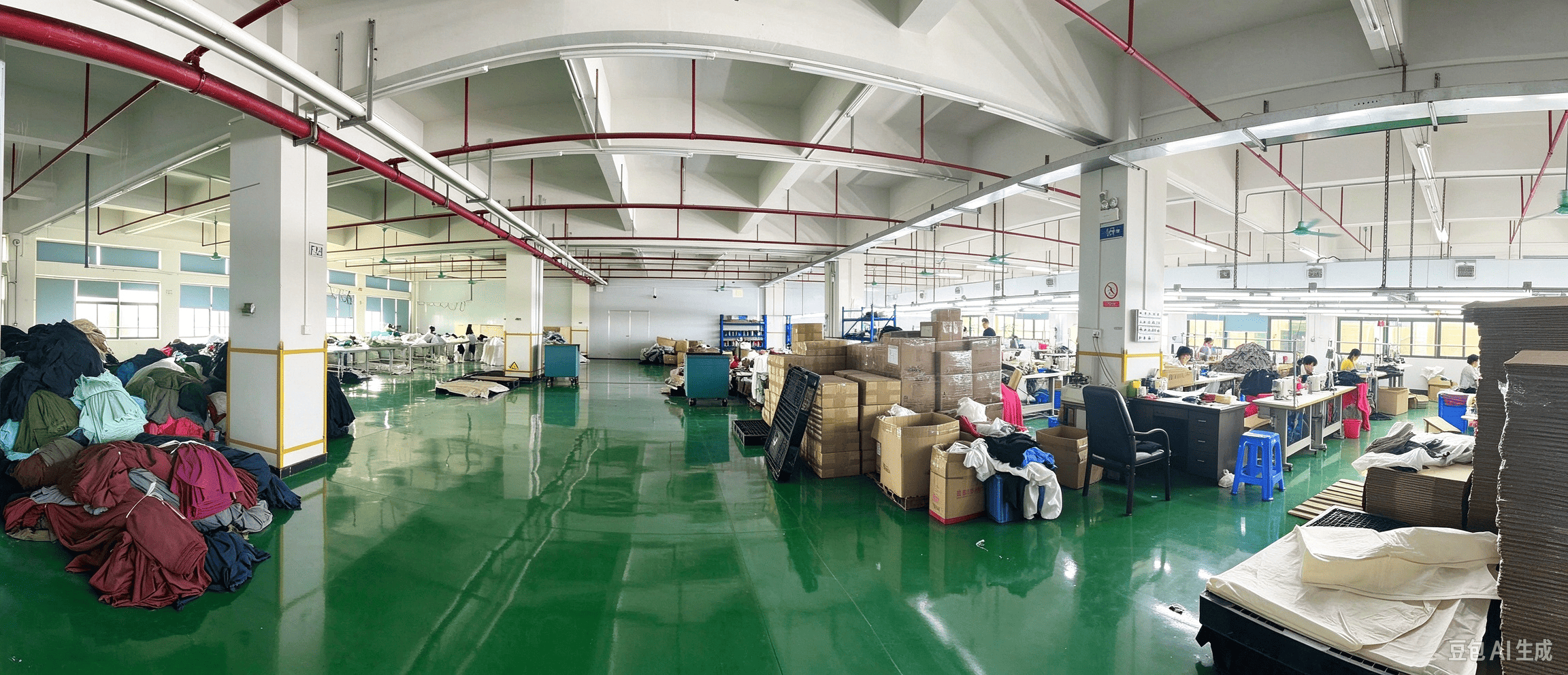
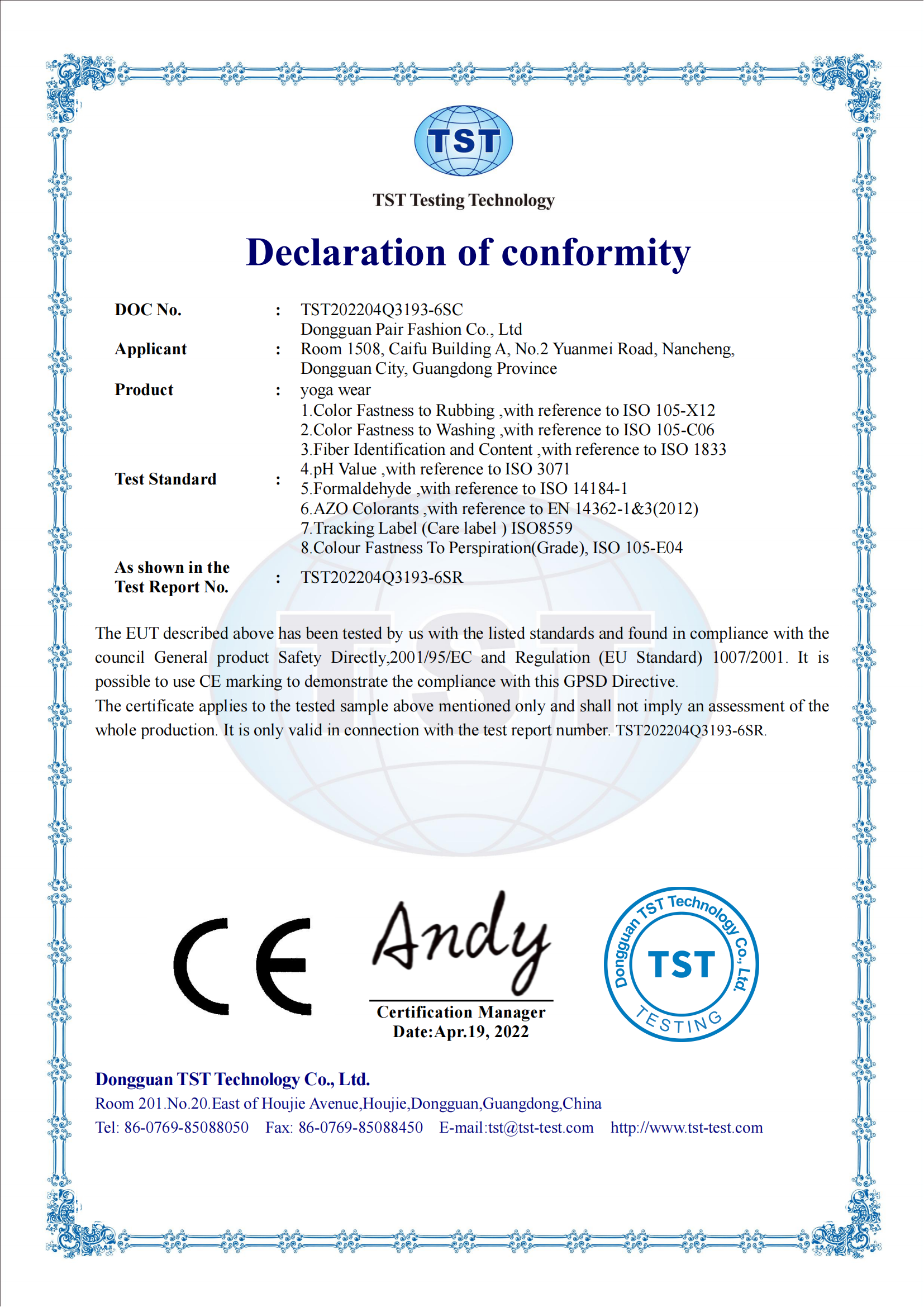

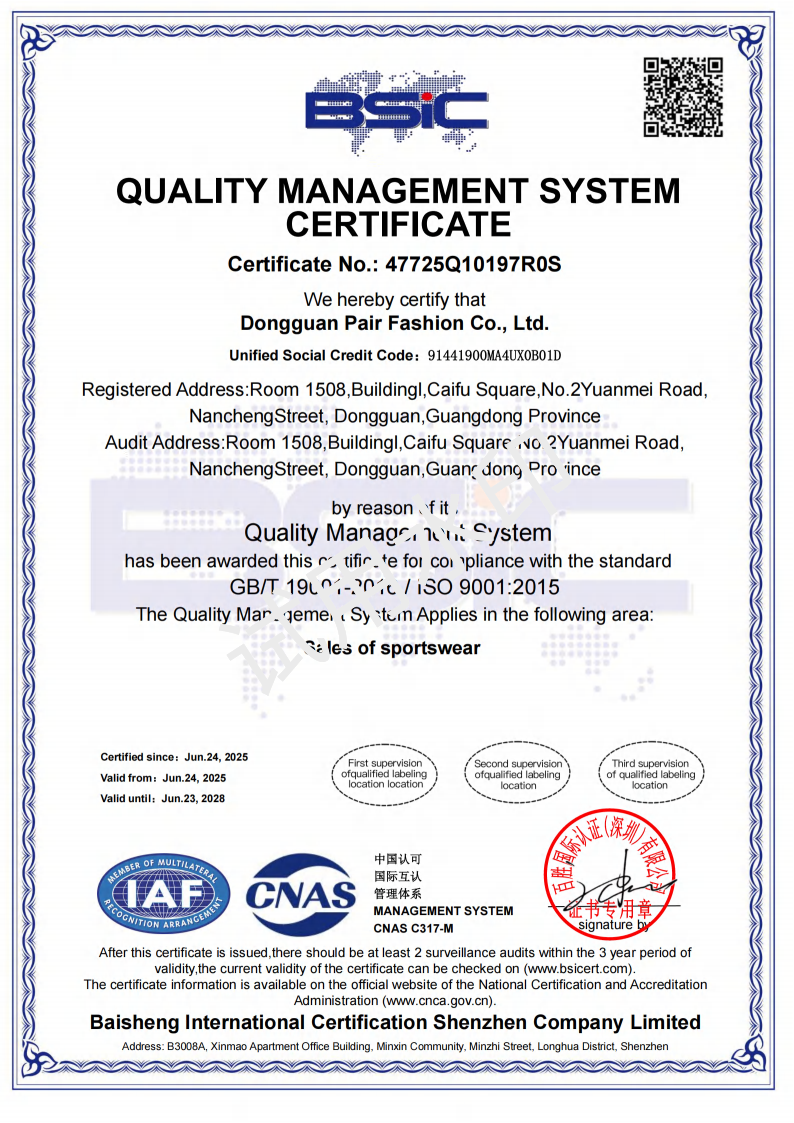
Production Lines: 7 lines, including 3 dedicated equestrian apparel lines
Sample Development Team: 11 personnel
Quality Control Team: 13 inspectors
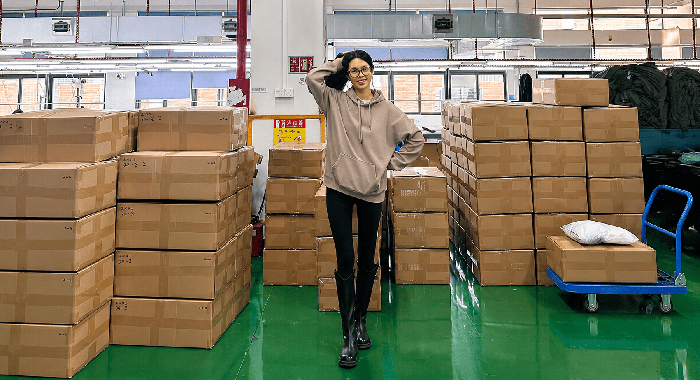
Overall Monthly Capacity: Approximately 50,000 garments across factory operations
Minimum Order Quantity: 100 pieces per style per color
Sampling Lead Time: 7–15 working days
Bulk Production Lead Time: 25–35 working days
Manufacturing Services: OEM, ODM, and Private Label
Order Support: Sampling, bulk orders, seasonal collections, and repeat production
Customise Full-Seat or Knee Grip, Phone Pockets & Cuffs
Grip layout, pocket placement and cuff construction affect rider contact and everyday use. Fineactive assesses these details against your chosen fabric and riding positions, helping you decide which configuration belongs in the sample before you approve the finished style.
Choose full-seat or knee grip around the intended riding feel. More coverage is not automatically better. Pattern spacing, silicone thickness and flexibility should suit the fabric and rider preference.
Full-seat layouts need checking across seated contact areas; knee grip should be positioned with the knee bent. Your artwork can be incorporated into either option, but fine elements and dense coverage require assessment for stretched definition and feel.
| Custom detail | Confirm before approval |
|---|---|
| Full-seat grip | Seated coverage, pattern edges and flexibility |
| Knee grip | Bent-knee position, symmetry and local pressure |
| Phone pockets | Device dimensions, depth and riding access |
| Pocket openings | Retention, stretch and reinforcement |
| Cuffs | Opening, seam thickness and bulk inside boots |
Test pockets with real contents and riding movements. Review the intended phone inside the sample rather than measure an empty pocket. Sitting and leaning forward can reveal whether contents shift towards contact areas or pull the opening.
Cuffs should fit closely while allowing dressing. Doubled fabric, heavy seams or decoration may add boot bulk, so define the preferred finish.
Send grip artwork, phone dimensions and cuff references. We will review application feasibility and identify required trials or garment checks. Silicone adhesion and wash requirements should be agreed before approval.
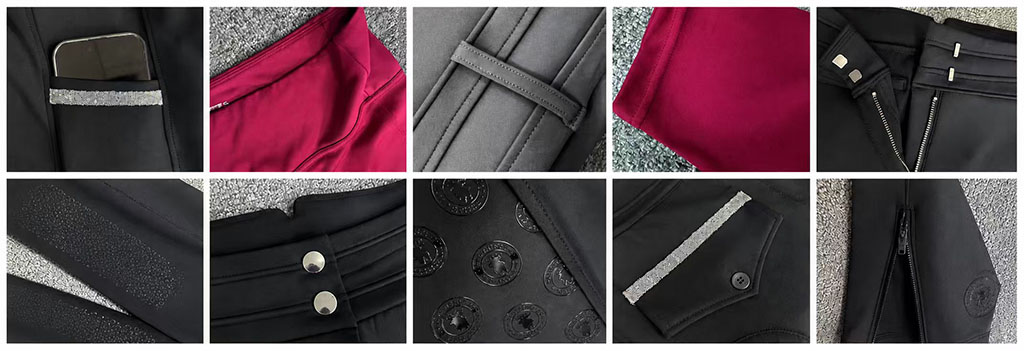
Complete Your Tights with Private Label Branding & Packaging
Your riding tights should carry your brand identity and arrive with the information your sales channel needs. Fineactive coordinates logos, labels and packaging during development, helping you confirm appearance, wear comfort and retail presentation before production begins.
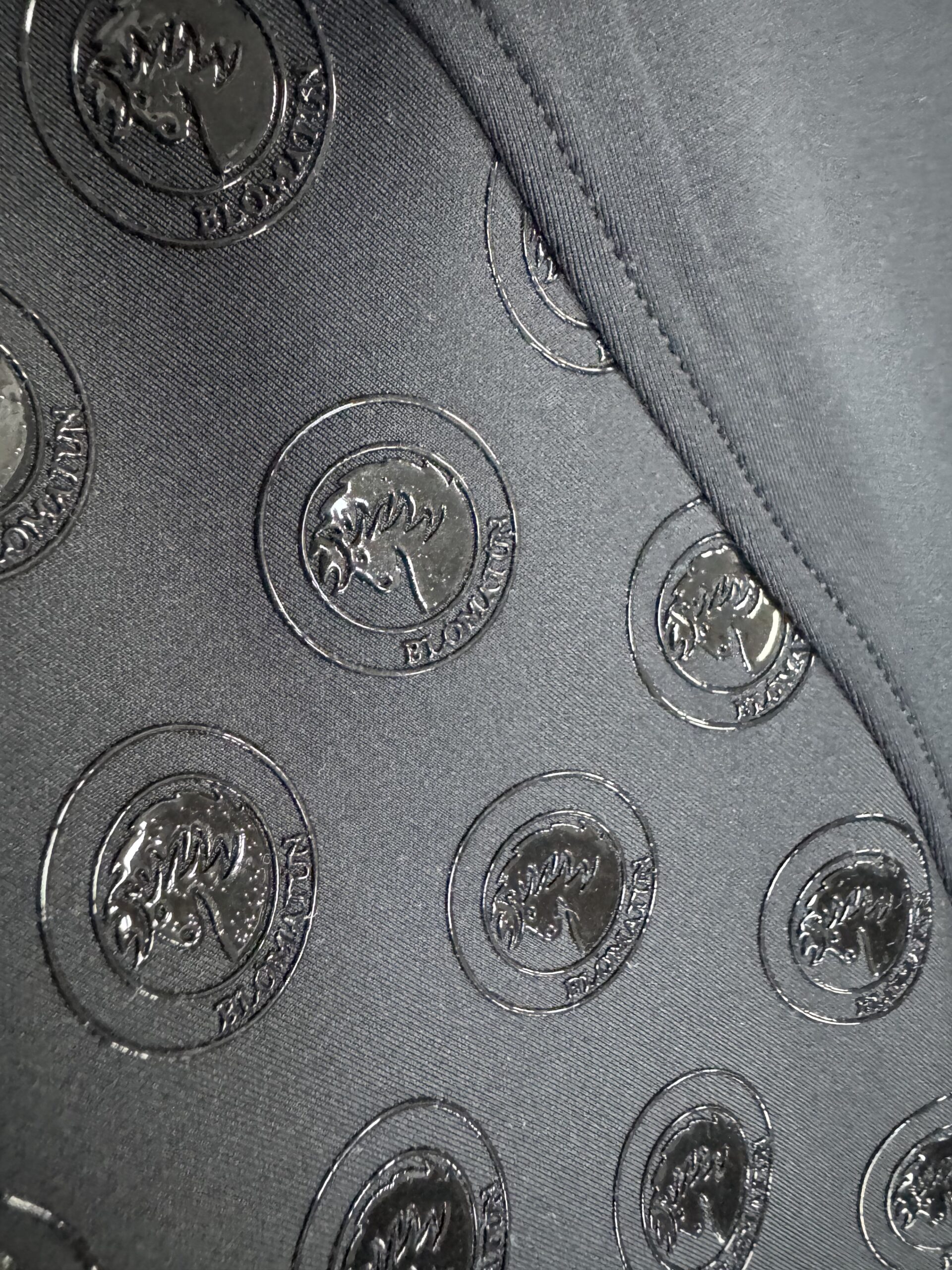
Choose branding methods around the application location. A small back-waist logo and a leg graphic experience different stretching and contact. We assess heat transfers, silicone branding or embroidery against the fabric, artwork dimensions and care requirements.
Approve applications on the actual material. Large graphics can change the handle, dense embroidery can stiffen stretch areas, and oversized internal labels may rub. Artwork reviews establish layout; application samples allow checks on adhesion, flexibility and finish.
| Brand element | Approval details |
|---|---|
| Garment logos | Artwork, dimensions, colour, placement and stretched appearance |
| Woven and care labels | Edge feel, attachment and final wording |
| Hangtags and size stickers | Product name, size and brand presentation |
| Barcode labels | Buyer-approved data and style–colour–size mapping |
| Individual packaging | Bag dimensions, folding and required identification |
Packing information must match the final product. Composition and care wording should reflect approved materials; product codes, sizes and barcodes should match the order breakdown. Provide written instructions before printing if your warehouse requires a particular format.
Special zipper pulls, labels or packaging materials may have their own minimum order quantities and additional charges. Please send the brand files you are authorised to use in advance, so we can review these requirements together.
Before production, approve garment applications and packaging artwork together, including any outstanding details. This reduces relabelling, repacking or material changes caused by unconfirmed updates.
Approve Your Fit, Grip & Pre-Production Sample
Sample approval should confirm how your tights fit, respond to washing and meet construction requirements. Through our OEM and ODM equestrian manufacturing services, Fineactive plans sample reviews around your development brief, helping you resolve open decisions and establish an agreed product reference before authorising bulk production.
Define what each sample needs to resolve. A prototype may check proportions and panels, a fit sample addresses riding movement, and a PP sample should reflect agreed production requirements. Not every project needs the same number of rounds.
- Review the prototype: check design interpretation, construction and reference size.
- Complete riding-position fitting: record waistband movement, crotch tension, knee comfort and pocket access.
- Check care-related changes: assess dimensions, appearance, seams and grip using the agreed procedure.
- Verify selected sizes: review size-set samples where needed to confirm balanced grading.
- Approve pre-production: match the garment against final fabric, measurements, grip artwork and branding.
Provide specific corrections rather than general impressions. Instead of “the waistband feels uncomfortable,” explain where pressure occurs, during which movement and whether it affects the whole waist.
Your quotation should clearly state what is included and what requires an additional charge. Where applicable, this should cover sampling, revisions, testing, special trims, packaging and transport. If you request changes during development, we need to review how they affect the cost and timing.
If a prototype uses substitute materials, record its purpose and limitations. Do not approve untested performance from that sample; recheck affected details when production fabric is introduced.
Before bulk release, align the PP sample and technical documents, recording accepted exceptions in writing. Photographs support remote discussion but cannot alone establish fitting comfort or wash performance.
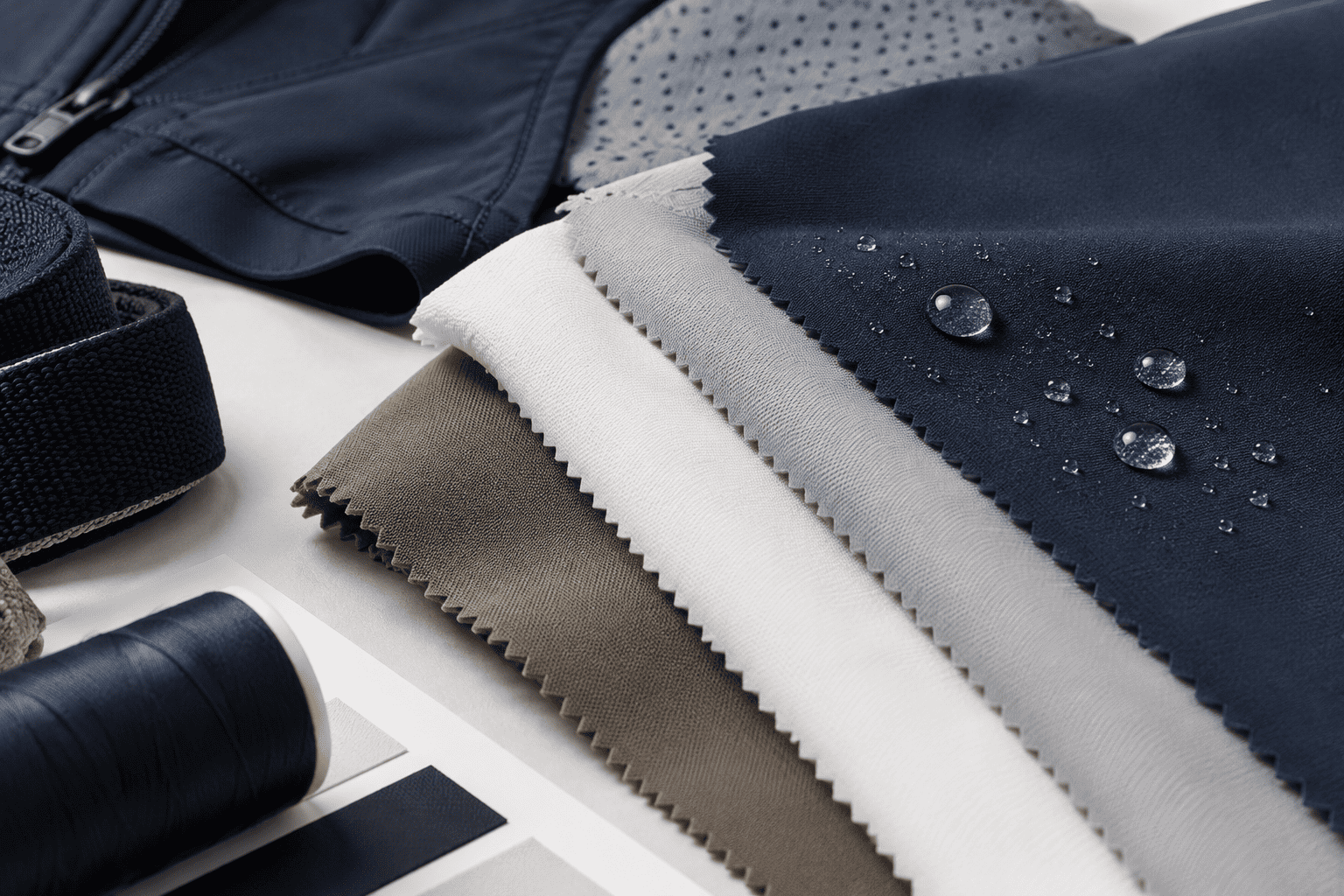
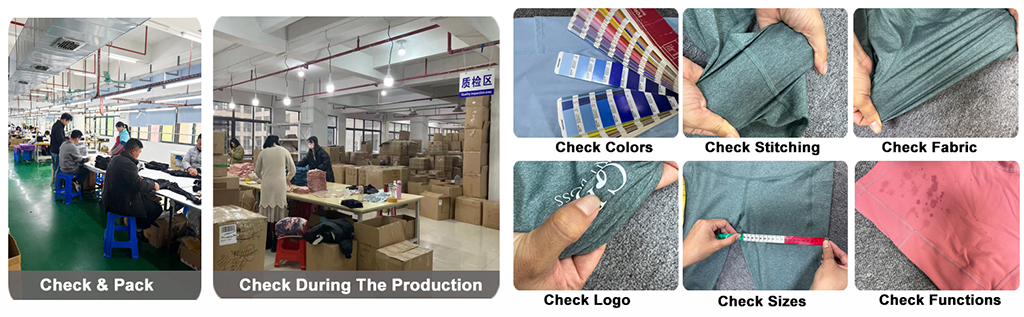
Raw material inspection based on approved quality standards
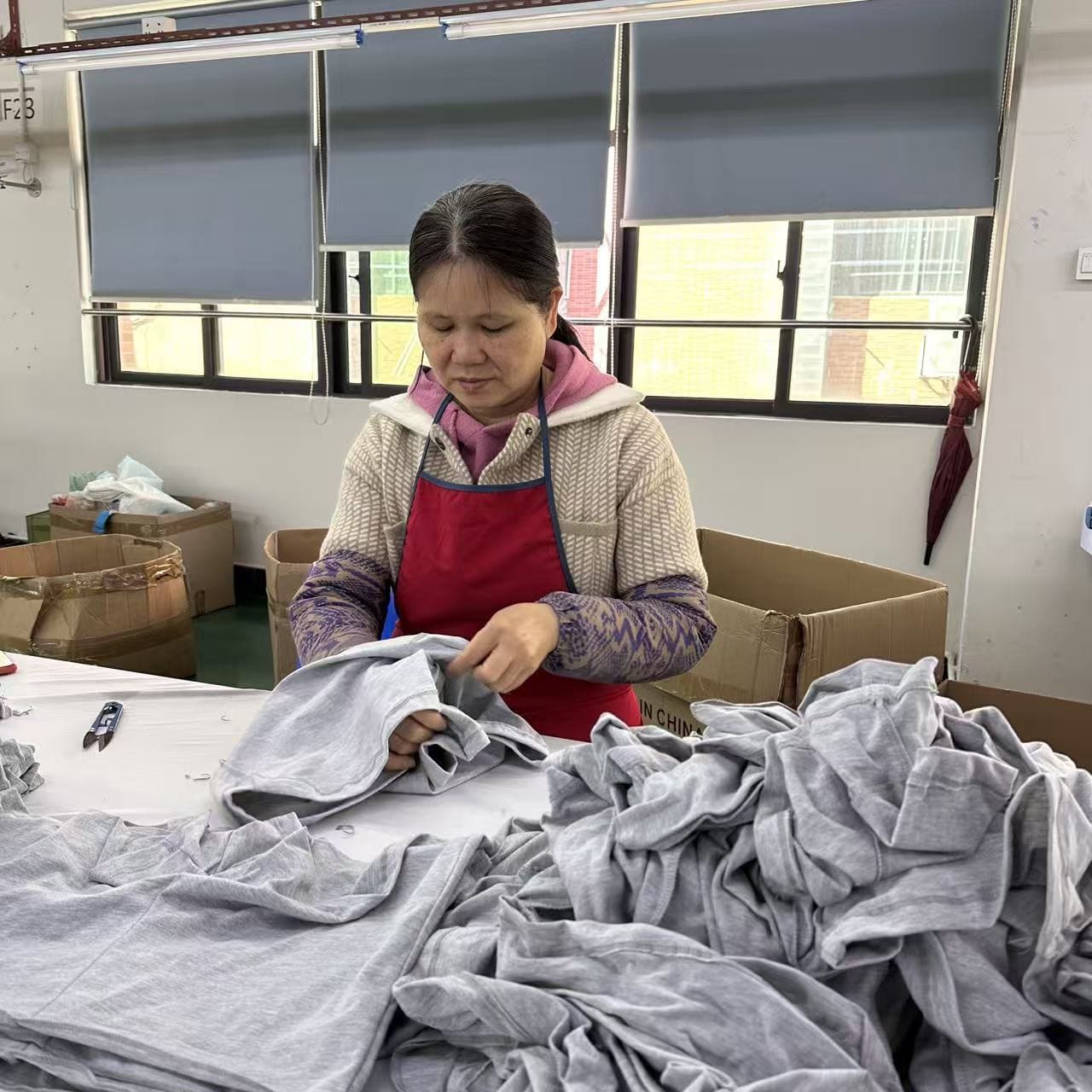
Inline sample checks during cutting, sewing, and assembly
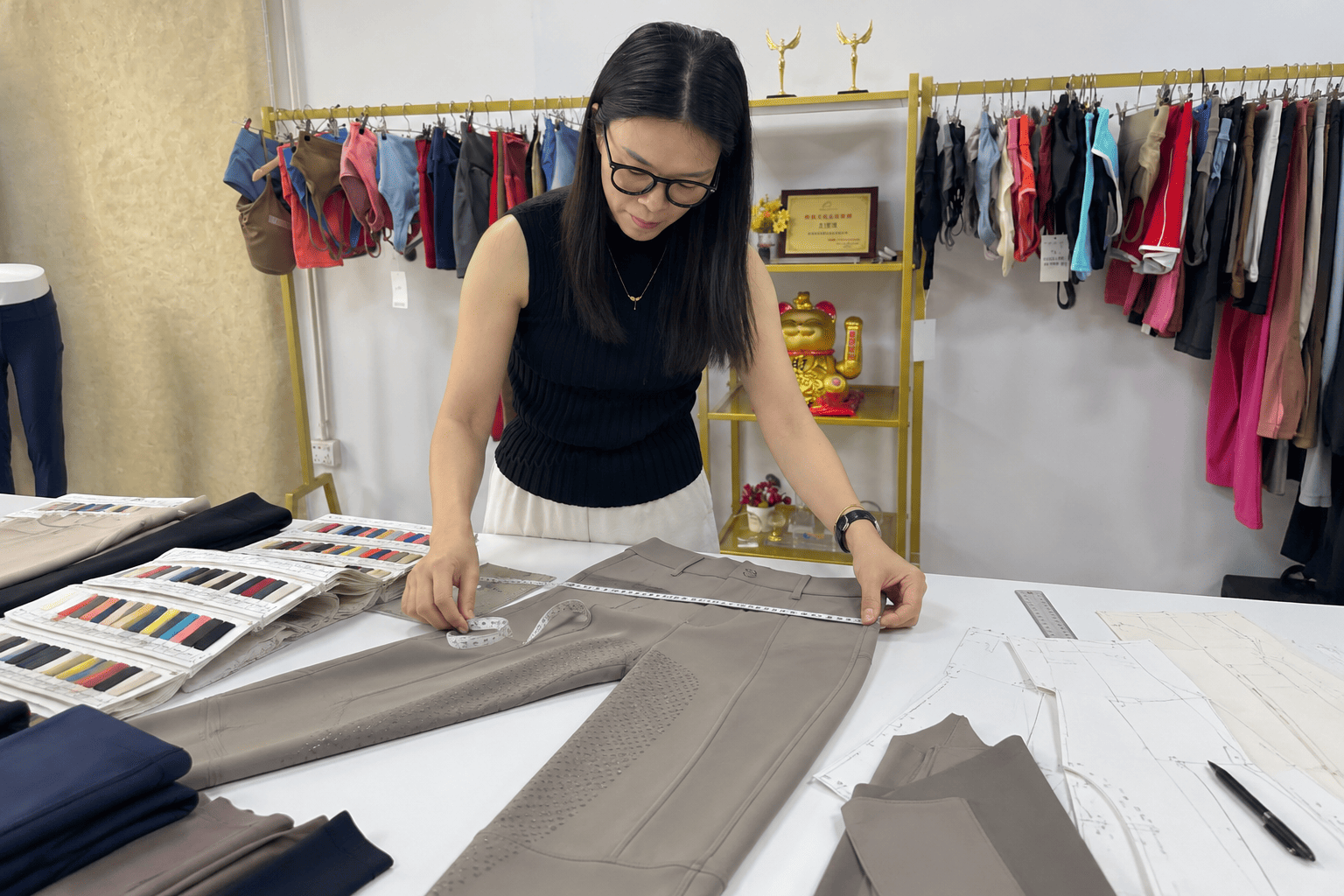
Measurements, appearance, stitching, seams, product performance
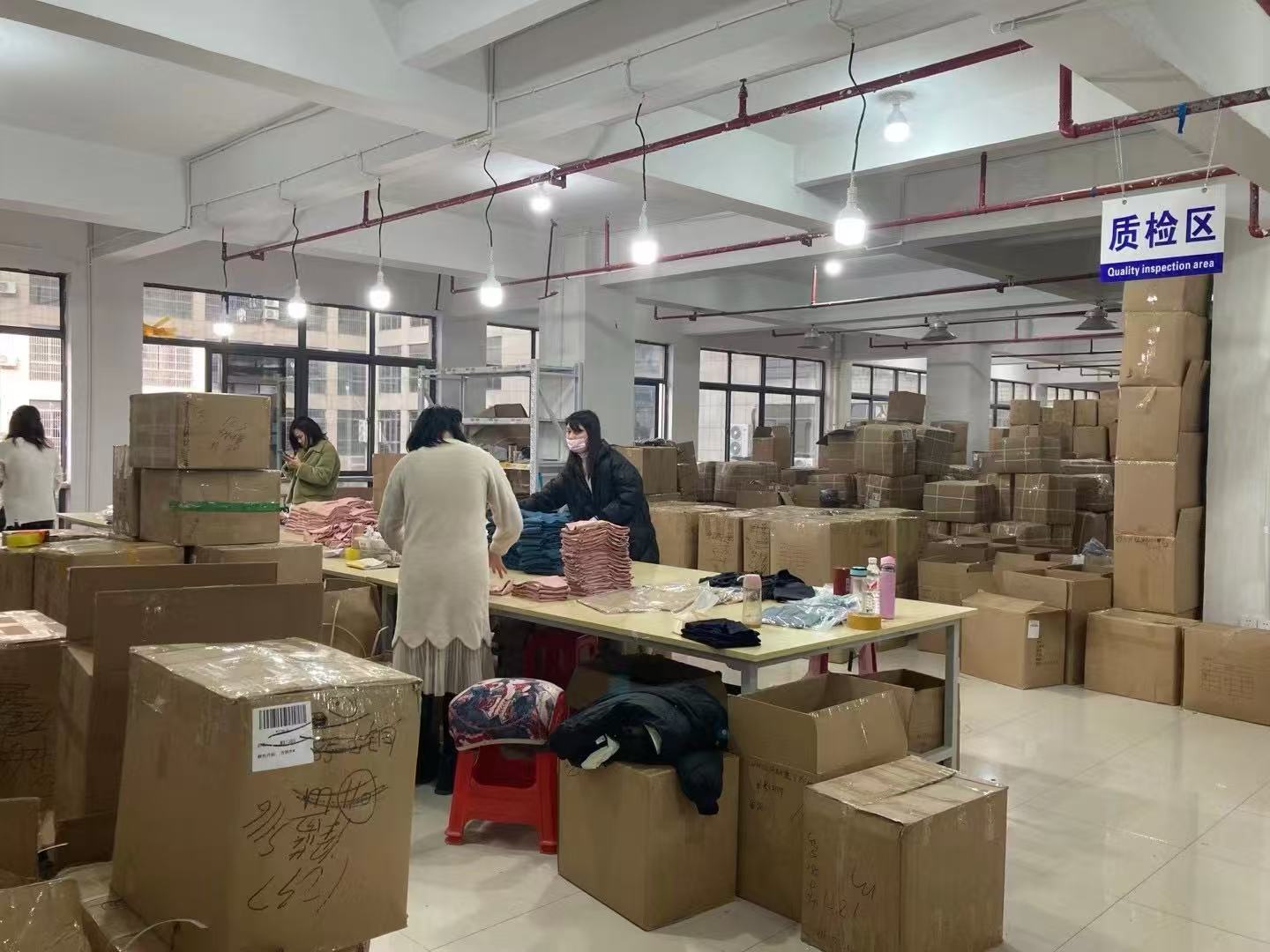
Approved AQL sampling, carton size, label, packaging
Loaded products against approved order
Ensure materials meet specifications
Identify and correct issues early
Verify finished garments meet requirements
Confirm shipment readiness
Ensure products are shipped according to schedule
Keep Bulk Orders & Reorders Aligned with Approved Specifications
Once your sample is approved, the next priority is carrying those requirements into the order. Fineactive applies confirmed specifications to production and shipment checks, then uses project records to review repeat orders before material or process changes are accepted.
Align acceptance references before production starts. The PP sample, fabric reference, colour standard, measurement tolerances, grip artwork and packing instructions should use consistent versions. Agree defect classifications, sampling arrangements and required tests in advance.
| Checkpoint | Riding tights priorities |
|---|---|
| Incoming materials | Fabric batch, shade, weight, stretch and trims |
| First-piece approval | Grip placement, branding and seam construction |
| In-process inspection | Crotch seams, waistband joins, pocket reinforcement and symmetry |
| Finished garments | Measurements, seam performance, appearance and functional details |
| Outgoing inspection | Sampling results, correction status, quantities, barcodes and packing |
Stretch seams should accommodate intended movement, with checks for thread breakage or seam opening under agreed extension conditions. Silicone adhesion and wash behaviour require relevant verification rather than appearance approval alone.
Sampling inspection and performance testing serve different purposes. Final inspection checks garments against the agreed plan; laboratory testing assesses specified properties. Establish which reports are required and which materials or colours they represent; if your purchasing specification requires OEKO-TEX STANDARD 100 certification, verify that a valid certificate covers the relevant article rather than assume certification from a fabric description.
Deviations should lead to identification, isolation, correction and reinspection of affected goods. Confirm timing and shipment-release authority if third-party inspection is required.
For reorders, provide the style code, specification version and revised quantities. Fineactive checks original material and trim availability; substitutions affecting appearance, fit or function need your approval. Reusing a pattern does not establish that materials remain unchanged.
Send Your Design & Quantities for Samples and Pricing
Share enough project information for your quotation to reflect the product you intend to buy. Fineactive reviews your design, quantities and delivery requirements, clarifies open decisions and helps you choose between sampling, refining the brief or confirming production conditions.
Start with the information you have. A complete Tech Pack supports precise assessment, but original sketches, authorised reference images or a physical garment can also support an initial discussion. Identify details to retain and areas where you need development support.
| What to send | What it establishes |
|---|---|
| Design or product references | Style, construction and development scope |
| Quantities by style and colour | Order structure and pricing basis |
| Fabric and grip requirements | Material options and application needs |
| Sizes and fit references | Pattern, grading and sample scope |
| Branding and packaging requirements | Custom elements and special materials |
| Destination and arrival date | Delivery basis and timing feasibility |
If you have a target price, specify the currency, delivery location and preferred trade term, using the ICC Incoterms rules where agreed to clarify delivery responsibilities, costs and the transfer of risk. Where fabric or grip remains undecided, list open questions rather than fill gaps with assumptions.
Your quotation should identify inclusions and separate charges. Where applicable, clarify sampling, revisions, testing, special trims, packaging and transport. Changes requested during development require review of their cost and timing implications.
We will identify missing information and the approvals needed for the next stage. Depending on your project, this may mean comparing fabrics, arranging samples or assessing bulk production once specifications are sufficiently defined.
Send Fineactive your riding tights project details, including design references, quantities by style and colour, and your required arrival date. Tell us whether your priority is sampling, costing or a feasibility review so we can assess the next step.
Questions About Ordering Custom Equestrian Tights
Find answers to common questions about our OEM and ODM equestrian apparel manufacturing, including minimum order quantities, customization options, sample development, production timelines, and shipping.
1.What is your MOQ for custom equestrian tights, and can we mix sizes or colours?
Fineactive’s standard MOQ for custom equestrian tights is 100 pieces per style per colour, with an agreed size breakdown within each combination; different styles or colours cannot automatically be combined to reach that minimum quantity.
For example, one style in black and navy requires 100 pieces of each colour, or 200 pieces overall. Sizes within each colour can follow your agreed allocation. Custom fabrics, exclusive dyeing or special trims may introduce separate material minimums. Send your style–colour quantities before finalising the launch range so we can check those constraints.
2. What do you need for a quotation if we do not have a complete Tech Pack?
Fineactive can assess your custom riding tights enquiry without a complete Tech Pack if you provide product references, quantities by style and colour, sizes, fabric direction, grip requirements and delivery destination, while identifying details that still need development.
Original sketches, authorised images or a physical sample can help explain fit, pockets and branding. Include your target price, currency and preferred delivery terms where available. The quotation should clarify sampling, revisions, special materials, testing, packaging and transport charges. Added requirements may change costs or timing and need reconfirmation.
3. How can we approve opacity, waistband stability and fit before ordering bulk?
Approve opacity, seated waistband stability and riding comfort on samples made in the selected fabric and intended size, rather than rely on composition or standing photographs alone, so fit-related problems can be addressed before bulk production.
Provide your reference size chart and specific feedback on rolling, crotch tension or knee bagging. Assess pale colours separately and recheck affected areas if the material changes. Selected size-set samples can help evaluate a wider range. Record fitting comments, measurement tolerances and agreed care-related checks before approving the pre-production reference.
4. Can we customise full-seat or knee grip, and how is wash durability checked?
Fineactive can assess custom full-seat or knee-grip silicone applications, with artwork, placement, thickness, flexibility and wash requirements reviewed on the selected fabric before approval; greater coverage alone does not establish suitability for your target riders.
Send authorised artwork and describe the intended riding feel. Application trials may be agreed before checking placement on the garment in riding positions. Durability assessment should specify the care procedure and acceptance criteria, including separation, cracking and appearance changes. Results should not automatically be transferred between different silicone, fabric or process combinations.
5. How long do samples and bulk orders take, and can you meet our launch date?
Standard sampling normally takes 7–15 working days, and bulk production normally takes 25–35 working days, starting after the relevant information, approvals, payment and material conditions are met; transport and customs clearance are additional to manufacturing time.
Revisions, custom fabric development, special trims, holidays and delayed approvals can change scheduling. Provide the destination and required arrival date rather than only the launch month. We review the development, production and shipping sequence and identify your approval deadlines. Scheduling must reflect confirmed project conditions rather than the date of first enquiry.
6.How do you control bulk consistency and repeat orders?
Bulk consistency starts with aligned PP samples, fabric references, colour standards, measurement tolerances, grip artwork and packing requirements, supported by agreed inspections; repeat orders also require a fresh check of original material and trim availability before production.
Fineactive uses project records to support production and replenishment reviews. New fabric batches may need shade and performance checks, while substitutions affecting appearance, fit or function require approval. Deviations should be documented, corrected and rechecked. If third-party inspection is required, confirm timing and shipment-release authority rather than rely on finished-product photographs alone.
FINEACTIVE 自豪地采用 WordPress 构建